Are you looking to add a unique touch to your living space? A hexagon bookshelf is not just a stylish way to store your books—it’s a statement piece that can transform any room.
Imagine having a shelf that stands out, saves space, and reflects your personality. If you think building one sounds complicated, think again. You’ll discover simple, step-by-step instructions to make your own hexagon bookshelf. By the end, you’ll have the skills and confidence to create a beautiful piece that’s both functional and eye-catching.
Ready to turn your walls into art? Let’s get started!
Materials And Tools
Building a hexagon bookshelf needs the right materials and tools. Choosing good wood and having the proper equipment makes the project easier. Safety is also very important while working with wood and tools.
Wood Selection
Select wood that is strong and easy to cut. Pine, oak, or plywood are good choices. Pine is soft and simple to work with for beginners. Oak is harder and lasts longer. Plywood is affordable and stable. Choose wood with smooth surfaces and few knots. This helps create clean edges for the hexagon shape.
Required Tools
You need some basic tools to build the bookshelf. A saw is necessary to cut the wood pieces. A miter saw or hand saw works well for angled cuts. Use a drill to make holes for screws. Sandpaper or a sander smooths rough edges. A screwdriver or power driver helps fasten screws. A tape measure and pencil help measure and mark the wood accurately.
Safety Gear
Safety gear protects you during the project. Wear safety glasses to protect your eyes from dust and wood chips. Use ear protection if using loud power tools. Wear gloves to avoid splinters and cuts. A dust mask helps keep dust out of your lungs. Always work in a well-ventilated area to stay safe and comfortable.

Credit: www.youtube.com
Planning Your Bookshelf
Planning your hexagon bookshelf is the first step to a successful build. A clear plan helps avoid mistakes. It saves time and materials. Focus on details like size, shape, and how it fits your space. Start by understanding what you want the shelf to hold and where it will go.
Design Dimensions
Decide the size of each hexagon. Common sizes range from 12 to 18 inches across. Think about the height and width. Make sure the shelves fit your books or decor. Also, consider the thickness of the wood for strength. Keep proportions balanced to create a neat look.
Cut List Preparation
Create a list of all wood pieces needed. Include the length, width, and quantity of each piece. For a hexagon, you need six equal sides per unit. Add extra pieces for shelves inside each hexagon. Double-check measurements to reduce errors. Organize the list by wood type and size.
Layout Sketch
Draw a simple sketch of your bookshelf layout. Show how the hexagons will connect and stack. Use graph paper or a digital tool for accuracy. Mark the dimensions and angles clearly. This helps visualize the final product and guides your cutting. Adjust the sketch until you like the arrangement.
Cutting The Wood
Cutting the wood is a key step in building a hexagon bookshelf. You need clean, accurate pieces to create the perfect shape. This part takes patience and careful work.
Measuring Angles
Each side of the hexagon must have exact angles. Use a protractor or angle finder to measure 120 degrees. Mark the wood clearly before cutting. Double-check your marks to avoid mistakes.
Making Precise Cuts
Use a saw that allows straight, smooth cuts. A miter saw works well for angled cuts. Cut slowly and follow your marked lines closely. Precise cuts help the pieces fit tightly together.
Sanding Edges
After cutting, sand the edges to remove rough spots. Use medium-grit sandpaper first, then fine-grit for smoothness. Smooth edges improve the shelf’s look and safety. Take time to sand all sides evenly.
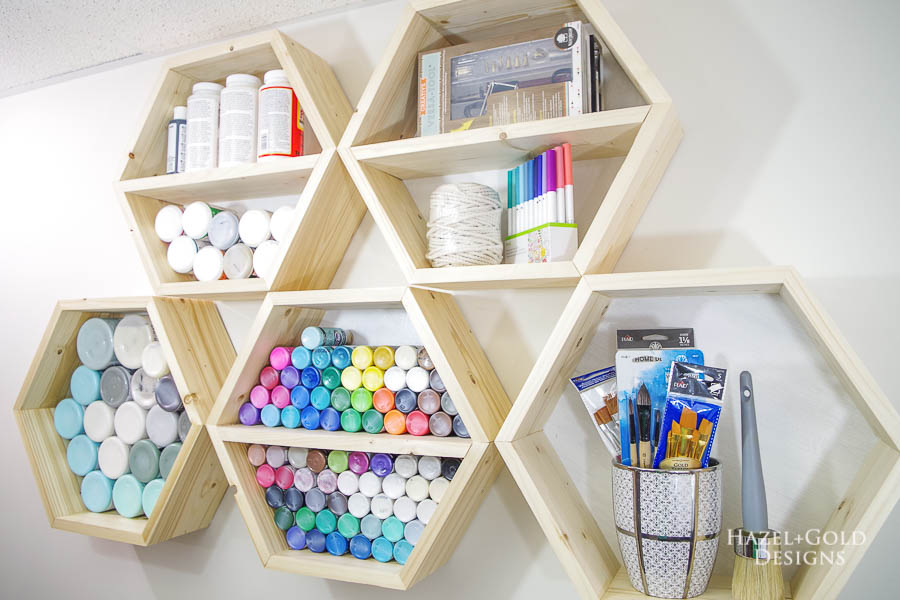
Credit: jenwoodhouse.com
Assembling The Hexagon
Assembling the hexagon bookshelf requires careful steps to ensure a strong and neat shape. Each side must fit tightly to form the perfect hexagon. This part is key for the shelf’s stability and look.
Joining Techniques
Start by aligning the wooden pieces at the correct angles. Use a miter saw to cut edges at 60 degrees for a clean fit. Dry-fit the pieces first without glue to check the shape. Nails or screws can hold corners together while glue dries.
Using Wood Glue And Clamps
Apply wood glue evenly on the edges before joining them. Avoid using too much glue to prevent mess. Press the pieces firmly and use clamps to hold them in place. Keep clamps tight for at least 30 minutes to ensure a strong bond.
Reinforcing Joints
After the glue dries, add extra support with small finishing nails. Place nails at an angle for better hold. You can also use corner braces inside the hexagon for added strength. Reinforced joints keep the bookshelf steady and durable.
Creating Shelves And Supports
Creating shelves and supports is a key step in building your hexagon bookshelf. Proper shelves hold your books and decorations safely. Strong supports keep the structure stable. This section explains how to place shelves, cut pieces, and attach them securely.
Shelf Placement
Plan where each shelf will go inside the hexagon frame. Space shelves evenly for a balanced look. Measure the distance between the hexagon sides carefully. Mark spots clearly to avoid mistakes later.
Cutting Shelf Pieces
Cut shelf pieces to fit exactly between the hexagon walls. Use a saw and measure twice before cutting. Smooth edges with sandpaper to avoid splinters. Choose wood that matches the hexagon frame for a neat finish.
Attaching Shelves Securely
Attach shelves using wood glue and screws for strong support. Drill pilot holes first to prevent wood from splitting. Check shelves for level before tightening screws. Secure shelves well to hold weight safely.
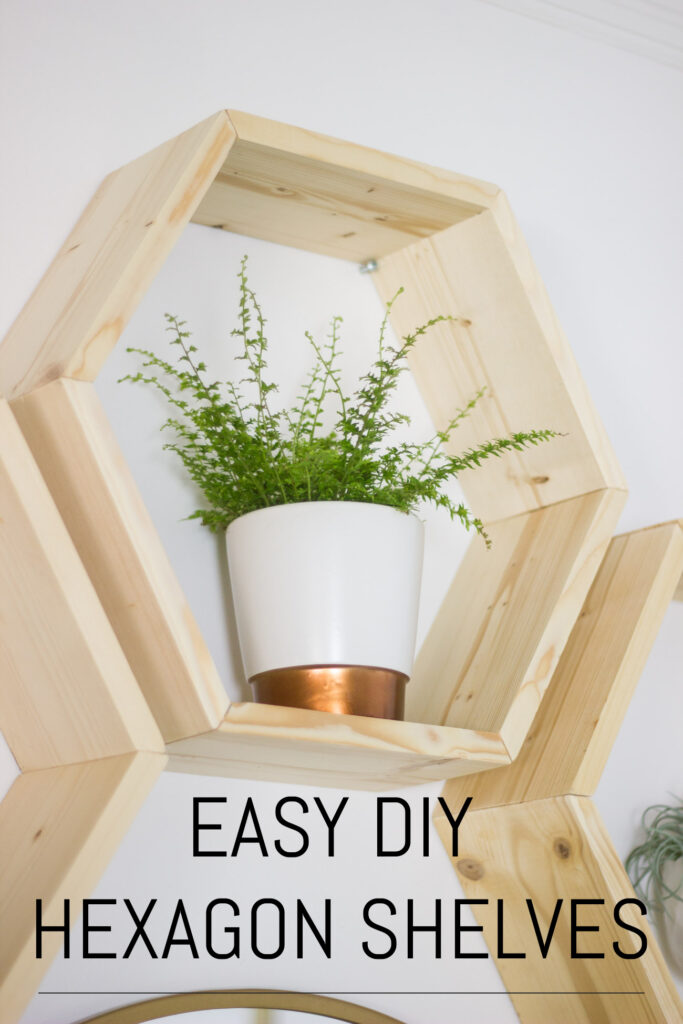
Credit: www.erinspain.com
Finishing Touches
Finishing touches give your hexagon bookshelf a polished look. They protect the wood and improve its appearance. Small details make a big difference in the final product. Careful finishing ensures your bookshelf lasts longer and looks great.
Filling Gaps And Holes
Start by checking for gaps or holes in the wood. Use wood filler to fill these spaces. Apply it with a putty knife and smooth it out. Let it dry completely before sanding. Sand the filled areas to make them even with the surface. This step creates a smooth base for painting or staining.
Painting Or Staining
Choose paint or stain based on your style preference. Paint gives a solid, colorful finish. Stain shows the natural wood grain and adds warmth. Use a brush or cloth for even application. Apply thin coats and let each dry well. Light sanding between coats helps achieve a smooth finish.
Applying Sealant
Sealant protects your bookshelf from scratches and moisture. Use a clear polyurethane or varnish for best results. Apply with a clean brush in thin layers. Let each layer dry before adding the next. Sealant adds durability and keeps your finish looking fresh longer.
Mounting And Installation
Maintaining your hexagon bookshelf is key to keeping it sturdy and beautiful. Regular care helps avoid damage and keeps the wood looking fresh. Small efforts can protect your shelf and extend its life.
Cleaning Advice
Dust the shelf often with a soft cloth. Avoid using wet rags that can harm the wood. Use a dry microfiber cloth for best results. For sticky spots, dampen the cloth slightly and wipe gently. Never use harsh chemicals or abrasive cleaners.
Handling Repairs
Fix small scratches with wood filler or a matching marker. Tighten loose screws or nails to keep the shelf stable. Replace broken parts with wood pieces of the same type. Sand rough edges to prevent splinters. Act quickly to stop damage from spreading.
Extending Lifespan
Keep the shelf away from direct sunlight and moisture. Use coasters under items that might leak or stain. Avoid overloading shelves beyond their weight limit. Apply wood polish or oil every few months. Store the shelf in a dry place during extreme weather.
Frequently Asked Questions
What Materials Are Needed To Make A Hexagon Bookshelf?
You need plywood or MDF, wood glue, screws, sandpaper, and paint. Also, a saw and a drill are essential tools.
How Long Does It Take To Build A Hexagon Bookshelf?
Building a hexagon bookshelf usually takes 3 to 5 hours. This depends on your woodworking skills and tool availability.
Can I Customize The Size Of The Hexagon Bookshelf?
Yes, you can adjust dimensions to fit your space. Just maintain equal side lengths for structural balance.
How Do I Ensure The Hexagon Bookshelf Is Sturdy?
Use quality wood, strong joints, and secure screws. Applying wood glue at joints adds extra strength.
Conclusion
Building a hexagon bookshelf adds style to any room. It saves space and holds many books. You only need basic tools and simple steps. Crafting it yourself feels rewarding and fun. Try different sizes or colors to match your space.
Keep practicing to improve your skills. A handmade shelf shows your creativity and care. Start today and enjoy your unique bookshelf soon.