Have you ever wished your regular bed could save space and add a fun, new look to your room? Turning your ordinary bed into a bunk bed is easier than you think.
Imagine freeing up floor space for play, study, or storage—all while giving your room a fresh, cozy vibe. In this guide, you’ll discover simple steps and clever tips to transform your bed quickly and safely. Ready to make your space more exciting and practical?
Keep reading, and let’s get started!
Choosing The Right Bed Frame
Choosing the right bed frame is the first step to turn a regular bed into a bunk bed. The frame must be strong and safe. It should support extra weight and fit the mattress perfectly. Picking the correct frame helps make the bunk bed sturdy and reliable. It also keeps the design neat and comfortable.
Assessing Bed Frame Compatibility
Check the size of your current bed frame. Measure its length, width, and height. The new frame must match these dimensions closely. Look for frames made for bunk beds or loft beds. These frames usually have higher support and guardrails. Ensure the frame can hold two mattresses safely. Also, check if the frame has space underneath for a lower bed or storage.
Inspect the bed frame’s joints and bolts. They should be tight and strong. Weak joints can cause accidents. Confirm the bed frame material can hold extra weight. Metal and solid wood frames are good choices. Avoid frames made of particleboard or weak plastics.
Materials And Tools Needed
Gather materials like metal or wood bed frames. Wood frames are easy to modify and sturdy. Metal frames offer strong support and long life. You will also need guardrails for safety on the upper bunk. A ladder or steps are necessary for climbing up.
Tools include a drill, screwdriver, and wrench for assembly. A measuring tape and level help ensure accuracy. Sandpaper smooths rough edges on wooden parts. Use screws and bolts to secure the frame firmly. Safety gear such as gloves and goggles protects you during assembly.

Credit: www.youtube.com
Planning Your Bunk Bed Design
Planning your bunk bed design is the first step in turning a regular bed into a bunk bed. This phase helps you create a safe, functional, and comfortable sleeping space. Thoughtful planning avoids mistakes and ensures the final build fits your room perfectly.
Consider your room layout and who will use the bunk bed. This helps decide the bed size and height. A good plan makes building easier and faster.
Measuring Space And Height
Start by measuring the room’s length, width, and height. Check the ceiling height to ensure enough space above the top bunk. Leave at least two feet between the top mattress and ceiling for comfort.
Measure the existing bed to know its size. This helps in choosing the right materials and design. Don’t forget to allow space for a ladder or stairs beside the bed.
Safety Considerations
Safety is the top priority when designing a bunk bed. Use sturdy materials that can hold weight well. Add guardrails on the top bunk to prevent falls.
Make sure the ladder is easy to climb and secure. Avoid sharp edges or gaps where fingers can get stuck. Check all parts for stability before use.
Building The Bunk Bed Frame
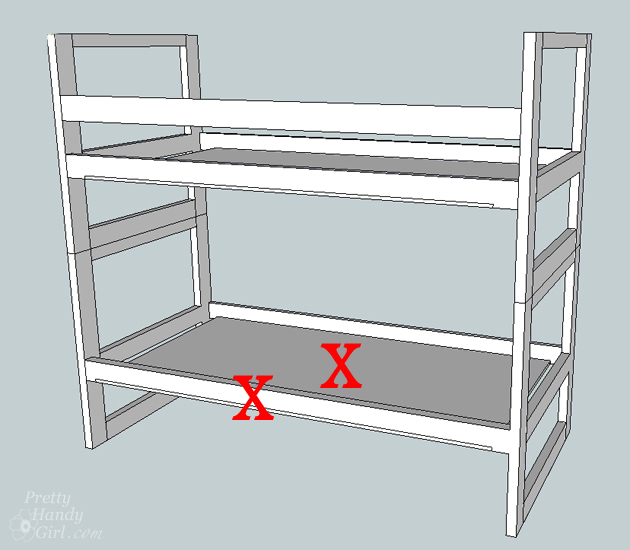
Installing the ladder and guardrails is a key step in turning a regular bed into a bunk bed. These parts provide safety and easy access to the top bunk. Proper installation helps prevent falls and ensures the bed is stable.
Choosing the right ladder and guardrails matches the style and size of your bed. Strong materials and secure attachments keep the bed safe. Let’s explore how to pick and install these parts correctly.
Choosing Ladder Styles
Pick a ladder style that fits your room space and bed height. Straight ladders are simple and take less space. Angled ladders offer easier climbing but need more room.
Materials matter. Wood ladders match wooden beds and feel warm. Metal ladders are sturdy and modern but may feel cold. Ensure the ladder has wide steps for safe climbing.
Check ladder width. It should be wide enough for comfortable steps. Also, look for slip-resistant steps to avoid accidents. Attach hooks or screws that hold the ladder firmly to the bed frame.
Attaching Guardrails Safely
Guardrails stop sleepers from falling off the top bunk. Choose guardrails that cover most of the bed’s side. They must be tall enough for safety but not block the view.
Use strong brackets or screws to attach guardrails. Tighten all screws to avoid wobbling. The guardrails should not have gaps where a child could get stuck.
Check the guardrails regularly. Tighten any loose parts for ongoing safety. Proper guardrails make the bunk bed secure and give peace of mind.
Credit: prettyhandygirl.com
Installing The Ladder And Guardrails
Finishing touches make your bunk bed safe and nice to use. These last steps give the bed a clean look and make it comfortable. Take your time to do these well for the best result.
Sanding And Painting
Sanding smooths rough spots on the wood. Use fine sandpaper and rub gently. This stops splinters and helps paint stick better.
Choose paint that fits your room’s style. Water-based paint is easy to use and safe. Apply two thin coats and let each dry fully. This protects the wood and makes the bed look new.
Adding Mattresses And Bedding
Pick mattresses that fit the bunk bed size exactly. A snug fit keeps the mattress from moving. Use firm mattresses for good support and safety.
Choose bedding that matches the room’s colors. Soft sheets and blankets make the bed inviting. Add pillows for extra comfort and style.

Credit: expandfurniture.com
Frequently Asked Questions
How Can I Convert A Regular Bed Into A Bunk Bed?
You can convert a regular bed by adding a sturdy loft frame or bunk bed kit. Ensure proper measurements and secure fittings for safety. This upgrade maximizes space and provides an additional sleeping area efficiently.
What Tools Are Needed To Make A Bunk Bed From A Regular Bed?
Common tools include a drill, screwdriver, measuring tape, wrench, and level. These help assemble and secure the bunk bed components safely and accurately. Always follow the kit instructions for best results.
Is It Safe To Turn A Regular Bed Into A Bunk Bed?
Yes, if you use a certified bunk bed conversion kit and follow safety guidelines. Check weight limits, secure guardrails, and ensure stable construction to prevent accidents and ensure safe use.
How Much Does It Cost To Convert A Regular Bed Into A Bunk Bed?
Conversion kits typically range from $100 to $300, depending on materials and brand. Additional costs may include tools or professional assembly if needed. This is usually cheaper than buying a new bunk bed.
Conclusion
Transforming a regular bed into a bunk bed saves space and adds fun. It’s a simple project with basic tools and safety in mind. You can customize the design to fit your room and needs. Always check the stability before use.
This idea suits kids’ rooms or shared spaces perfectly. Try it yourself and enjoy the extra room and style.