Have you ever wished for a hidden spot to keep your valuables safe or stash away personal items right in your own home? Creating a secret compartment in your bookshelf is a clever and stylish way to do just that.
Not only does it add an element of mystery to your room, but it also gives you peace of mind knowing your treasures are out of sight. In this guide, you’ll discover simple, step-by-step instructions to build your own secret space—no special skills required.
Ready to add a touch of intrigue and security to your bookshelf? Let’s get started!

Credit: www.youtube.com
Choosing The Right Bookshelf
Choosing the right bookshelf is the first step in making a secret compartment. The bookshelf must fit well in your space and be strong enough to hold hidden items. It should blend with your room’s style and look natural. Picking the right one helps keep your secret safe and your room tidy.
Material And Size Considerations
Wood is the best choice for building secret compartments. It is strong and easy to work with. Solid wood lasts long and holds weight well. Avoid thin or hollow materials. They may break or not hide the secret well.
Size matters too. Choose a bookshelf that is large enough to hide your compartment. Tall bookshelves offer more space for secret areas. Make sure it fits your room without blocking walkways.
Bookshelf Styles That Work Best
Simple and classic styles work best for secret compartments. A bookshelf with thick shelves can hide a false bottom or back. Closed-back designs hide the secret better than open backs.
Bookshelves with adjustable shelves add flexibility. You can move shelves to create the perfect hiding spot. Avoid overly decorative or glass-front bookshelves. They draw attention and make hiding harder.
Planning Your Secret Compartment
Planning your secret compartment is the first important step. This step helps you decide the best spot and size. Careful planning avoids mistakes and saves time. It also keeps your secret safe and hidden well.
Selecting The Location
Choose a place in the bookshelf that blends well. Avoid spots that look unusual or out of place. The back of a thick shelf works great. Look for areas that stay out of direct sight. Pick a spot easy for you to reach but hard for others.
Measuring And Marking
Use a tape measure to get exact shelf dimensions. Measure width, height, and depth carefully. Mark the area for the compartment with a pencil. Make sure to leave enough space for books. Double-check your marks before cutting or drilling. Accurate measurements keep the compartment hidden and neat.
Gathering Tools And Materials
Building a secret compartment in a bookshelf starts with gathering the right tools and materials. Having everything ready makes the process smoother and faster. You will need basic tools for most of the work. Some special items help create a hidden space that stays unnoticed. Collecting these tools beforehand saves time and avoids frustration.
Basic Tools Needed
Start with simple tools that you probably have at home. A screwdriver is essential for removing and attaching screws. A hammer helps with nails and small adjustments. A measuring tape ensures accurate cuts and placements. You will also need a saw to cut wood pieces precisely. Sandpaper smooths rough edges for a clean finish. A pencil helps mark where to cut or drill. Clamps hold pieces together while the glue dries.
Specialty Items For Hidden Compartments
Some tools make your secret compartment truly hidden. Magnetic locks keep the door secure but invisible. A push latch lets you open the compartment without handles. Hinges designed for concealed doors blend into the bookshelf. Wood glue provides extra strength for joints. Felt pads protect the bookshelf and reduce noise. Small LED lights can brighten the hidden space without being seen from outside.
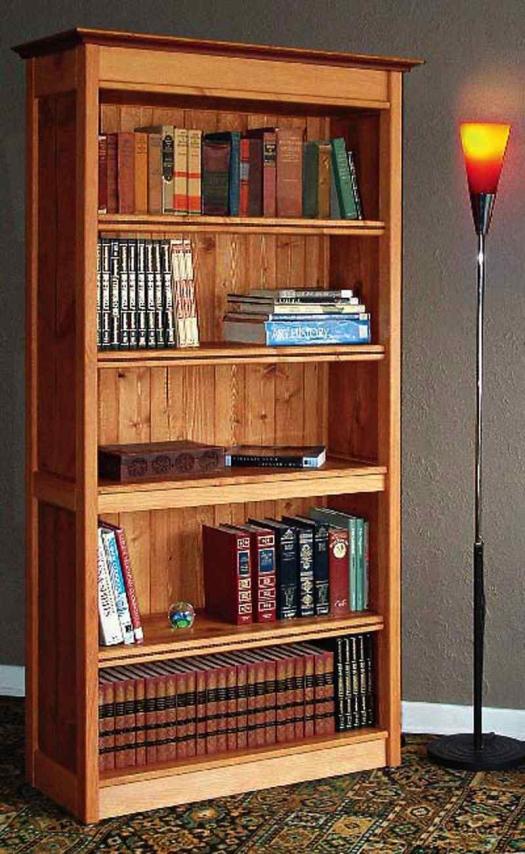
Credit: canadianwoodworking.com
Building The Compartment
Building the secret compartment is a fun and rewarding step. It needs careful cutting and fitting. The compartment should blend well with the bookshelf. It must hide your valuables without being obvious.
Start by measuring the space inside the bookshelf. Choose wood panels that match the shelf’s material. Precise cuts help the compartment look natural. Assembly must be strong yet smooth.
Cutting And Assembling Panels
First, mark the wood panels with a pencil. Use a ruler to get straight lines. Cut the panels with a saw carefully. Sand the edges to avoid splinters and rough spots. Assemble the panels using wood glue and small nails. Make sure the structure is square and fits inside the shelf. Let the glue dry fully before moving to the next step.
Creating A Hidden Door Or Drawer
Design a door or drawer that matches the shelf’s look. Use thin hinges or sliding tracks for smooth movement. Paint or stain the door to blend with the wood. Add a small handle that stays hidden or looks like part of the shelf. Test the door or drawer to ensure it opens quietly and closes tightly. The secret compartment is now ready to use.
Installing The Secret Compartment
Installing the secret compartment inside a bookshelf requires careful steps to ensure it fits well and stays hidden. This part is important for a smooth and secure build. Follow the instructions to place the compartment correctly and make it blend with the rest of the shelf.
Fitting The Compartment Inside The Bookshelf
Measure the space inside the bookshelf where the compartment will go. The compartment should fit snugly without forcing it. Use a level to keep it straight. Place the compartment gently inside the shelf. Check if the door or lid opens and closes easily. Adjust the size if needed by sanding or trimming small parts. Make sure there is enough space for books around it. This prevents the compartment from standing out.
Securing And Concealing Edges
Use small screws or wood glue to fix the compartment in place. Secure edges tightly to avoid movement. Cover visible seams with thin strips of wood or molding. Sand the edges smooth to blend with the bookshelf. Paint or stain the compartment edges to match the shelf color. This hides the secret well and keeps the look natural. Check for any gaps and fill them with wood filler. Let everything dry before using the compartment.

Credit: www.youtube.com
Camouflaging Techniques
Camouflaging techniques help hide your secret compartment in the bookshelf. They make it look like part of the shelf. This keeps your hidden space safe from curious eyes. Using simple tricks can blend the compartment seamlessly with the rest of the shelf.
Using Books And Decorative Items
Place books of similar size and color around the secret compartment. Use old or fake books to cover the opening. Arrange decorative items like small plants or photo frames nearby. These items distract attention from the hidden space. Make sure nothing looks out of place or unusual. The goal is to create a natural look.
Painting And Finishing Touches
Match the paint or stain of the secret compartment with the bookshelf. Use the same color and finish for consistency. Smooth the edges and corners for a clean look. Apply a clear coat to protect the surface. This helps the compartment blend in perfectly. Small details make a big difference in hiding the space.
Tips For Maintenance And Security
Building a secret compartment in a bookshelf is exciting. Keeping it working well and safe is just as important. Small efforts can keep your hidden space secure and in good shape. Follow some simple tips to maintain and protect your secret compartment.
Regular Checks And Repairs
Check the compartment often for any damage. Look for loose hinges, cracks, or worn-out parts. Tighten screws and fix small problems quickly. This prevents bigger issues later. Clean the compartment to avoid dust buildup. Dust can cause parts to stick or break. Regular care keeps the compartment smooth and easy to open.
Enhancing Privacy And Safety
Make the compartment harder to find by blending it with the bookshelf. Use paint or wallpaper that matches the shelf. Avoid obvious handles or openings. Install a simple lock or magnetic catch for extra security. Keep the key or magnet in a safe place. Do not share the secret with many people. These steps help keep your hidden space private and safe.
Frequently Asked Questions
How Do I Start Making A Secret Compartment?
Begin by selecting a sturdy bookshelf and planning the compartment size. Mark the area to be hollowed out carefully.
What Tools Are Needed For This Project?
You’ll need a drill, jigsaw, screwdriver, measuring tape, wood glue, and screws for building the compartment.
Can I Hide The Compartment Without Damaging The Bookshelf?
Yes, by creating a removable panel or false back, you avoid permanent damage while keeping it hidden.
How To Keep The Compartment Secure And Undetectable?
Use magnets or hidden latches to secure the panel. Avoid visible hinges or handles for better concealment.
Conclusion
Creating a secret compartment in a bookshelf adds fun and function. It keeps your valuables safe and hidden. The steps are simple and doable for anyone. Use basic tools and materials you already have. Take your time to measure and cut carefully.
A well-made compartment blends perfectly with the shelf. Enjoy the extra space without drawing attention. This project makes your bookshelf unique and personal. Try it out and keep your secrets close.