Are you looking to save space and add a fun twist to your bedroom? Making a stackable bunk bed might be just what you need.
Imagine having two beds that fit perfectly on top of each other, freeing up room for play, study, or extra storage. In this guide, you’ll discover simple steps to build a sturdy, safe, and stylish stackable bunk bed. Whether you’re handy with tools or just starting out, this project will give you the confidence to create something practical and cool for your home.
Ready to transform your space and impress everyone? Let’s get started!

Credit: woodworking.stackexchange.com
Benefits Of Stackable Bunk Beds
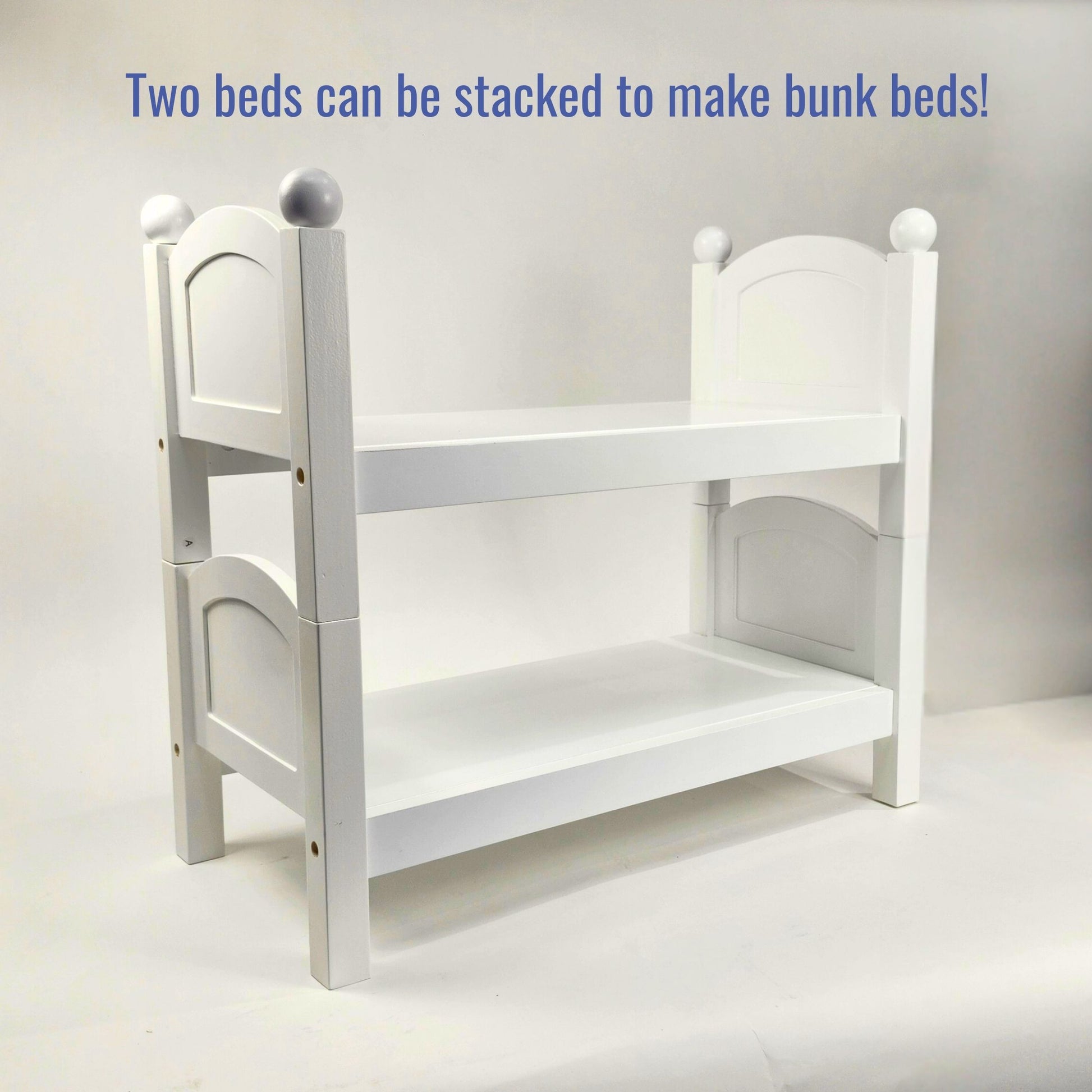
Stackable bunk beds offer many advantages for homes with limited space. They provide practical sleeping arrangements while saving room for other activities. These beds are smart choices for families, dorms, and guest rooms. Their design helps create more space without sacrificing comfort.
Maximizing Small Spaces
Stackable bunk beds fit well in tight areas. They use vertical space to hold multiple beds. This design frees up the floor for play, work, or storage. Small bedrooms can hold more people comfortably. It keeps rooms from feeling crowded or cluttered.
Versatility And Flexibility
These beds adapt to different needs. You can stack or separate them as needed. This makes them ideal for growing families or shared rooms. They work well for sleepovers or guests. You can change the setup anytime without hassle.
Cost-effective Solution
Stackable bunk beds often cost less than buying separate beds. They reduce the need for extra furniture in small rooms. This helps save money on room setup. Their durability also means fewer replacements over time. A smart buy for tight budgets and small homes.
Credit: maplelea.com
Materials And Tools Needed
Gathering the right materials and tools is the first step to build a sturdy stackable bunk bed. The quality of wood and proper equipment affect safety and durability. Prepare everything before starting the project to avoid interruptions and mistakes.
Selecting Quality Wood
Choose strong, solid wood like pine or oak. These woods hold weight well and last long. Avoid wood with cracks or knots that weaken the structure. Smooth surfaces reduce splinters and improve the bed’s finish. Buying pre-cut boards can save time but check their sizes carefully.
Essential Tools List
Use a saw to cut wood into needed shapes and lengths. A drill helps make holes for screws and bolts. Sandpaper smooths rough edges for a safe finish. A tape measure ensures accurate cuts and assembly. Screwdrivers tighten screws securely. Clamps hold pieces together while gluing or screwing.
Safety Gear
Wear safety glasses to protect eyes from dust and wood chips. Use ear protection during loud cutting and drilling. Gloves keep hands safe from splinters and sharp tools. A dust mask prevents breathing in wood particles. Dress in close-fitting clothes to avoid snagging on tools.
Designing Your Stackable Bunk Bed
Designing your stackable bunk bed is the first step to a perfect build. It sets the foundation for comfort and safety. A good design fits your room and meets your needs. Take time to plan carefully. This helps avoid mistakes and wasted materials.
Focus on space, size, and security. These three elements make your bunk bed both useful and safe. Clear design goals guide every choice. Start with measuring your space.
Measuring Your Space
Measure the room where the bunk bed will go. Note the height, width, and length. Check for doors, windows, and vents. These can limit bed placement. Write down all measurements. Double-check to avoid errors.
Allow extra space around the bed for easy movement. Consider ceiling height. Make sure there is enough clearance above the top bunk. This keeps the sleeper comfortable and safe.
Choosing The Right Dimensions
Choose dimensions that fit your space and needs. Standard bunk beds are usually 39 inches wide and 75 inches long. Adjust size if your room is smaller or larger. Think about mattress thickness too.
Decide how tall the bed should be. Stackable beds need strong support. Plan for the total height of stacked units. Keep the design stable and easy to climb.
Incorporating Safety Features
Safety is the most important part of your design. Add guardrails to the top bunk. These prevent falls during sleep. Make sure the rails are high enough and sturdy.
Design safe ladders or steps. They should be easy to hold and climb. Avoid sharp edges and gaps that could trap fingers. Use strong materials to support weight safely.
Step-by-step Construction Process
Building a stackable bunk bed is a rewarding project. It saves space and adds style to a room. This guide breaks the process into clear steps. Follow each stage carefully for a sturdy, safe bed.
Cutting And Preparing Wood
Start with quality wood, like pine or oak. Measure twice, cut once. Use a saw to cut all parts to size. Sand rough edges to avoid splinters. Label each piece for easy assembly.
Assembling The Bed Frames
Lay out all wood pieces on a flat surface. Join side rails to head and footboards. Use screws or bolts for strong connections. Check corners for right angles. Make sure frames are square and stable.
Adding Support And Stability
Attach slats across the frame for mattress support. Space slats evenly to hold weight well. Add extra braces under the frame if needed. Secure legs firmly for balance. Test stability before moving on.
Finishing Touches And Sanding
Sand the entire bed to smooth surfaces. Focus on edges and corners for safety. Apply a non-toxic finish or paint for protection. Let the finish dry completely. This step makes the bed look great and last longer.
Stacking And Securing The Beds
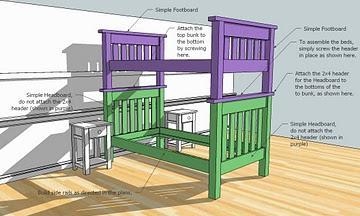
Stacking and securing the beds is a critical step in building a stackable bunk bed. This part ensures the beds stay in place and keep everyone safe. Proper alignment and secure locking protect against accidents and wobbling. You must take time with this process to avoid future problems.
Aligning The Bunks Safely
Start by placing the bottom bunk on a flat surface. Then, carefully lift the top bunk and position it above the bottom one. Make sure the corners of both bunks line up exactly. Check that the legs of the top bunk sit firmly on the bottom frame. Misalignment can cause the bed to tilt or collapse. Use a level tool to confirm the beds are straight and even.
Installing Locking Mechanisms
Locking mechanisms keep the bunks connected and stable. Attach metal brackets or locking pins at each corner. Secure them tightly to prevent movement. Use screws or bolts made for wood furniture. Avoid loose locks or weak fasteners. These can fail and cause the beds to separate. Double-check each lock after installation for firmness.
Testing Stability
Test the stability before using the beds. Gently shake the top bunk to see if it moves. Try to rock the entire structure slightly. If there is any wobble, fix the locks or realign the bunks. Ask someone to sit on the top bunk while you observe. The bed should feel solid and safe. Do this test regularly to maintain safety over time.
Credit: www.ana-white.com
Customizing Your Bunk Bed
Customizing your stackable bunk bed makes it truly yours. It turns a simple bed into a special space. You can change colors, add storage, and include fun details. This section shows easy ways to make your bunk bed fit your style and needs.
Painting And Staining Options
Choose paint or stain to match your room. Light colors make the room feel bigger. Dark colors add warmth and coziness. Use non-toxic paint for safety. Try a smooth finish for a modern look. Or pick a matte finish for a soft touch. Staining shows the wood’s natural beauty. It protects the bed and makes it last longer.
Adding Storage Solutions
Storage saves space and keeps things tidy. Add shelves on the sides for books and toys. Drawers under the bottom bunk hold clothes or bedding. Hooks on the frame keep bags or hats nearby. A pull-out desk adds a study spot. Storage options help keep the room clean. They make the bed more useful and neat.
Personalizing With Accessories
Accessories add personality and fun. Use colorful pillows and cozy blankets. Hang fairy lights or clip-on reading lamps. Attach a small chalkboard or corkboard for notes. Add themed curtains for privacy and style. Soft rugs nearby make the area warm and comfy. Personal touches make the bunk bed a favorite place.
Maintenance And Safety Tips
Keeping your stackable bunk bed safe and sturdy is very important. Regular care helps avoid accidents and keeps the bed strong. Follow simple steps to maintain and use the bed safely.
Regular Inspections
Check the bed parts often. Look for loose screws, broken boards, or cracks. Tighten all bolts and screws every month. Replace any damaged pieces quickly. This stops small problems from becoming big ones.
Weight Limits And Usage Guidelines
Know the weight limit for each bunk. Do not let anyone exceed it. Use the bed only for sleeping. Avoid jumping or rough playing on it. Teach children to use the ladder carefully. Safety rules protect everyone from injury.
Cleaning And Care
Keep the bed clean and dry. Dust it regularly with a soft cloth. Use mild soap and water for stains. Avoid harsh chemicals that can damage the wood or paint. Dry the bed well after cleaning to prevent mold or rust.
Frequently Asked Questions
What Materials Are Needed For A Stackable Bunk Bed?
You need sturdy wood, screws, bolts, brackets, sandpaper, and paint or finish. Quality materials ensure safety and durability.
How Do You Ensure Safety In A Stackable Bunk Bed?
Use strong fasteners, secure joints tightly, add guardrails, and check stability regularly. Proper assembly reduces accidents.
Can I Customize The Height Of The Bunk Beds?
Yes, adjust leg lengths or add risers to customize height. Ensure structural integrity with proper support.
How Long Does It Take To Build A Stackable Bunk Bed?
Building time varies but generally takes 6 to 12 hours. Experience level and tools can affect duration.
Conclusion
Building a stackable bunk bed saves space and adds style to any room. Follow the steps carefully for a safe, sturdy result. Choose good materials and measure twice before cutting. Take your time and enjoy the process. This project brings comfort and fun to your home.
Try it yourself and see how easy it can be. A stackable bunk bed is a smart choice for families. Keep safety in mind and create a cozy spot for sleep.