Are you looking for a way to add more storage without taking up too much floor space? A tall skinny bookshelf could be exactly what you need.
It fits neatly into tight spots, keeps your books organized, and adds style to any room. In this guide, you’ll discover simple steps to build your own tall skinny bookshelf, even if you’re new to woodworking. By the end, you’ll have a custom piece that’s perfect for your space and your style.
Ready to get started? Let’s dive in!
Choosing Materials
Choosing the right materials is key to building a tall skinny bookshelf. The materials affect how strong and stable the shelf will be. They also impact how the shelf looks in your room. Pick materials that are easy to work with and fit your style.
Wood Types
Softwoods like pine are easy to cut and light. They cost less and are good for beginners. Hardwoods such as oak or maple are stronger. They last longer but are harder to work with. Plywood is a popular choice. It is stable and resists warping. Choose a wood type that matches your skill and budget.
Tools Needed
Basic tools make building easier. A saw is needed to cut the wood to size. Use a drill to make holes and fix screws. A screwdriver helps to tighten screws firmly. Sandpaper smooths rough edges and surfaces. A tape measure ensures precise measurements. These tools help create a neat and safe bookshelf.
Hardware And Accessories
Screws hold the pieces together firmly. Choose screws that fit the wood thickness. Brackets add extra support to keep the shelf steady. Wood glue strengthens joints and prevents movement. Shelf pins allow adjustable shelf heights. Pick hardware that matches the wood and design style.

Credit: www.homedepot.com
Planning Your Bookshelf
Planning your tall skinny bookshelf is the first step to a successful build. It helps you use space well and create a strong shelf. Careful planning saves time and materials. It also makes your shelf look better and last longer.
Start by understanding the space where the shelf will go. Then, decide the size and number of shelves. Think about what you want to store. These steps will guide your design and build process.
Measuring Space
Measure the height, width, and depth of the wall or corner for the shelf. Use a tape measure and write down the numbers. Check for any obstacles like outlets or vents. Make sure the space is clear and easy to reach.
Double-check your measurements to avoid mistakes. A tall skinny bookshelf needs precise space fitting. This step ensures your shelf will not be too big or too small.
Design Dimensions
Choose the height and width of your bookshelf based on your space. A tall skinny bookshelf is usually narrow but tall to save floor space. Decide how deep the shelves should be. Most bookshelves are 8 to 12 inches deep.
Keep the design simple and balanced. Too wide or too deep can make the shelf unstable. Consider the thickness of the wood you will use. It affects the overall size and strength of the shelf.
Shelf Spacing
Plan the distance between each shelf. This depends on what you want to store. Books need about 10 to 12 inches of height. Bigger items need more space. You can make shelves adjustable for flexibility.
Even spacing looks neat and helps with organization. Leave some extra room for taller books or decorations. Proper shelf spacing makes your bookshelf more useful and attractive.
Cutting And Preparing Wood
Cutting and preparing wood is the first step in making a tall skinny bookshelf. It sets the foundation for a strong and neat piece. Precise cutting and smooth surfaces help the bookshelf look professional and last longer. Take your time and follow these steps carefully.
Marking Cuts
Start by measuring the wood pieces accurately. Use a pencil and a ruler to mark the lines clearly. Double-check measurements to avoid mistakes. Mark all pieces before cutting to save time. Clear marks guide your cuts and ensure the right size parts.
Cutting Techniques
Use a saw that fits your skill level. A handsaw works well for small cuts. A circular saw is faster for straight lines. Cut slowly along the marked lines to stay precise. Keep the wood steady to prevent slipping. Wear safety gear like goggles and gloves for protection.
Sanding Surfaces
After cutting, smooth all edges with sandpaper. Start with coarse grit to remove rough spots. Then use finer grit for a polished finish. Sand flat surfaces and edges evenly. Smooth wood prevents splinters and helps paint or stain stick better. Take your time here for a quality finish.
Assembling The Frame
Assembling the frame is the first big step in making your tall skinny bookshelf. This stage builds the basic shape and strength of the piece. It must be done carefully to ensure the bookshelf stands firm and looks good. Follow these simple steps for a strong frame that lasts.
Joining Side Panels
Start by placing the two side panels upright. Align their edges so they stand parallel. Use wood glue along the edges to hold them together. Then, join them with screws or nails. Make sure the panels are straight and square. Check with a carpenter’s square or measure diagonals. Tighten screws evenly to avoid bending the wood.
Attaching Shelves
Next, attach the shelves between the side panels. Measure shelf positions before fixing them. Mark the spots with a pencil for accuracy. Apply wood glue to the ends of each shelf. Fit them into place and secure with screws. Drive screws from the side panels into the shelves. This method adds strength and keeps shelves level.
Securing The Back Panel
The back panel gives the bookshelf stability. Place it flat against the back edges of the frame. Use small nails or screws to fix it firmly. Start from the bottom and work upward. Check that the panel fits flush without gaps. This step prevents wobbling and keeps the shelves square.
Finishing Touches
Finishing touches make your tall skinny bookshelf look complete and last longer. These steps improve the wood’s appearance and protect it from damage. Proper finishing also keeps your bookshelf sturdy and safe in your home.
Painting And Staining
Choose paint or stain to match your room’s style. Paint gives a smooth, colorful finish. Stain shows the wood grain and adds warmth. Use a brush or roller for even coverage. Let each coat dry fully before adding another. Light sanding between coats helps the finish stick better.
Adding Protective Coating
Apply a clear protective coat after painting or staining. Polyurethane or varnish works well to guard against scratches and spills. Use a soft brush for a thin, even layer. Let the coating dry completely. This step keeps your bookshelf looking fresh for years.
Installing Wall Anchors
Secure your tall bookshelf to the wall for safety. Wall anchors stop it from tipping over. Find wall studs and mark spots on the bookshelf. Use screws and brackets to attach the bookshelf firmly. This is important, especially if you have children or pets.

Credit: www.amazon.com
Tips For Stability
Building a tall skinny bookshelf can save space and look elegant. Stability is key to keep it safe and useful. Unstable shelves can tip or wobble, causing damage or injury. Follow simple tips to make your bookshelf steady and strong.
Balancing Weight
Place heavy items on the lower shelves. This lowers the center of gravity. Spread weight evenly across each shelf. Avoid stacking too many heavy books in one spot. Balance prevents tipping and keeps the shelf steady.
Using Brackets
Attach brackets to the wall and shelf. Brackets secure the bookshelf in place. Use strong brackets and screws for safety. Position brackets near the top and bottom. This stops the shelf from leaning or falling.
Avoiding Common Mistakes
Do not skip securing the bookshelf to the wall. Avoid using weak materials for shelves or brackets. Do not overload the shelves beyond their limit. Check all screws and joints for tightness. Fix loose parts immediately to maintain stability.
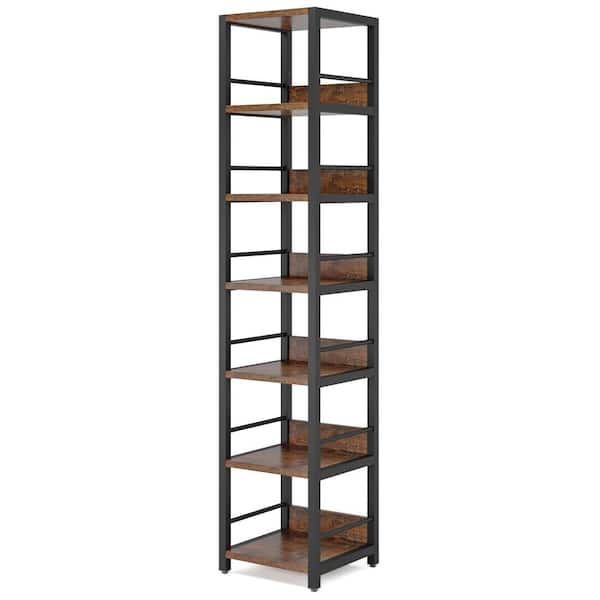
Credit: www.homedepot.com
Frequently Asked Questions
What Materials Are Needed For A Tall Skinny Bookshelf?
You need plywood or MDF, wood screws, wood glue, paint or stain, sandpaper, and brackets for stability. Choose quality materials for durability and a smooth finish.
How Do I Ensure Stability For A Tall Skinny Bookshelf?
Anchor the bookshelf to the wall using brackets or straps. Use a sturdy base and evenly distribute weight on shelves to prevent tipping.
What Are The Best Dimensions For A Tall Skinny Bookshelf?
A typical tall skinny bookshelf is around 72 inches tall, 12-16 inches deep, and 24 inches wide. Adjust size based on space and storage needs.
Can I Customize Shelf Spacing In A Skinny Bookshelf?
Yes, customize shelf heights to fit your items. Adjustable shelves offer flexibility for books, decor, and other objects.
Conclusion
Building a tall skinny bookshelf can fit any small space well. It helps keep your books and items neat and tidy. Using simple tools and steps makes the process easy and fun. You can paint or stain it to match your room style.
A sturdy bookshelf saves space and adds charm to your home. Try making one yourself and enjoy the satisfaction of a DIY project. Small changes like this make your room feel fresh and organized. Give it a try and see how great it looks!