Are you looking to create a beautiful acacia bookshelf without stress or confusion? Imagine building a sturdy, stylish piece that perfectly fits your space, all while feeling confident and calm throughout the process.
This guide will walk you through each simple step, so you can enjoy making your bookshelf with peace of mind. Ready to turn your ideas into a lasting piece of furniture? Let’s get started!
Choosing Acacia Wood
Choosing the right wood is key to making a strong and beautiful bookshelf. Acacia wood stands out for its durability and rich color. It brings a natural charm to your bookshelf and lasts for years. Understanding what makes Acacia special helps you pick the best wood for your project.
Benefits Of Acacia
Acacia wood is tough and resists scratches and dents. Its natural oils protect it from water damage. The wood has a warm, attractive grain that adds character. It is also light enough to handle easily during building. These qualities make Acacia a smart choice for bookshelves.
Selecting Quality Wood
Choose wood with a smooth surface and no cracks. Look for pieces with a consistent color and tight grain. Avoid wood with knots or splits, as they weaken the shelf. Check that the wood feels solid and heavy. Good quality Acacia ensures a sturdy and lasting bookshelf.

Credit: us.amazon.com
Gathering Tools And Materials
Gathering the right tools and materials sets a calm start to your acacia bookshelf project. Being prepared helps you work smoothly and avoid stress. This step ensures you have everything before you begin building.
Essential Tools
Start with basic woodworking tools. A saw is needed to cut the wood to size. Use a drill to make holes for screws. Sandpaper or an electric sander smooths rough edges. A measuring tape helps get precise dimensions. Clamps keep wood pieces steady while working. Screwdrivers or a power driver fasten parts securely. A pencil marks cuts and measurements clearly. Safety gear, like gloves and goggles, protects your hands and eyes.
Required Materials
Choose high-quality acacia wood planks for strength and beauty. Pick screws and nails that fit your wood thickness. Wood glue adds extra hold between joints. Finish with wood stain or varnish to protect and enhance wood color. Sandpaper comes in various grits for different smoothing needs. Optional brackets add stability to the bookshelf frame. Having all materials ready prevents interruptions during the build.
Planning Your Bookshelf
Planning your bookshelf carefully makes the building process smooth and stress-free. It helps you avoid mistakes and saves time. Start with clear ideas about size, shape, and style. Think about where the bookshelf will go and what it will hold. Good planning brings peace of mind and better results.
Design And Dimensions
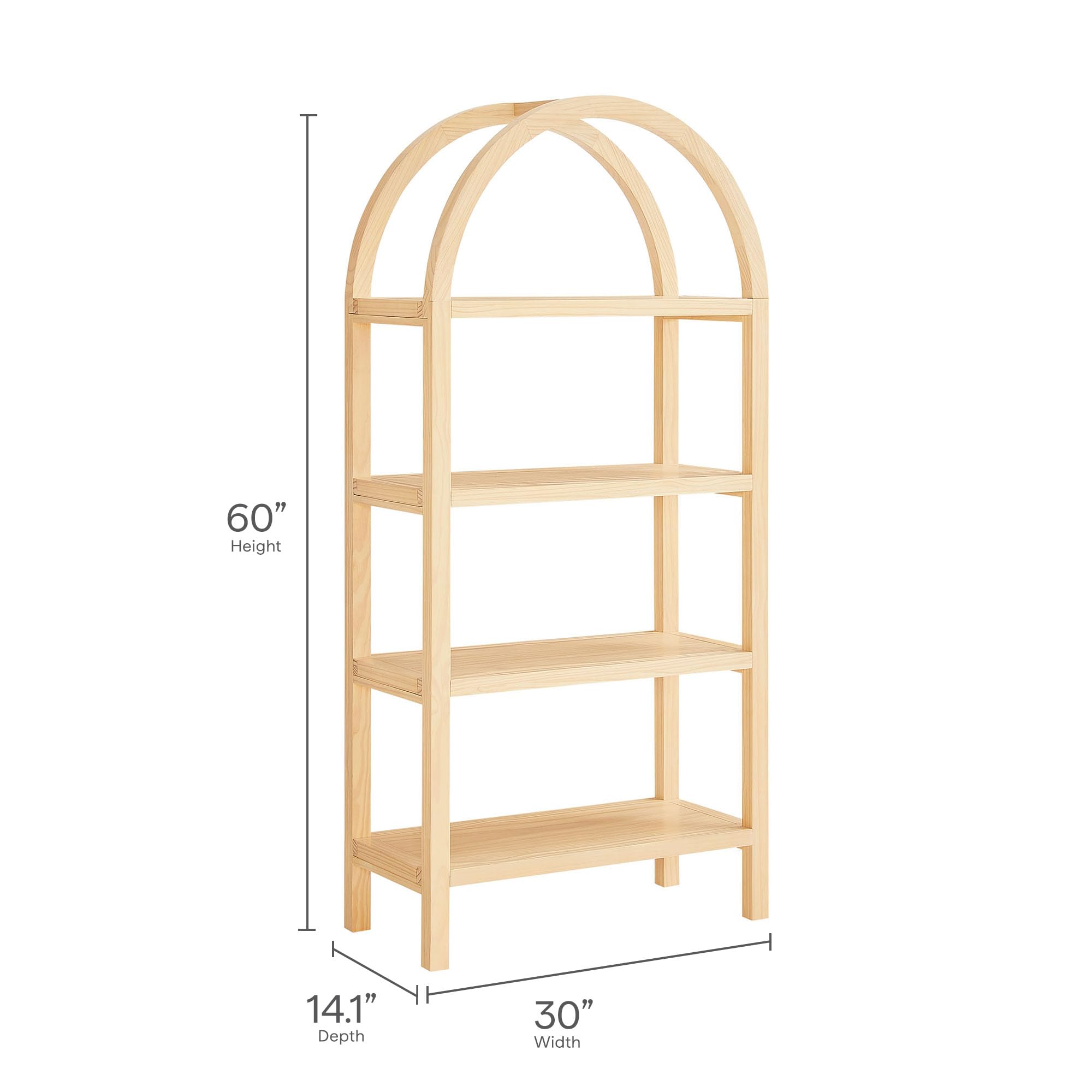
Decide on a design that fits your space and needs. Choose a style that matches your room’s look. Measure the wall or corner where you want the bookshelf. Consider height, width, and depth for perfect fit. Leave space for books, decorations, and future additions. Write down these measurements clearly.
Sketching The Layout
Draw a simple sketch of your bookshelf on paper. Include all shelves and their spacing. Mark the thickness of the acacia wood you will use. Show where supports and joints will go. This sketch guides you during cutting and assembly. A clear layout prevents errors and keeps you calm.
Credit: www.amazon.com
Cutting And Preparing Wood
Cutting and preparing wood is the first important step to make an acacia bookshelf. This step shapes the wood pieces that form the bookshelf. Taking time here helps avoid mistakes later. Prepare your work area well. Use sharp tools to get clean cuts. Accurate cutting ensures your bookshelf fits perfectly.
Measuring And Marking
Measure each piece of wood carefully. Use a tape measure for exact lengths. Mark the cut lines clearly with a pencil. Double-check your measurements before cutting. Mark all pieces to keep track of sizes. Accurate marks guide your saw and prevent errors.
Safe Cutting Techniques
Wear safety goggles and gloves to protect yourself. Use a stable work surface to keep wood steady. Cut slowly and follow your marked lines. Use clamps to hold wood if needed. Keep hands away from the saw blade. Stop and check your progress often. Safe cutting reduces accidents and improves results.
Assembling The Bookshelf
Assembling your Acacia bookshelf is a key step to ensure it stands strong and looks great. This process requires care and patience to fit all parts together perfectly. Follow simple steps to create a sturdy bookshelf you can trust.
Joining Pieces
Start by laying out all parts on a flat surface. Match the boards by size and shape. Join the sides to the top and bottom panels first. Use clamps to hold pieces steady. Check if edges align well before fixing them. Avoid rushing to prevent gaps or misalignment.
Using Fasteners And Glue
Apply wood glue to edges for extra strength. Use a small brush to spread glue evenly. Insert screws or nails into pre-drilled holes to avoid splitting wood. Tighten fasteners just enough to hold parts firmly. Wipe off any excess glue quickly. Let glue dry for several hours before moving the bookshelf.
Sanding And Finishing
Sanding and finishing are key steps in making a strong, beautiful acacia bookshelf. These steps help smooth the wood and protect it. A good finish brings out the natural colors of acacia wood. It also makes the shelf last longer and resist damage.
Taking your time during sanding and finishing gives peace of mind. You see the wood transform into a piece that looks polished and feels good to touch. Each step matters. Let’s explore how to sand and finish your bookshelf well.
Sanding For Smoothness
Start sanding with medium-grit sandpaper, around 120 grit. Move the sandpaper along the wood grain. This avoids scratches that go against the wood fibers. Sand evenly on all surfaces.
Next, use fine-grit sandpaper, like 220 grit. This step smooths the wood to a soft finish. Make sure to sand corners and edges gently to keep their shape.
Remove dust with a clean, dry cloth after sanding. Dust can stop the finish from sticking well. Clear surfaces help you see the wood’s true color.
Applying Stain Or Sealant
Choose a stain or sealant made for hardwoods like acacia. Stains add color and highlight the grain. Sealants protect from water and dirt.
Use a brush or clean cloth to apply the stain or sealant. Work in thin, even coats. Let each coat dry fully before adding another.
Lightly sand between coats with very fine sandpaper (320 grit) for the best smoothness. Wipe off dust before applying the next layer.
Finish with a clear sealant for strong protection. It keeps the wood looking fresh for years. Your acacia bookshelf will be ready to use and enjoy.
Maintaining Your Acacia Bookshelf
Maintaining your acacia bookshelf is key to keeping it beautiful and durable. Regular care helps protect the wood and preserves its natural shine. Simple habits can extend the life of your bookshelf.
Taking time to clean and protect the wood prevents common damage. A well-kept bookshelf stays strong and looks great for years.
Cleaning Tips
Use a soft cloth to dust the bookshelf often. Avoid rough materials that can scratch the wood. A dry or slightly damp cloth works best. Never soak the wood with water. For sticky spots, use mild soap with water, then wipe dry quickly. Avoid harsh chemicals or abrasive cleaners. They can harm the wood finish.
Preventing Damage
Keep your bookshelf away from direct sunlight. Sunlight can cause the wood to fade or crack. Avoid placing it near heaters or vents. Heat dries out the wood and makes it brittle. Use coasters under drinks or plants to stop water rings. Handle heavy items carefully to prevent dents. Move the bookshelf gently during cleaning or rearranging. Small steps protect your bookshelf from wear and tear.

Credit: hekman.com
Troubleshooting Common Issues
Building an acacia bookshelf is rewarding, but some problems may occur. Troubleshooting common issues helps keep your bookshelf strong and beautiful. Small fixes save time and money. Learn how to solve typical problems with simple steps.
Fixing Warping
Wood warps when it absorbs too much moisture. To fix warping, place the bookshelf in a dry area. Use weights on the warped part to flatten it gently. Leave it for a few days to set. Sand the surface lightly to smooth it. Apply a wood sealant to protect against future warping.
Repairing Scratches
Scratches on acacia wood can spoil its look. Use fine sandpaper to buff out light scratches. For deeper marks, apply wood filler that matches the color. Let it dry fully, then sand again for smoothness. Finish by applying wood polish to restore shine and protect the surface.
Frequently Asked Questions
What Tools Are Needed To Make An Acacia Bookshelf?
You need a saw, drill, screws, measuring tape, sandpaper, and wood glue. These basic tools ensure precision and ease during assembly. Acacia wood requires sharp blades for clean cuts. Proper tools make the building process safe and efficient.
How Long Does It Take To Build An Acacia Bookshelf?
Building an Acacia bookshelf typically takes 4 to 6 hours. Time depends on skill level and design complexity. Allow extra time for sanding and finishing. Planning and preparation speed up the process significantly.
Why Choose Acacia Wood For Bookshelves?
Acacia wood is durable, attractive, and resistant to scratches. It offers a rich grain pattern that enhances furniture beauty. Its strength supports heavy books without warping. Acacia is also eco-friendly and sustainably sourced.
How To Maintain And Care For An Acacia Bookshelf?
Clean regularly with a soft, damp cloth to remove dust. Avoid harsh chemicals that can damage the wood finish. Use wood oil occasionally to maintain shine and prevent drying. Keep the shelf away from direct sunlight and moisture.
Conclusion
Building an acacia bookshelf brings calm and satisfaction. Step-by-step, you create something useful and beautiful. Choosing the right wood and tools helps the process go smoothly. Taking time and working carefully reduces stress. The final product will last for years.
Enjoy the peace that comes from making with your hands. This project fits well into any home. Try it to feel relaxed and proud of your work. Simple, clear steps lead to great results.