Are you wondering how long your little one should stay in a toddler bed? It’s a common question for parents eager to keep their child safe and comfortable.
Knowing the right time to transition can save you from restless nights and help your child feel secure. You’ll discover the key signs and expert tips to guide you through this important stage. Keep reading to find out exactly how long your toddler should be in their bed and when it’s time to move on.
Credit: www.newtonbaby.com
When To Start Using A Toddler Bed
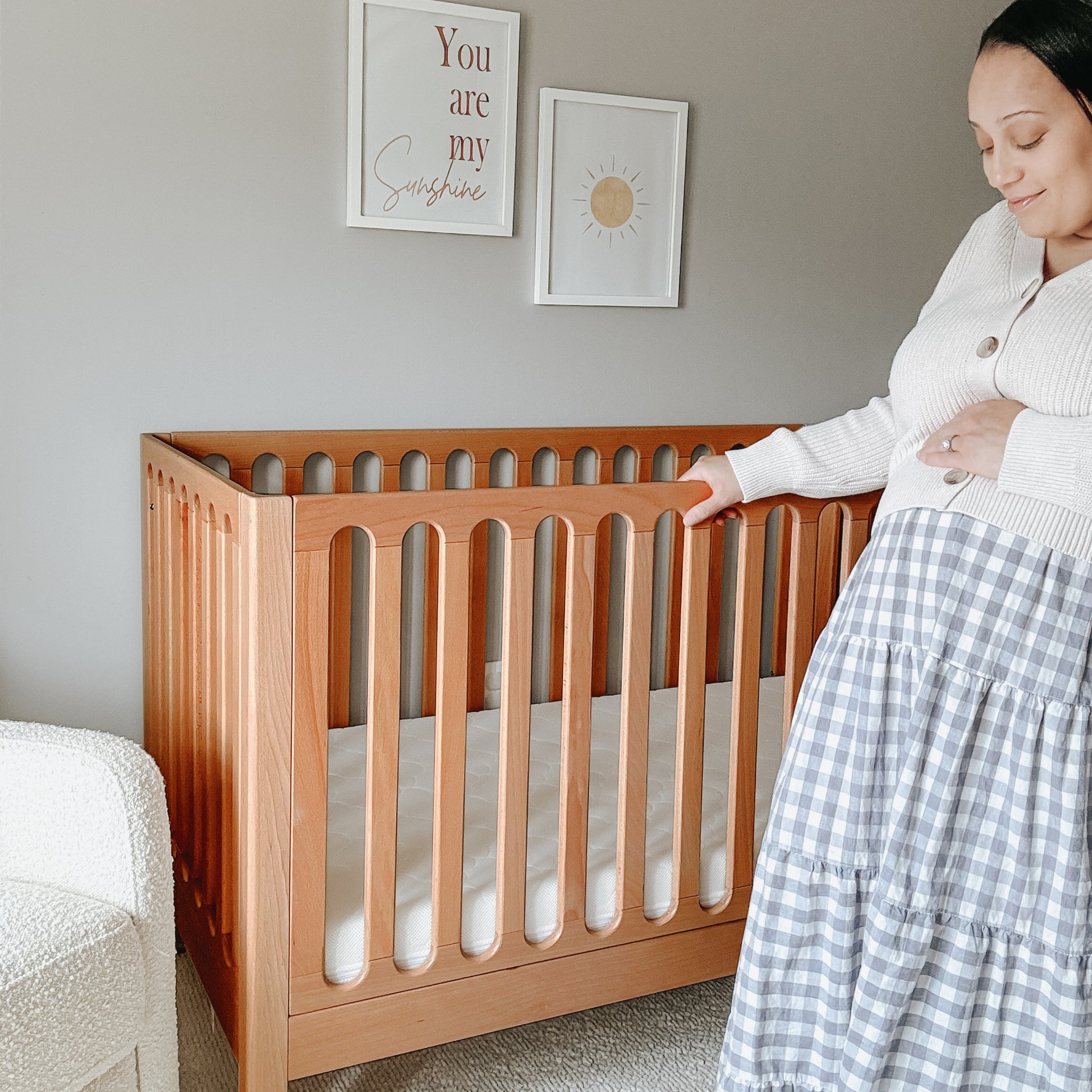
Deciding when to start using a toddler bed is an important step in your child’s growth. It marks the move from a crib to a bigger bed. This change helps your child feel more independent and comfortable. Every child is different, so watch for signs that show readiness. The right timing makes the transition smooth and safe.
Signs Your Child Is Ready
Look for your child trying to climb out of the crib. This shows they may need a safer sleep space. If your child asks for a “big kid” bed, that is a clear sign. Notice if they can follow simple instructions and stay in bed all night. These behaviors mean your child is ready to try a toddler bed.
Age Range For Transition
Most children move to a toddler bed between 18 months and 3 years old. Some may need to stay in a crib longer for safety. Others want to switch earlier because they outgrow the crib. Use your child’s growth and behavior to guide the timing. Each child’s needs are unique and should be respected.
Credit: www.laybabylay.com
Typical Duration In A Toddler Bed
Understanding how long your child stays in a toddler bed helps plan their sleep space. This phase bridges the crib and the big kid bed. It suits toddlers who need safety but want more freedom. The typical duration varies. Many parents wonder what to expect during this stage.
Average Length Of Use
Most toddlers use a toddler bed from about 1 to 3 years. Usually, children start between 18 months and 2 years old. Many switch to a bigger bed around ages 3 to 5. The exact time depends on the child’s growth and readiness. This range offers flexibility for families.
Factors Influencing Duration
Several things affect how long toddlers stay in their beds. Physical growth plays a big role—once the bed feels small, it’s time to change. Comfort matters; some kids want more space to move. Safety is key; toddlers who climb out of the bed may need a new option. Personal habits and sleep patterns also influence timing. Each child is unique, so parents adapt to these signs.
Safety Tips For Toddler Beds
Keeping toddlers safe during bedtime is very important. Toddler beds help kids transition from cribs to regular beds. Safety tips make sure this change is smooth and secure.
Choosing The Right Bed
Select a toddler bed with sturdy rails. The rails stop your child from rolling off. Check that the bed is low to the floor. This reduces injury if your child falls out. Avoid beds with sharp edges or loose parts. Choose a bed that fits your child’s size well. Safety certifications show the bed meets standards.
Preventing Falls And Injuries
Place the toddler bed away from windows and furniture. Use a soft rug beside the bed to cushion any falls. Teach your child to climb in and out safely. Keep small toys or objects off the bed. This prevents choking hazards. Regularly check the bed for loose screws or damage. Fix problems right away to keep the bed safe.

Credit: blog.bestbuy.ca
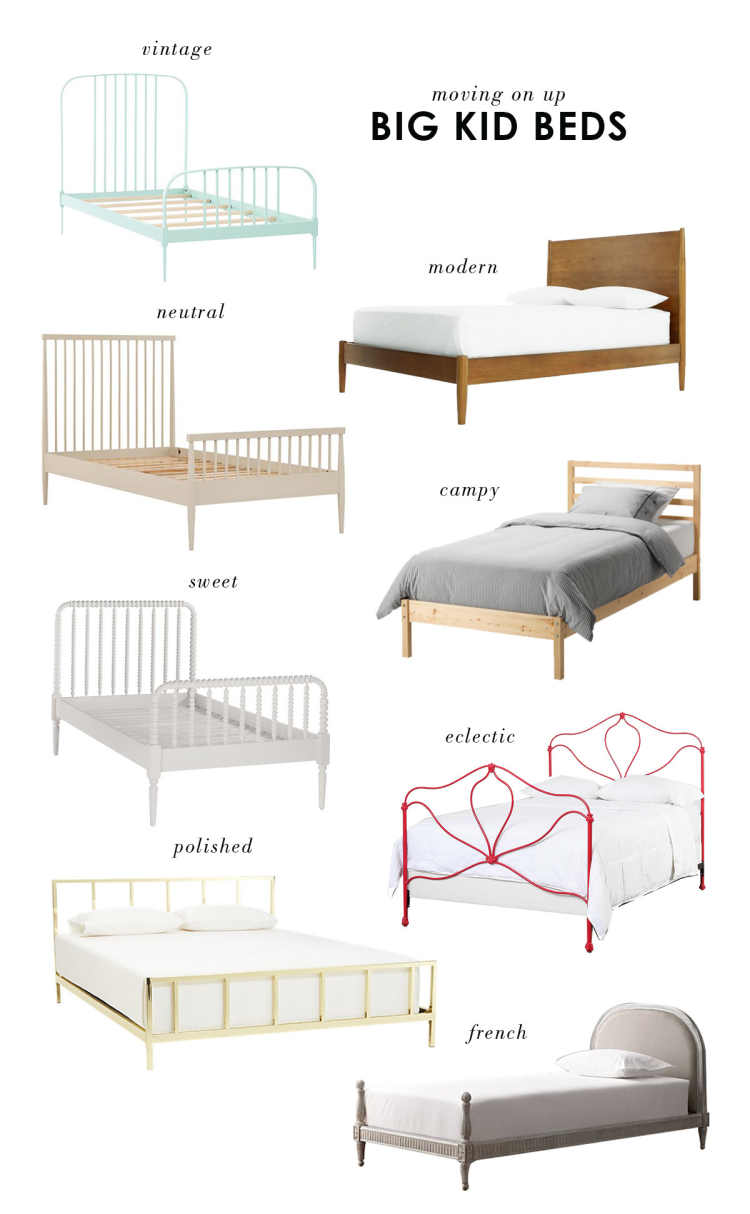
Signs To Move To A Big Kid Bed
Knowing when to move your child from a toddler bed to a big kid bed is important. It helps keep them safe and comfortable. Some clear signs show your child is ready for the change. Watch for these clues to make the transition smooth and timely.
Outgrowing The Toddler Bed
Your child may become too tall or too big for the toddler bed. Their feet might hang off the edge or the bed may feel cramped. If they start to climb out often, the bed might be too small. This can be unsafe and cause falls. A bigger bed gives more space to move and sleep well.
Behavioral Indicators
Children often show they are ready for a big kid bed through their actions. They might ask for a “big bed” like their older siblings. Some children resist the toddler bed or try to sleep elsewhere. They may also want more freedom at bedtime. These behaviors suggest they feel ready for a change. Paying attention helps support their growing independence.
Making The Transition Smooth
Changing from a crib to a toddler bed is a big step for your child. A smooth change helps your child feel safe and happy. Take time to prepare and set up the new bed carefully. This makes the move easier and less scary for your little one.
Preparing Your Child
Talk to your child about the new bed. Use simple words and explain why the change is good. Let your child see and touch the bed before sleeping there. Read books or watch videos about moving to a toddler bed. Praise your child for being brave and ready.
Setting Up The New Bed
Place the bed in a cozy, quiet spot in the room. Use soft blankets and favorite pillows to make it inviting. Keep the room dark but safe with a nightlight. Remove any sharp or dangerous items nearby. Make bedtime routines calm and steady to help your child relax.
Common Challenges And Solutions
Moving your child to a toddler bed brings new challenges. Parents often face bedtime resistance and nighttime escapes. Understanding these issues helps you handle them calmly and effectively. This section covers common problems and easy solutions.
Dealing With Bedtime Resistance
Toddlers may refuse to go to bed in their new bed. They want to stay up and play or seek your attention. Set a clear bedtime routine. Keep it consistent and calm every night. Use simple words to explain bedtime rules. Praise your child when they follow the routine. Avoid long talks or arguments at bedtime. A quiet, cozy room helps your toddler feel safe and ready to sleep.
Handling Nighttime Escapes
Some toddlers get out of bed during the night. They might feel scared or just curious. Place a baby gate in the doorway to keep them safe. Use a nightlight to reduce fear of the dark. Teach your child to stay in bed by giving gentle reminders. If your toddler comes out, calmly take them back to bed. Avoid making it a game or giving too much attention. Consistency is key to stopping nighttime wandering.
Frequently Asked Questions
How Long Do Toddlers Typically Stay In Toddler Beds?
Toddlers usually stay in toddler beds from ages 2 to 5 years. This depends on their size and comfort. Transition timing varies by child’s readiness and safety needs.
When Should You Switch From A Toddler Bed To A Big Bed?
Switch when your child outgrows the toddler bed or climbs out safely. Usually, this occurs around 4 to 5 years old. Safety and comfort guide this decision.
Can A Toddler Bed Fit Children Over 5 Years Old?
Toddler beds are generally designed for children up to 5 years. Larger kids may find the bed too small or unsafe. Upgrading to a twin bed is often better.
What Signs Show A Toddler Is Ready To Leave Their Bed?
Signs include climbing out frequently, outgrowing bed length, or showing interest in a bigger bed. Safety concerns and comfort issues signal readiness to switch.
Conclusion
Choosing how long your child stays in a toddler bed depends on their growth and comfort. Most kids use it from about 18 months to 5 years old. Watch for signs they need a bigger bed, like outgrowing space or climbing out.
Safety matters, so switch when they show readiness. Every child is different, so trust your judgment. Keeping your little one cozy helps them sleep well. That’s what truly counts.