Have you ever looked at an old gun case and wondered if it could be something more? What if you could turn that sturdy, unique piece into a stylish bookshelf that adds character to your space?
Making a bookshelf out of a gun case is easier than you think, and it’s a great way to recycle and create something truly one-of-a-kind. In this guide, you’ll discover simple steps to transform your gun case into a practical and eye-catching shelf.
Ready to give your room a fresh look and show off your creativity? Keep reading—you won’t want to miss these tips!

Credit: americansecuritysafes.com
Choosing The Right Gun Case
Choosing the right gun case is the first step to making a sturdy and attractive bookshelf. The case acts as the main frame and support. Picking a suitable case helps ensure your project lasts long and looks good. Consider several key factors before starting.
Material Considerations
Gun cases come in many materials. Hard plastic cases offer strong support and protect well. Wood or metal cases add character and style. Soft cases are less durable and not ideal for shelves. Choose a material that fits your room’s look and holds weight firmly.
Size And Shape Options
The size of the gun case affects the shelf’s size. Long, narrow cases create slim shelves perfect for small spaces. Wider cases offer more storage and display room. Think about the space where you want the bookshelf. Pick a shape that fits the area and your needs.
Condition And Durability
Check the gun case for damage before starting. Cracks or weak spots can cause the shelf to fail. Cases made from strong materials last longer and hold more weight. Clean and repair any damage to ensure the shelf is safe and sturdy.
Gathering Essential Tools And Materials
Before starting your project to make a bookshelf from a gun case, gather all the essential tools and materials. Having everything ready saves time and keeps the work smooth. It helps to avoid interruptions and frustration during the building process.
This step ensures you have the right items for cutting, assembling, and finishing the bookshelf. Below are the basic tools, extra supplies, and safety gear you will need.
Basic Tools Needed
Start with a tape measure to get exact dimensions. A pencil helps mark cutting lines on the gun case. Use a screwdriver or drill for screws and fasteners. A saw, such as a jigsaw or handsaw, is essential for cutting the case and shelves. Sandpaper or a power sander smooths rough edges. Clamps keep pieces steady while working.
Additional Supplies
Wood glue strengthens joints between parts. Screws or small nails help secure shelves. Paint or wood stain improves the look of your bookshelf. Brushes or rags apply finish evenly. Felt pads protect surfaces where the bookshelf will sit. Optional decorative hardware adds style and function.
Safety Equipment
Wear safety glasses to protect eyes from dust and debris. Use work gloves to avoid splinters and cuts. A dust mask keeps you from breathing in sawdust. Hearing protection helps during loud cutting or drilling. Always work in a well-ventilated area for safety.
Preparing The Gun Case
Preparing the gun case is the first step in turning it into a unique bookshelf. This process makes sure the case is clean, smooth, and ready for use. Taking time here helps your finished shelf look great and last long.
Cleaning And Stripping
Start by cleaning the outside and inside of the gun case. Use a mild soap and warm water to remove dirt and dust. A soft cloth works best to avoid scratches. Remove any stickers or labels carefully. If the case has a finish or paint, use a paint stripper to remove it. This step helps the new paint or stain stick better.
Removing Internal Components
Open the gun case and take out any padding, foam, or dividers inside. These parts are not needed for the bookshelf. Use a screwdriver or pliers if screws or nails hold them in place. Removing all internal pieces creates a clean space for your books. Check for any small parts or hardware and keep them aside if needed later.
Sanding And Smoothing Surfaces
Sand all surfaces of the gun case using medium-grit sandpaper. This removes rough spots and old paint residue. Follow with fine-grit sandpaper for a smooth finish. Focus on edges and corners to avoid sharp areas. Wipe the dust off with a damp cloth. Smooth surfaces make painting or staining easier and improve the shelf’s look.
Designing The Bookshelf Layout
Designing the bookshelf layout is an important step for your gun case project. It helps you use space well and keep things organized. A good layout makes the bookshelf both useful and nice to look at.
Careful planning will guide how you cut and place shelves. It also shapes how the finished piece fits in your room. Focus on size, placement, and style to create a balanced design.
Determining Shelf Dimensions
Start by measuring the inside of the gun case. Note the length, width, and height carefully. Decide how tall each shelf should be based on your books.
Think about the size of your largest books. Make shelves a bit taller than those books. Keep the shelves strong enough to hold the weight.
Planning Shelf Placement
Arrange shelves to allow easy access to your books. Place some shelves closer for small books and others wider for tall ones. Leave space for decorations or small objects.
Try to balance the shelf spaces evenly. Avoid crowding one side or leaving too much empty space.
Incorporating Decorative Elements
Add simple decorations to make the shelf unique. Use small plants, photos, or ornaments that fit inside the gun case. Keep decorations light to avoid damaging the shelves.
Choose colors and styles that match your room. These details make the bookshelf more than just storage.
Constructing The Shelves
Constructing the shelves inside a gun case turns it into a unique bookshelf. This step needs precision and care. You will create strong and even shelves to hold your books safely. Let’s break down the process into simple steps.
Cutting Shelf Boards
Measure the inside width and depth of the gun case first. Choose wood boards that fit well inside the case. Use a saw to cut the boards to the right size. Make sure the edges are smooth to avoid splinters. Cutting accurately keeps the shelves even and stable.
Attaching Shelves Inside The Case
Mark the spots where you want the shelves to go. Use a drill or screwdriver to fix brackets or supports inside. Place the boards on the supports carefully. Check that each shelf sits flat and level. Secure the shelves tightly to prevent movement.
Reinforcing For Stability
Add extra supports under the shelves for strong hold. Use corner braces or small wooden blocks at the edges. Tighten screws firmly to keep everything in place. Reinforcement stops shelves from sagging under heavy books. This step ensures your bookshelf lasts a long time.
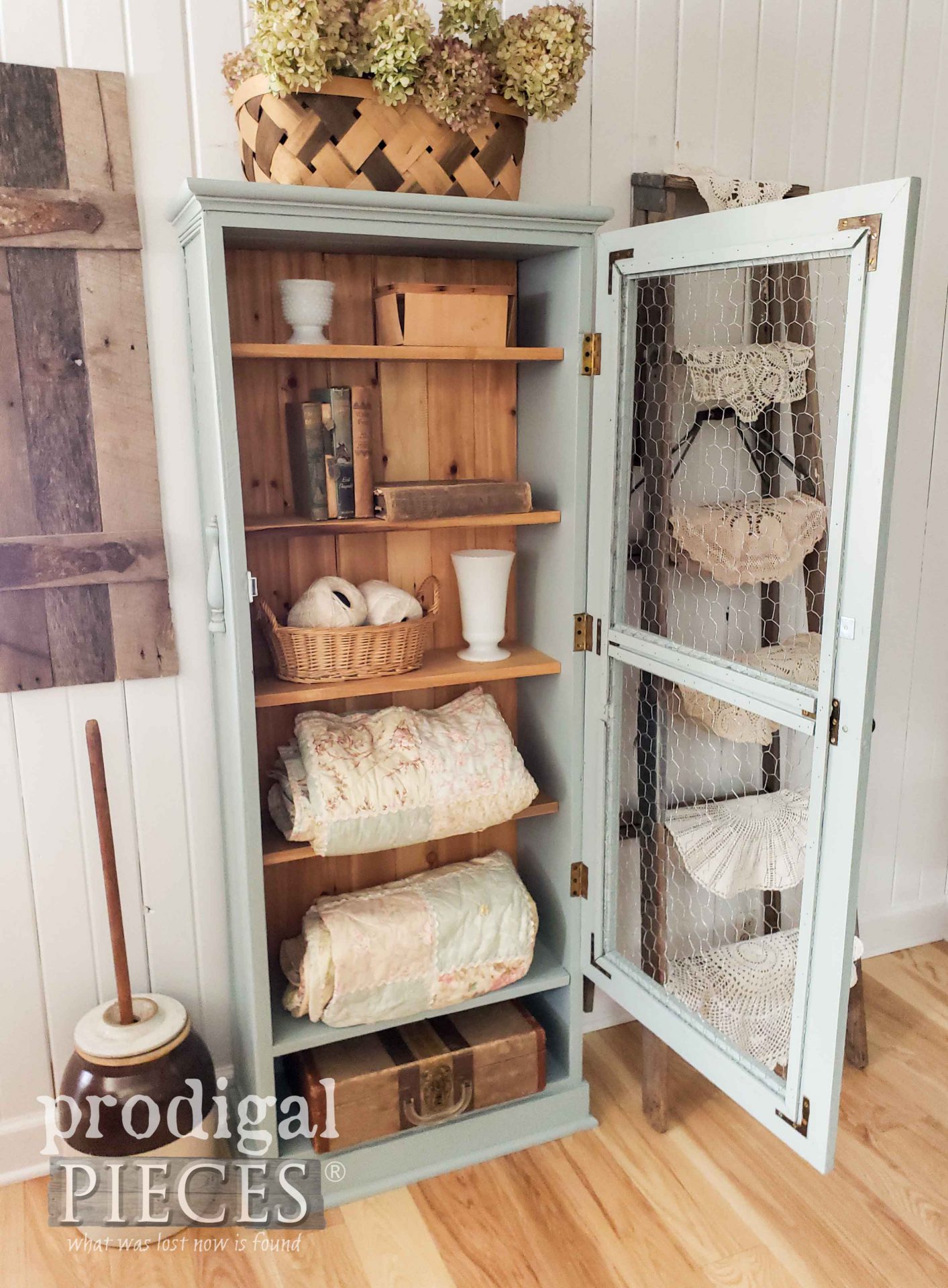
Credit: prodigalpieces.com
Finishing Touches
Finishing touches are the key to making your gun case bookshelf look great and last long. These final steps add style and protect your work. Take your time to choose the right finishes and hardware. Small details can make a big difference in the final look and feel of your shelf.
Painting And Staining
Choose paint or stain that fits your room’s style. Paint gives bold, solid colors. Stain shows the wood’s natural grain and adds warmth. Use thin, even coats for best results. Let each coat dry fully before adding another. Light sanding between coats helps smooth the surface.
Adding Handles Or Hardware
Handles or hardware improve function and style. Pick handles that match your shelf’s look. Metal handles create a modern feel. Wooden knobs add a classic touch. Attach hardware firmly to avoid wobbling. Test the grip to ensure comfort and ease of use.
Protective Coating
A protective coat shields your shelf from scratches and spills. Use clear polyurethane or varnish for strong protection. Apply with a clean brush in thin layers. Allow each layer to dry before applying the next. A smooth finish keeps the shelf looking new longer.
Displaying And Organizing Books
Displaying and organizing books in a gun case bookshelf offers a unique way to showcase your collection. It turns a simple storage space into an eye-catching feature. Proper organization helps you find books fast and keeps the shelf neat.
Arranging Books Creatively
Place books by color or size to create visual interest. Mix vertical stacks with horizontal piles to add variety. Use some space for special editions or favorite titles. This method makes your shelf look dynamic and inviting.
Using Additional Storage
Use small boxes or trays inside the gun case for bookmarks or small items. Add hooks on the sides to hang keys or reading glasses. This extra storage keeps things tidy and easily reachable.
Maintaining The Bookshelf
Dust your bookshelf regularly to protect books from dirt. Check for signs of wear on the gun case and fix any damage. Keep books away from direct sunlight to avoid fading. Regular care helps the shelf last longer and stay attractive.

Credit: murphydoor.com
Frequently Asked Questions
What Materials Are Needed To Make A Bookshelf From A Gun Case?
You need a sturdy gun case, wood screws, brackets, sandpaper, paint or stain, and mounting hardware. These materials ensure durability and aesthetic appeal for your bookshelf.
How Do You Prepare A Gun Case For Bookshelf Conversion?
Clean the gun case thoroughly and remove internal padding. Sand the surface to smooth rough edges before painting or staining to achieve a polished look.
Can A Gun Case Bookshelf Hold Heavy Books?
Yes, if reinforced properly with strong brackets and secure mounting, a gun case bookshelf can hold heavy books safely. Stability depends on proper construction.
How Long Does It Take To Build A Gun Case Bookshelf?
Building a gun case bookshelf typically takes 2 to 4 hours. Time depends on skill level and drying time for paint or stain.
Conclusion
Making a bookshelf from a gun case is simple and creative. It saves money and gives a unique look to your room. You can organize books, tools, or decorations easily. The project does not need many tools or skills. Just follow the steps carefully and take your time.
This idea fits well in small spaces or rooms with a rustic style. Try it yourself and enjoy a new, useful piece of furniture. A gun case can have a second life as a stylish bookshelf.