Looking for a fun and affordable way to organize your space? Making a bookshelf out of cardboard might be just what you need.
Imagine creating a sturdy, custom shelf without spending a lot of money or needing special tools. You can turn simple cardboard into something practical and stylish, perfect for your books, decor, or even small plants. Keep reading, and you’ll discover easy steps to build your own bookshelf that fits your space and style perfectly.
Ready to get started? Let’s dive in!

Credit: www.youtube.com
Materials Needed
Building a bookshelf from cardboard is a fun and easy project. The right materials make the process smooth and successful. Gather everything before you start to avoid interruptions. This section covers the essential materials needed for the project.
Choosing The Right Cardboard
Select sturdy cardboard with strong layers. Double-walled cardboard works best for shelves. Avoid thin or damaged pieces that may bend. Large sheets help create bigger shelves with fewer joints. Check for clean, flat surfaces to make cutting easier. Corrugated cardboard offers strength and durability for your bookshelf.
Additional Tools And Supplies
Besides cardboard, you need a sharp utility knife or box cutter. A metal ruler helps make straight cuts. Use a pencil to mark measurements on the cardboard. Hot glue or strong adhesive secures pieces firmly. Sandpaper smooths rough edges for a neat finish. Optional: paint or decorative paper to personalize your shelf.
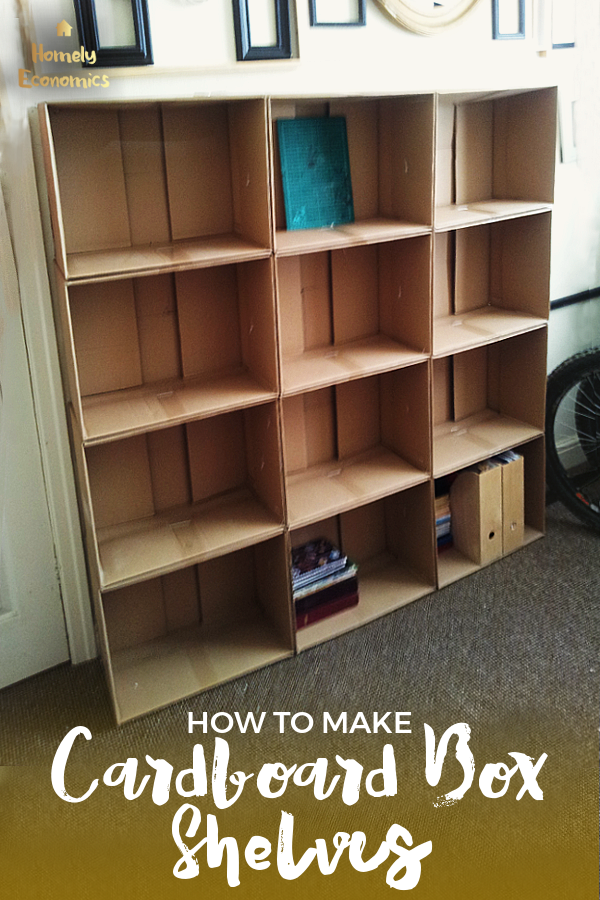
Credit: homelyeconomics.com
Planning Your Bookshelf
Planning your cardboard bookshelf is the first step to success. Careful planning saves time and materials. It helps you create a sturdy and useful shelf. Think about where you want to place the shelf. Understand the space and what items will go on it.
Measuring Space And Dimensions
Start by measuring the area for the bookshelf. Use a tape measure for accuracy. Note the height, width, and depth. Measure the wall space and floor area. Consider any obstacles like sockets or vents. Write down the exact numbers. These measurements guide your design. Keep in mind the size of your books and items.
Designing The Structure
Choose a design that fits your space and needs. Decide how many shelves you want. Think about the weight each shelf will hold. Plan the thickness of the cardboard layers. Stronger shelves need more layers or support. Sketch your bookshelf on paper. Mark all dimensions and shelf positions. Use simple shapes like rectangles and squares. This helps in cutting and assembling. A clear design prevents mistakes later.
Cutting Cardboard Pieces
Cutting cardboard pieces is a key step in making a sturdy bookshelf. Precise cuts help parts fit well together. This makes your bookshelf strong and neat. Take your time to cut carefully. Use the right tools and follow safety tips.
Marking Measurements
Start by measuring the cardboard accurately. Use a ruler or measuring tape for straight lines. Mark the length and width with a pencil. Double-check the marks before cutting. Clear and exact lines guide your cuts perfectly.
Mark all pieces needed for the bookshelf. Label each piece to avoid confusion later. This simple step saves time and effort.
Safe Cutting Techniques
Choose a sharp utility knife or box cutter for clean cuts. Cut on a flat, stable surface. Use a cutting mat to protect your table. Hold the cardboard firmly but not too tight. Cut slowly along the marked lines.
Keep fingers away from the blade path. Change blades if they get dull. This reduces the risk of accidents and makes cutting easier. Take breaks if your hands get tired.
Assembling The Frame
Assembling the frame is the key step to build a sturdy cardboard bookshelf. A strong frame holds all shelves and books safely. This part needs careful attention and patience.
Start by preparing all cardboard panels. Arrange them by size and shape. Follow your design or plan closely. Take your time to keep everything aligned well. A neat frame means a better finished shelf.
Joining Panels Securely
Use strong glue or hot glue to join panels. Apply glue evenly along edges for a firm bond. Press panels together and hold until dry. Tape can help keep panels in place while drying.
Overlap edges slightly for extra strength. Avoid gaps or loose joints. Secure joins make the frame durable and safe to use.
Reinforcing Corners And Edges
Corners and edges face the most stress. Reinforce them with extra cardboard strips or corner braces. Glue these strips tightly along edges and corners.
Use folded cardboard pieces to add thickness. This prevents bending or collapsing. Check every corner for weak spots and fix them.
Adding Shelves
Adding shelves is an important step in making your cardboard bookshelf strong and useful. Shelves hold your books and other items, so they must fit well and stay in place. This section explains how to position shelf supports and secure shelves firmly. Follow these steps carefully for a sturdy shelf.
Positioning Shelf Supports
Start by measuring the height you want for each shelf. Mark these spots on the inside walls of the bookshelf. Use strong cardboard strips as shelf supports. Cut them to the right length to fit the width of the shelf. Attach the supports evenly on both sides. Make sure they are level and straight. Proper placement helps the shelves carry weight without bending.
Securing Shelves In Place
Place the cardboard shelf on the supports carefully. Check if it sits flat and stable. Use glue to fix the shelf to the supports. Press the shelf firmly until the glue dries. For extra strength, add small strips of cardboard under the shelf edges. This prevents sagging and keeps the shelf steady. Secure shelves help your bookshelf last longer and hold more items safely.

Credit: www.instructables.com
Finishing Touches
Adding the final touches makes your cardboard bookshelf look neat and strong. These steps help improve both the look and the feel. A well-finished shelf lasts longer and fits better in any room.
Smoothing Edges
Cut cardboard edges can be rough and sharp. Use fine sandpaper to smooth all edges gently. This prevents paper from peeling and stops scratches. Take your time and check every corner carefully. A smooth edge gives a clean, professional look.
Decorating And Painting
Decorate your shelf to match your style. Use acrylic paint for bright, lasting colors. Apply thin layers and let each dry fully. You can also add patterns or use stencils for design. For extra protection, finish with a clear coat. This makes the shelf easy to clean and more durable.
Tips For Durability
Building a bookshelf from cardboard is fun and creative. To keep it strong and lasting, follow some durability tips. Cardboard alone can be weak, so extra care is needed. Protecting it from water and knowing its weight limits help a lot. These ideas make your bookshelf sturdy and useful for a long time.
Waterproofing Options
Cardboard gets soft and breaks if it gets wet. Use a clear sealant spray to stop water damage. Paint the cardboard with waterproof paint for extra protection. Cover the surface with clear tape to block moisture. Keep the shelf away from humid places. These steps help your bookshelf last longer.
Weight Limits And Usage
Cardboard shelves can hold only light to medium weight items. Books that are too heavy can cause bending or collapsing. Place heavier books near the bottom for better support. Avoid putting too many items on one shelf. Test the shelf by adding weight slowly. This helps you know its real limit. Use the shelf for lightweight objects like notebooks or small decor.
Frequently Asked Questions
How Durable Is A Cardboard Bookshelf?
A cardboard bookshelf is moderately durable for light to medium use. It supports small to medium-sized books well. However, avoid placing heavy items or exposing it to moisture to maintain its structure and longevity.
What Materials Are Needed To Make A Cardboard Bookshelf?
You need sturdy cardboard sheets, a cutting tool, ruler, pencil, glue, and tape. Optional materials include paint or decorative paper for finishing. Using strong, double-layered cardboard increases the shelf’s stability and durability.
How Do I Ensure Stability In A Cardboard Bookshelf?
Reinforce joints with strong glue and tape. Use double or triple layers of cardboard on shelves. Adding internal support beams or braces enhances strength and prevents sagging or collapsing over time.
Can I Customize The Size Of My Cardboard Bookshelf?
Yes, cardboard is easy to cut and shape. Measure your space first, then cut pieces to your desired dimensions. Custom sizes help fit your bookshelf perfectly in any room or corner.
Conclusion
Making a bookshelf from cardboard is simple and fun. You only need a few materials and some patience. This project saves money and helps the environment by recycling. You can customize the size and design to fit your space. It also adds a personal touch to your room.
Try this DIY idea to organize your books easily. Cardboard shelves are light but strong enough for many items. Give it a try, and enjoy your new, handmade bookshelf!