Are you looking for a unique way to organize your books and add a stylish touch to your space? Making a bookshelf out of pipes is a creative and affordable solution that anyone can try.
Imagine having a sturdy, industrial-looking shelf that stands out and fits perfectly in your home. In this guide, you’ll discover simple steps to build your own pipe bookshelf, even if you’re not a DIY expert. Ready to transform your room and impress your guests?
Let’s dive in and make your dream bookshelf a reality!

Credit: thecavenderdiary.com
Materials Needed
Building a bookshelf out of pipes is a fun project. You need the right materials to make it sturdy and stylish. Choosing the correct pipes, wood, and tools helps the building process. This section explains all materials needed for a pipe bookshelf.
Gathering everything before starting saves time and avoids frustration. Let’s explore the types of pipes, wood choices, tools, and extra hardware needed.
Types Of Pipes
Black steel pipes are popular for industrial style shelves. They are strong and easy to find. Galvanized pipes resist rust and last long. Copper pipes offer a unique look but cost more. Choose pipe size based on shelf weight and space.
Wood Selection
Wood boards form the shelves in your project. Pine wood is affordable and easy to cut. Oak wood is hard and durable but heavier. Plywood is a budget-friendly option with smooth surfaces. Pick wood thickness that holds your books well.
Tools Required
You need a drill to make holes for screws. A pipe wrench helps tighten pipe joints firmly. A saw cuts wood to the right size. A measuring tape ensures correct pipe and wood lengths. Sandpaper smooths wood edges for safety.
Additional Hardware
Screws and anchors secure wood shelves to pipes. Flanges connect pipes to walls or floors. Thread seal tape prevents pipe leaks and loosening. Wood stain or paint adds color and protects wood. Rubber pads stop shelves from slipping.
Design Planning
Design planning is the first step in making a bookshelf out of pipes. It helps organize your ideas and ensures the final product fits well in your space. Careful planning prevents mistakes and saves time and money.
Measuring Space
Start by measuring the wall or area where the bookshelf will go. Note the height, width, and depth available. Measure twice to avoid errors. Consider nearby furniture and room flow. Leave some extra space for comfort.
Sketching The Layout
Draw a simple sketch of your bookshelf design. Include pipes and shelves in your drawing. Mark the positions of supports and shelves clearly. Use graph paper or digital tools for accuracy. This helps visualize the final look and spot problems early.
Choosing Shelf Dimensions
Decide on the shelf length, width, and thickness. Make shelves wide enough for your books and items. Choose pipe sizes that support the shelf weight. Balance strength and style. Keep shelf heights flexible for different book sizes.
Cutting And Preparing Pipes
Cutting and preparing pipes is a key step in building a sturdy bookshelf from pipes. Proper preparation ensures pipes fit well and hold the shelves securely. This process requires careful measuring, accurate cutting, and thorough cleaning. Follow each step carefully to get the best results.
Measuring And Marking
Start by measuring the length of each pipe needed for the bookshelf. Use a tape measure for accuracy. Mark the cutting points clearly with a permanent marker. Double-check measurements before cutting to avoid mistakes. Mark all pipes to keep the project organized.
Cutting Techniques
Use a pipe cutter or a hacksaw to cut the pipes. A pipe cutter gives a cleaner and straighter cut. Cut slowly and steadily to avoid rough edges. Wear safety goggles to protect your eyes from metal shards. Smooth cuts help the pipes fit better during assembly.
Cleaning And Finishing Pipes
Remove any metal burrs or sharp edges with a metal file. Wipe the pipes with a damp cloth to remove dust and dirt. Dry them completely to prevent rust. Apply a coat of paint or sealant if desired for a polished look. Clean pipes improve both safety and appearance.
Preparing Wooden Shelves
Preparing wooden shelves is a key step in making a bookshelf out of pipes. Well-prepared shelves fit perfectly and hold weight safely. Take your time to measure and finish the wood carefully. This ensures a sturdy and attractive bookshelf.
Cutting Wood To Size
Start by measuring the length and width needed for each shelf. Use a tape measure for accuracy. Mark the wood with a pencil where you will cut. A saw works best for straight, clean cuts. Cut slowly and steadily to avoid splinters or mistakes. Each shelf should match the pipe frame dimensions exactly.
Sanding And Finishing
After cutting, smooth all edges with sandpaper. Sanding removes rough spots and splinters. Use medium-grit sandpaper first, then fine-grit for a smooth finish. Wipe the dust off with a clean cloth. Apply a wood finish like varnish or paint to protect the wood. This step improves the look and durability of your shelves.
Drilling Holes
Mark the spots where the pipes will connect to the shelves. Use a drill with the correct bit size for your pipe fittings. Drill holes carefully to avoid cracking the wood. Make sure holes are straight and clean. These holes allow the pipes to fit snugly and hold the shelves in place securely.
Assembling The Bookshelf
Assembling the bookshelf is the exciting part where all pieces come together. It requires careful steps to ensure a strong, practical shelf. Follow clear instructions to build a sturdy frame. Take your time to avoid mistakes.
Connecting Pipes And Fittings
Start by joining the pipes and fittings. Use a wrench to tighten connections firmly. Make sure pipes fit well into the fittings. Avoid over-tightening to prevent damage. Check each joint for a secure hold. The frame shape depends on correct pipe placement.
Attaching Shelves
Place wooden shelves onto the pipe frame. Align shelves evenly for a neat look. Use screws or brackets to fix shelves in place. Secure shelves on all corners to prevent slipping. Check shelf level with a small tool. Proper attachment keeps books safe and stable.
Ensuring Stability
Test the bookshelf by gently shaking it. Add extra supports if it feels wobbly. Use wall anchors or brackets for safety. Tighten all pipe joints again before use. Stability is key for holding heavy books well. A firm shelf lasts longer and works better.
Finishing Touches
Finishing touches make your pipe bookshelf look complete and polished. These final steps protect your work and add style. Small details help your shelf last longer and fit your space well.
Painting Or Staining
Painting or staining the pipes and wood changes the whole look. Use spray paint for pipes to get smooth, even coverage. Choose colors that match your room or make the shelf stand out. Staining wood brings out its natural grain and gives warmth. Always let paint or stain dry fully before using the shelf.
Adding Protective Pads
Protect your floor and shelf by adding pads under the pipes. Felt pads stop scratches and keep the shelf steady. Rubber pads work well on slippery floors. These small additions prevent damage and make moving the shelf easier. Attach pads to the bottom of each pipe leg carefully.
Decorative Options
Decorate your bookshelf to match your style. Wrap pipes with twine or rope for a rustic look. Attach small hooks to pipes for hanging plants or lights. Use decorative brackets or metal accents for an industrial feel. These details make your shelf unique and attractive.
Maintenance Tips
Maintaining a bookshelf made from pipes keeps it strong and looking good. Simple care helps prevent damage and extends its life. Follow these easy maintenance tips to keep your pipe bookshelf in top shape.
Cleaning Guidelines
Dust the pipes and shelves regularly using a soft cloth. Avoid harsh chemicals that can damage the metal finish. Use a mild soap and water mix for deeper cleaning. Dry the pipes fully after cleaning to stop rust from forming.
Checking For Wear
Look at the pipes and joints often for signs of rust or damage. Small rust spots can be fixed with sandpaper and a rust-resistant paint. Check wooden shelves for cracks or warping. Replace any worn parts to keep your shelf safe.
Tightening Connections
Check all pipe connections every few months. Use a wrench to tighten any loose joints. Loose connections make the shelf unstable and unsafe. Make sure all screws and bolts are secure to support the weight of your books.
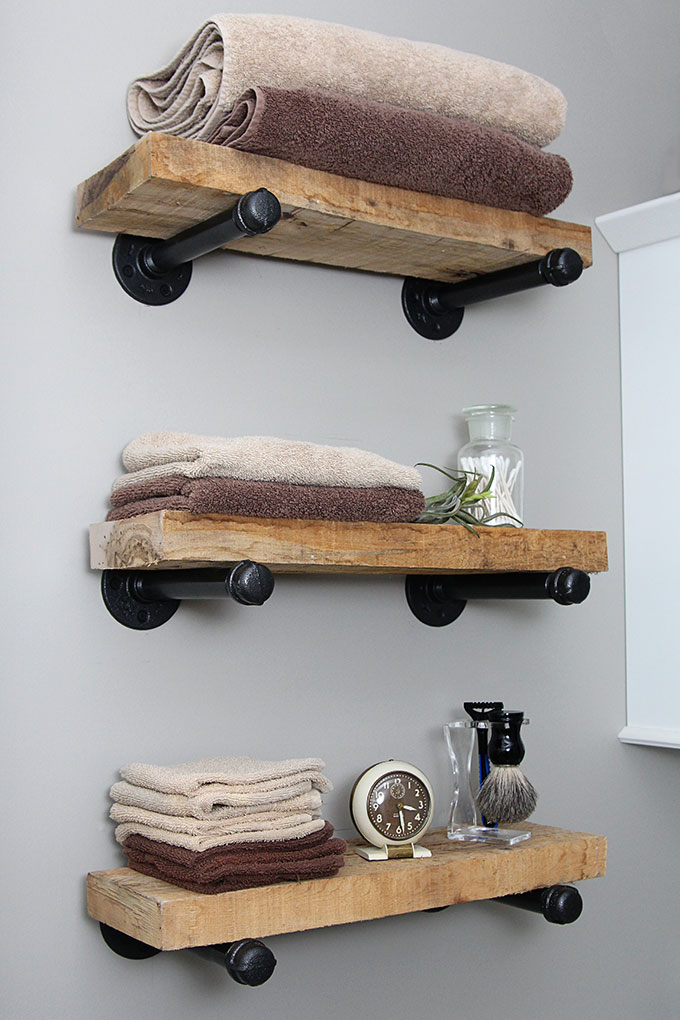
Credit: www.houseofhawthornes.com
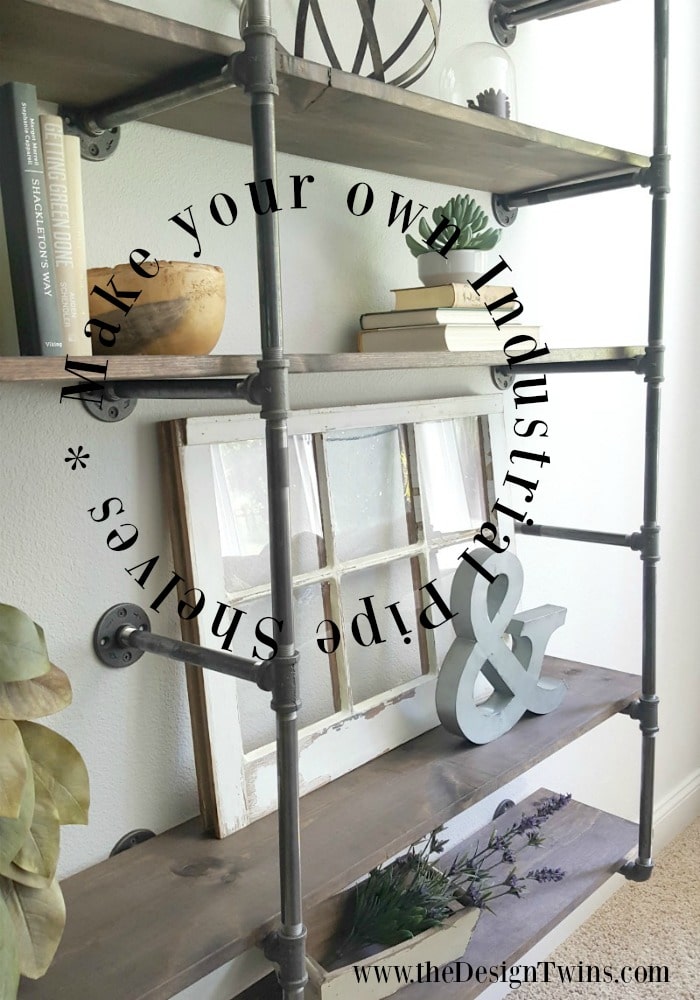
Credit: thedesigntwins.com
Frequently Asked Questions
What Materials Do I Need To Build A Pipe Bookshelf?
You need metal pipes, pipe fittings, wooden boards, screws, a drill, and a wrench. These materials are easy to find at hardware stores and essential for a sturdy bookshelf.
How Do I Ensure My Pipe Bookshelf Is Stable?
Use strong pipe fittings and secure the bookshelf to the wall. Properly tighten all connections and choose thick wooden boards to support weight.
Can I Customize The Size Of The Pipe Bookshelf?
Yes, you can customize size by adjusting pipe length and board dimensions. This flexibility allows you to fit the bookshelf in any space.
Is It Safe To Make A Bookshelf From Pipes?
Yes, making a bookshelf from pipes is safe if you use quality materials and secure connections. Always check stability before placing heavy items.
Conclusion
Building a bookshelf with pipes is simple and fun. You only need a few materials and some basic tools. This project adds a unique look to any room. It also saves money compared to store-bought shelves. You can customize the size and shape to fit your space.
Try different pipe finishes for a personal touch. Enjoy your new, sturdy bookshelf that holds your favorite books. Start your project today and see how easy it is!