Are you thinking about creating a bunk bed that fits your space perfectly and looks great too? Designing your own bunk bed can save you money and give you a unique piece that matches your style.
Whether you want something simple or a bit more creative, this guide will walk you through every step. By the end, you’ll have the confidence to build a bunk bed that’s safe, sturdy, and exactly what you imagined. Let’s get started and turn your idea into reality!
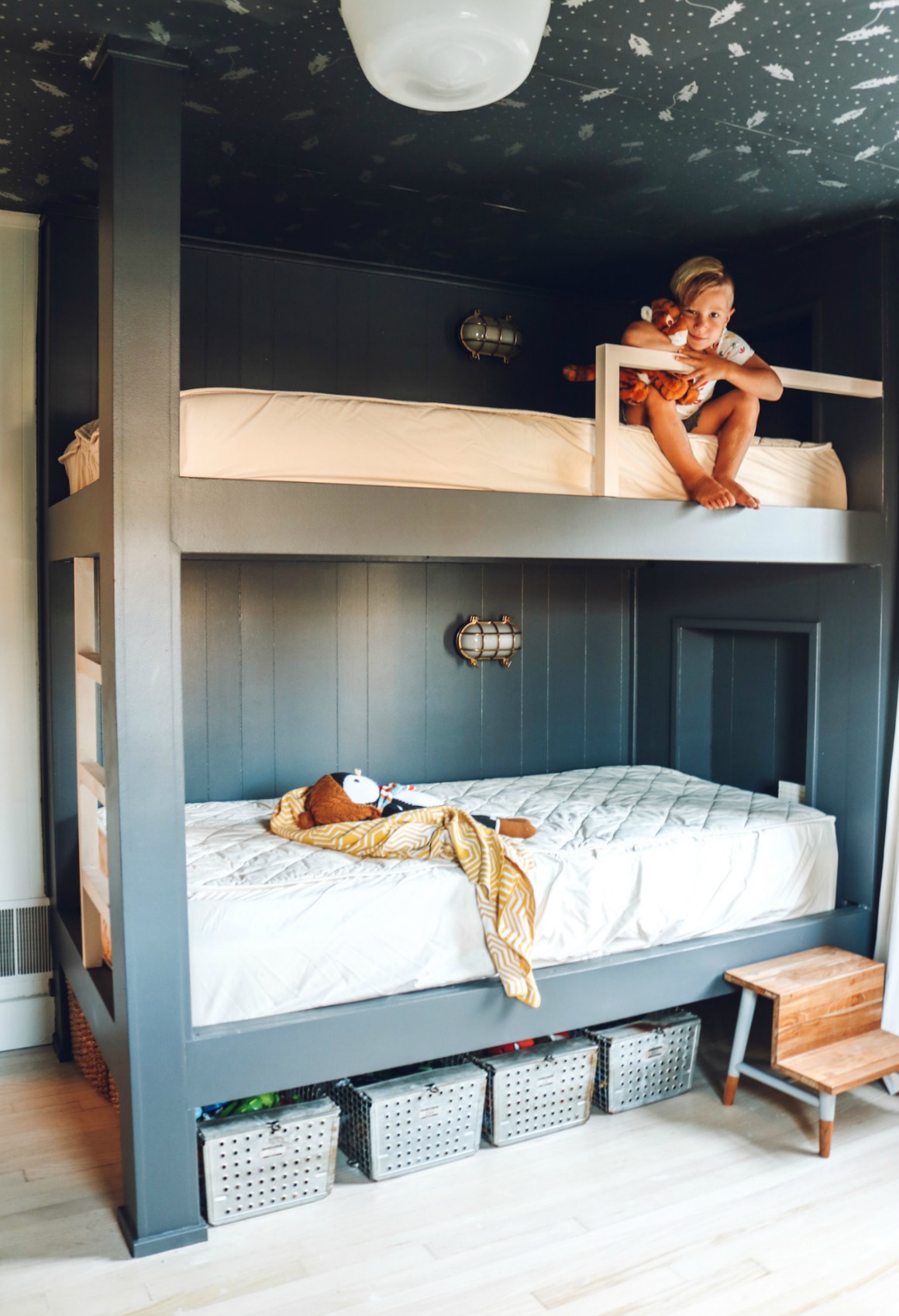
Credit: nestingwithgrace.com
Choosing The Right Bunk Bed Style
Choosing the right bunk bed style is important for a comfortable and practical room. The style affects space use, safety, and the overall look. Selecting the best design helps fit the room’s needs and keeps children happy and safe. Consider different styles carefully before making a choice.
Space-saving Designs
Space-saving bunk beds make small rooms feel larger. Loft beds lift the top bed high to create space below for a desk or play area. L-shaped bunk beds fit neatly in corners, using room space well. Some designs include built-in storage like drawers or shelves. These options help keep the room neat and organized.
Material Options
Bunk beds come in wood, metal, or a mix of both. Wood offers a warm, classic look and feels sturdy. Metal beds are lighter and often more modern in design. Choose materials that match the room’s style and your budget. Check that the material is strong and will last long.
Safety Features To Consider
Safety is key in bunk bed design. Guardrails on the top bunk prevent falls. Make sure the rails are high and secure. Sturdy ladders with wide steps help kids climb easily. Avoid beds with sharp edges or loose parts. Check weight limits to keep the bed safe for all users.
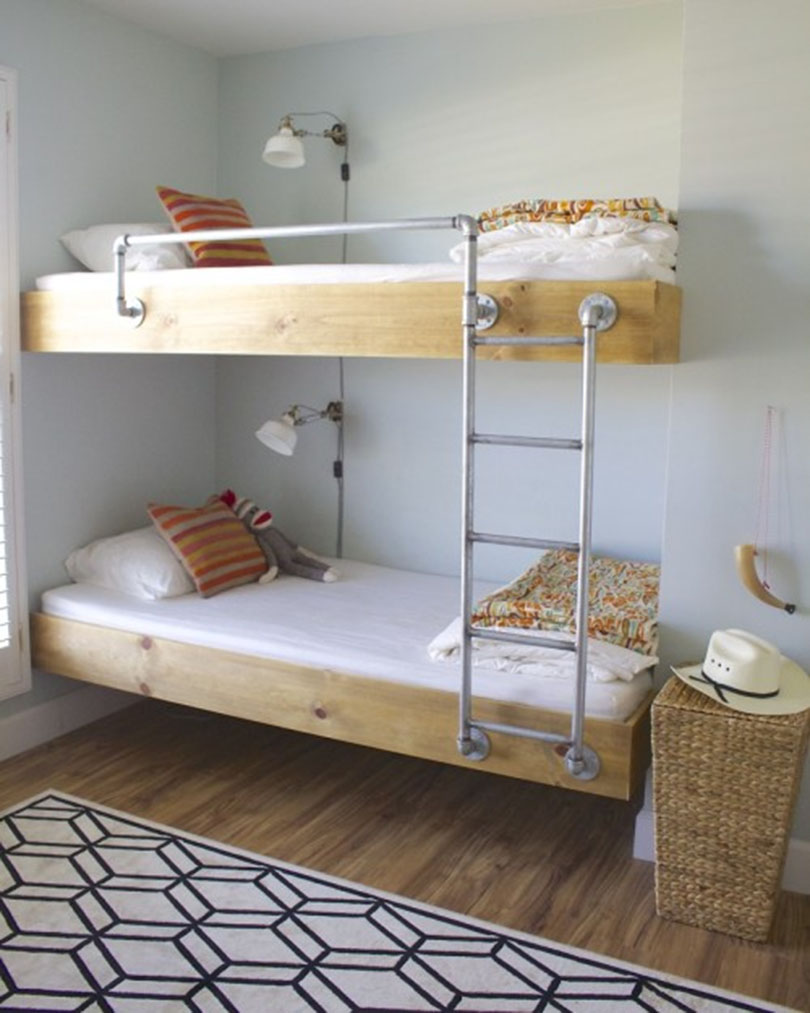
Credit: www.simplifiedbuilding.com
Measuring And Planning Your Space
Measuring and planning your space is the first step to a successful bunk bed design. It helps ensure the bed fits well and keeps the room safe and comfortable. Careful measurement prevents surprises during installation. It also helps use the room space wisely.
Assessing Room Dimensions
Start by measuring the length and width of the room. Use a tape measure for accuracy. Note down the exact measurements on paper. Check for windows, doors, and closets that might block the bed. Measure the height of the room from floor to ceiling. This helps know how tall the bunk bed can be.
Determining Bed Size
Choose a bed size that fits the room’s space. Common bunk bed sizes include twin, full, or twin-over-full. Think about who will use the bed. Kids usually need smaller beds. Adults or teenagers might need larger beds. Keep in mind the mattress thickness too. It affects the bed’s total height.
Clearance And Headroom
Leave enough space between the bed and the ceiling. At least 30 inches of headroom is safe for the top bunk. Allow space for climbing up and down comfortably. Clear space around the bed helps avoid bumps and accidents. Check the clearance for ladders or stairs too. Good clearance makes the bunk bed more functional and safe.
Selecting Materials And Tools
Selecting the right materials and tools is crucial for building a sturdy bunk bed. Choosing the best wood and hardware ensures safety and durability. Having the correct tools makes the project easier and more precise.
Careful selection saves time and prevents mistakes during construction. Here is a guide to help you pick the perfect materials and tools for your bunk bed design.
Wood Types And Finishes
Choose wood that is strong and safe for children. Pine and oak are popular choices. Pine is lightweight and easy to work with. Oak is harder and lasts longer but is heavier. Avoid soft woods that can dent or break easily.
Pick a finish that protects the wood and looks good. Use non-toxic paint or clear varnish. These finishes keep the wood safe from moisture and wear. Sand the wood well before applying any finish to avoid splinters.
Required Tools List
Basic tools make building a bunk bed possible. A saw cuts the wood to size. A drill makes holes for screws and bolts. Screwdrivers help tighten hardware fasteners. A measuring tape ensures all pieces fit correctly. Sandpaper smooths rough edges. A level keeps the bed frame straight and balanced.
Having clamps helps hold pieces steady while assembling. Safety gear like goggles and gloves protect your eyes and hands. Organize all tools before starting to work efficiently.
Hardware Essentials
Strong hardware keeps your bunk bed safe and stable. Use wood screws designed for heavy loads. Bolts with nuts provide extra strength at joints. Corner brackets add support to key points. Bed rails and guardrails are important for safety.
Make sure all hardware fits the wood thickness. Choose rust-resistant materials to last longer. Check that screws and bolts have smooth heads to avoid injuries. Proper hardware makes the bunk bed solid and secure.

Credit: www.simplifiedbuilding.com
Step-by-step Construction Process
Building a bunk bed can be a rewarding project. It needs careful steps to ensure safety and strength. Follow this step-by-step guide to make your own sturdy bunk bed. Each phase focuses on key parts of the bed. This helps you keep the process clear and simple.
Building The Frame
Start by cutting the wood to size for the bed frame. Use strong, durable wood like pine or oak. Assemble the four posts first; these will hold the bed up. Connect the posts with horizontal rails to form two rectangles. These rectangles are the top and bottom bed frames. Secure all joints tightly with screws for stability. Check the corners are square using a carpenter’s square. Sand all rough edges to avoid splinters.
Adding The Ladder And Guardrails
Measure space for the ladder on one side of the bed. Cut ladder steps from the same wood, keeping them evenly spaced. Attach the ladder securely to the frame with screws. Build guardrails for the top bunk to prevent falls. The rails should be at least 5 inches above the mattress. Fix the guardrails firmly to the frame at all points. Test for strength by gently shaking the rails.
Installing Slats And Supports
Cut wooden slats to fit across the bed frame’s width. Space the slats evenly to support the mattress well. Screw each slat securely into the rails below. Add extra support beams in the middle for the top bunk. This prevents sagging and adds safety. Double-check all screws are tight before placing the mattress. The bed is now ready for use and safe to climb.
Customizing For Style And Function
Customizing a bunk bed design lets you blend style with function. It helps create a unique piece that fits your space and needs. Personal choices in color, storage, and decor make the bed both useful and visually appealing.
Painting And Staining Tips
Choose colors that match the room’s theme. Light colors can make the room feel bigger. Dark stains highlight the wood’s natural beauty. Use non-toxic paint for safety, especially for kids. Sand the wood well before painting. Apply multiple thin coats for smoothness. Let each coat dry completely before the next.
Incorporating Storage Solutions
Add shelves or drawers under the bed for extra storage. Built-in cubbies keep toys and books organized. Use baskets or bins for easy access. Consider a fold-out desk or pull-out trundle for added function. Storage helps keep the room neat and saves space.
Adding Personal Touches
Decorate with themed bedding or pillows. Use decals or stencils for unique wall art. Attach hooks for bags or hats. Add a reading light for cozy nighttime stories. These touches make the bunk bed feel special and inviting.
Safety Checks And Maintenance
Safety checks and maintenance are key to keep bunk beds secure. Regular care helps avoid accidents and keeps the bed strong. This section covers simple steps to maintain your bunk bed. Follow these tips to ensure safety and long use.
Regular Inspection Tips
Check the bed every month. Look for loose screws, cracks, or broken parts. Make sure the guardrails are firmly in place. Check the ladder steps for stability. Look under the bed for any hidden damage. Early checks stop small problems from growing.
Tightening And Repairs
Tighten all screws and bolts regularly. Use the right tools for each part. Replace any worn or broken pieces right away. Use wood glue for small cracks if needed. Avoid using damaged parts as they are unsafe. Proper repairs keep the bed stable and safe.
Ensuring Long-term Durability
Keep the bed clean and dry. Avoid placing the bed near moisture or heat sources. Use quality mattresses that fit well. Rotate the mattress often to prevent wear. Apply wood polish or paint to protect surfaces. Good care extends the life of your bunk bed.
Frequently Asked Questions
What Materials Are Best For Bunk Bed Design?
Wood and metal are the most popular materials. Wood offers durability and a classic look. Metal is lightweight and modern. Both materials support safety and stability in bunk bed construction.
How To Ensure Safety In Bunk Bed Design?
Use sturdy guardrails on the top bunk. Ensure strong ladder attachment. Choose non-toxic finishes and smooth edges. Proper spacing between slats prevents mattress slipping. Always follow safety standards for bunk beds.
What Are Space-saving Bunk Bed Ideas?
Consider loft-style beds to free floor space. Use built-in storage like drawers or shelves. Opt for foldable or modular designs. These ideas maximize room utility while maintaining style and comfort.
How To Choose The Right Mattress For Bunk Beds?
Select a mattress that fits snugly within the frame. Use medium-firm mattresses for support and comfort. Avoid thick mattresses to maintain guardrail effectiveness. Always check mattress dimensions before purchase.
Conclusion
Creating a bunk bed design can be simple and fun. Start by planning space and choosing safe materials. Think about comfort and style for everyone using the bed. Small details make a big difference in the final look. Take your time to measure and build carefully.
A well-made bunk bed saves space and adds charm to any room. Enjoy your project and the cozy space you create!