Are you tired of outdoor furniture that looks good but leaves you feeling stiff and uncomfortable? Imagine sinking into a chair that feels like it was made just for you, turning your backyard into a cozy retreat.
Making comfortable outdoor furniture isn’t as hard as you think, and it can completely change how you enjoy your outdoor space. You’ll discover simple, practical tips to create furniture that invites you to relax, unwind, and spend more time outside.
Ready to transform your outdoor area into the ultimate comfort zone? Let’s dive in.
Choosing The Right Materials
Choosing the right materials is key to making comfortable outdoor furniture. The materials must stand up to weather and wear. Comfort depends on the feel and durability of these materials. This section helps you pick strong woods, weather-proof fabrics, and soft cushions for your outdoor space.
Selecting Durable Woods
Strong woods last longer outside. Teak, cedar, and eucalyptus resist rot and insects. These woods handle rain and sun well. They need little maintenance to stay beautiful. Avoid soft woods that break or warp easily. Pick woods with natural oils or coatings. These woods keep furniture stable and sturdy over time.
Using Weather-resistant Fabrics
Outdoor fabrics must fight moisture and sun damage. Polyester and acrylic fabrics dry fast and resist fading. They block mold and mildew growth. Choose fabrics with a tight weave for durability. Bright colors hold longer in sunlight. Fabric should feel soft but firm. This keeps cushions and seats comfortable and fresh.
Incorporating Cushions And Padding
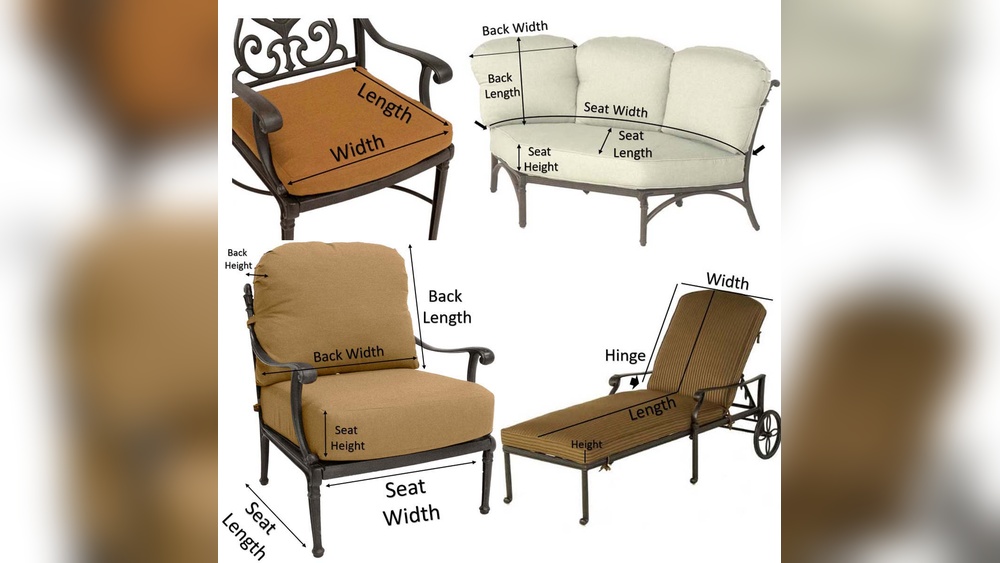
Cushions add softness and support to outdoor furniture. Use foam with quick-dry features. This prevents water buildup inside cushions. Cover cushions with weather-resistant fabric. This protects them from stains and moisture. Add padding under cushions for extra comfort. Thick padding reduces pressure and keeps you cozy outside.

Credit: www.axminstertools.com
Designing For Comfort
Designing outdoor furniture for comfort means thinking about how people sit and relax. Comfort starts with the shape and size of each piece. The right design supports the body well. It helps avoid aches and makes outdoor time more enjoyable.
Ergonomic Seat And Backrest Angles
Seats should support the natural curve of the spine. A slight backward tilt in the backrest helps the body relax. The seat angle must allow feet to rest flat on the ground. This reduces pressure on the legs. Ergonomic angles keep the body comfortable for longer.
Adding Armrests And Footrests
Armrests provide support for the arms and shoulders. They make sitting easier and more relaxing. Footrests help reduce pressure on the lower back. They allow legs to stretch out comfortably. Both add extra comfort and support.
Incorporating Adjustable Features
Adjustable furniture fits different body types and needs. Reclining backrests let users change their sitting position. Adjustable seat heights help keep feet flat on the floor. Moving parts make the furniture more flexible and user-friendly. Comfort improves with these custom options.
Building Sturdy Frames
Building sturdy frames is the backbone of comfortable outdoor furniture. Strong frames hold the furniture together and support weight. Without a solid frame, the furniture may break or feel unsafe. Choosing the right materials and techniques creates long-lasting pieces. This section covers essential tools, joinery methods, and tips to prevent wobbling.
Basic Woodworking Tools Needed
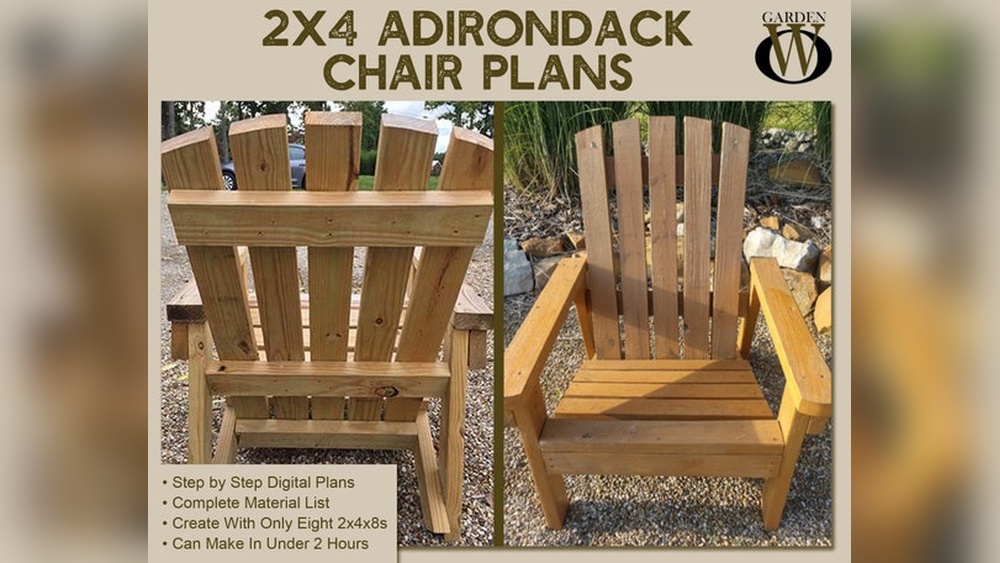
Start with a good saw for cutting wood to size. A cordless drill helps make holes and drive screws quickly. Sandpaper or an electric sander smooths rough edges for safety. Measuring tape ensures accurate cuts and proper alignment. Clamps hold pieces firmly while gluing or screwing them together. A carpenter’s square checks that corners are perfectly right-angled.
Joinery Techniques For Strength
Use butt joints for simple frame corners but add screws for extra strength. Mortise and tenon joints fit two pieces tightly and resist twisting. Pocket hole joinery hides screws while keeping the frame solid. Dovetail joints lock pieces together without nails or screws. Choose joints based on skill level and tools available.
Preventing Wobbling And Swaying
Check that all legs touch the ground evenly. Add cross braces between legs to increase stability. Tighten all screws and bolts securely. Use wood glue on joints to prevent movement over time. Place furniture on level surfaces or use adjustable feet. These steps keep the furniture steady and safe for outdoor use.
Finishing Touches
Finishing touches complete the look and feel of outdoor furniture. They make your piece smooth, durable, and inviting. These small details improve comfort and protect your furniture from weather damage. Follow simple steps to add the perfect finish.
Sanding And Smoothing Surfaces
Start by sanding all wooden parts with fine-grit sandpaper. Smooth surfaces prevent splinters and make the furniture pleasant to touch. Sand corners and edges carefully for a soft feel. Wipe off dust with a clean cloth before moving to the next step.
Applying Protective Coatings
Apply a weather-resistant sealant or varnish to protect wood from rain and sun. Use a brush or spray for even coverage. Let the first coat dry completely before adding a second. Protective coatings help your furniture last longer outdoors.
Decorative Elements For Style
Personalize your furniture with cushions, throws, or painted designs. Choose colors and patterns that match your outdoor space. Add simple details like decorative knobs or stencils for charm. These elements make your furniture unique and cozy.
Maintaining Outdoor Furniture
Maintaining outdoor furniture keeps it looking fresh and lasting longer. Dirt, rain, and sun can damage materials over time. Regular care protects your investment and keeps your space inviting.
Cleaning And Care Tips
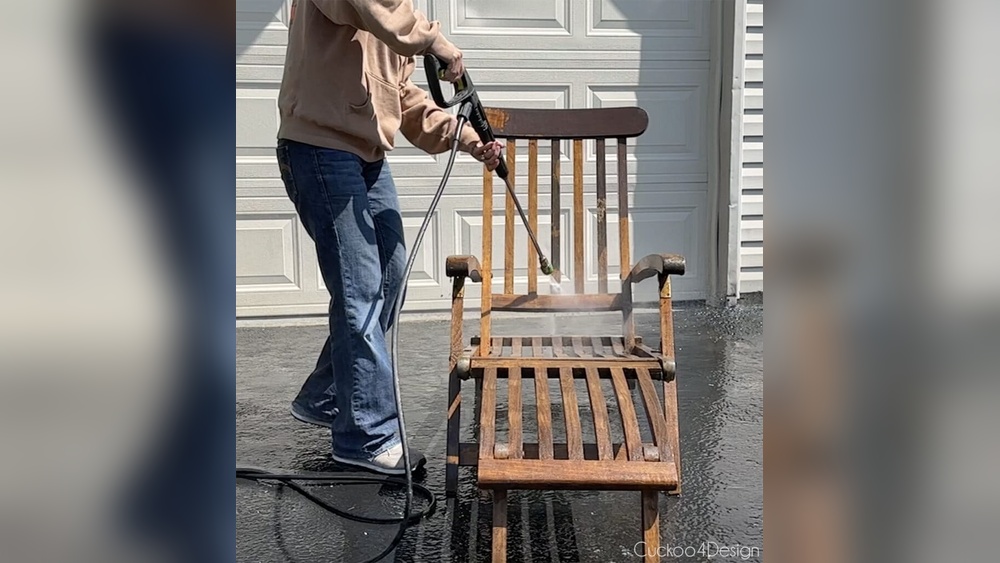
Clean outdoor furniture often to remove dust and grime. Use mild soap and water for most materials. Avoid harsh chemicals that can cause damage. Wipe down surfaces with a soft cloth or sponge. Let furniture dry fully before use. For cushions, check if covers are removable and washable. Brush off leaves and debris regularly to prevent stains.
Storage During Harsh Weather
Store furniture indoors during heavy rain or snow. If indoor space is limited, use waterproof covers. Choose covers that fit well and allow air circulation. Avoid plastic sheets that trap moisture and cause mold. Move cushions inside to keep them dry. Elevate furniture off the ground to prevent water damage. Proper storage reduces wear and extends furniture life.
Repairing Common Damages
Fix small scratches on wood or metal quickly. Use touch-up paint or wood filler as needed. Tighten loose screws and bolts regularly for safety. Replace broken parts like slats or legs promptly. Clean rust spots with sandpaper and apply rust-resistant paint. Repair tears in cushions with fabric glue or patches. Regular repairs prevent bigger problems later.
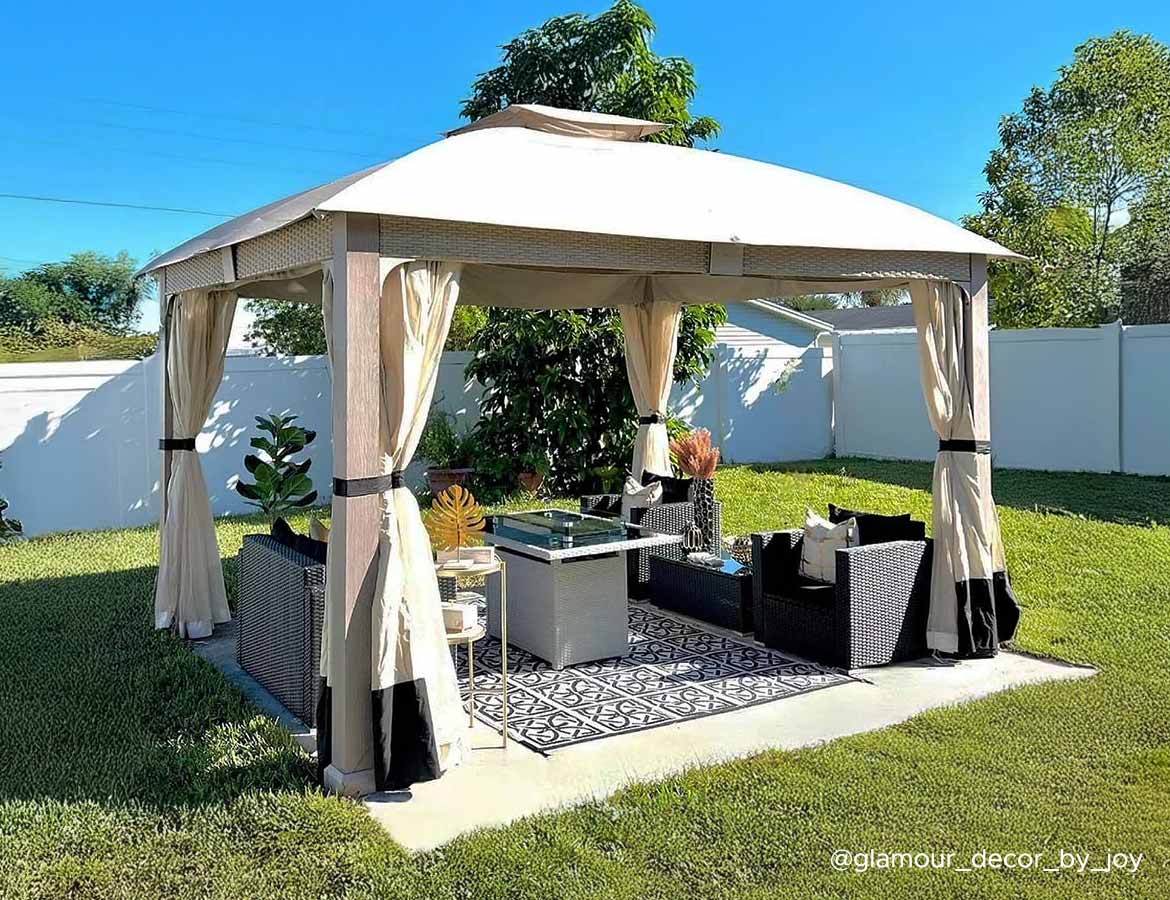
Credit: sunjoyshop.com

Credit: buybigjoe.com
Frequently Asked Questions
What Materials Are Best For Comfortable Outdoor Furniture?
Teak, wicker, and aluminum are top materials for outdoor furniture. They resist weather and provide durability. Cushions made from quick-dry foam enhance comfort and usability.
How To Choose Cushions For Outdoor Furniture?
Select cushions with waterproof, UV-resistant fabric to prevent fading and damage. Opt for quick-drying foam to avoid mold and mildew. Choose thickness that supports comfort without sacrificing style.
How To Maintain Outdoor Furniture Comfort Year-round?
Cover furniture when not in use to protect from elements. Clean cushions regularly and store them indoors during harsh weather. Use protective sealants on wooden pieces to prolong life and comfort.
Can I Make Outdoor Furniture More Comfortable Cheaply?
Yes, add thick cushions and throw pillows for extra comfort. Use outdoor rugs to create a cozy atmosphere. DIY slipcovers can refresh worn fabrics at low cost.
Conclusion
Creating comfortable outdoor furniture takes some thought and care. Choose soft cushions and sturdy frames. Add pillows for extra support and style. Use weather-resistant materials to last longer. Arrange pieces to invite relaxation and fun. Small touches make a big difference outside.
Enjoy your space with friends and family. Comfort and durability go hand in hand. Your outdoor area can become a cozy retreat. Keep these tips in mind for lasting comfort.