Looking to save space and add a fun twist to your dorm room? Turning your dorm beds into a bunk bed might be the perfect solution.
Imagine having more floor space for studying, relaxing, or hanging out with friends—all while making your room look cool and organized. In this guide, you’ll discover simple steps and smart tips to safely and easily create a bunk bed setup using the beds you already have.
Ready to transform your dorm and make the most of your space? Let’s get started!

Credit: www.wikihow.com
Choosing The Right Dorm Beds
Choosing the right dorm beds is the first step to create safe and sturdy bunk beds. Not all beds are made for stacking. Picking beds that fit well together is important. It helps avoid accidents and makes the setup stable.
Knowing what to check in bed frames and mattresses saves time and effort. It also ensures comfort for those who will use the bunk beds. This section guides you on what to look for when choosing dorm beds.
Assessing Bed Frames
Start by checking the material of the bed frame. Metal and solid wood frames are usually strong enough. Avoid flimsy or weak frames that might bend or break.
Look at the frame design. Beds with flat tops or secure ledges work better for stacking. Frames with rounded or uneven tops can cause instability.
Measure the height of the bed frame. There must be enough space for the second bed above. Also, check the total height to fit the room safely.
Checking Mattress Compatibility
Measure the mattress thickness before stacking beds. Thin mattresses fit better and keep the bunk bed steady. Thick mattresses may cause the top bed to be too high.
Make sure mattresses fit the bed frames exactly. Mattresses that are too small or large can slide off. This is dangerous for the person sleeping.
Choose firm mattresses that do not bend easily. Soft mattresses may affect the balance of stacked beds. Firm ones keep the structure solid and safe.
Gathering Essential Tools And Materials
Before turning your dorm beds into a bunk bed, gather all the necessary tools and materials. This step is important for a smooth and safe build. Having everything ready saves time and reduces mistakes.
Focus on collecting the right hardware and safety gear. These items ensure the bunk bed is sturdy and safe to use. Let’s explore what you need.
Required Hardware
Start with strong metal brackets to hold the beds together. Use long screws that fit the brackets well. You will also need bolts and nuts to secure the frames.
Wooden planks or slats might be needed to support the mattress. Check if your dorm beds already have slats or if you need extra ones. Sandpaper can smooth any rough edges on wood.
Consider adding safety rails to prevent falls. Ladder parts are also essential if your dorm beds do not have one. Make sure all hardware fits the size of your beds.
Safety Gear
Wear protective gloves to avoid splinters and cuts. Safety goggles protect your eyes from dust or debris while drilling or sanding. Use a dust mask if working with wood or paint.
Have a sturdy step ladder to reach the top bed safely during assembly. Check that your work area is well-lit and clear of obstacles. Keep a first aid kit nearby for any minor injuries.
Preparing The Workspace
Preparing the workspace is the first step to turning dorm beds into a bunk bed. A clean and organized area helps keep the project safe and easy. It also saves time and avoids frustration. Getting ready properly sets a strong foundation for success.
Clearing The Area
Remove all items near the beds. Take away chairs, bags, and other objects. Give yourself plenty of space to move. This prevents accidents and makes building easier. A clear floor means no tripping or dropping parts.
Make sure the workspace has good light. Bright light helps you see small parts and follow instructions. Open windows or turn on lamps if needed. A well-lit area improves focus and reduces mistakes.
Organizing Tools
Gather all tools needed for the project. Common tools include screwdrivers, wrenches, and Allen keys. Place them in one spot for easy access. Keep screws and bolts in small containers or trays. This stops them from getting lost.
Check each tool before starting. Make sure everything works well and fits the parts. Having organized tools speeds up the work. It also keeps the process smooth and less stressful.

Credit: www.youtube.com
Disassembling Beds For Stacking
Disassembling beds is the first step to create a bunk bed from dorm beds. Taking apart the beds carefully makes stacking easier and safer. It also helps keep the parts organized for reassembly. Follow these simple steps to separate the bed components properly. This process ensures a stable and secure bunk bed setup.
Removing Bed Slats
Start by taking off the bed slats. These are the wooden or metal strips that hold the mattress. Use a screwdriver to unscrew each slat. Keep the screws in a small container to avoid losing them. Remove the slats gently to prevent damage. Set them aside in a safe place for later use.
Separating Bed Frames
Next, separate the bed frames from the base and legs. Locate the bolts or screws holding the frame together. Use the correct tools to loosen and remove these fasteners. Take care to support the frame as you disassemble it. Store the frame parts neatly to avoid confusion. This step prepares the beds for stacking into a bunk bed.
Building Secure Support Structures
Stacking dorm beds to create a bunk bed saves space and adds fun. Safety is the top priority in this process. Proper steps help avoid accidents and keep the beds stable. Follow these simple guidelines to stack beds safely and securely.
Aligning Frames
Place both bed frames on a flat surface. Make sure the legs of the top bed line up exactly over the bottom bed’s legs. This balance stops the beds from tipping. Check twice before moving to the next step. Good alignment keeps the whole structure strong and steady.
Securing With Brackets
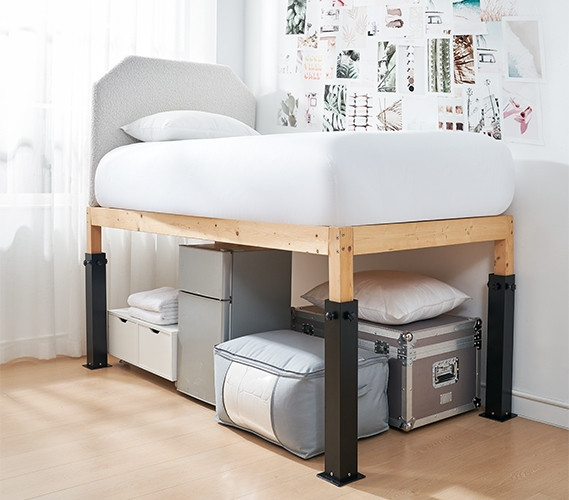
Use metal brackets to lock the two frames together. Attach brackets at the corners where the beds meet. Tighten screws firmly to hold the beds in place. Brackets prevent slipping or shifting during use. Always pick heavy-duty brackets made for furniture safety.
Credit: www.dormco.com
Stacking Beds Safely
Adding a ladder is key to turning dorm beds into a functional bunk bed. It gives easy access to the top bed and ensures safety. Picking the right ladder and fixing it well keeps the setup stable. This section guides you through choosing and attaching a ladder for your bunk bed.
Choosing Ladder Type
Select a ladder that fits your space and style. Step ladders are wide and sturdy, perfect for steady climbing. Rope ladders save space but may move more. Metal ladders are strong and last long. Wooden ladders match wooden beds and add warmth. Think about the ladder’s height and angle too. Make sure the ladder reaches the top bed comfortably. Choose one with slip-resistant steps for safety.
Attaching Ladder Securely
Secure the ladder firmly to the bed frame. Use strong bolts or screws made for wood or metal. Check the ladder’s weight limit before attaching. Fix it at a slight angle for easier climbing. Tighten all hardware to avoid wobbling. Add brackets for extra support if needed. Test the ladder by applying pressure before use. A steady ladder helps prevent accidents and keeps the bunk bed safe.
Adding A Ladder For Access
Final safety checks are vital after making your dorm beds into a bunk bed. Safety ensures you and your roommate rest without worry. Take time to check every part of the bunk bed. This step prevents accidents and keeps the bed strong and stable.
Testing Stability
Push and shake the bunk bed gently. It should not wobble or move. Check all screws and bolts are tight. Use a wrench to tighten any loose parts. Make sure the ladder is firm and secure. A steady bunk bed means a safer sleep space.
Ensuring Weight Limits
Know the weight limits of your bunk bed. Check the bed frame and mattress capacity. Do not overload the top bunk. Follow the manufacturer’s weight guidelines strictly. This prevents the bed from breaking. Always keep the top bunk for lighter loads.
Frequently Asked Questions
How Can I Convert Dorm Beds Into Bunk Beds Safely?
To convert dorm beds safely, use sturdy connectors and secure bolts. Ensure the structure is stable and weight-tested. Follow manufacturer guidelines and avoid makeshift supports to prevent accidents.
What Tools Are Needed To Build A Bunk Bed From Dorm Beds?
You typically need a drill, screws, bolts, a wrench, and a measuring tape. Safety gear like gloves and goggles is also recommended during assembly.
How Much Space Is Required For A Dorm Bunk Bed Setup?
Allow at least 7 feet ceiling height and 3 feet clearance around the bed. Proper spacing ensures comfort and easy movement in the dorm room.
Can Dorm Bed Mattresses Be Used On Bunk Beds?
Yes, dorm mattresses can be used if they fit the bunk bed frame. Make sure the mattress thickness is safe for the upper bunk to prevent falls.
Conclusion
Transforming dorm beds into bunk beds saves space and adds fun. Follow clear steps for safety and stability. Use strong materials and check all connections. Personalize the setup with bedding and decorations. This simple change can make any dorm room feel cozier.
Try it yourself and enjoy more room to live and study. Small changes can make a big difference in shared spaces. Dorm life just got easier and more comfortable.