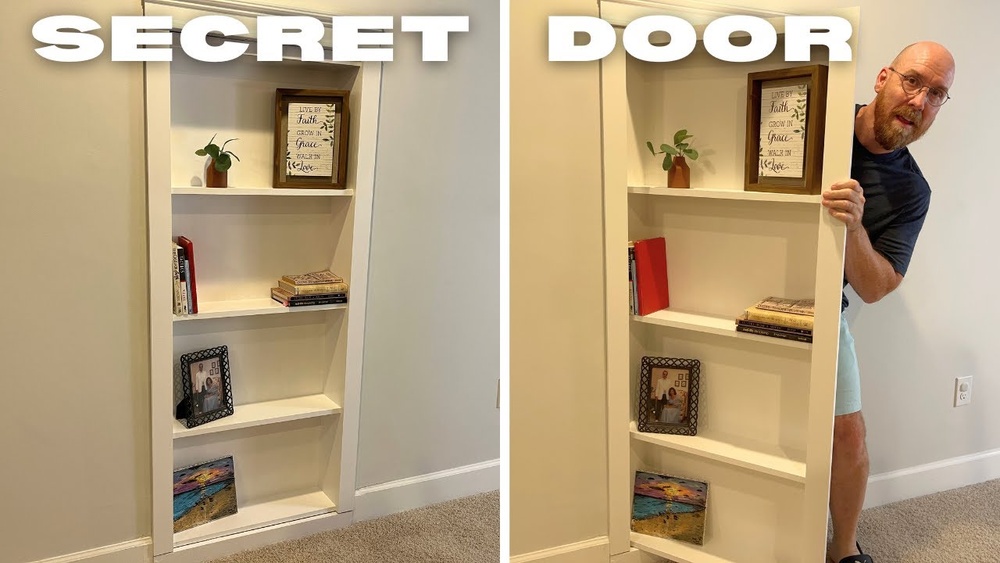
Imagine turning a simple bookshelf in your home into a hidden door that leads to a secret room or a private space. You might think it’s complicated or expensive, but it’s not.
You can create your own secret bookshelf door with some basic tools and clear steps. This project will add a touch of mystery and excitement to your space, plus it’s a great way to impress your friends and family. Ready to discover how you can make your own secret bookshelf door?
Keep reading, and you’ll find easy instructions that anyone can follow.
Choosing The Right Location
Choosing the right location is key to building a secret bookshelf door. The spot must be practical and blend well with your room. Careful thought helps the door look natural and work smoothly. This section guides you through picking the best place.
Assessing Wall Space
Check your walls for enough space to fit the bookshelf door. Measure the width and height carefully. Avoid walls with windows or large vents. A plain wall works best for hiding the door. Also, consider nearby furniture that might block the door.
Considering Room Layout
Think about how the room is arranged. The door should open without hitting furniture or walls. Pick a spot that feels natural to enter and exit. The door should not disrupt daily activities. Make sure people won’t notice the secret door easily.
Ensuring Structural Support
Confirm the wall can hold the weight of the bookshelf door. Strong framing is important to avoid damage. Avoid walls with plumbing or electrical wiring inside. Use a stud finder to locate solid wood studs. Proper support keeps the door safe and steady.
Selecting Materials And Tools
Selecting the right materials and tools is key to building a secret bookshelf door. The choice affects the door’s strength and appearance. It also impacts how well the door functions. This section covers the best wood types, hinges, hardware, and tools needed. Understanding these basics makes the project easier and more successful.
Types Of Wood
Choose wood that is sturdy and easy to work with. Pine and oak are popular choices. Pine is affordable and lightweight. Oak is strong and has a nice grain. Avoid soft woods that may dent or break easily. Plywood can work for the door panel but should be high quality. Select wood that matches your room’s style and color.
Hinges And Hardware
Pick hinges that support the door’s weight. Concealed hinges keep the door hidden. Continuous hinges provide strong support along the door edge. Add magnetic catches to keep the door closed tightly. Use a strong lock or latch if extra security is needed. Hardware should blend with the bookshelf to stay secret.
Required Tools
Gather basic woodworking tools before starting. A saw is needed to cut wood pieces. A drill helps make holes for screws and hardware. Screwdrivers attach hinges and handles. A level ensures the door hangs straight. Sandpaper smooths rough edges. Measuring tape and pencil mark precise cuts. Having all tools ready speeds up the build.
Designing The Bookshelf Door
Designing the bookshelf door is the first step in creating a secret passage. This part needs careful thought and planning. The design must fit the space and work smoothly. It should also blend with the room’s style. A well-designed bookshelf door looks like a normal shelf but hides a secret behind it.
Focus on measurements, layout, and the hidden mechanism. Each element plays a key role in the door’s function and appearance. Proper design makes the door easy to use and hard to notice.
Measuring Dimensions
Start by measuring the doorway or wall space. Note the height, width, and depth of the area. Take extra care to measure precisely. The bookshelf must cover the opening completely.
Also, consider the thickness of the door and shelves. Leave room for hinges or tracks if needed. These details affect how the door will open and close.
Planning Shelf Layout
Decide how many shelves the door will have. Think about what you want to store or display. Books, decorations, or small items work well. Arrange shelves evenly to look balanced and neat.
Use adjustable shelves if you want flexibility. Make sure the shelves do not block the door’s movement. Keep the design simple to avoid extra weight or difficulty.
Incorporating Hidden Mechanisms
Choose a mechanism to keep the door secret and easy to open. Common options include hidden hinges, magnetic locks, or push-to-open latches. Each has pros and cons.
Hidden hinges create a smooth look without visible parts. Magnetic locks keep the door locked until triggered. Push-to-open latches open with a gentle press.
Test the mechanism before final assembly. It should work quietly and reliably. The secret door should feel natural to use and stay hidden.

Credit: www.brightgreendoor.com
Building The Bookshelf Frame
Building the bookshelf frame is the first big step in making your secret bookshelf door. This frame holds everything together. It must be strong and fit perfectly in your door space. Careful measuring and cutting create a frame that looks good and works well. Follow simple steps to build a solid frame for your hidden door.
Cutting Wood Pieces
Start by measuring the door opening carefully. Write down the exact width and height. Use these numbers to mark your wood pieces. Cut two long side pieces and two shorter top and bottom pieces. Use a saw to cut straight lines. Make sure each piece matches your measurements exactly. Clean cuts help the frame fit tightly.
Assembling The Frame
Place the cut pieces on a flat surface. Arrange them in a rectangle shape. Check the corners with a square tool to keep them right angles. Apply wood glue to the ends of the pieces. Join the pieces and clamp them to hold tight. Add screws or nails for extra strength. Let the glue dry fully before moving on.
Sanding And Finishing
Use sandpaper to smooth all surfaces and edges. Sanding removes rough spots and splinters. Start with coarse sandpaper, then use finer grit for a smooth finish. Wipe the frame with a damp cloth to remove dust. Apply paint or stain to match your room style. A good finish protects the wood and looks neat.
Installing The Door Mechanism
Installing the door mechanism is a crucial step in creating your secret bookshelf door. It ensures the door swings smoothly and stays hidden when closed. This part requires careful attention to detail for a perfect fit. Follow each step carefully to avoid common mistakes and achieve a professional look.
Mounting Hinges
Choose strong hinges that can support the door’s weight. Attach them to the side of the bookshelf frame first. Use a pencil to mark the screw holes. Drill small pilot holes to prevent wood splitting. Secure the hinges with screws, making sure they sit flush. Then, attach the other side of the hinges to the door panel. Check that the door can swing open without resistance.
Aligning The Door
Test the door’s alignment by gently closing it. Look for gaps between the door and the frame. Adjust the hinges slightly up or down for better fit. Use a level tool to ensure the door is straight. Tighten all screws once the door aligns perfectly. Proper alignment keeps the door discreet and easy to open.
Adding Magnetic Or Mechanical Locks
Choose a lock type that suits your needs: magnetic or mechanical. Magnetic locks use magnets to keep the door closed silently. Attach the magnet plate on the door frame and the metal plate on the door. Mechanical locks may include latches or hidden bolts. Install the lock according to the product instructions. Test the lock to ensure it holds the door firmly closed.

Credit: www.reddit.com
Mounting The Bookshelf Door
Mounting the bookshelf door is a key step for a secret door project. It must be strong and well-fitted. A door that is loose or crooked will spoil the effect. This section covers how to attach the door, keep it stable, and hide any gaps.
Attaching To Wall
Start by marking the door’s position on the wall. Use a level to keep it straight. Attach heavy-duty hinges to the door frame and wall studs. Screws must go into studs for strong support. Check the door swings smoothly before securing all screws.
Ensuring Stability
Add a magnetic catch or latch inside the frame. This keeps the door firmly closed when not in use. Use a door stop to prevent the door from swinging too far. Tighten all screws after testing movement. Stability prevents wear and keeps the secret safe.
Concealing Gaps
Small gaps around the door reveal the secret. Use weather stripping or thin foam strips on edges. Paint the edges the same color as the wall. Install trim or molding to cover uneven spaces. Perfect concealment makes the door blend with the bookshelf.
Finishing Touches
Finishing touches bring your secret bookshelf door to life. They make it look natural and part of your room. Small details can create a big impact. Focus on color, decorations, and the items you place inside. These steps help your door blend in perfectly.
Painting Or Staining
Choose a paint or stain color that matches your room. Use smooth, even coats to avoid streaks. Light colors can brighten a dark space. Dark stains add a classic, rich look. Let each layer dry fully before adding another. This ensures a clean, polished finish that lasts.
Adding Decorative Elements
Decorative touches add charm to your secret door. Use simple handles that look like regular bookshelf hardware. Attach small hinges that stay hidden when closed. Consider adding trim or molding around the edges. These details help disguise the door as a real bookshelf.
Organizing Books And Items
Place books and objects thoughtfully on the shelves. Mix books with decorative items like small plants or vases. Keep heavier books on lower shelves for safety. Avoid overcrowding to keep the door easy to open. Well-organized shelves make the secret door look natural and inviting.
Tips For Maintenance And Safety
Maintaining your secret bookshelf door keeps it working smoothly and safe. Small efforts protect your investment and prevent problems. Follow simple tips to keep it in good shape for years.
Regular Checks
Check hinges and locks often. Tighten loose screws quickly. Look for cracks or damage on the door and frame. Test the door’s movement to make sure it opens and closes without sticking. Early fixes stop bigger issues.
Avoiding Wear And Tear
Keep the door clean and dry. Dust and dirt cause parts to wear out faster. Use soft cloths to wipe the surface gently. Avoid heavy force or slamming the door. Use smooth, even pressure for opening and closing.
Childproofing The Door
Keep children safe by adding child locks or latches. Teach kids not to play with the door. Make sure no gaps trap fingers. Check the door’s weight to ensure it is safe for kids around. Safety first in every step.
Credit: www.youtube.com
Frequently Asked Questions
How Do You Build A Secret Bookshelf Door?
Start by measuring the doorway and building a sturdy frame. Attach hinges to the bookshelf and frame. Install a hidden latch for discreet opening. Finish with paint or stain to match the room décor. Ensure smooth operation and alignment for a perfect fit.
What Tools Are Needed For A Secret Bookshelf Door?
You will need a drill, screwdriver, measuring tape, level, saw, hinges, screws, and a hidden latch. Sandpaper and paint or stain help finish the project. These tools ensure precise cutting, assembling, and installation of the secret door.
How To Hide The Bookshelf Door Hinges Effectively?
Use concealed or piano hinges for a seamless look. Position hinges inside the door frame to avoid visibility. Alternatively, use magnetic or hidden hinges that blend with the bookshelf design. This keeps the door’s secret identity intact.
Can I Install A Secret Bookshelf Door In An Existing Room?
Yes, you can retrofit an existing room. Measure the doorway and build a custom bookshelf door. Ensure the wall can support the door’s weight. Adjust the frame and hinges for a snug fit. This adds hidden storage without major renovations.
Conclusion
Creating a secret bookshelf door adds charm and function to any room. It hides spaces while saving room and looks unique. Follow clear steps and measure carefully to avoid mistakes. Use simple tools and take your time for the best result.
This project brings fun and a special touch to your home. Give it a try and enjoy your hidden door’s surprise!