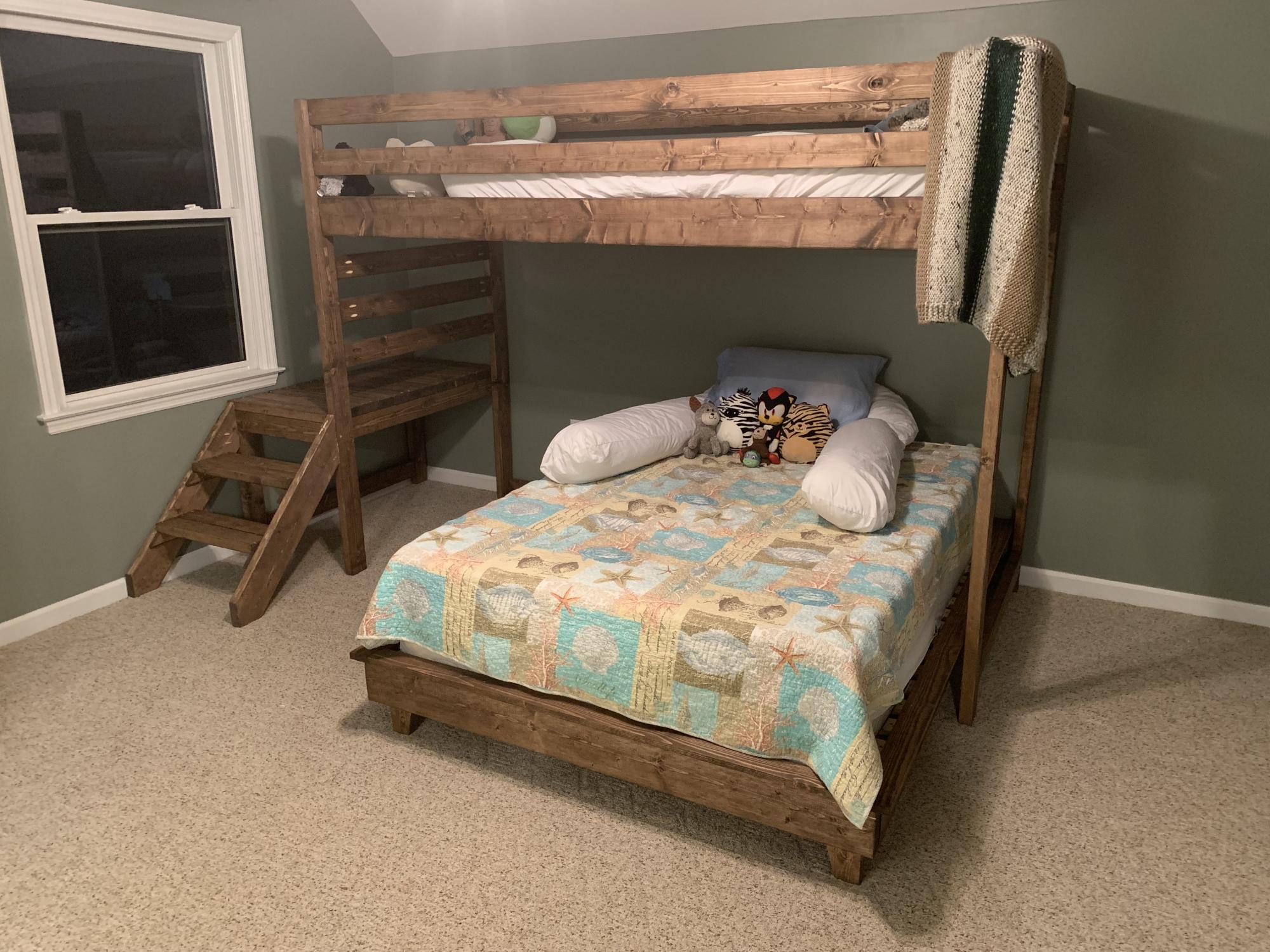
Are you looking to save space and add style to your room? Building a twin over full bunk bed might be the perfect solution.
Imagine having a cozy twin bed on top and a spacious full bed below—ideal for siblings, guests, or even creating a fun hangout spot. In this guide, you’ll discover simple, step-by-step instructions to make your own sturdy and beautiful twin over full bunk bed.
Whether you’re a beginner or just want a clear plan, this post will help you turn your idea into reality. Ready to transform your space and impress everyone with your DIY skills? Let’s get started!
Materials And Tools Needed
Gathering the right materials and tools is the first step to building a twin over full bunk bed. The quality of your supplies affects safety and durability. Choose everything carefully for a strong, stable bed.
Wood Selection
Select sturdy wood like pine, oak, or maple. These woods hold screws well and resist warping. Avoid softwoods that can dent or crack easily. Choose boards that are straight with no knots or splits.
Use 2x4s for the frame and 1x4s for slats. The twin and full sizes need strong support. Sand the wood smooth to prevent splinters and improve finish.
Essential Hardware
Buy wood screws at least 2.5 inches long for strong joints. Use washers to protect wood from cracking. Get metal brackets or corner braces for extra support at joints.
Include bed bolts for tight connections. Add lag screws for the ladder and guardrails. Use wood glue to help hold pieces together during assembly.
Tools Checklist
Prepare these tools before starting your project. A power drill with drill bits for pilot holes and screws is vital. A circular saw or miter saw cuts wood precisely.
Have a tape measure, carpenter’s square, and pencil for accurate marking. Sandpaper or an electric sander smooths rough edges. A level ensures the bed is even and safe.

Credit: www.efurniturehouse.com
Planning Your Design
Planning your design is the first step in making a twin over full bunk bed. A clear plan helps avoid mistakes and ensures the bed fits your space. Taking time to plan saves effort and money later.
Think about the room size and the bed’s purpose. This helps create a safe and comfortable design.
Choosing Bed Dimensions
Decide on the size of each bed. A twin mattress is usually 39 by 75 inches. A full mattress is 54 by 75 inches. Consider the height between the beds for comfort. Leave enough space for the top bunk’s guardrails.
Measure the room to make sure the bunk bed fits well. Allow space for moving around the bed and opening closet doors.
Safety Considerations
Safety is very important. Use strong wood or metal for the frame. Check that the guardrails are high enough to prevent falls. The ladder should be secure and easy to climb.
Make sure the bed does not block windows or heaters. Avoid sharp edges and small parts that children could swallow.
Sketching The Layout
Draw a simple sketch of your design. Include the bed dimensions and the room size. Mark the location of the ladder and guardrails.
Use the sketch to plan the assembly steps. This helps you spot problems before building the bed.
Cutting The Wood Pieces
Cutting the wood pieces is a key step in building your twin over full bunk bed. Precise cuts ensure the bed fits together tightly. This step sets the foundation for a strong, safe structure. Take your time to measure, mark, and cut carefully. Follow each step to create smooth, accurate wood pieces.
Measuring And Marking
Start by measuring the wood carefully. Use a tape measure for exact lengths. Mark each piece clearly with a pencil. Double-check each measurement before marking. This reduces mistakes during cutting. Use a square tool to keep lines straight. Clear, precise marks guide your saw for clean cuts.
Accurate Cutting Techniques
Choose the right saw for your cuts. A circular saw works well for straight lines. Keep the saw steady and follow the marked lines slowly. Cut on the waste side of the line for accuracy. Avoid rushing to prevent splinters or uneven edges. Wear safety glasses and gloves to protect yourself.
Sanding Edges
After cutting, smooth the edges with sandpaper. Start with a coarse grit to remove rough spots. Finish with fine grit for a soft touch. Sand all edges, especially corners, to avoid splinters. Smooth wood makes the bed safer and looks better. Take your time to create clean, smooth surfaces.
Assembling The Frame
Assembling the frame is the first step in building your twin over full bunk bed. A strong frame keeps the entire bed safe and steady. Taking time to follow each step carefully helps you avoid mistakes.
Building The Bed Rails
Start by attaching the long bed rails to the side of the headboard and footboard. Use screws or bolts provided in the kit. Make sure the rails are level and tightly secured. These rails will hold the mattress in place. Check twice for stability before moving on.
Constructing The Headboard And Footboard
Lay out the parts for the headboard and footboard on a flat surface. Join the vertical and horizontal pieces using screws. Align the edges to keep the boards straight. Tighten all connections to avoid wobbling. The headboard and footboard provide strong support for the bed frame.
Attaching Support Slats
Place the support slats evenly across the bed rails. These slats hold the mattress and keep it firm. Screw each slat firmly into the rails. Ensure equal spacing for better weight distribution. Check all slats to confirm they are secure and stable.
Adding The Ladder And Guardrails
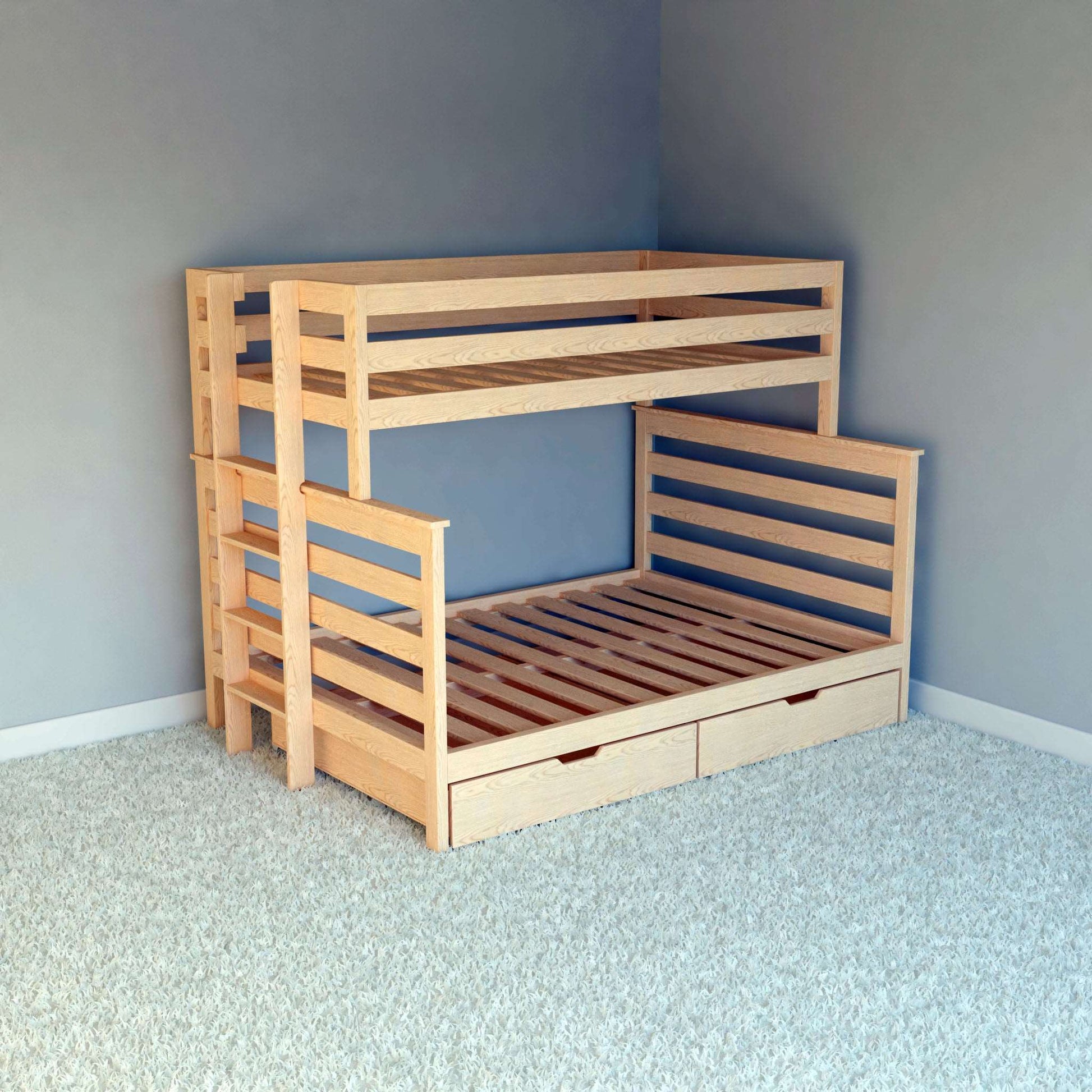
Adding the ladder and guardrails is a key step in building your twin over full bunk bed. These parts keep the bed safe and easy to use. The ladder helps climb up and down. Guardrails stop anyone from falling off the top bunk. Careful choice and proper fitting are important for safety and comfort.
Ladder Design Options
Choose a ladder style that fits your space. A straight ladder is simple and easy to build. It leans against the bed frame at a small angle. A step ladder has wider steps for more comfort. You can also build a built-in ladder on the side of the bed. Think about the room size and how children will use it. Make sure the ladder is strong and easy to grip.
Installing Guardrails
Guardrails should be sturdy and high enough to protect sleepers. Attach guardrails on both sides of the top bunk. Use screws and brackets for strong support. The guardrail should be at least five inches above the mattress. Leave small gaps to avoid trapping fingers but close enough to prevent falls. Check all screws and joints for tightness after installation.
Ensuring Stability
Test the ladder and guardrails for firm attachment. Push and pull them gently to check for movement. Use extra screws or braces if parts feel loose. Make sure the bed frame holds the ladder and rails securely. Stability reduces accidents and extends the bed’s life. Safety is the most important factor in your bunk bed project.
Credit: matyadesigns.com
Finishing Touches
Finishing touches bring your twin over full bunk bed to life. They make the bed safe, smooth, and visually pleasing. Taking time with these steps ensures a quality result you will enjoy.
Sanding And Smoothing
Start by sanding all wooden surfaces. Use fine-grit sandpaper for a smooth finish. Sand edges and corners carefully to avoid splinters. Wipe off dust with a clean cloth after sanding. Smooth surfaces protect skin and improve paint or stain grip.
Painting Or Staining
Choose paint or stain to match your room style. Apply a primer first for better coverage. Use a brush or roller for even coats. Let each coat dry fully before adding the next. Paint or stain adds color and protects the wood from wear.
Final Safety Check
Inspect all screws and bolts for tightness. Check guardrails and ladders for secure fitting. Make sure no sharp edges or rough spots remain. Test the bed’s stability by gently shaking it. A safe bunk bed keeps everyone worry-free.
Tips For Maintenance
Maintaining a twin over full bunk bed is important for safety and durability. Regular care helps keep the bed strong and clean. Follow simple steps to make your bunk bed last longer and stay safe for everyone.
Regular Inspections
Check the bunk bed often for any signs of damage. Look for cracks in the wood or metal parts. Make sure the ladder and guardrails are secure. Early detection prevents accidents and costly repairs.
Tightening Loose Screws
Loose screws can make the bed unstable. Use a screwdriver to tighten all screws regularly. Pay special attention to joints and connection points. Tight screws keep the bed firm and safe.
Cleaning And Upkeep
Dust the bed weekly to keep it clean. Use a damp cloth to wipe surfaces and remove dirt. Avoid harsh chemicals that can damage the finish. Clean beds look good and last longer.
Credit: www.ana-white.com
Frequently Asked Questions
What Materials Are Needed For A Twin Over Full Bunk Bed?
You need quality wood, screws, bolts, brackets, sandpaper, wood glue, and a finish. Choose sturdy, safe materials for durability and safety.
How Long Does It Take To Build A Twin Over Full Bunk Bed?
Building typically takes 8 to 12 hours, depending on skill level. Proper preparation and following instructions reduce time and errors.
What Safety Features Are Essential For Bunk Beds?
Secure guardrails, sturdy ladders, and strong support beams are essential. Ensure all screws are tight and surfaces are smooth to prevent injuries.
Can I Customize The Twin Over Full Bunk Bed Design?
Yes, you can adjust dimensions, add storage, or paint. Customization improves functionality and matches your room decor and needs.
Conclusion
Building a twin over full bunk bed takes time and care. Follow steps carefully for safety and strength. Use good tools and strong wood to ensure durability. Check all connections before use to avoid accidents. This bed saves space and fits many rooms well.
Enjoy the satisfaction of making your own bunk bed. It adds function and style to any home. Keep instructions handy for future reference or repairs. Simple, clear planning leads to a sturdy, lasting bed.