If you’re planning to store your furniture in a climate-controlled unit, knowing how to pack it properly is key to keeping your pieces safe and looking great. You don’t want your favorite sofa or wooden table to suffer from moisture, dust, or temperature changes while in storage.
The good news is, with the right steps, you can protect your furniture from damage and make the most of your storage space. You’ll discover simple yet effective packing tips that anyone can follow—whether you’re moving, downsizing, or just need extra space.
Keep reading to learn how to pack your furniture the smart way for climate-controlled storage!
Credit: www.storagestar.com
Benefits Of Climate-controlled Storage
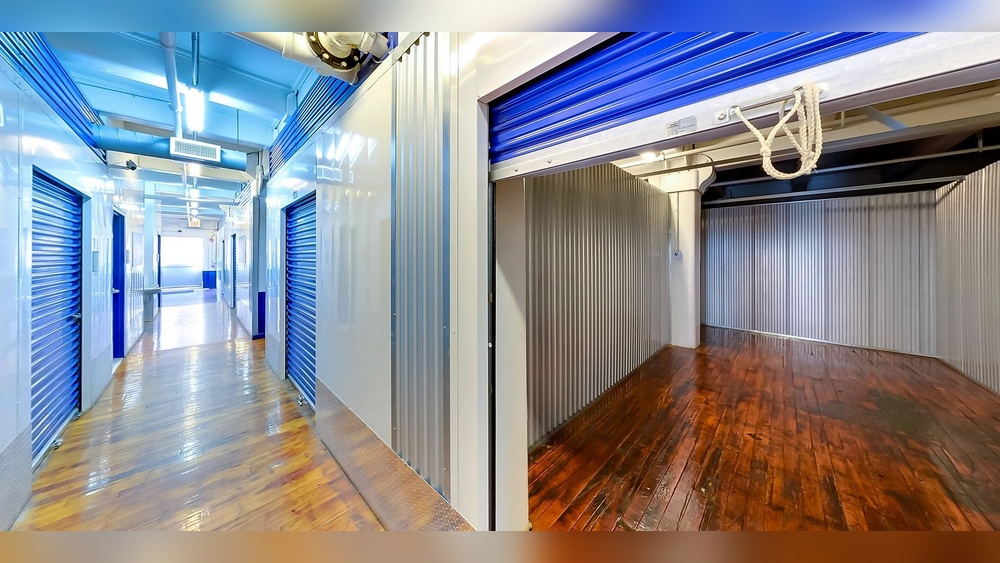
Climate-controlled storage offers many benefits for keeping furniture safe. It keeps your items in a stable environment. This helps to avoid damage caused by changes in weather and moisture. Proper storage preserves the quality and value of your furniture.
Choosing climate-controlled storage is a smart choice for long-term furniture care. It protects delicate materials and prevents costly repairs. Here are some key benefits that make it worth considering.
Protection From Temperature Fluctuations
Temperature changes can cause wood to crack and warp. Extreme heat or cold may damage upholstery and finishes. Climate-controlled units keep a steady temperature all year. This reduces stress on your furniture and extends its life. Your items stay as good as new.
Humidity Control Advantages
High humidity can cause mold and mildew to grow on furniture. It also leads to wood swelling and paint peeling. Climate-controlled storage keeps humidity at safe levels. This prevents moisture damage and keeps furniture dry. Your belongings remain fresh and clean.
Preventing Pest Damage
Pests like insects and rodents can harm stored furniture. They may chew on wood, fabric, and wiring. Climate-controlled units often have better sealing and pest control. This lowers the risk of infestations. Your furniture stays safe from unwanted guests.

Credit: an-organized-life.net
Preparing Furniture For Storage
Preparing furniture for climate-controlled storage requires careful steps. Proper preparation protects your items from damage. It also ensures easy setup after storage. Follow these simple tips to get your furniture ready.
Cleaning And Drying
Start by cleaning your furniture thoroughly. Remove dust, dirt, and stains using mild soap and water. Avoid harsh chemicals that can damage surfaces. After cleaning, dry each piece completely. Moisture can cause mold and mildew in storage. Use a soft cloth to wipe down surfaces and let furniture air dry in a well-ventilated area.
Disassembling Large Pieces
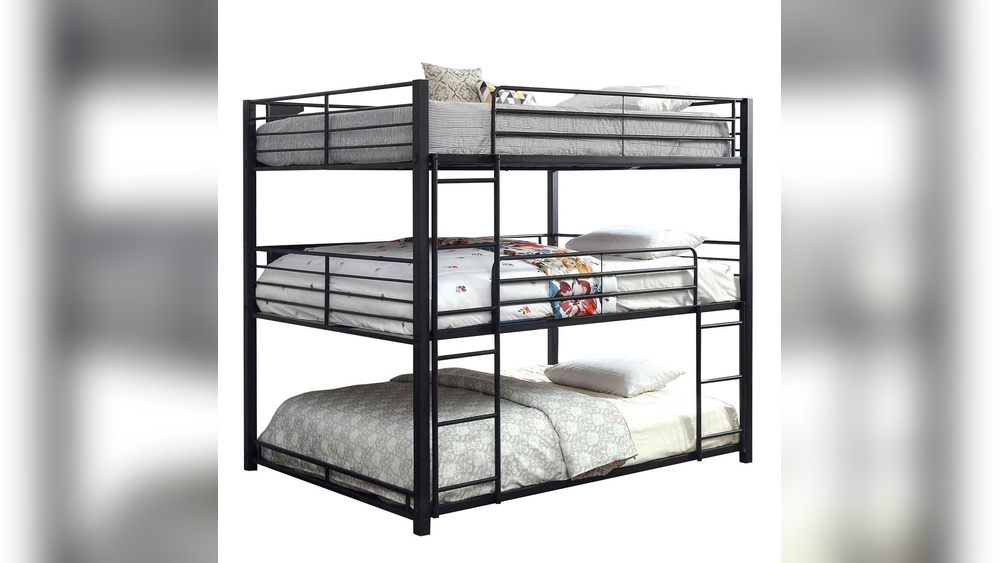
Take apart large furniture like beds, tables, and shelves. Disassembling saves space and prevents damage. Keep screws, bolts, and small parts in a safe place. Use bubble wrap or cloth to cover delicate parts during disassembly. This step makes moving and storing easier and safer.
Labeling Parts And Hardware
Label each part clearly after disassembly. Use masking tape and a marker for easy identification. Place screws and hardware in small bags and tape them to the matching furniture piece. This method avoids confusion and lost parts later. Proper labeling helps you reassemble furniture quickly after storage.
Choosing The Right Packing Materials
Choosing the right packing materials is essential for protecting furniture in climate-controlled storage. The right materials shield your items from dust, moisture, and scratches. They also help maintain the furniture’s condition over time. Using improper materials can cause damage and increase the risk of wear and tear.
Opt for materials that allow air circulation and offer padding. This approach prevents moisture buildup and surface damage. It is also important to protect vulnerable parts like edges and corners to avoid dents and chips during handling and storage.
Breathable Covers Vs Plastic Wrap
Breathable covers let air flow around the furniture. This reduces moisture and prevents mold growth. Use cotton sheets or specially made furniture covers. Plastic wrap traps moisture and can cause condensation. This may damage wood and fabric surfaces over time. Avoid wrapping furniture directly with plastic wrap unless it is inside a breathable layer.
Using Moving Blankets And Pads
Moving blankets provide thick padding to absorb shocks. They prevent scratches, dents, and surface marks. Use pads to cover large flat areas and delicate finishes. Secure blankets with tape or straps to keep them in place. These blankets add an extra layer of protection during transport and storage.
Protecting Edges And Corners
Edges and corners are the most vulnerable parts of furniture. Use corner protectors made of foam or cardboard. Wrap these areas with bubble wrap or folded blankets for extra cushioning. Proper edge protection prevents damage from bumps and knocks. Label wrapped furniture clearly to avoid rough handling.
Packing Techniques For Different Furniture Types
Packing furniture for climate-controlled storage requires special care for each type. Different materials need different handling to stay safe and sound. Proper techniques prevent damage like scratches, moisture, or mold. Follow simple steps for wooden, upholstered, leather, and metal pieces. This keeps furniture fresh and ready to use later.
Wooden Furniture Care
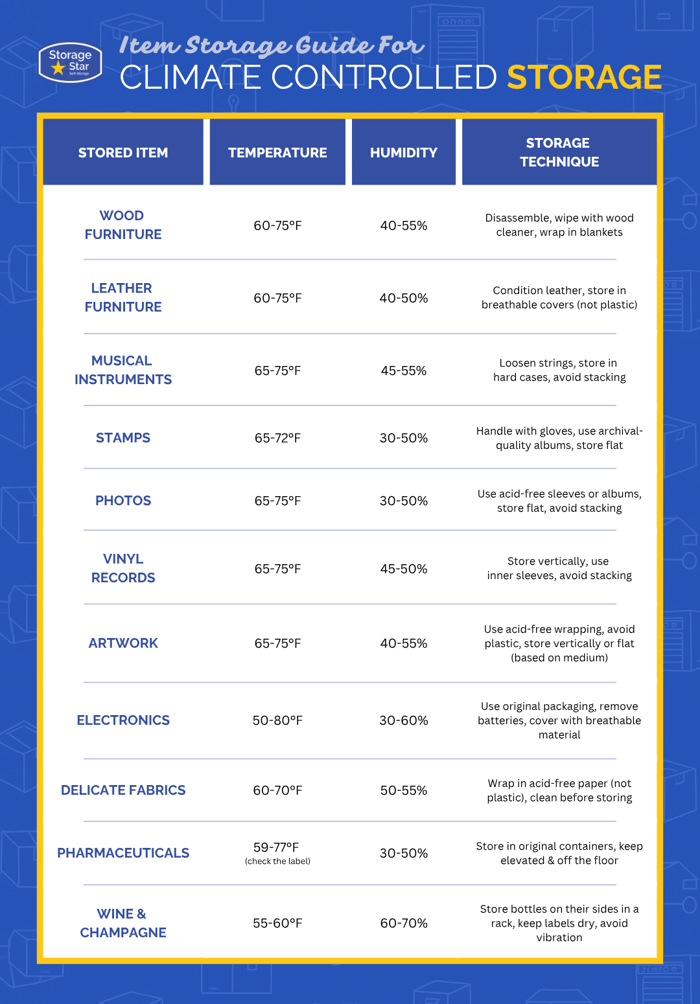
Start by cleaning wooden furniture gently with a soft cloth. Remove dirt and dust to avoid scratches during storage. Use a light coat of furniture polish to protect the wood’s surface. Wrap wooden pieces in breathable blankets or cotton sheets. Avoid plastic wrap, as it traps moisture and can cause warping. Store disassembled parts separately, labeling screws and small pieces clearly. Keep wooden furniture off the floor to prevent moisture damage.
Upholstered Items Handling
Clean upholstery by vacuuming to remove dust and dirt. Spot clean stains with mild detergent and water, then let dry completely. Cover upholstered furniture with breathable fabric covers or old sheets. Avoid plastic covers that trap moisture and encourage mold growth. Use soft padding on corners and edges to prevent tears. Place furniture in a dry, well-ventilated space inside the storage unit. Keep air circulation in mind to maintain fabric quality.
Leather And Metal Pieces
Clean leather with a damp cloth and leather conditioner to keep it supple. Avoid storing leather in plastic as it can dry out or crack. Wrap leather furniture in cotton blankets or cloth covers. For metal items, clean off dust and rust before storage. Apply a thin coat of rust inhibitor if needed. Wrap metal pieces with padding or bubble wrap to avoid scratches. Store metal furniture in a dry area to prevent rust and corrosion.
Arranging Furniture In The Storage Unit
Arranging furniture in a climate-controlled storage unit needs careful planning. Proper arrangement protects your items and maximizes space. It also prevents damage from moisture and pressure. Follow these simple steps to organize your furniture effectively.
Stacking Tips And Weight Distribution
Place heavy furniture at the bottom. Stack lighter pieces on top to avoid crushing. Use sturdy items as a base to support others. Avoid stacking too high to keep stability. Keep fragile furniture separate to prevent damage.
Leaving Space For Air Circulation
Leave gaps between furniture pieces for air flow. Good circulation reduces moisture build-up and mold risk. Do not push items directly against walls. Keep space around each piece to allow air movement. This helps maintain the quality of your furniture.
Using Pallets Or Floor Coverings
Place pallets or floor coverings under furniture. This keeps items off the cold, damp floor. Pallets protect from moisture and pests. Use plastic sheeting or blankets on the floor if pallets are unavailable. This adds an extra layer of protection for your furniture.
Maintaining Furniture During Storage
Maintaining furniture during storage protects your items from damage and keeps them looking good. Climate-controlled units help control temperature and humidity but require care to avoid problems. Simple steps help prevent issues like mold, pests, and wear.
Regular Inspections
Check your furniture often to catch problems early. Look for signs of moisture, mold, or pest damage. Inspect corners, seams, and undersides carefully. Early detection saves costly repairs later. Schedule inspections every month or two.
Dealing With Moisture And Mold
Moisture causes wood to warp and mold to grow. Avoid plastic wrap that traps moisture. Use breathable covers like cotton sheets or blankets. Place silica gel packs or moisture absorbers nearby. Keep airflow in the storage unit by not blocking vents.
Pest Prevention Strategies
Furniture attracts pests like insects and rodents. Clean furniture before storage to remove food or dirt. Seal cracks and holes in the storage unit. Use pest repellents safe for indoor use. Elevate furniture off the floor on pallets or blocks to reduce pest access.
Common Mistakes To Avoid
Packing furniture for climate-controlled storage requires care and attention. Mistakes can cause damage and extra costs. Avoid these common errors to keep your furniture safe and in good shape. Proper preparation helps protect your belongings from moisture, dust, and temperature changes. Here are some common mistakes to avoid.
Using Non-breathable Covers
Covering furniture with plastic wrap or tarps traps moisture. This creates condensation and leads to mold and mildew. Use breathable covers like cotton sheets or furniture blankets instead. These allow air circulation and keep dust away. Avoid using thick plastic or vinyl covers.
Ignoring Climate Control Needs
Not choosing climate-controlled storage risks damage from heat and humidity. Wood can warp, and leather can crack without proper temperature control. Metal parts may rust. Always opt for climate control to protect delicate and valuable furniture. This helps maintain stable conditions year-round.
Improper Disassembly And Packing
Failing to disassemble large furniture wastes space and increases damage risk. Remove legs, cushions, and drawers before storage. Wrap each part separately with padding or blankets. Keep screws and small parts in labeled bags. This makes reassembly easier and prevents loss or breakage.

Credit: www.compassselfstorage.com
Frequently Asked Questions
How To Wrap Furniture For Long Term Storage?
Clean and dry furniture thoroughly. Disassemble if possible. Wrap with breathable cloths or blankets to prevent moisture. Avoid plastic wrap. Use corner protectors. Store in a climate-controlled space to prevent damage from humidity and temperature changes. Place furniture off the floor on pallets or boards.
What Are The 4 D’s Of Self Storage?
The 4 D’s of self storage are Death, Divorce, Dislocation, and Downsizing. These events often lead to needing storage space.
How To Pack Furniture For A Storage Unit?
Clean and dry furniture before packing. Disassemble large pieces to save space. Wrap with breathable covers or moving blankets. Use drop cloths under items. Place heavy items at the bottom and lighter ones on top. Consider climate-controlled storage to prevent damage.
Do Couches Need To Be Stored In Climate Control?
Couches benefit from climate-controlled storage to prevent damage from humidity, temperature changes, and pests. This protects wood, upholstery, and leather.
Conclusion
Packing furniture for climate-controlled storage protects it from damage. Clean and disassemble pieces before wrapping them carefully. Use breathable covers to avoid moisture buildup. Place heavy items at the bottom and lighter ones on top. Label all hardware clearly for easy reassembly.
Proper packing helps your furniture stay safe and in good shape. This simple approach saves time and money later. Keep these tips in mind for smooth storage and easy access. Your furniture will thank you with lasting quality and appearance.