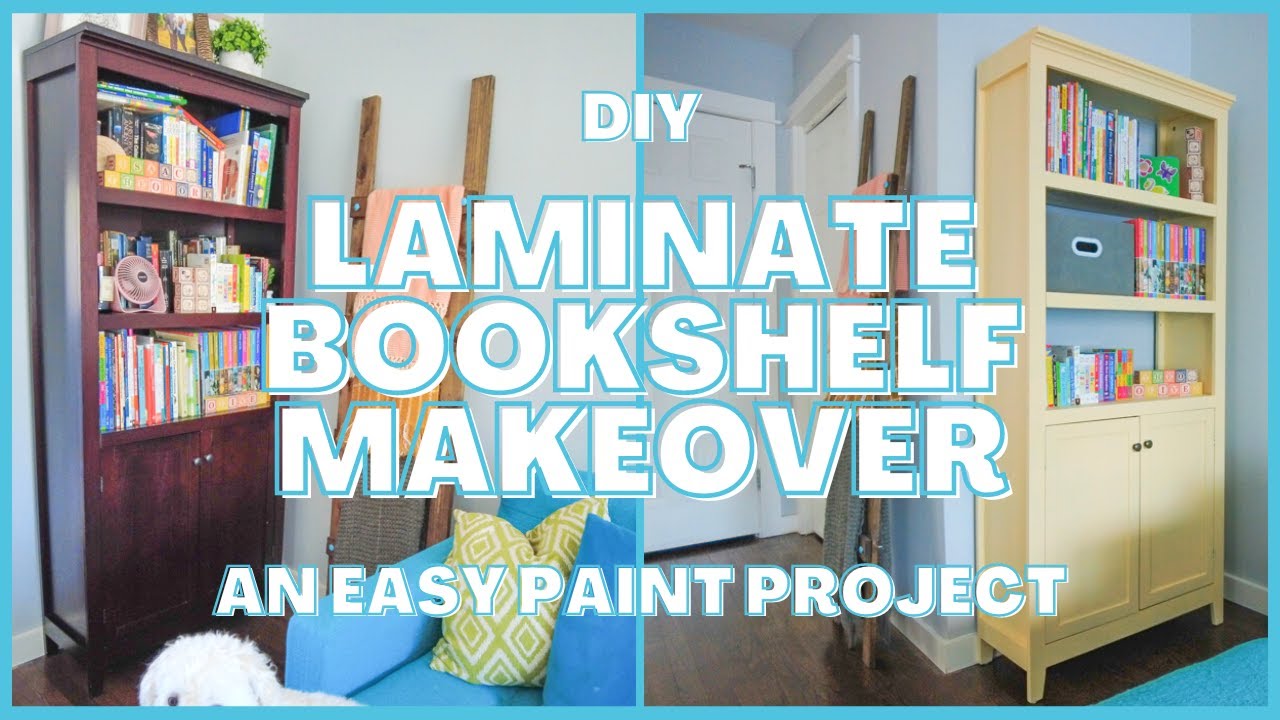
Are you tired of looking at that plain, worn-out laminate bookshelf? Imagine giving it a fresh, vibrant look without spending a fortune on a new one.
Painting a laminate bookshelf might sound tricky, but with the right steps, you can transform it into a stunning piece that matches your style. In this guide, you’ll discover simple, easy-to-follow tips that make the process smooth and rewarding. Ready to turn your old bookshelf into something you’ll love?
Let’s dive in and get started!
Preparing The Bookshelf
Preparing a laminate bookshelf for painting is a vital step. It ensures the paint sticks well and looks smooth. Skipping this process can cause peeling and uneven color. Taking time to prepare saves work later and gives better results.
Cleaning And Removing Dust
Start by wiping the bookshelf with a damp cloth. This removes dust, dirt, and grease. Use mild soap mixed with water for tough spots. Dry the surface completely before moving on. A clean surface helps the paint to hold better.
Sanding The Surface
Lightly sand the laminate using fine-grit sandpaper. This roughens the smooth finish so paint can grip. Sand in small, circular motions to avoid scratches. Wipe away dust after sanding with a dry cloth. Sanding is key for a lasting paint job.
Repairing Scratches And Chips
Check the bookshelf for any scratches or chips. Fill small holes with wood filler or putty. Smooth the filler with a putty knife and let it dry. Sand the repaired areas gently until smooth. Fixing damage prevents paint from cracking or peeling.
Credit: www.youtube.com
Gathering Materials
Gathering the right materials is the first step to paint a laminate bookshelf. Preparing well helps the paint stick better and last longer. It also makes the job easier and neater. Below are the key items to collect before starting your project.
Choosing The Right Paint
Select paint made for laminate surfaces. Look for paints labeled “adhesion” or “bonding” primer included. Acrylic latex paint works well on laminate. It dries fast and cleans up with water. Avoid regular wall paint; it may peel off quickly.
Selecting Brushes And Rollers
Use synthetic brushes for smooth, even coats. Foam rollers are good for flat surfaces. They help avoid brush marks and drips. Pick a small brush for corners and edges. This gives a clean, professional look to your bookshelf.
Additional Supplies Needed
Gather sandpaper with fine grit to roughen the surface. Clean cloths remove dust after sanding. Painter’s tape protects areas you don’t want to paint. A drop cloth keeps your floor safe from spills. Primer is important for better paint adhesion.
Priming The Laminate Surface
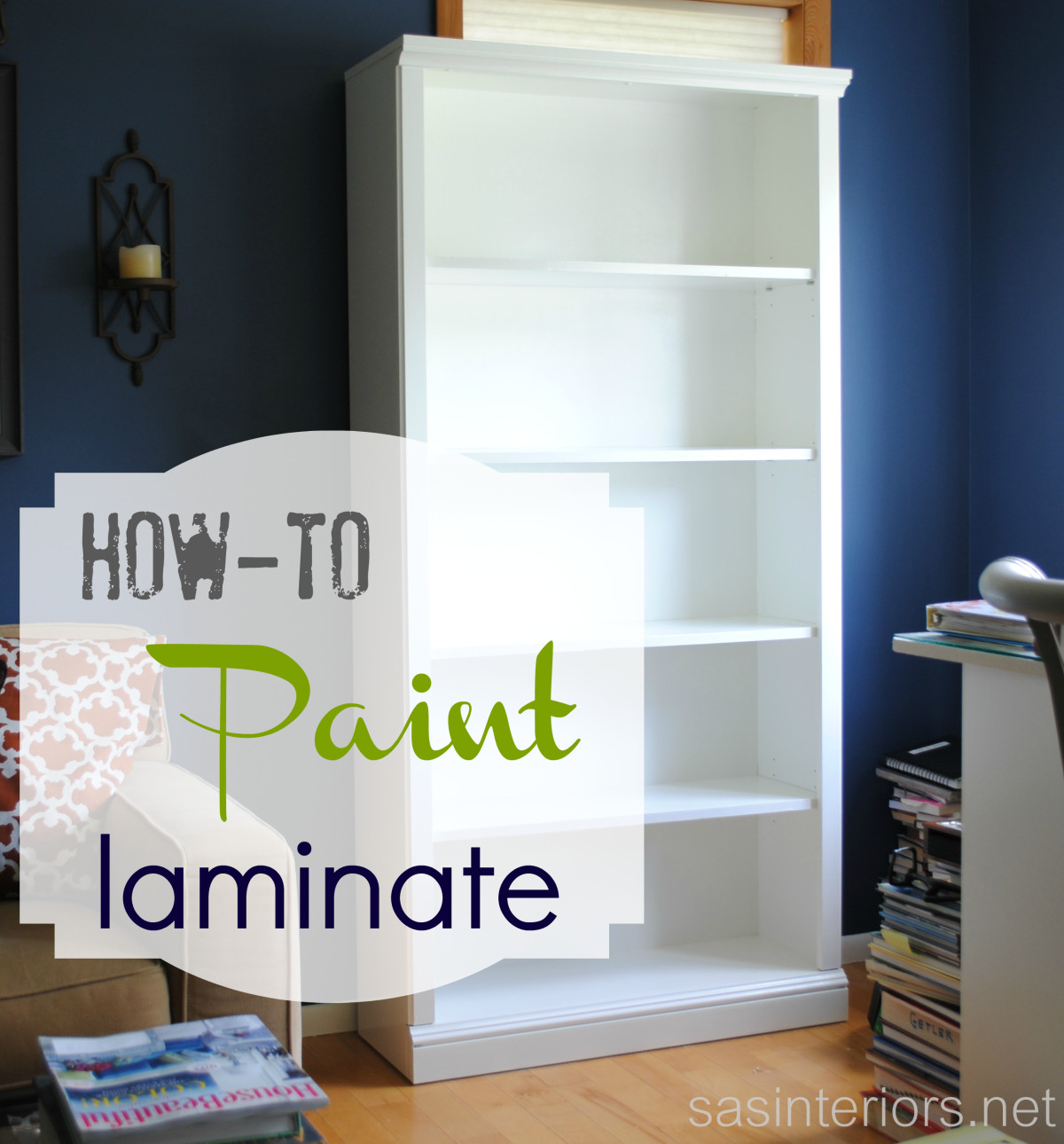
Priming the laminate surface is an essential step before painting a bookshelf. It helps paint stick better and prevents peeling. Without primer, paint may chip off easily. A good primer creates a smooth base for the paint. It also hides any stains or marks on the laminate.
Choose a primer made for laminate or slick surfaces. These primers have special formulas to bond well. Clean the shelf thoroughly before priming. Remove dust, dirt, and grease to ensure good adhesion. Use a damp cloth and mild soap, then let it dry completely.
Applying Primer Evenly
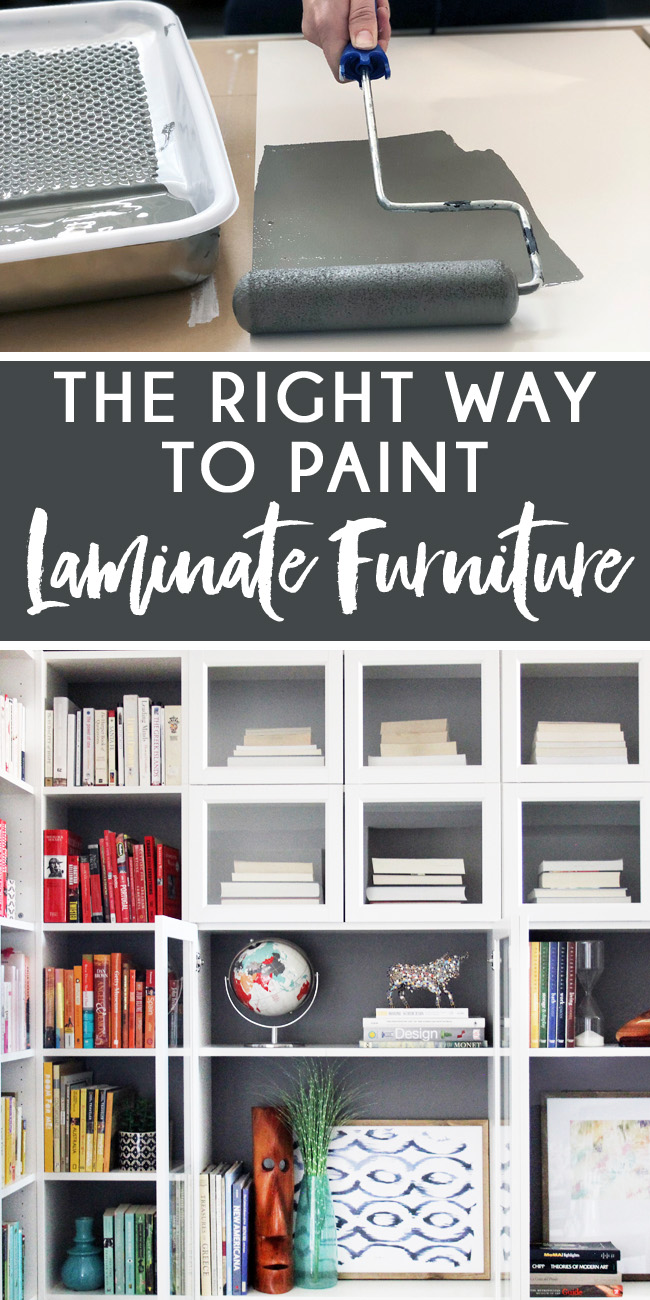
Use a high-quality brush or foam roller for even coverage. Apply a thin, smooth layer of primer over the entire surface. Avoid thick coats that can drip or bubble. Work in small sections to control the application. Brush in one direction for a uniform finish. Check for missed spots and cover them carefully.
Drying Time And Tips
Allow the primer to dry fully before painting. Drying usually takes one to two hours. Check the label for exact drying times. Keep the room well-ventilated to speed drying. Avoid touching or moving the shelf during this time. If the primer feels sticky, wait longer before painting.
Credit: jennaburger.com
Painting Techniques
Painting a laminate bookshelf requires the right techniques to get a smooth and long-lasting finish. The choice of tools and how you apply paint affects the final look. Using the right method helps the paint stick well and avoids peeling or chipping. Below are some key painting techniques to make your bookshelf look great.
Using Brush Vs Roller
A brush works well for edges and corners where detail matters. It helps reach small spaces that rollers cannot. Brushes give you more control but can leave visible strokes if not careful.
Rollers cover large flat surfaces faster and give a smooth finish. Use a small foam roller for laminate to avoid bubbles. Rollers save time and make the surface even.
Combining both tools often works best. Start with a brush on edges, then use a roller on broad areas.
Applying Multiple Coats
One coat of paint rarely covers laminate well. Applying two or three thin coats ensures full coverage. Thin coats dry faster and reduce drips.
Wait 1 to 2 hours between coats for proper drying. Lightly sanding between coats improves paint adhesion. Use fine sandpaper and clean dust before painting again.
Patience is key. Multiple coats create a durable and smooth finish on your bookshelf.
Avoiding Common Painting Mistakes
Do not skip cleaning the surface. Dust and grease stop paint from sticking. Use soap and water to clean well, then dry completely.
Avoid thick paint layers that cause drips and uneven texture. Thin coats work best for laminate surfaces.
Do not paint in a humid or dusty area. These conditions affect drying and finish quality. Choose a clean, dry space with good airflow.
Finishing Touches
Finishing touches make your painted laminate bookshelf look complete and last longer. This final step protects your work and adds charm. Small details can make a big difference in the final look. Follow these simple steps to finish your project perfectly.
Sealing The Paint
Sealing keeps the paint safe from scratches and wear. Use a clear polyurethane or acrylic sealer. Choose a finish that matches your style: matte, satin, or glossy. Apply thin, even coats with a brush or spray. Let each coat dry fully before adding the next. This helps the paint stay bright and strong for years.
Adding Decorative Details
Decorative touches give your bookshelf character and style. Use stencils to create patterns or shapes. Try painting small designs on edges or shelves. Add new knobs or handles for a fresh look. Consider using painter’s tape to make clean lines. These details make your bookshelf unique and eye-catching.
Curing Time Before Use
Let your bookshelf rest before loading it with books. Curing means the paint and sealer harden fully. This usually takes 24 to 72 hours. Avoid placing heavy items until then. This step prevents scratches and dents. Patience now means a sturdy, beautiful bookshelf later.
Credit: www.blueistyleblog.com
Maintenance Tips
Maintaining a painted laminate bookshelf keeps it looking fresh and new. Simple care steps protect the paint and extend the life of your furniture. Follow these easy tips to keep your bookshelf clean and damage-free.
Cleaning Painted Laminate
Use a soft cloth or sponge to clean the surface. Avoid abrasive cleaners or rough scrubbers that can scratch the paint. Mild soap mixed with water works best for removing dust and stains. Wipe gently and dry with a clean towel to prevent water marks. Clean spills quickly to avoid paint damage.
Preventing Damage Over Time
Place your bookshelf away from direct sunlight to stop paint fading. Use coasters or mats under heavy or sharp objects to prevent scratches. Avoid dragging items across the painted surface. Regularly check for chips or cracks and touch up with matching paint. Keep the room humidity steady to avoid warping or peeling paint.
Frequently Asked Questions
How Do You Prepare A Laminate Bookshelf For Painting?
Clean the surface thoroughly with a degreaser. Lightly sand the laminate to create texture. Remove dust with a damp cloth before priming.
What Type Of Paint Works Best On Laminate?
Use a high-quality bonding primer and acrylic latex paint. These adhere well and provide a smooth, durable finish.
How Many Coats Of Paint Are Needed On Laminate?
Apply two to three thin coats. Allow each coat to dry completely for an even, lasting finish.
Can I Use Spray Paint On A Laminate Bookshelf?
Yes, spray paint designed for laminate surfaces works well. It offers smooth coverage and reduces brush marks.
Conclusion
Painting a laminate bookshelf can change its look completely. Use the right tools and paint for the best results. Take your time with each step to avoid mistakes. Sanding and priming help the paint stick better. Choose colors that match your room style.
Enjoy the process and the new feel of your bookshelf. A fresh coat of paint brings new life to old furniture. Try this simple project to brighten your space today.
