Are your outdoor wicker furniture pieces looking tired and worn out? You don’t have to replace them to bring new life to your patio or garden.
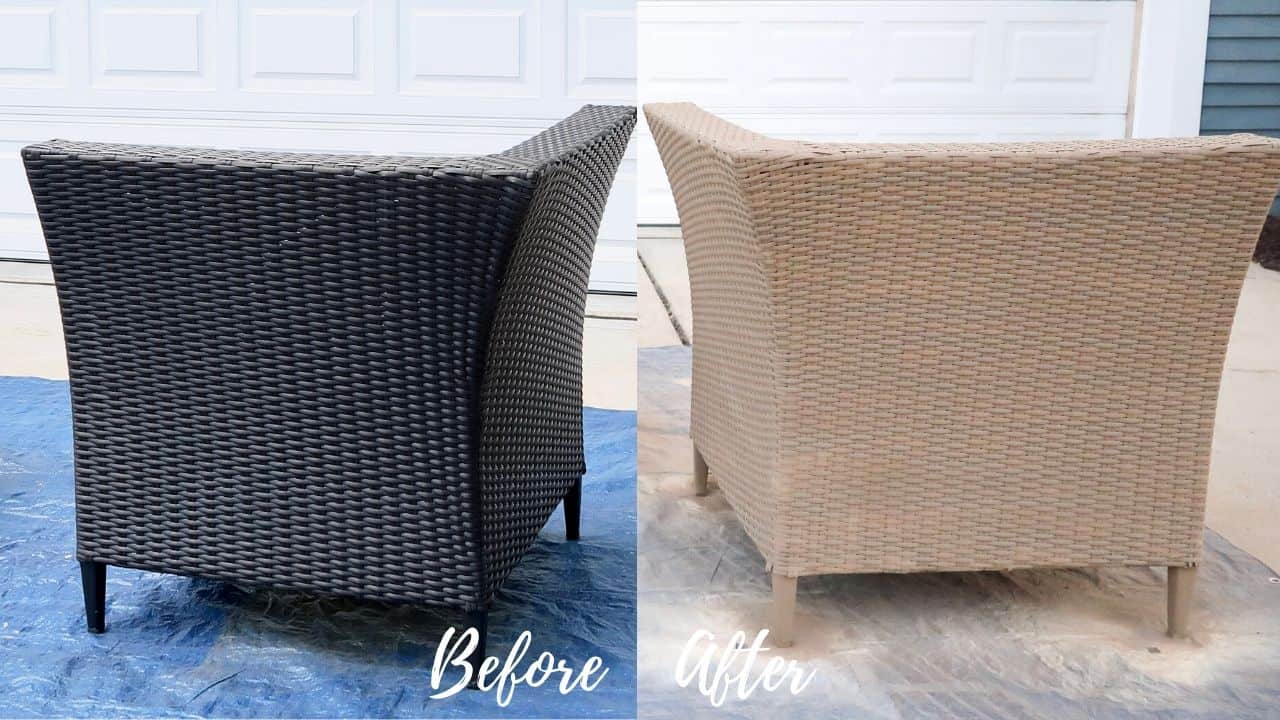
Painting your wicker furniture is a simple and affordable way to transform its look and protect it from the elements. In this guide, you’ll discover easy steps to refresh your wicker with paint that lasts. Whether you want a bold pop of color or a classic finish, you’ll learn how to make your outdoor space feel fresh and inviting.
Ready to give your furniture a makeover you’ll love? Let’s get started!
Credit: 1stplaceidaho.com
Choosing The Right Paint
Choosing the right paint is key to making your outdoor wicker furniture last. The paint must protect against sun, rain, and wind. It also needs to stick well to the wicker surface. Using the wrong paint can cause peeling and fading fast. Selecting the proper paint improves beauty and durability.
Types Of Outdoor Paints
Latex paint works well on wicker. It is water-based, easy to clean, and dries fast. Oil-based paint offers strong protection but takes longer to dry. It also has a stronger smell. Spray paints designed for outdoor use can reach tight spots. Choose paints marked for outdoor or exterior use. These have additives to resist weather damage.
Best Paint Finishes For Wicker
Satin finish paint provides a soft shine and hides dirt well. It balances beauty and practicality. Semi-gloss finish offers more shine and is easier to wipe clean. Flat or matte finishes hide imperfections but may show stains. Pick a finish that fits your style and cleaning habits. Satin or semi-gloss finishes often work best outdoors.
Color Selection Tips
Light colors reflect sunlight and keep furniture cool. Dark colors absorb heat but can look sleek. Choose colors that match your outdoor space and décor. Bright colors can add a fun, lively touch. Neutral tones create a calm, classic look. Test paint samples on a small area first. This helps you see the true color in sunlight.
Preparing Wicker Furniture
Preparing wicker furniture is the first step before painting. It helps the paint stick well and last longer. Taking time to prepare ensures a smooth, even finish. Start by cleaning, then sanding, and finally repairing any damage. Each step is important for the best result.
Cleaning And Removing Dirt
Remove all dust and dirt from the wicker surface. Use a soft brush to get into the crevices. Mix mild soap with water and gently scrub the furniture. Rinse with clean water and let it dry completely. Clean furniture helps paint stick better and look fresh.
Sanding For Better Adhesion
Lightly sand the wicker with fine-grit sandpaper. This creates a rough surface for the paint to grip. Avoid sanding too hard to prevent damage. Wipe away dust with a dry cloth after sanding. Sanding improves paint adhesion and prevents peeling.
Repairing Damages
Check the furniture for broken or loose wicker strands. Use wood glue to fix small breaks. Clamp the pieces until the glue dries. For bigger damage, replace strands if possible. Repairing keeps the furniture strong and ready for painting.
Priming The Surface
Priming the surface is a key step before painting wicker furniture for outdoors. It helps paint stick better and last longer. Without primer, paint may peel or chip quickly. This step also protects the wicker from moisture and weather damage. Proper priming creates a smooth base for your paint. Let’s explore how to choose and apply the right primer.
Selecting A Suitable Primer
Choose a primer made for outdoor use. Look for one that works on wicker or similar materials. Oil-based primers provide strong adhesion and water resistance. Water-based primers dry faster and have less odor. Pick a primer that suits your paint type, either oil or water-based. Check product labels to ensure compatibility. A good primer prevents peeling and extends paint life.
Applying Primer Correctly
Clean the wicker before priming. Remove dirt and dust with a soft brush or cloth. Apply primer using a brush or spray. Use thin, even coats to avoid drips. Cover all surfaces, including crevices and corners. Let the first coat dry before applying a second. Two coats ensure better coverage and durability. Avoid heavy layers that can hide the wicker’s texture.
Drying Time Considerations
Follow the primer’s recommended drying time. Drying usually takes 1 to 4 hours. Dry time changes with temperature and humidity. Paint only after the primer is fully dry. Touch the surface to check for tackiness. Rushing can cause paint to peel or bubble. Patience here leads to a smoother, longer-lasting finish.

Credit: porchdaydreamer.com
Painting Techniques
Painting wicker furniture for outdoors needs careful technique. The right method helps the paint last longer. It also keeps the furniture looking nice.
Use the best way to apply paint. That makes the job easier and the result better. Consider the type of paint and the furniture shape.
Brush Vs. Spray Painting
Brush painting works well for small areas and detailed work. It gives control and a smooth finish. Use a soft brush to avoid damage.
Spray painting covers large areas fast. It reaches spots that brushes miss. Hold the spray can 6-12 inches from the surface. Use light, even strokes.
Both methods can work. Choose based on your furniture size and your comfort.
Applying Thin Coats
Thin coats dry faster and last longer. Thick paint can crack or peel outside. Apply several thin layers instead of one thick layer.
Wait 15-30 minutes between coats. Check the paint feels dry before next coat. Thin layers create a strong, even finish.
Reaching Tight Spots
Wicker has many small gaps and curves. Use a small brush to reach these tight spots. A foam brush or artist brush works well.
Spray paint can also reach tight spots easily. Turn the furniture to access all angles. Take your time for full coverage.
Sealing And Protection
Sealing and protecting painted wicker furniture is key for outdoor use. It keeps the paint from chipping or fading. It also guards against moisture and sun damage. Proper sealing helps your furniture last longer and look fresh.
Choosing A Durable Sealer
Select a sealer made for outdoor use. Look for waterproof and UV-resistant labels. Clear acrylic sealers work well on painted wicker. They protect without changing the color or texture. Avoid sealers that yellow over time.
Application Methods
Use a brush or spray to apply the sealer. Brush carefully to reach all the wicker grooves. Spraying helps cover tricky spots evenly. Apply thin, even coats to avoid drips. Let each coat dry fully before adding another.
Maintaining The Finish
Clean your furniture regularly with a soft brush. Avoid harsh chemicals that can damage the sealer. Reapply the sealer every year or after heavy rain. Touch up any areas where paint or sealant peels. Proper care keeps your wicker looking great outdoors.
Caring For Painted Wicker Outdoors
Caring for painted wicker outdoors keeps your furniture looking fresh and new. Painted wicker needs regular care to fight dirt and weather effects. Proper maintenance helps the paint last longer and protects the wicker underneath.
Cleaning Tips
Clean painted wicker with a soft brush or cloth. Use mild soap and water to remove dirt and dust. Avoid harsh chemicals that can damage the paint. Rinse well and let the furniture dry completely. Clean regularly to prevent buildup and keep colors bright.
Preventing Weather Damage
Protect painted wicker from rain and sun to avoid fading. Cover furniture with waterproof covers during bad weather. Move pieces under shelter during heavy rain or snow. Use UV-resistant paint to reduce sun damage. Store furniture indoors during winter for extra protection.
Touch-up Strategies
Check painted wicker for chips or scratches often. Use matching outdoor paint to fix small spots quickly. Sand the area lightly before painting for better adhesion. Apply thin, even coats and let dry fully. Regular touch-ups keep furniture looking smooth and fresh.
Credit: www.homeright.com
Frequently Asked Questions
How Do I Prepare Wicker Furniture For Outdoor Painting?
Clean the wicker thoroughly using mild soap and water. Remove dirt and dust, then let it dry completely. Sand any rough spots lightly to ensure paint adhesion.
What Type Of Paint Is Best For Outdoor Wicker?
Use exterior-grade acrylic or latex paint designed for outdoor use. These paints resist moisture and fading, providing long-lasting protection for wicker furniture.
How Many Coats Of Paint Should I Apply On Wicker?
Apply two to three thin coats of paint. Allow each coat to dry fully before applying the next for an even and durable finish.
Can I Use Spray Paint On Wicker Furniture Outdoors?
Yes, spray paint designed for outdoor use works well on wicker. It reaches tight spaces and provides a smooth, even coat.
Conclusion
Painting wicker furniture for outdoors can refresh its look and protect it well. Start with cleaning and sanding for the best paint hold. Choose paint made for outdoor use and apply thin coats. Let each coat dry fully before adding the next.
This simple process helps your furniture stay beautiful longer. Enjoy your refreshed outdoor space with bright, colorful wicker pieces. Regular care keeps the paint fresh and your furniture strong. Try these tips to make your outdoor wicker look great year-round.