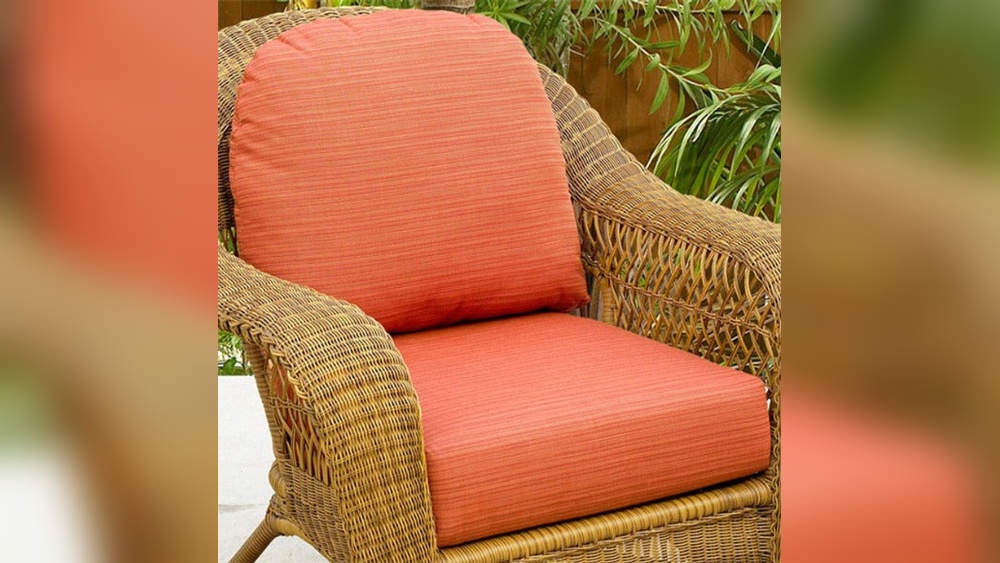
Are your wicker outdoor furniture pieces looking tired and worn out? You don’t have to buy new ones to refresh your outdoor space.
Painting your wicker furniture can bring new life to it, making your patio look inviting and stylish again. In this guide, you’ll learn simple, step-by-step techniques to paint your wicker furniture like a pro. Imagine how satisfying it will feel to sit back and enjoy your beautifully transformed outdoor set.
Ready to give your wicker furniture a fresh, vibrant look? Let’s get started!
Choosing The Right Paint
Choosing the right paint is important for painting outdoor wicker furniture. The paint protects the furniture from weather and wear. It also makes the furniture look fresh and beautiful. Selecting the correct paint helps your furniture last longer and stay strong.
Types Of Paint For Outdoor Use
Use paint made for outdoor furniture. Acrylic latex paint works well. It sticks to wicker and dries fast. Oil-based paint is tough and water-resistant. It lasts longer but takes more time to dry. Spray paints designed for outdoor use give even coverage. Choose one that suits your project and tools.
Color Selection Tips
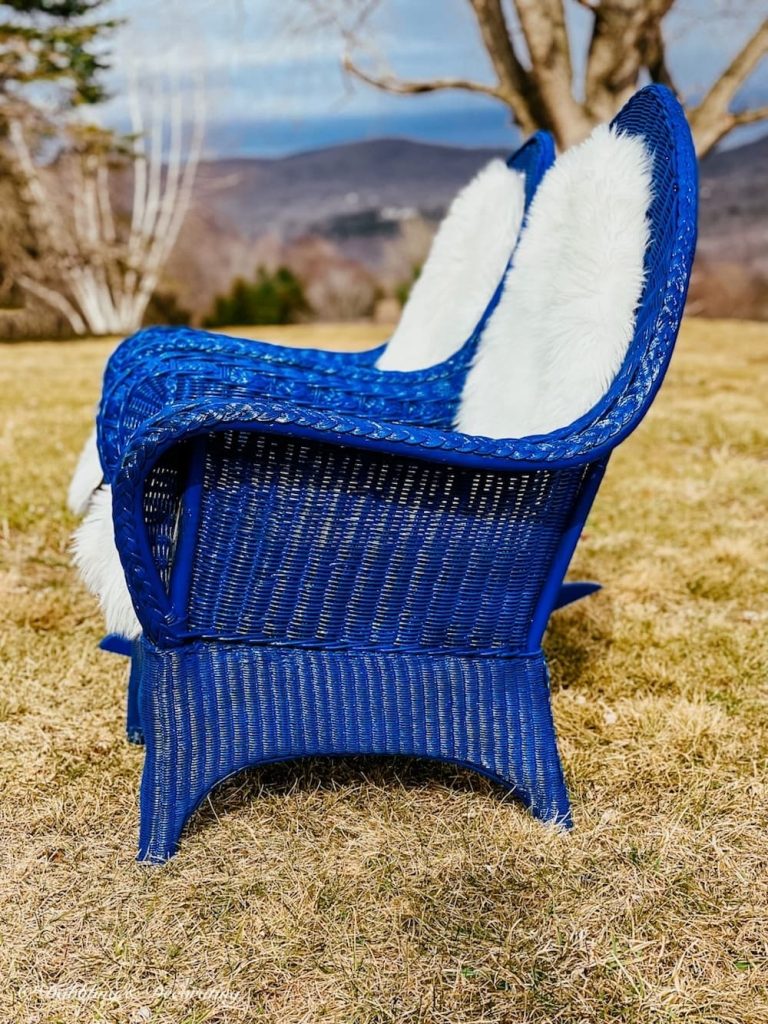
Pick colors that match your outdoor space. Light colors keep furniture cool in sun. Dark colors hide dirt better. Bright colors add fun and style. Think about how the color looks in sunlight. Test a small spot before painting all furniture.
Eco-friendly Options
Eco-friendly paints have less harmful chemicals. They are safer for you and the environment. Water-based paints often have low VOC levels. Choose paints labeled “non-toxic” or “low VOC.” These paints protect nature and keep air clean.
Credit: www.dabblinganddecorating.com
Preparing The Furniture
Preparing your wicker outdoor furniture properly is key to a lasting paint job. This step helps the paint stick well and look fresh for a long time. Cleaning, sanding, and repairing are important tasks to do before painting. Each step makes sure your furniture is ready to shine with new color.
Cleaning And Removing Dirt
Start by cleaning the furniture thoroughly. Use a soft brush or cloth to remove loose dirt and dust. Mix mild soap with water and scrub gently to get rid of grime. Rinse with clean water and let the furniture dry completely. Dirt and dust can stop paint from sticking properly.
Sanding For Smooth Surface
Sanding smooths the surface and removes old paint flakes. Use fine-grit sandpaper to avoid damaging the wicker. Sand lightly in the direction of the weave. This step helps the paint hold better and look even. After sanding, wipe the furniture with a damp cloth to remove dust.
Repairing Damages
Check the wicker for broken or loose pieces. Fix small breaks with glue made for outdoor use. Replace parts that are too damaged to repair. Make sure repairs dry fully before painting. Repairing ensures your furniture stays strong and looks good after painting.
Priming The Wicker
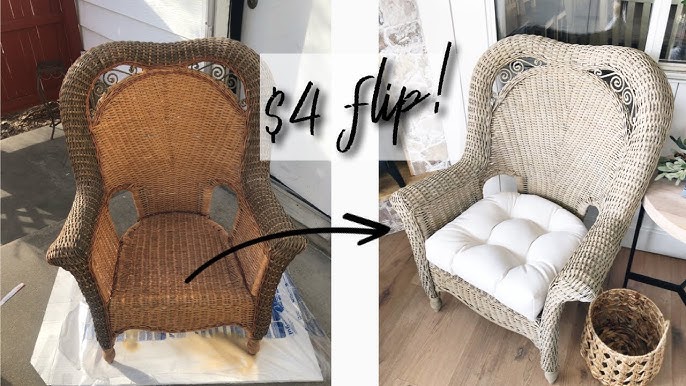
Priming the wicker is a crucial step before painting your outdoor furniture. It helps the paint stick better and last longer. Primer also protects the wicker from moisture and sun damage. Taking time to prime well will make your paint job look smooth and fresh.
Selecting The Best Primer
Choose a primer made for outdoor use. Look for one that works on wicker or wood. Oil-based primers are strong and resist weather well. Water-based primers dry faster and have less smell. Pick a primer that matches your paint type. This ensures good adhesion and durability.
Applying Primer Correctly
Start with a clean, dry surface. Use a brush to reach all the wicker crevices. Apply a thin, even coat of primer. Avoid soaking the wicker to prevent damage. Let the primer cover all areas for full protection. Multiple light coats work better than one thick coat.
Drying Time Considerations
Allow the primer to dry fully before painting. Drying time varies by primer type and weather. Oil-based primers may take longer, up to 24 hours. Water-based primers often dry in 1 to 2 hours. Check the label for exact drying times. Do not rush; wet primer can ruin the paint finish.
Credit: www.youtube.com
Painting Techniques
Painting wicker outdoor furniture requires careful technique to achieve a smooth, lasting finish. Choosing the right method helps paint stick well and look great. This section covers essential painting techniques for your wicker pieces.
Using Brushes Vs. Sprayers
Brushes give control for detailed work on wicker. They help reach tight spots and apply paint slowly. Choose a soft, angled brush for better results.
Sprayers cover large areas quickly. They provide an even coat but may miss deep crevices. Use sprayers outdoors to avoid paint fumes indoors.
Combining both tools can work well. Start with a sprayer, then finish with a brush for details.
Applying Thin, Even Coats
Thin coats dry faster and reduce drips. Apply paint lightly and build layers. Two or three coats often work better than one thick coat.
Allow each layer to dry completely. This prevents peeling and uneven color. Patience leads to a smooth finish.
Handling Corners And Crevices
Wicker has many small spaces. Use a small brush or foam brush to reach corners. Dab paint gently to avoid clumps.
Check all angles before drying. Touch up missed spots quickly. Proper coverage protects furniture from weather damage.
Sealing And Protection
Sealing and protecting your painted wicker outdoor furniture is important. It helps keep the paint fresh and stops damage from weather. A good sealant shields the furniture from rain, sun, and dirt. This step makes your furniture last longer and look better.
Choosing A Suitable Sealant
Select a sealant made for outdoor use. Look for water-resistant or waterproof types. Clear sealants keep the paint color bright. Some sealants add a shiny or matte finish. Pick one that matches your style and needs.
Application Methods
Use a brush or spray to apply the sealant. Brush carefully to cover all surfaces, including corners. Spray works well for even coats on delicate areas. Apply thin layers to avoid drips. Let each coat dry fully before adding another.
Enhancing Durability
Apply two or more coats for stronger protection. Reapply sealant every year or after heavy rain. Keep the furniture clean to maintain the sealant’s effect. Store furniture under a cover during winter or storms. These steps help your wicker furniture stay beautiful longer.
Maintenance Tips
Maintaining painted wicker outdoor furniture keeps it looking fresh and strong. Regular care protects the paint and the wicker underneath. Small efforts save time and money on repairs later.
Cleaning Painted Wicker
Use a soft brush or cloth to remove dirt and dust. Mix mild soap with water for gentle cleaning. Avoid harsh chemicals that can damage paint. Rinse with clean water and dry with a towel. Clean furniture after every outdoor use or at least monthly.
Touch-up Strategies
Check furniture for paint chips or scratches regularly. Use matching paint to cover small damaged areas. Apply thin coats and let each dry fully. Sand rough spots lightly before painting. Keep a small brush handy for quick fixes.
Seasonal Care Advice
Store wicker furniture indoors during harsh weather. Cover pieces with breathable fabric when left outside. Avoid direct sunlight for long periods to prevent fading. Check for moisture and dry furniture quickly. Prepare furniture with a fresh coat of paint each spring.
Credit: 1stplaceidaho.com
Frequently Asked Questions
How Do I Prepare Wicker Furniture For Painting?
Clean the wicker thoroughly with mild soap and water. Let it dry completely. Sand lightly to remove rough spots and old paint. This ensures better paint adhesion and a smooth finish.
What Type Of Paint Is Best For Wicker Furniture?
Use high-quality outdoor acrylic or enamel paint. These paints provide durability and resist weather damage. They also offer good flexibility to prevent cracking on wicker surfaces.
How Many Coats Of Paint Should I Apply?
Apply two to three thin coats for even coverage. Allow each coat to dry fully before the next. Thin coats prevent drips and ensure a long-lasting finish.
Can I Paint Wicker Furniture Without Sanding?
Sanding is recommended but not always necessary. Light sanding helps paint stick better and smooths rough areas. Skip sanding only if the surface is already smooth and clean.
Conclusion
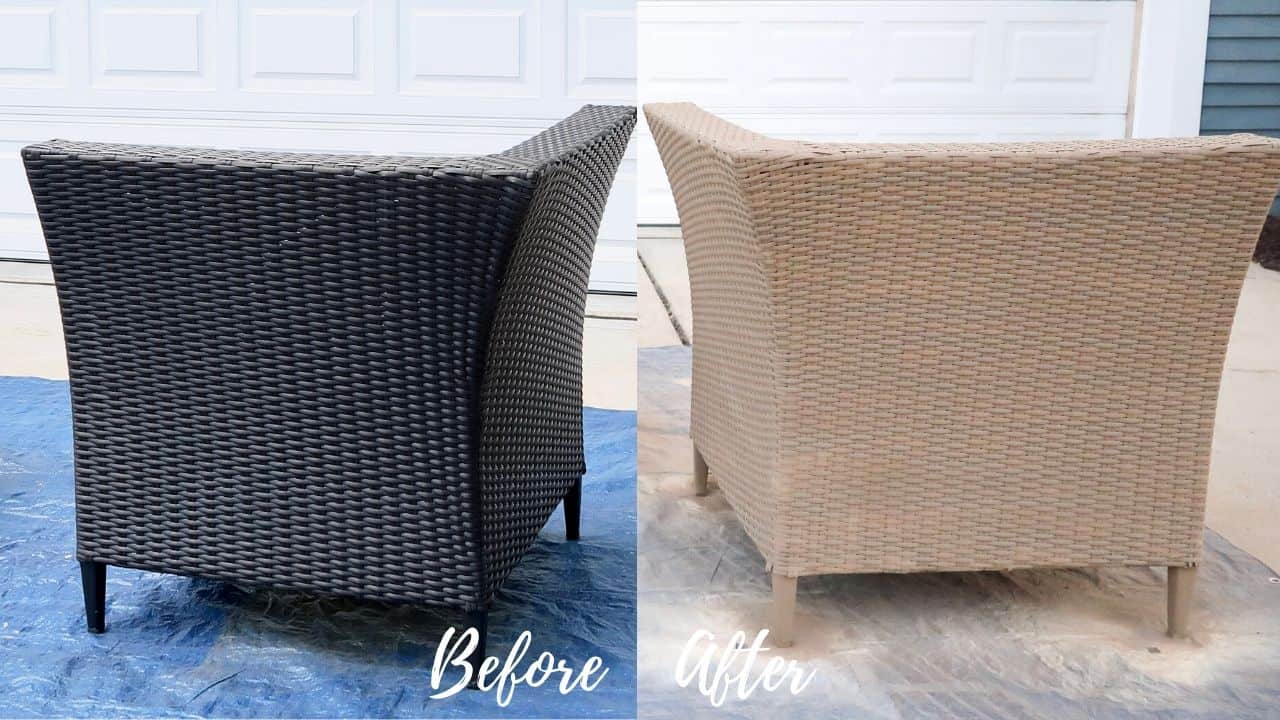
Painting your wicker outdoor furniture can refresh its look and protect it. Take your time to clean and sand the surface well. Choose the right paint and apply thin, even coats. Let each layer dry before adding the next. This process helps your furniture last longer and look great.
A little effort goes a long way in keeping your outdoor space inviting. Enjoy your beautifully painted wicker for many seasons to come. Simple steps, big results.