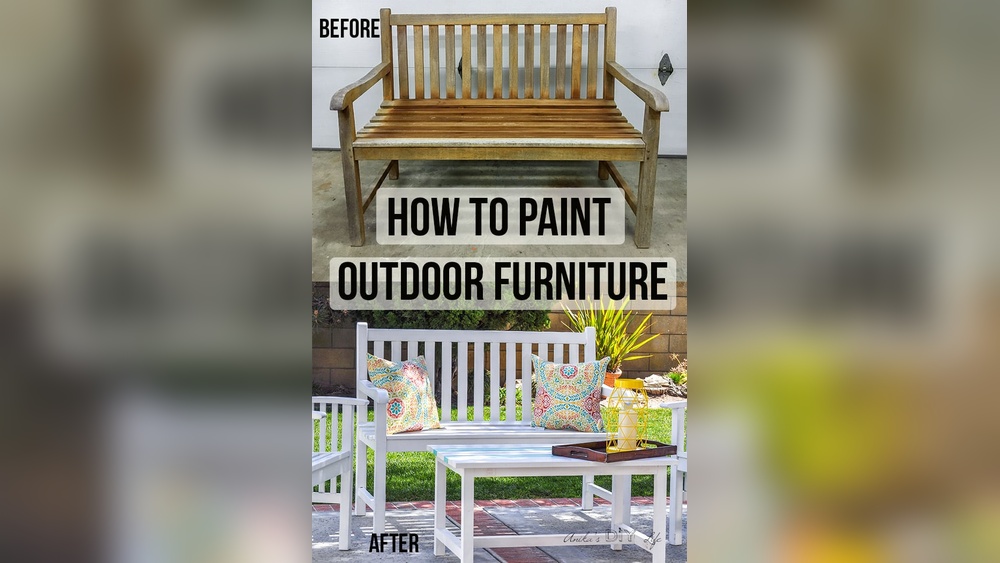
Are you ready to give your outdoor wood furniture a fresh, beautiful look that lasts through every season? Painting wood furniture for outdoors isn’t just about picking a color—it’s about protecting your pieces from weather damage while making your space inviting and stylish.
In this guide, you’ll discover simple steps and insider tips to transform your worn-out furniture into stunning highlights of your patio or garden. Keep reading, and you’ll learn how to make your wood furniture both eye-catching and durable, so you can enjoy your outdoor moments without worry.
Credit: whitneysowles.com
Choosing The Right Paint
Choosing the right paint is key for outdoor wood furniture. The paint must protect the wood from rain, sun, and cold. It should also stick well and last long. Picking the best paint helps keep your furniture looking fresh and strong.
Types Of Outdoor Paints
There are many paints made for outdoor wood. Some are water-based, others oil-based. Water-based paints dry faster and have less smell. Oil-based paints take longer to dry but cover better. Some paints have extra protection against sun damage and moisture.
Benefits Of Oil-based Vs. Latex Paint
Oil-based paint is tough and seals wood well. It handles heavy rain and sun without cracking. Latex paint is easier to clean and dries quickly. It is less likely to yellow over time. Oil-based paint lasts longer on rough wood. Latex paint works well on smooth surfaces and is safer for the environment.
Selecting Weather-resistant Finishes
Use finishes that stop water and block UV rays. These finishes keep paint from peeling and fading. Look for products labeled as weather-resistant or waterproof. Some finishes add a shiny or matte look. Choose one that matches your style and protects your furniture well.
Preparing Wood Furniture
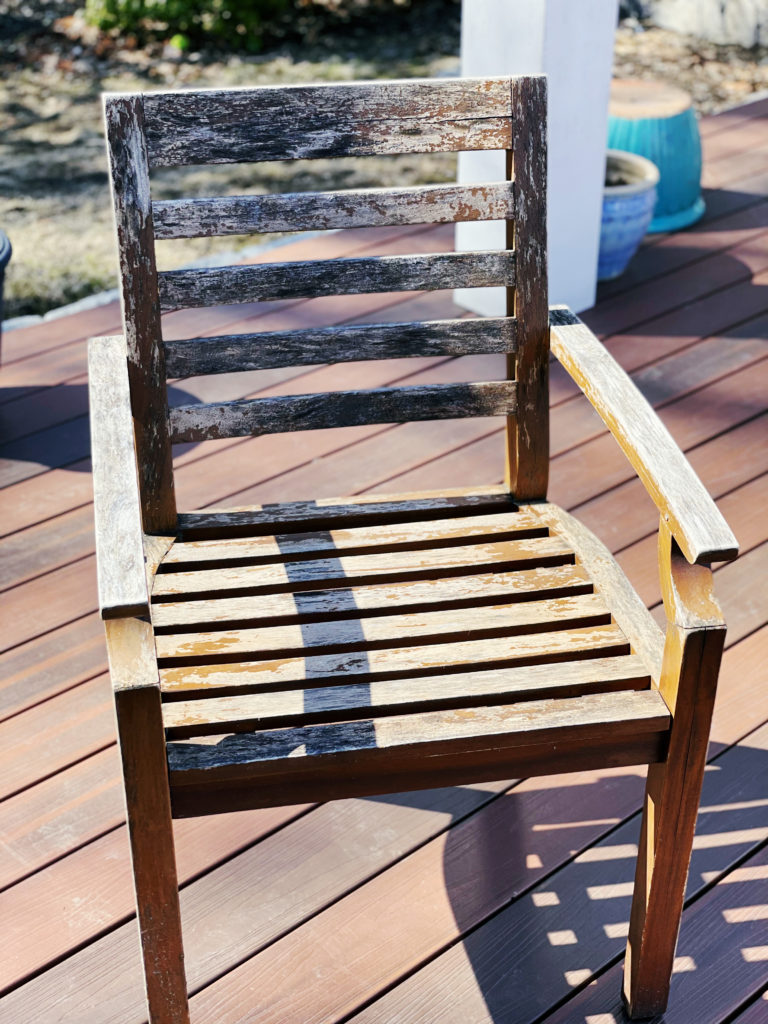
Preparing wood furniture for outdoor painting is a key step. It helps the paint stick well and last longer. Proper preparation protects the wood from weather damage. Clean, smooth, and prime the surface before applying paint. This process makes your furniture look fresh and strong.
Cleaning And Sanding Techniques
Start by cleaning the wood with mild soap and water. Remove dirt, dust, and old paint flakes. Use a scrub brush for stubborn grime. Let the wood dry completely before sanding.
Sand the surface with medium-grit sandpaper. This smooths rough spots and opens the wood pores. Sand along the grain to avoid scratches. Wipe away dust using a damp cloth after sanding.
Repairing Imperfections
Check for cracks, holes, or dents in the wood. Fill these with wood filler using a putty knife. Press the filler firmly and smooth the surface. Allow it to dry fully before sanding it flat. This step creates an even base for painting.
Priming For Durability
Apply a primer designed for outdoor wood. Primer seals the wood and prevents moisture damage. Use a brush or roller for even coverage. Let the primer dry before painting. This step improves paint adhesion and extends the furniture’s life.
Painting Techniques
Painting wood furniture for outdoors needs the right techniques. These methods help the paint last longer and look better. Careful painting protects the wood from weather damage. Good techniques also make the work easier and cleaner.
Choosing how to apply the paint and how much to use are important. Avoiding common mistakes saves time and effort. The right approach gives a smooth, even finish that stands up to sun and rain.
Brush Vs. Spray Methods
Using a brush gives control and lets you paint small areas well. It works best on detailed parts and edges. Brushes can leave marks if not used carefully.
Spray painting covers large surfaces quickly and evenly. It creates a smooth finish with fewer streaks. Spraying needs protection for nearby areas to avoid overspray.
Choose brush for detail and spray for speed and smoothness.
Applying Thin, Even Coats
Thin coats dry faster and stick better than thick ones. Thick paint can drip and take longer to dry. Thin layers build up color and protect the wood well.
Apply paint in smooth, even strokes. Let each coat dry fully before adding the next. This method helps avoid bubbles and uneven spots.
Avoiding Common Painting Mistakes
Don’t paint on dirty or wet wood. Clean and dry surfaces help paint stick. Skip painting in very hot or cold weather to prevent cracking.
Avoid overloading the brush or spray gun. Too much paint causes runs and drips. Keep a steady hand and use light pressure for best results.
Wait for the paint to dry fully before using the furniture outside.
Credit: whitneysowles.com
Protecting Painted Furniture
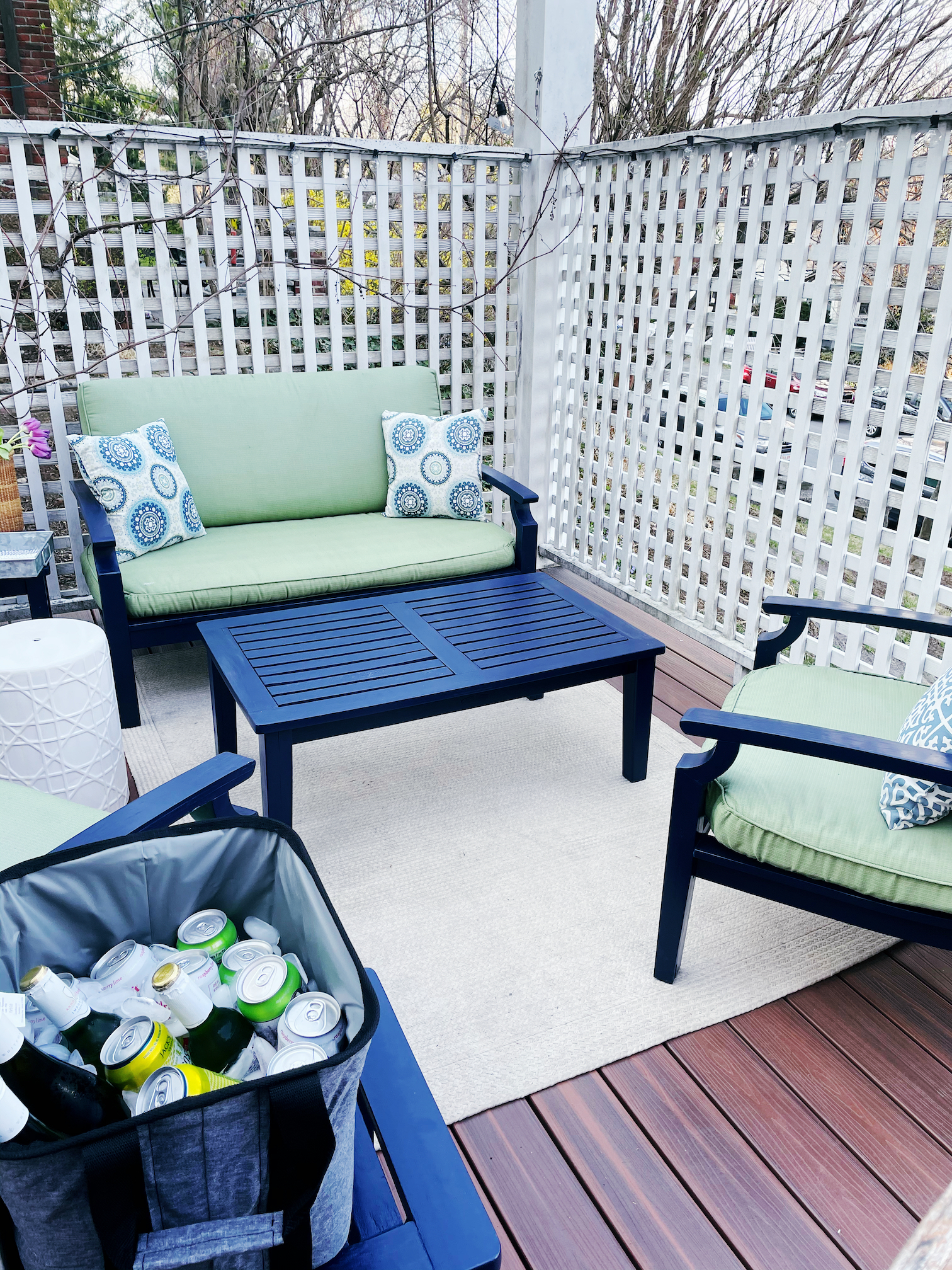
Protecting painted outdoor wood furniture keeps it looking fresh and beautiful. Exposure to sun, rain, and wind can damage paint over time. Proper protection helps maintain color and prevents peeling or cracking. This section explains how to seal, maintain, and store your furniture for long-lasting results.
Sealing With Varnish Or Polyurethane
Seal painted furniture with varnish or polyurethane for extra protection. These clear coatings create a strong shield against moisture and sunlight. Use a brush to apply thin, even layers. Let each coat dry fully before adding the next. Two or three coats work best. Choose a product made for outdoor use to ensure durability.
Maintenance Tips For Longevity
Clean furniture regularly with mild soap and water. Avoid harsh chemicals that can damage the paint. Check for chips or cracks and touch them up quickly. Sand small rough spots lightly before repainting. Keep an eye on the finish and reapply sealant every year or two. Proper care extends the life of your painted furniture.
Storing Furniture During Harsh Weather
Store painted furniture in a dry, covered place during winter or heavy storms. Use furniture covers if indoor storage is not possible. Avoid direct contact with wet ground to prevent wood damage. Move furniture away from direct sunlight to reduce fading. Proper storage protects paint and wood from extreme weather effects.
Creative Finishing Touches
Creative finishing touches bring personality and charm to outdoor wood furniture. These small details make your piece stand out and look unique. They also protect the paint and wood from weather damage. Experimenting with different techniques adds fun to the painting process. Let’s explore some simple yet creative ways to finish your project beautifully.
Adding Decorative Stencils
Stencils offer an easy way to add patterns or designs. Choose shapes like flowers, leaves, or geometric forms. Place the stencil on the dry painted surface. Use a small brush or sponge to apply paint inside the stencil. Remove the stencil carefully to reveal the design. This method adds style without much effort. Use weather-resistant paint for lasting results outdoors.
Using Distressing For Vintage Look
Distressing gives furniture a worn, vintage feel. Start with a solid base color. After the paint dries, lightly sand edges and corners. Focus on areas where natural wear happens. Sanding reveals the wood or previous paint layers. This technique adds character and depth. Seal the piece afterward to protect the distressed look outside.
Incorporating Color Accents
Color accents highlight specific parts of your furniture. Paint drawer knobs, legs, or trims in bright colors. Choose shades that complement the main color. Use painter’s tape to create clean lines and shapes. These pops of color make the furniture lively and fun. Use exterior-grade paint for durability and color retention.
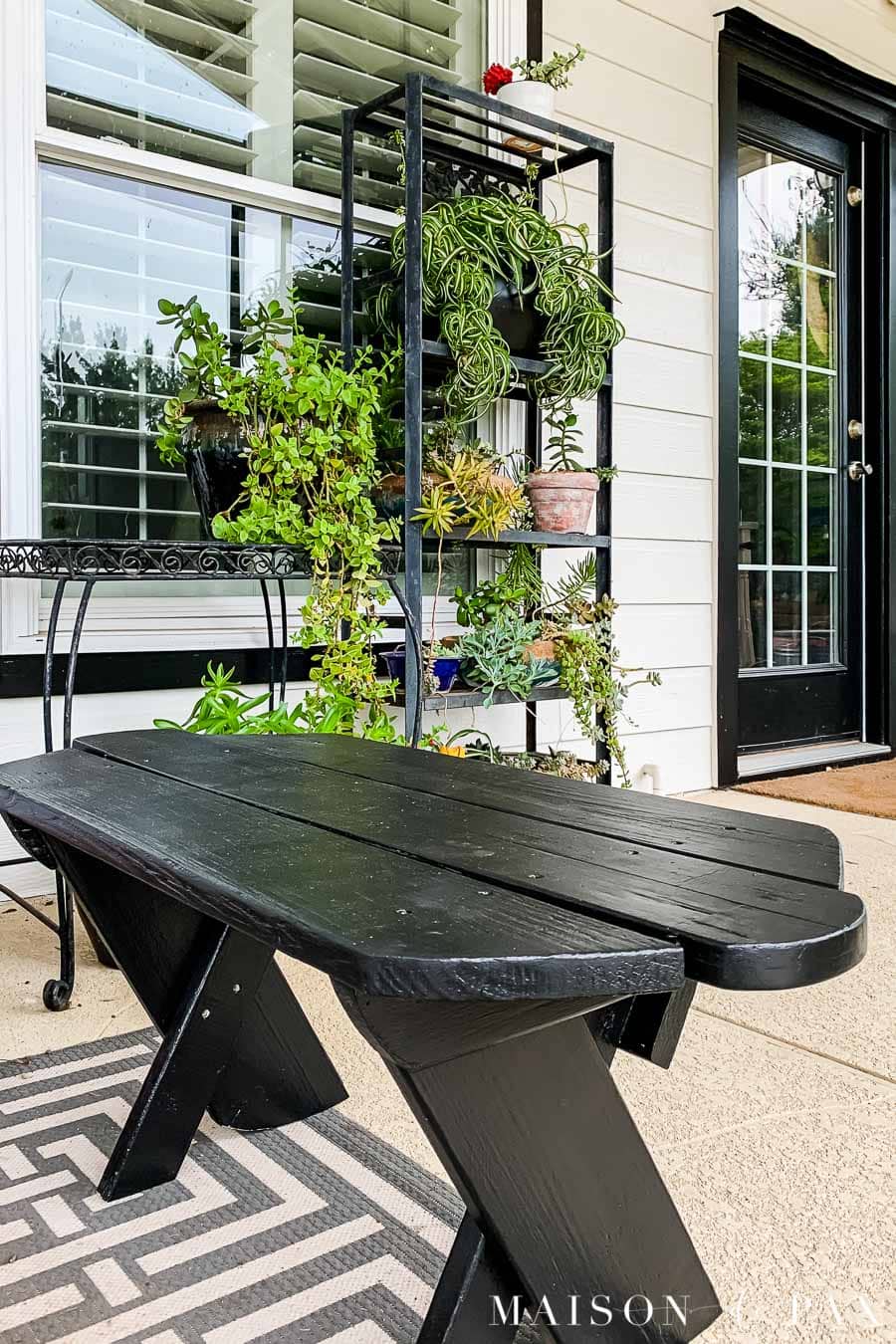
Credit: www.maisondepax.com
Frequently Asked Questions
What Type Of Paint Is Best For Outdoor Wood Furniture?
Use exterior-grade acrylic latex paint for outdoor wood furniture. It resists moisture, UV rays, and temperature changes. This paint ensures durability and protects wood from weather damage. Avoid interior paints as they lack outdoor protection.
How Do I Prepare Wood Before Painting Outdoors?
Start by cleaning the furniture thoroughly to remove dirt and grime. Sand the surface to smooth rough areas and remove old paint. Apply a wood primer to seal and enhance paint adhesion. Proper prep ensures a long-lasting finish.
How Many Coats Of Paint Are Needed For Outdoor Wood?
Apply at least two coats of paint for full coverage and protection. Allow each coat to dry completely before applying the next. Multiple coats improve durability and help resist weather damage.
Can I Use Spray Paint On Outdoor Wood Furniture?
Yes, spray paint can be used for an even finish on outdoor wood. Choose a spray paint designed for exterior use. Apply in thin, even layers and allow adequate drying time between coats.
Conclusion
Painting wood furniture for outdoors protects it from weather damage. Clean and sand the surface well before painting. Choose paint designed for outdoor use to ensure durability. Apply primer for better paint adhesion and longer life. Use thin, even coats and let each dry fully.
Regular maintenance keeps your furniture looking fresh and strong. A little care goes a long way in preserving wood. Enjoy your beautifully painted outdoor furniture for years to come. Simple steps, great results.