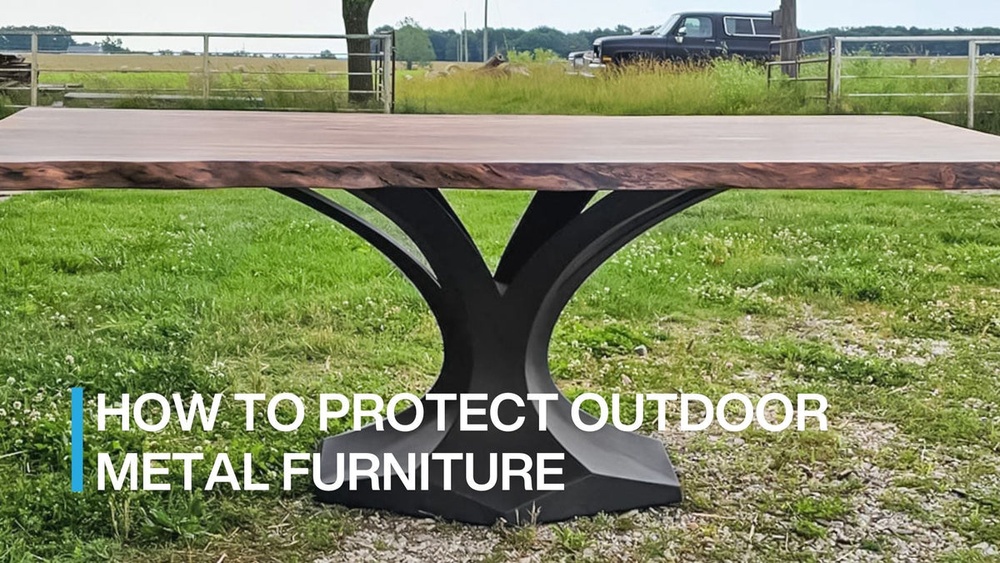
Your outdoor metal furniture adds style and comfort to your space, but harsh weather can quickly wear it down. Imagine enjoying your favorite chair or table season after season, looking just as good as the day you bought it.
How can you make that happen? You’ll discover simple, effective ways to protect your metal furniture from rust, fading, and damage. Keep reading to learn easy tips that save you money and keep your outdoor space inviting all year long.
Choosing Durable Metal Furniture
Choosing durable metal furniture is key to keeping your outdoor space beautiful. Strong metals resist weather damage and last longer. This saves money and effort on repairs or replacements. Knowing which metals hold up best outdoors helps you pick wisely. Coatings and finishes add extra protection. They prevent rust and fading. Let’s explore the best metals and coatings for outdoor metal furniture.
Best Metals For Outdoor Use
Aluminum is lightweight and does not rust. It stays strong even in wet weather. Steel is very sturdy but can rust without a good finish. Stainless steel holds up well and resists rust. Wrought iron is heavy and classic but needs regular care. Choose metals that match your climate and style. Aluminum and stainless steel work well in damp areas. Wrought iron suits dry climates with regular maintenance.
Coatings And Finishes To Consider
Powder coating covers metal with a tough, colored layer. It stops rust and chips easily. Paint also protects but may need touch-ups. Galvanizing adds a zinc layer to steel for rust protection. Clear sealants keep metal shiny and safe from moisture. Choose finishes that fit your metal type and outdoor conditions. Proper coatings extend furniture life and keep it looking new.

Credit: www.foxessellfaster.com
Regular Cleaning Techniques
Regular cleaning keeps outdoor metal furniture looking great and lasting longer. Dirt, dust, and grime build up over time. Removing these helps prevent damage and rust. A simple cleaning routine protects your furniture from harsh weather and wear.
Cleaning also reveals early signs of rust or stains. Addressing these quickly avoids bigger problems. Regular care saves money and effort later. Follow these easy steps to maintain your metal furniture well.
Safe Cleaning Solutions
Use mild soap mixed with warm water for daily cleaning. Avoid harsh chemicals that can damage metal surfaces. A soft cloth or sponge works best to wipe down furniture gently. Rinse with clean water to remove soap residue. Dry completely with a towel to stop water spots.
For tougher dirt, add a small amount of vinegar to the soap solution. Vinegar breaks down grime without harming paint or metal. Test on a small area first to ensure no damage.
Removing Rust And Stains
Rust weakens metal and looks ugly. Use a soft brush or steel wool to scrub small rust spots lightly. For stubborn rust, apply a paste of baking soda and water. Let it sit for 15 minutes, then scrub gently and rinse.
Stains from leaves or bird droppings can be wiped off quickly. Use lemon juice or white vinegar to treat stains naturally. Always dry the furniture after cleaning to prevent new rust or stains from forming.
Preventing Rust And Corrosion
Outdoor metal furniture faces constant exposure to weather. Rain, humidity, and sun cause rust and corrosion. These problems weaken the metal and spoil the look. Preventing rust and corrosion keeps furniture strong and attractive. Simple care steps can protect your outdoor pieces for years.
Applying Protective Sealants
Protective sealants create a barrier against moisture and air. They stop water from touching the metal surface. Choose a sealant made for metal and outdoor use. Clean the furniture fully before applying the sealant. Use a brush or spray for even coverage. Let the sealant dry completely. Reapply every year or after heavy rain.
Using Rust Inhibitors
Rust inhibitors slow down the rust process. They work by blocking chemicals that cause rust. Apply rust inhibitors to clean, dry metal surfaces. Use a cloth or spray to cover all areas. Rust inhibitors work best when used early. Regular use prevents small rust spots from growing. Keep a bottle handy for touch-ups and maintenance.
Proper Storage Tips
Proper storage is key to keeping outdoor metal furniture safe and in good shape. Storing furniture correctly stops rust, fading, and damage from bad weather. Follow simple steps to protect your investment for many seasons.
Covering Furniture During Off-season
Use a breathable cover to shield furniture from rain and dust. Avoid plastic covers that trap moisture and cause rust. Choose covers made from fabric or special outdoor materials. Secure the cover tightly to stop wind from blowing it away. Check covers regularly and dry furniture before covering to prevent mold.
Ideal Storage Environments
Store metal furniture in a dry, cool place like a garage or shed. Avoid damp basements or areas with high humidity. Good air circulation helps stop rust from forming. If indoor space is limited, place furniture on pallets to keep it off the ground. Keep furniture away from direct sunlight to prevent paint from fading.
Repairing Damages
Repairing damages on outdoor metal furniture keeps it strong and looking good. Small problems can turn into big ones if ignored. Fixing issues early saves time and money. It also helps protect the metal from rust and wear. This section explains easy ways to fix common damages.
Fixing Scratches And Chips
Scratches and chips expose the metal to air and water. This causes rust to form quickly. Clean the damaged area with soap and water. Let it dry fully. Use fine sandpaper to smooth rough edges. Apply a rust-inhibiting primer to the spot. After it dries, paint with matching outdoor metal paint. Use thin coats and let each dry well. This stops rust and keeps your furniture looking nice.
Addressing Loose Joints
Loose joints make furniture shaky and unsafe. Check all screws, bolts, and connectors regularly. Tighten loose parts with the right tools. If screws are stripped, replace them with new ones. Use metal glue or epoxy for extra hold on weak joints. Test the furniture to ensure it feels firm. Fixing joints early prevents bigger breaks and keeps your furniture stable.
Credit: flowyline.com
Seasonal Maintenance Routine
Seasonal maintenance is key to keeping outdoor metal furniture in great shape. Each season brings different challenges like rain, snow, or heat. Following a simple routine helps protect your furniture and extends its life. Regular care stops rust and damage before they start.
Preparing For Winter
Winter can be hard on metal furniture. Clean the pieces thoroughly to remove dirt and grime. Dry them completely to avoid moisture buildup. Apply a protective coat of rust-resistant paint or sealant. Cover the furniture with waterproof covers or move it indoors if possible. Store cushions separately in a dry place. Check for loose screws or parts and tighten them.
Spring Cleaning And Inspection
Spring is the time to refresh your outdoor furniture. Remove covers and wash all surfaces with mild soap and water. Look closely for signs of rust or chipped paint. Sand down any rough spots and repaint if needed. Inspect joints and screws, tightening or replacing damaged parts. Apply a fresh layer of protective finish. This routine keeps your furniture ready for use all summer long.
Enhancing Longevity With Accessories
Outdoor metal furniture can face harsh weather and wear over time. Accessories help protect and extend the life of your furniture. Simple additions can reduce damage and keep your pieces looking fresh.
Using the right accessories adds extra layers of defense against rust, scratches, and fading. These tools also improve comfort and style. Choosing good accessories can make your outdoor space more inviting and durable.
Using Furniture Covers
Furniture covers shield metal from rain, sun, and dust. They prevent rust and color fading by blocking moisture and UV rays. Covers should fit snugly to stop wind from blowing them away.
Choose covers made of waterproof and breathable fabric. This stops mold and mildew from forming under the cover. Store covers in a dry place when not in use to keep them clean.
Adding Cushions And Pads
Cushions and pads protect metal surfaces from scratches and dents. They also add comfort for sitting, making the furniture more enjoyable. Use weather-resistant cushions that dry quickly after rain.
Pick cushions with removable covers for easy cleaning. Bright colors can refresh the look of old metal furniture. Change cushions seasonally to keep your outdoor area vibrant and cozy.

Credit: www.walmart.com
Frequently Asked Questions
How Often Should I Clean Outdoor Metal Furniture?
Clean outdoor metal furniture every few weeks to prevent dirt buildup. Use mild soap, water, and a soft cloth. Regular cleaning stops rust and keeps furniture looking new longer.
What Is The Best Rust Prevention For Metal Furniture?
Apply a rust-resistant primer or paint to metal furniture. Use sealants or clear coats for extra protection. Regular maintenance reduces rust and extends furniture life.
Can I Use Oil To Protect Metal Furniture Outdoors?
Yes, applying oil like linseed oil helps protect metal surfaces. It creates a barrier against moisture and prevents rust. Reapply oil every few months for best results.
How Do I Store Metal Furniture During Winter?
Store metal furniture in a dry, covered area during winter. Use waterproof covers if indoor storage isn’t possible. Proper storage prevents rust and weather damage.
Conclusion
Preserving outdoor metal furniture takes simple steps and regular care. Clean dirt and dust often to prevent damage. Apply protective coatings to keep rust away. Store furniture in a dry place during harsh weather. Small repairs stop problems from growing bigger.
Enjoy your metal furniture longer with these easy tips. A little effort keeps your outdoor space looking fresh and inviting. Simple habits make all the difference in preservation. Keep your furniture strong and beautiful season after season.


