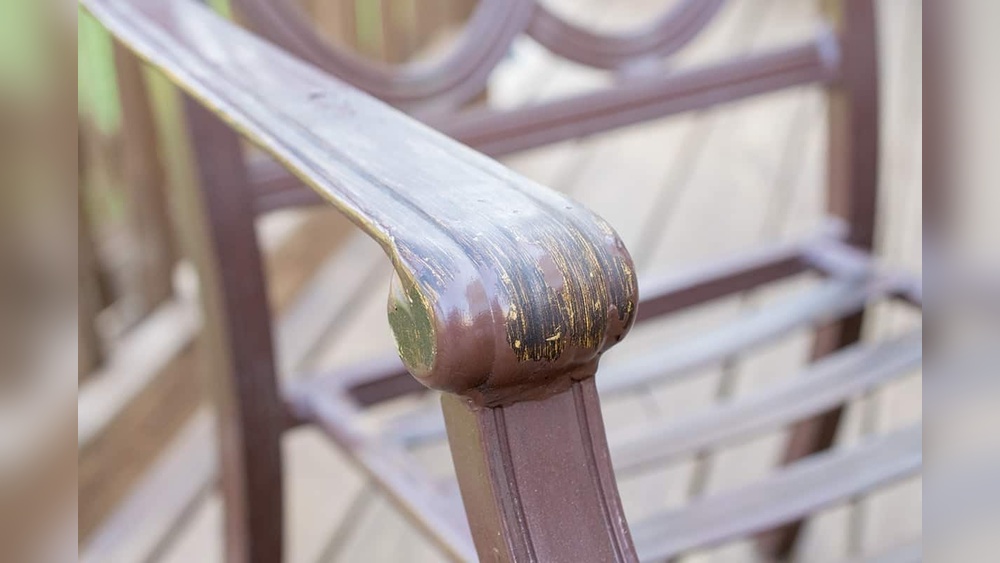
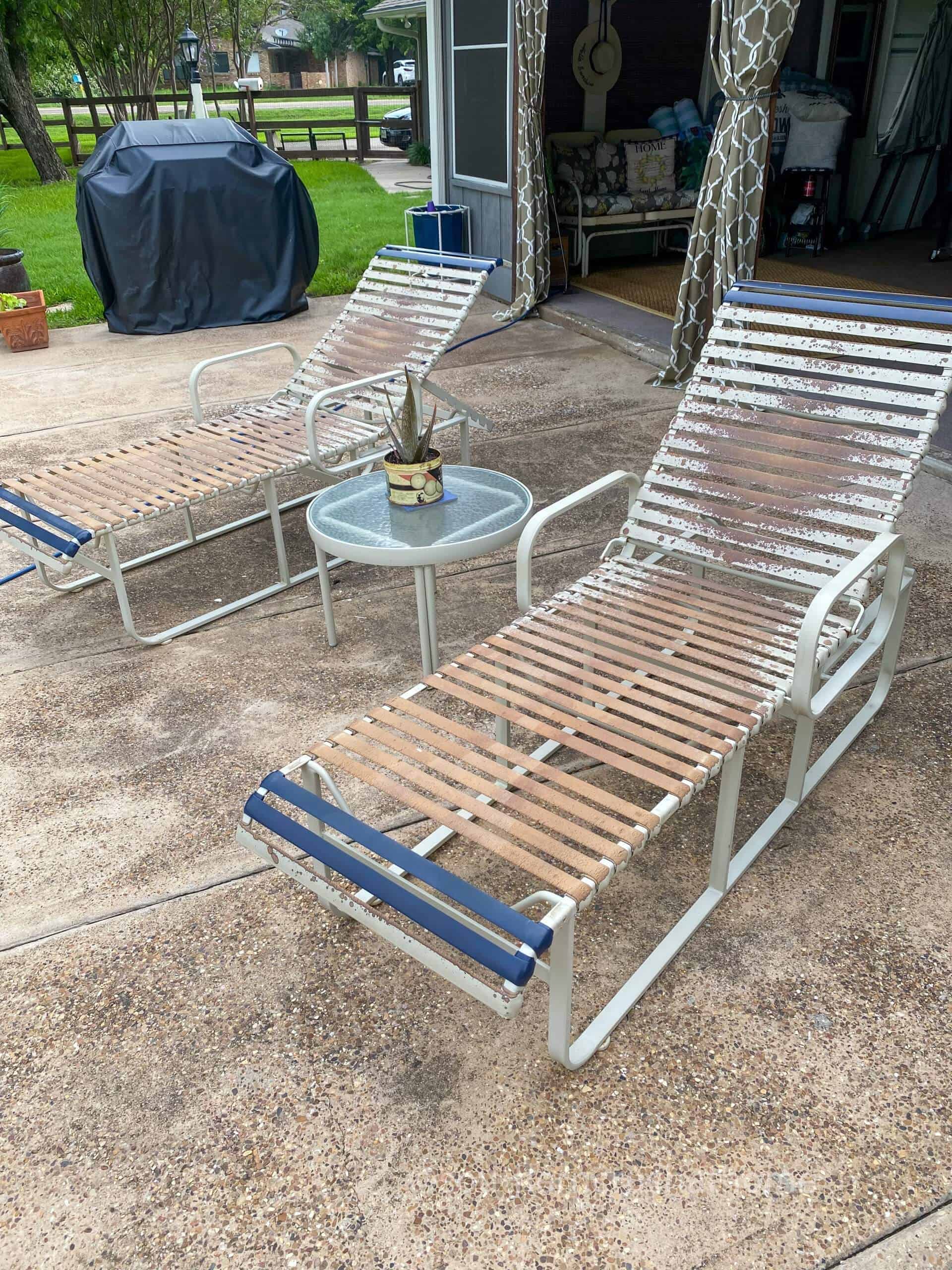
Is your outdoor furniture looking tired or uncomfortable? If the straps have worn out or broken, you don’t have to toss it away or buy new pieces.
You can easily restrap your outdoor furniture yourself and bring it back to life. Imagine relaxing on a chair that feels as sturdy and fresh as the day you bought it. In this guide, you’ll discover simple steps to restrap your furniture quickly and affordably.
Ready to save money and enjoy your outdoor space even more? Let’s get started!
Credit: www.southerncrushathome.com
Tools And Materials Needed
To restrap outdoor furniture, having the right tools and materials is key. This helps you finish the job faster and with better results. Proper supplies keep the furniture strong and safe for use.
Gather everything before you start. This prevents stopping in the middle to find missing items. Knowing what to use makes the process smoother and less stressful.
Choosing The Right Strapping
Pick strapping that fits your furniture style and size. Look for durable materials like vinyl or polyester. These resist weather and last longer outside. The width should match the furniture’s frame width. This keeps the straps tight and secure.
Colors matter too. Choose a color that blends well with your furniture or outdoor space. This keeps your furniture looking neat and fresh. Avoid cheap straps that tear easily or lose shape.
Essential Tools Checklist
Prepare these tools for a smooth restrapping job:
- Staple gun with weatherproof staples
- Scissors or utility knife to cut straps
- Measuring tape to get strap lengths right
- Flathead screwdriver or pliers to remove old staples
- Gloves to protect your hands
- Marker to mark strap positions
Having these tools ready saves time. It also helps you work neatly and safely. Using the right tools makes your outdoor furniture look great and last longer.
Credit: blizanovy.cz
Preparing Your Furniture
Preparing your outdoor furniture is the first step to restrapping it properly. Clean and inspect every part carefully. Good preparation helps the new straps last longer and look better.
Take your time removing old straps. This makes the job easier and safer. Follow simple steps to get ready for restrapping.
Cleaning And Inspecting
Start by cleaning the furniture with mild soap and water. Remove dirt, dust, and debris. Use a soft brush to clean corners and crevices. Let the furniture dry completely before moving on.
Check the frame for cracks or damage. Look closely at joints and screws. Tighten any loose parts. Replace broken pieces to avoid problems later.
Removing Old Straps
Carefully cut the old straps using scissors or a utility knife. Take care not to damage the frame. Remove all nails, staples, or fasteners holding the straps. Clean the frame surface to remove leftover glue or residue.
Discard old straps properly. Clearing the work area makes restrapping safer and easier. Now your furniture is ready for new straps.
Measuring And Cutting Straps
Measuring and cutting straps is a key step in restrapping outdoor furniture. Getting this right ensures the straps fit perfectly and hold up well. Careful measurement avoids wasted material and makes the process smoother.
Precise cuts help the straps fit tight and look neat. It also helps keep the furniture sturdy and comfortable. Start by understanding the size you need before cutting the straps.
Taking Accurate Measurements
Use a tape measure to get exact lengths. Measure the area where each strap will go. Note the width and length separately for each part.
Measure twice to avoid mistakes. Mark the measurements clearly on the straps or on paper. Remember to add extra length for tying or securing the straps.
Cutting Straps To Size
Use sharp scissors or a utility knife to cut the straps cleanly. Cut along the marked lines for accuracy. Avoid jagged edges to prevent fraying.
If the strap material frays easily, seal the edges. Use a lighter or fabric glue carefully. This keeps the straps durable and neat.
Credit: greenwithdecor.com
Attaching New Straps
Attaching new straps to outdoor furniture refreshes its look and improves comfort. This step requires care and patience to ensure durability. Use the right tools and materials for best results.
Start by removing old straps completely. Clean the frame before adding new straps. Measure and cut straps to fit the furniture perfectly.
Weaving Techniques
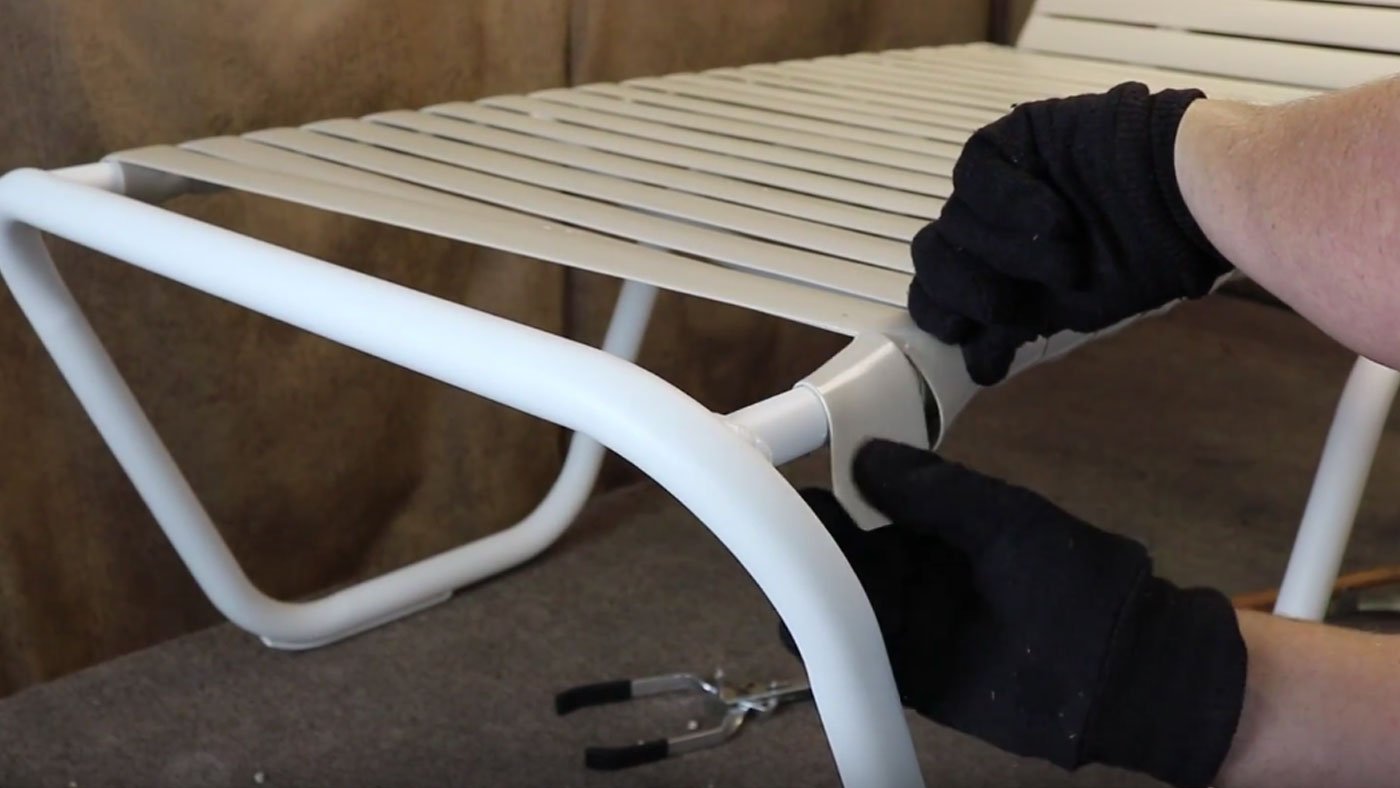
Weaving straps properly creates strong support for sitting. Begin by threading the first strap through the frame. Pull it tight but avoid stretching too much.
Next, weave the straps over and under in a pattern. Keep the spacing even to maintain balance. Use a weaving pattern that suits your furniture style.
Check the tension regularly while weaving. Tighten loose straps to prevent sagging. Ensure the weave looks neat and uniform on all sides.
Securing Straps Properly
Secure straps firmly at the ends to stop slipping. Use staples, nails, or clips designed for outdoor use. Drive fasteners into the frame without damaging straps.
Double-check all connections for safety. Trim extra strap length to avoid loose ends. Cover fasteners with protective caps for a clean look.
Test the furniture by pressing down on the straps. Adjust any weak spots immediately. Proper securing extends the life of your furniture straps.
Finishing Touches
After restrapping your outdoor furniture, the final steps make a big difference. These finishing touches ensure your furniture looks neat and holds up well. Take your time to perfect these details for a clean and sturdy result.
Trimming Excess Material
Use sharp scissors to cut off extra straps. Leave a small length to avoid fraying. Cut close to the knots or fasteners. This keeps the furniture looking tidy and well-finished. Avoid leaving long straps that can flap in the wind.
Checking For Stability
Press and wiggle the straps to test tightness. Make sure they do not move or loosen easily. Sit on the furniture carefully to check support. Tighten any loose straps to improve firmness. Stable furniture lasts longer and feels safer to use.
Maintenance Tips For Longevity
Maintaining outdoor furniture straps extends their life and keeps them strong. Regular care prevents wear and tear. It also keeps your furniture looking fresh and inviting for years. Follow these simple tips for best results.
Cleaning Straps Regularly
Dust and dirt build up quickly on outdoor straps. Clean them with mild soap and water. Use a soft brush or cloth for gentle scrubbing. Rinse well to remove soap residue. Let the straps dry completely before use. Avoid harsh chemicals that can damage the material. Clean straps last longer and stay flexible.
Protecting From Weather Damage
Sun, rain, and cold can weaken straps over time. Store furniture in a covered area during bad weather. Use waterproof covers when furniture is not in use. Avoid leaving straps wet for long periods. Dry them thoroughly after rain. Apply a UV protectant spray to shield from sun damage. Proper protection keeps straps strong and colorful.
Frequently Asked Questions
How Do I Choose The Right Straps For Outdoor Furniture?
Select UV-resistant, durable straps made from materials like nylon or polyester. Ensure the width fits your furniture frame for secure restrapping.
What Tools Are Needed To Restrap Outdoor Furniture?
Basic tools include scissors, a staple gun or upholstery tacks, a flathead screwdriver, and pliers for removing old straps.
How Often Should Outdoor Furniture Be Restrapped?
Restrap every 3-5 years or when straps show signs of wear, sagging, or damage to maintain comfort and support.
Can I Restrap Outdoor Furniture Myself?
Yes, restrapping is a DIY task with basic tools and patience. Follow step-by-step guides for best results.
Conclusion
Restrapping outdoor furniture helps keep it strong and comfortable. Using the right tools makes the work easier. Take your time and follow each step closely. This small project saves money and refreshes your space. Enjoy your renewed furniture during sunny days and cool nights.
Keep checking the straps regularly to avoid damage. A little care extends the life of your furniture. Now, your outdoor area looks neat and inviting again. Simple repairs can make a big difference. Try restrapping and see the results yourself.