If you love your metal outdoor furniture, you want it to stay looking great for years. But rust can sneak up on you, turning your favorite chairs and tables into eyesores.
The good news? You don’t have to accept rust as inevitable. By taking a few simple steps, you can protect your metal furniture from moisture, dirt, and damage that cause rust. Imagine enjoying your patio without worrying about flaky, rusty surfaces or costly replacements.
You’ll learn easy, effective ways to keep your metal outdoor furniture rust-free—so it stays strong, beautiful, and ready for your next outdoor gathering. Keep reading to discover the best tips that will save you time, money, and frustration.
Causes Of Rust On Metal Furniture
Rust forms on metal outdoor furniture due to chemical reactions between metal and its environment. Understanding the causes helps prevent damage and extends furniture life. Several factors contribute to rust development on metal surfaces.
Role Of Moisture And Humidity
Moisture is the main cause of rust on metal furniture. Water from rain, dew, or spills sits on the metal surface. This water reacts with oxygen in the air, causing oxidation. High humidity levels increase moisture in the air, making rust more likely. Even small amounts of water can start rusting over time.
Impact Of Outdoor Elements
Outdoor elements like rain, snow, and sunlight affect metal furniture. Rain and snow provide moisture that causes rust. Sunlight can damage protective paint or coatings, exposing bare metal. Wind carries dirt and debris that trap moisture against the metal. Salt in coastal areas speeds up rusting by breaking down protective layers.
Common Rust-prone Areas
Rust often appears on joints, edges, and scratches where paint chips off. These spots expose raw metal to moisture and air. Areas that collect water or dirt, such as crevices and undersides, rust faster. Legs and feet of furniture touch the ground and face more moisture, making them vulnerable.
Cleaning Metal Outdoor Furniture
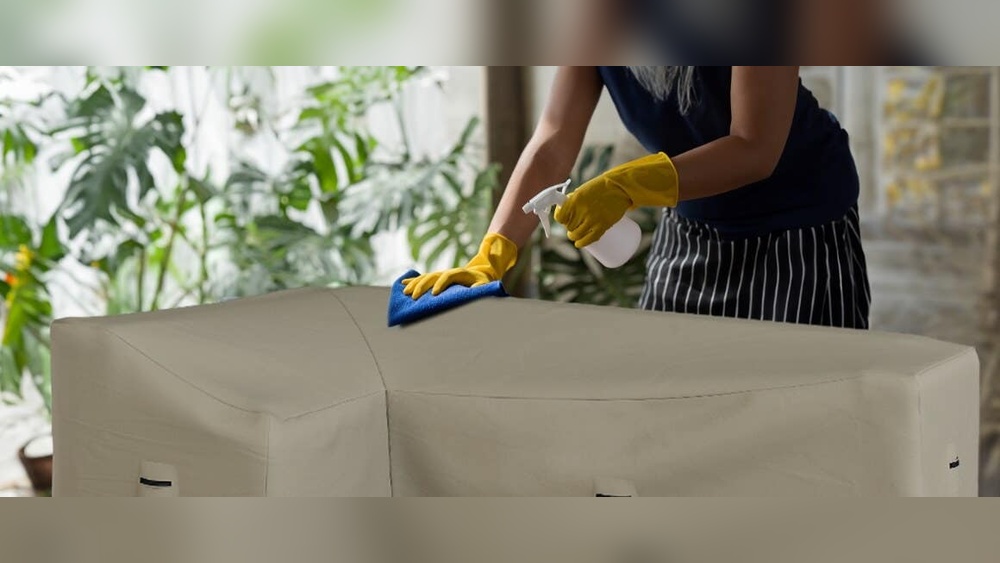
Cleaning metal outdoor furniture is a key step in keeping it free from rust. Dirt, dust, and grime can trap moisture and cause rust spots. Regular cleaning removes these harmful elements. Use gentle methods to protect the metal surface. This helps your furniture stay strong and beautiful for years.
Using Mild Soap Solutions
Start by mixing mild soap with warm water. Avoid harsh chemicals that can damage metal. Use a soft cloth or sponge dipped in the soap solution. Gently wipe down all surfaces of the furniture. This removes oils and dirt without scratching. Rinse thoroughly with clean water to remove soap residue.
Removing Dirt And Debris
Check corners and crevices for stuck debris. Use a soft brush or an old toothbrush to clean these areas. Remove leaves, dust, and spider webs that hold moisture. Clear debris quickly after storms or windy days. Clean furniture looks better and resists rust more effectively.
Drying Techniques To Prevent Rust
Always dry metal furniture completely after cleaning. Use a soft towel or microfiber cloth to wipe it dry. Avoid air drying as water spots can cause rust stains. Pay special attention to joints and seams where water gathers. Proper drying stops moisture from starting rust on metal surfaces.
Protective Coatings And Treatments
Protective coatings and treatments form the first line of defense against rust on metal outdoor furniture. They create a barrier that shields the metal from moisture, oxygen, and other elements that cause corrosion. Regular application of these coatings prolongs the life of your furniture and keeps it looking new.
Choose the right type of coating based on the furniture’s material and exposure level. Some treatments work better for iron, while others suit aluminum or steel. Applying these coatings correctly ensures maximum protection and durability.
Applying Paste Wax
Paste wax provides a thin, protective layer on metal surfaces. It repels water and reduces oxidation. Clean the furniture thoroughly before applying paste wax with a soft cloth. Rub it in small circular motions until the surface shines. Let it dry, then buff gently for a smooth finish. Reapply every few months for ongoing protection.
Using Sealant Sprays
Sealant sprays are easy to apply and offer quick protection. They form a clear, waterproof barrier that prevents rust. Spray evenly over clean, dry surfaces from a distance of 6 to 8 inches. Allow the spray to dry completely before use. Reapply after heavy rain or every season to maintain defense against moisture.
Rust-resistant Paint Options
Rust-resistant paints block moisture and air from reaching the metal. Choose paint labeled for outdoor metal use. Remove old rust and clean the surface before painting. Apply primer first for better adhesion. Use a brush or spray for even coverage. Allow each coat to dry fully before adding another. This coating helps repair and protect damaged areas.
Touching Up Scratches And Chips
Scratches and chips expose metal to rust risks. Inspect furniture regularly for damage. Clean the affected area and remove loose rust with a wire brush. Apply rust-inhibiting primer on bare metal spots. Cover with matching rust-resistant paint to blend repairs. Quick touch-ups prevent rust from spreading and keep furniture sturdy.
Credit: ssfirepits.com
Weatherproofing Strategies
Weatherproofing is essential to protect metal outdoor furniture from rust. It creates a barrier against moisture, rain, and sun damage. Using proper weatherproofing methods extends the life of your furniture. It keeps your investment looking good year after year.
Focus on covering and shielding your furniture with the right materials. Prevent water from sitting on metal surfaces. Shield against harmful UV rays that can weaken paint and finishes. Simple steps make a big difference in preventing rust.
Choosing The Right Furniture Covers
Select covers made from waterproof and breathable fabrics. These materials stop water from pooling but allow moisture to escape. Avoid covers that trap humidity, which can cause rust. Look for covers with secure straps or elastic hems. They keep covers in place during strong winds. Covers should fit well to protect all parts of the furniture.
Using Tarpaulins And Storage Bags
Tarpaulins offer strong, waterproof protection for outdoor furniture. Choose heavy-duty tarps with reinforced edges for durability. Secure tarps tightly to prevent water from seeping in. Storage bags work well for smaller items or cushions. Use bags made from water-resistant materials. Store furniture in a dry place during long periods of bad weather. Proper storage stops exposure to rain and snow, reducing rust risk.
Uv Ray Protection Methods
UV rays break down paint and finishes on metal furniture. Faded or cracked paint exposes metal to moisture and rust. Use UV-resistant sprays or coatings designed for outdoor metal. These products form a protective layer against sun damage. Position furniture in shaded areas when possible. Use umbrellas or canopies to reduce direct sunlight exposure. Regularly apply UV protection to maintain the furniture’s finish and strength.
Seasonal Maintenance Tips
Seasonal maintenance is key to protecting metal outdoor furniture from rust. Each season brings different challenges like moisture, cold, and dirt. Keeping your furniture well-maintained can extend its life and keep it looking new. Simple steps before and after harsh weather prevent rust and damage.
Storing Furniture Indoors
Store metal furniture indoors during heavy rain or snow seasons. This prevents moisture buildup, which causes rust. Choose a dry, ventilated space like a garage or shed. If indoor storage is not possible, use waterproof covers tightly secured. Proper storage reduces exposure to harsh weather.
Adding Rubber Foot Protectors
Attach rubber foot protectors to the legs of your furniture. These prevent direct contact with wet ground. Rubber stops moisture from seeping into metal legs and causing rust. It also protects surfaces like patios and decks from scratches. Change the protectors if they wear out.
Preparing Furniture For Winter
Clean furniture thoroughly before winter sets in. Remove dirt, leaves, and debris that trap moisture. Dry the furniture completely to avoid rust formation. Apply a rust-resistant spray or protective wax coat. Cover the furniture with a breathable, weatherproof cover for extra protection.
Regular Maintenance Checklist
Protecting your metal outdoor furniture requires regular upkeep. A maintenance checklist helps prevent rust and extends furniture life. Follow simple steps to keep your furniture looking its best year-round.
Drying After Rain And Dew
Always dry metal furniture quickly after rain or morning dew. Use a soft cloth to remove moisture. Avoid leaving water to sit, as it causes rust spots. Wipe down legs, joints, and any crevices where water collects.
Routine Cleaning Schedule
Clean your furniture every two weeks to remove dirt and dust. Use mild soap mixed with water and a soft brush or cloth. Rinse thoroughly with clean water. Dry completely to stop rust from forming on the surface.
Inspecting For Rust And Damage
Check your furniture monthly for signs of rust or damage. Look closely at joints, edges, and areas where paint chips. Sand away small rust spots and apply rust-resistant paint or sealant. Fix broken parts to avoid further wear and tear.
Additional Rust Prevention Tips
Protecting metal outdoor furniture from rust requires more than cleaning and covering. Some extra care steps help keep rust away longer. These tips prevent moisture buildup and stop rust before it starts. Follow these simple methods to extend your furniture’s life.
Small details make a big difference. Focus on moving parts, hollow spaces, and any rust stains nearby. Proper care in these areas reduces corrosion risks and keeps your furniture looking new.
Using Lubricants On Moving Parts
Moving parts like hinges and joints often attract moisture and rust. Apply a light lubricant regularly to these areas. This stops rust from forming and keeps parts moving smoothly. Use a silicone spray or a light oil made for outdoor use. Wipe off any excess to avoid dirt buildup.
Avoiding Water Traps In Hollow Areas
Hollow sections of furniture can hold water and cause rust inside. Check these spots after rain or washing. Tilt furniture to drain trapped water. Seal any holes or cracks with waterproof sealant. Keeping these areas dry stops rust from growing unseen.
Handling Rust Stains On Surroundings
Rust stains on nearby surfaces can spread and damage your furniture. Clean stains on decks, patios, or cushions quickly. Use mild cleaners and a soft brush to remove rust marks. Prevent stains from returning by placing mats or pads under furniture legs.

Credit: www.lazysusanfurniture.co.uk

Credit: jardina.com
Frequently Asked Questions
How To Prevent Metal Outdoor Furniture From Rusting?
Clean metal furniture regularly with mild soap and dry thoroughly. Apply protective wax or rust-resistant paint. Use weatherproof covers and store indoors during harsh weather to prevent rust effectively.
What Spray Protects Outdoor Metal Furniture?
Use a clear protective sealant spray, rust-inhibiting primer, or rust-resistant paint to guard outdoor metal furniture from rust and weather damage.
How To Weatherproof Metal Outdoor Furniture?
Clean metal furniture regularly with mild soap and dry thoroughly. Apply rust-resistant paint or sealant on bare spots. Use paste wax for extra moisture protection. Cover furniture with weatherproof covers when not in use. Store indoors during harsh weather to prevent rust and damage.
What Can You Put On Metal To Keep It From Rusting Outside?
Apply rust-resistant paint, use protective sealants or paste wax, keep metal dry and clean, cover when unused, and store indoors during harsh weather.
Conclusion
Protecting metal outdoor furniture from rust takes simple, regular care. Clean your furniture often using mild soap and water. Always dry it well to stop moisture from causing rust. Apply a protective coat like wax or rust-resistant paint to add a barrier.
Cover the furniture when not in use to keep rain and dirt away. Storing it inside during harsh weather extends its life. Small steps make a big difference. Keep your metal furniture looking good and rust-free for many seasons.