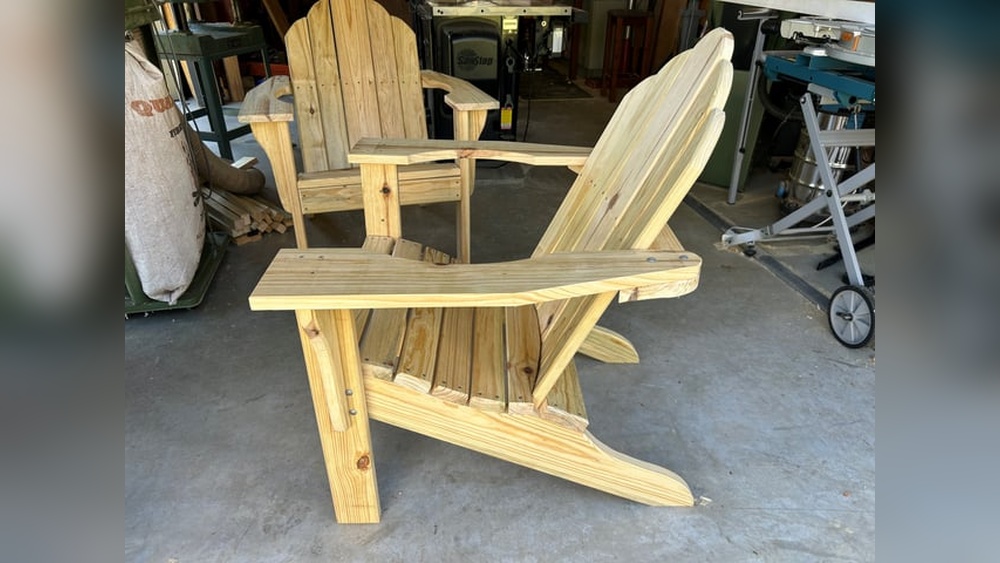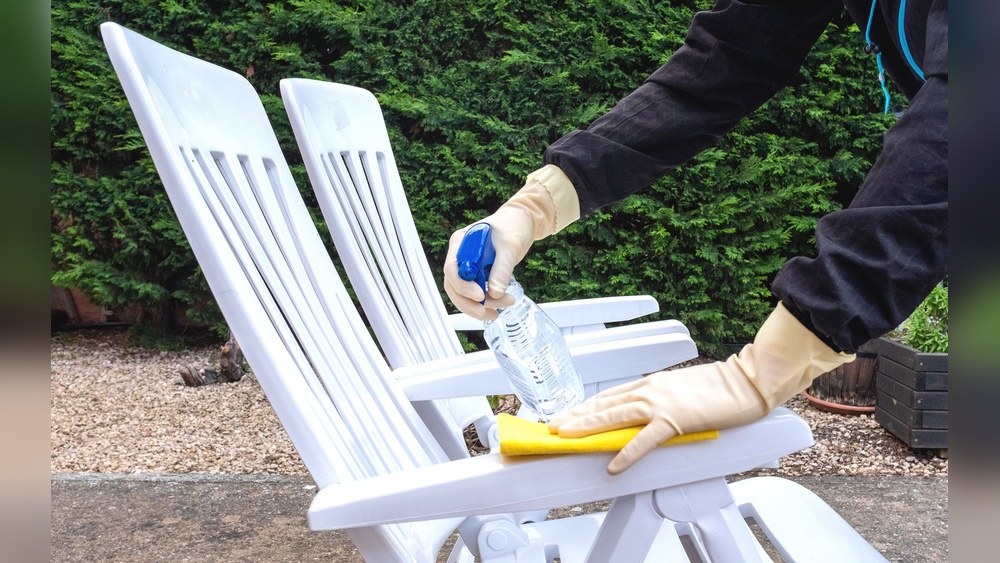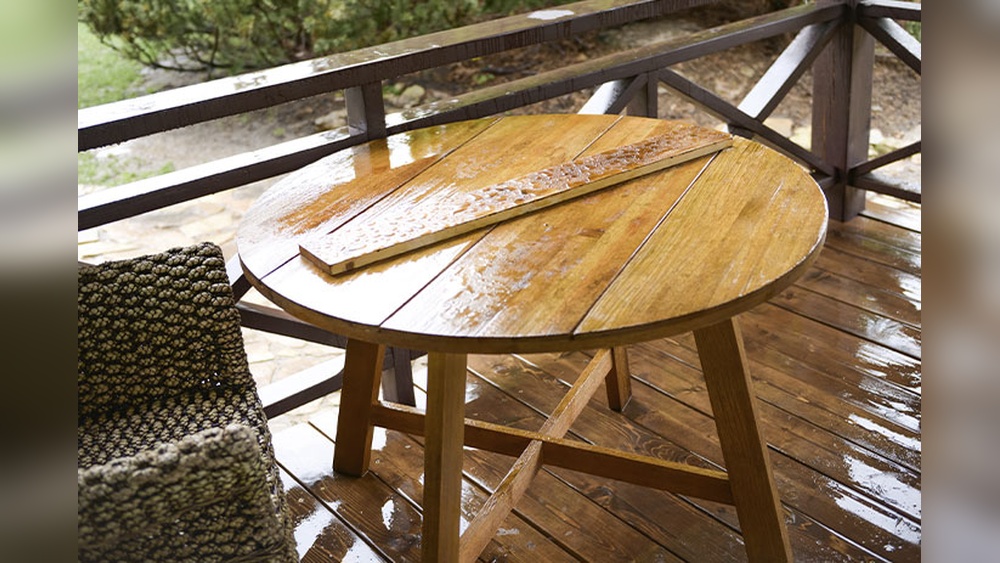
Your outdoor wooden furniture adds charm and comfort to your space. But have you noticed how weather, sun, and moisture can quickly wear it down?
If you want your furniture to stay strong and beautiful for years, protecting it is key. You’ll discover simple and effective ways to shield your wood from damage. Keep reading to learn easy steps that will save you money and keep your outdoor space looking great all year long.
Choosing The Right Wood
Choosing the right wood is key to protecting outdoor furniture. Wood must resist weather and insects. It needs strength and beauty too. Picking the best wood helps furniture last longer outdoors.
Types Of Durable Woods
Teak is a top choice. It has natural oils that protect it from water and bugs. Cedar is lighter but still strong. It resists rot and smells nice. Redwood is good for dry areas. It stays stable and looks great over time. Acacia is affordable and tough. It handles sun and rain well. Each wood type offers unique benefits for outdoor use.
Wood Treatments To Consider
Treating wood extends its life outside. Sealants block water from soaking in. Oils keep wood from drying out and cracking. Stains add color and protect against sun damage. Some treatments include mold and insect repellents. Regular application keeps furniture in top shape. Choose treatments that match the wood type for best results.
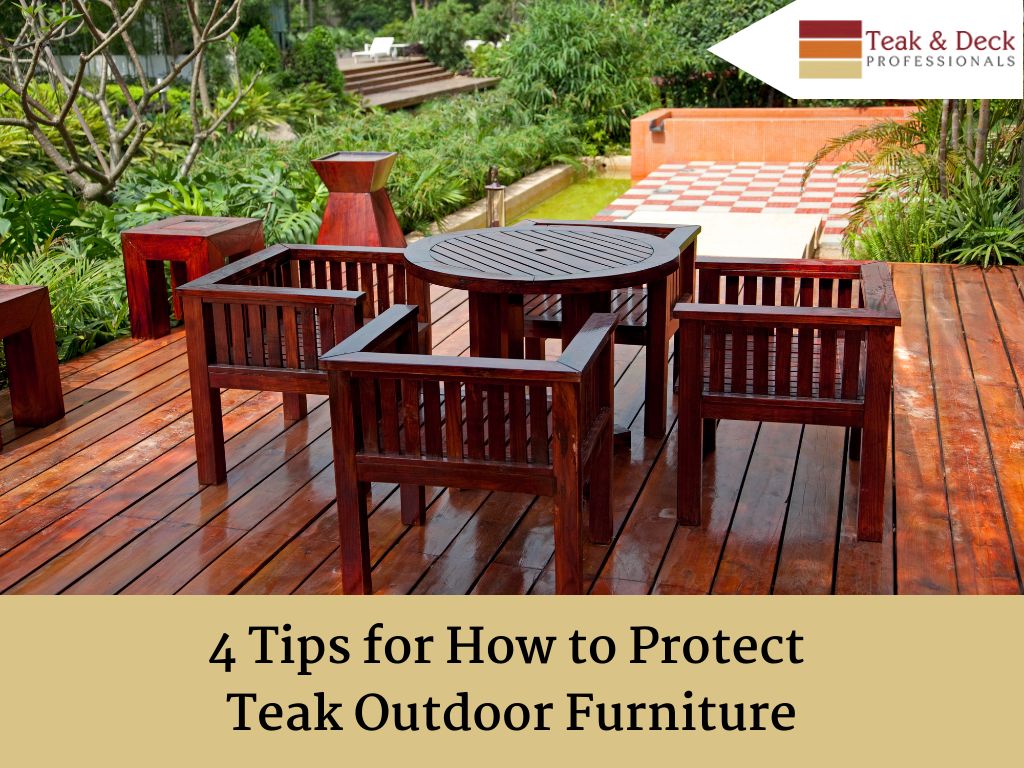
Credit: teakanddeck.com
Cleaning Outdoor Wood Furniture
Cleaning outdoor wood furniture is essential to keep it looking fresh and new. Dirt, dust, and grime can build up over time. This buildup can damage the wood if not removed regularly. Proper cleaning helps maintain the furniture’s natural beauty. It also extends the wood’s life by preventing decay.
Removing Dirt And Grime
Start by brushing off loose dirt with a soft brush or cloth. Avoid using hard brushes that can scratch the wood. For stubborn grime, use a damp cloth to wipe the surface gently. Do not soak the wood as excess water can cause damage. Clean small sections at a time for better results. Repeat if necessary to remove all dirt.
Safe Cleaning Solutions
Use mild soap mixed with water for cleaning wood furniture. Avoid harsh chemicals that can strip the wood’s natural oils. A mixture of warm water and a few drops of dish soap works well. Apply the solution with a soft cloth and wipe gently. Rinse with clean water and dry with a towel. This method keeps the wood safe and clean.
Sealing And Finishing
Sealing and finishing are key steps to protect outdoor wood furniture. These steps block water, dirt, and sun damage. They keep the wood looking fresh and strong for years. Proper sealing and finishing also prevent wood from cracking and fading. This process adds an extra layer of defense against harsh weather.
Selecting The Best Sealants
Choose a sealant that suits your wood type and climate. Clear sealants keep the natural look of wood. Tinted sealants add color and protect from sun rays. Look for sealants that resist water and UV damage. Some sealants also prevent mold and mildew growth. Always pick sealants labeled for outdoor use. Test a small area before full application.
Applying Wood Stains And Oils
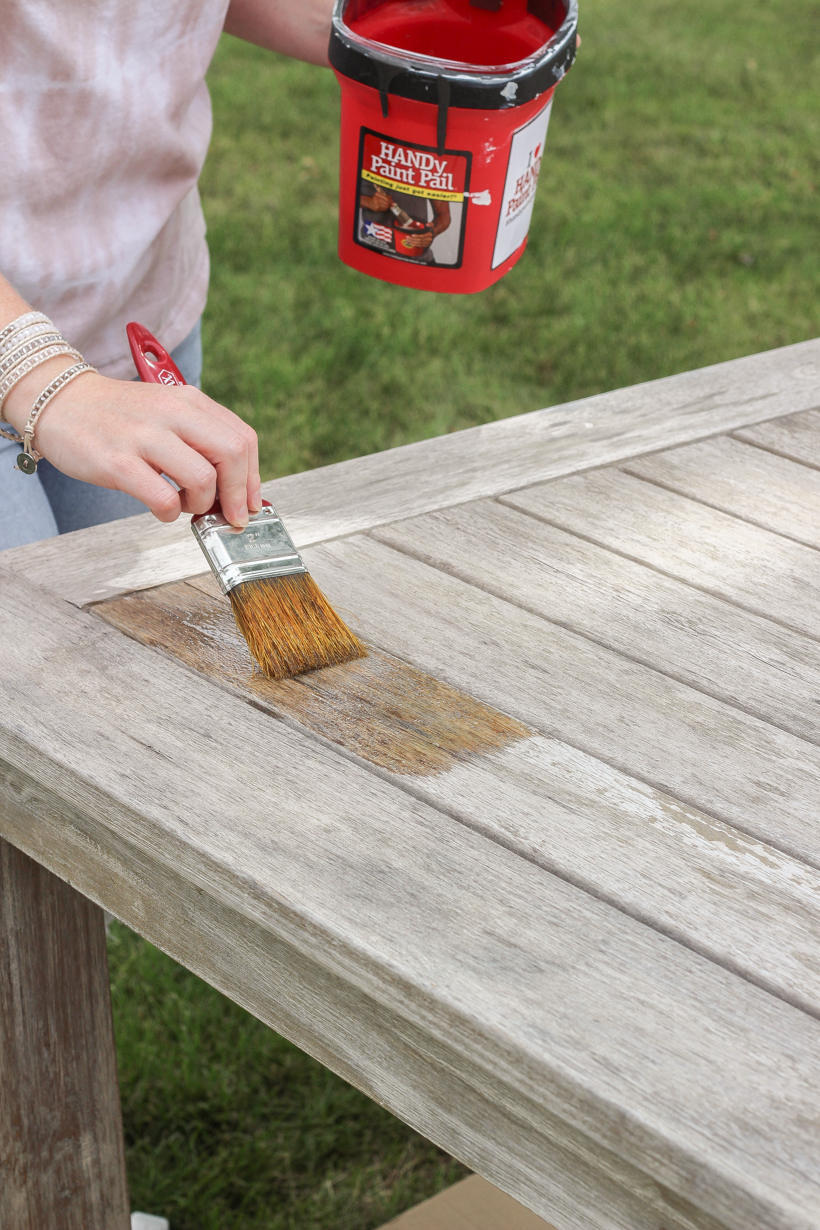
Wood stains add color and protect at the same time. They soak into the wood and shield it from sun damage. Oils nourish the wood and keep it from drying out. Apply stains and oils with a brush or cloth. Work in the direction of the wood grain for best results. Let each coat dry fully before adding another. Regular reapplication is needed for long-lasting protection.
Preventing Weather Damage
Outdoor wooden furniture faces many challenges from weather. Rain, sun, and humidity can cause damage fast. Preventing weather damage keeps wood strong and beautiful for years. Taking simple steps helps protect your investment and saves money on repairs.
Protecting From Moisture
Moisture causes wood to swell, crack, and rot. Use waterproof sealants to block water from soaking in. Apply sealant every year for best protection. Keep furniture off wet ground using pads or blocks. Store cushions and pillows indoors during rain. Wipe off water quickly after storms to avoid damage.
Shielding Against Sun Exposure
Sunlight fades wood color and dries it out. Use UV-resistant finishes to guard against sun damage. Cover furniture with umbrellas or shades during peak sunlight. Move furniture to shaded areas when possible. Reapply protective coatings regularly to maintain defense. Sun protection helps wood stay vibrant and strong.
Regular Maintenance Tips
Regular maintenance is key to keeping outdoor wood furniture strong and beautiful. Simple habits protect the wood from weather damage and wear. Regular care extends the life of your furniture and keeps it looking fresh.
Routine Inspection
Check your furniture often for signs of damage or wear. Look for cracks, splinters, or loose joints. Pay attention to areas exposed to rain and sun. Early detection stops small problems from growing. Clean dirt and debris gently to avoid scratches.
Repairing Minor Damages
Fix small cracks or chips quickly to prevent bigger issues. Use wood filler or sandpaper to smooth rough spots. Tighten loose screws or joints for stability. Apply a fresh coat of sealant or paint after repairs. This adds a protective layer and improves appearance.

Credit: osmouk.com
Storage And Covering Strategies
Proper storage and covering can greatly extend the life of your outdoor wooden furniture. Wood is sensitive to moisture, sunlight, and temperature changes. Protecting it during harsh weather keeps it strong and looking good. Careful planning for storage and covers reduces damage from rain, snow, and dirt.
Best Practices For Winter Storage
Store wood furniture in a dry, sheltered place during winter months. A garage or shed works well to avoid rain and snow exposure. Keep the furniture off the ground using pallets or blocks to prevent moisture absorption. Remove cushions and store them separately in a dry area. Clean the furniture before storing to avoid mold and mildew growth. Check the storage area regularly to ensure it stays dry and free from pests.
Choosing Protective Covers
Select covers made from breathable materials to avoid trapping moisture. Waterproof covers protect wood from rain but allow air circulation. Ensure the cover fits snugly to block dirt and insects. Avoid plastic covers that can cause condensation and damage wood. Look for covers with reinforced seams and secure fasteners for strong wind resistance. Remove covers periodically to let the furniture dry and prevent mold buildup.
Credit: reach4success.org
Frequently Asked Questions
How Often Should I Treat Outdoor Wooden Furniture?
Treat outdoor wooden furniture every 6 to 12 months. Regular treatment prevents moisture damage and UV fading. Use a suitable wood sealant or oil. This keeps the wood looking fresh and durable in all weather conditions.
What Type Of Finish Protects Wood Best Outdoors?
Oil-based finishes like teak oil or tung oil protect wood best outdoors. They penetrate deeply, repelling water and preventing cracks. Avoid water-based finishes as they can peel under sun exposure. Proper finishing extends furniture lifespan significantly.
Can I Use Household Items To Protect Wood Furniture?
Yes, some household oils like linseed or mineral oil can protect wood. They nourish and seal the wood surface effectively. However, commercial wood sealants offer longer-lasting protection. Use household oils for quick, short-term maintenance.
Should I Cover Wooden Furniture During Harsh Weather?
Yes, covering wooden furniture during rain or snow prevents water damage. Use breathable covers to avoid mold and mildew buildup. Proper covering extends the wood’s life and maintains its appearance.
Conclusion
Protecting your outdoor wood furniture keeps it strong and beautiful. Clean it often to avoid dirt buildup. Use covers or move furniture inside during bad weather. Apply sealants or oils to stop water damage. Small repairs prevent bigger problems later.
Taking simple steps saves money and time. Enjoy your furniture longer with regular care. Wood lasts best when you treat it well. Keep it safe from sun, rain, and insects. Your effort shows in its lasting charm and strength.