Is your outdoor furniture looking worn out or broken? You don’t have to buy new pieces just yet.
With a few simple fixes, you can bring your favorite chairs, tables, and benches back to life. Imagine enjoying your backyard again without spending a fortune. In this guide, you’ll discover easy, practical steps to repair your outdoor furniture quickly and effectively.
Keep reading to learn how to save your furniture and make your outdoor space inviting once more.

Credit: rattanyard.com
Assessing Damage
Assessing damage is the first step in fixing outdoor furniture. It helps you understand what needs repair and how to proceed. Careful assessment saves time and money. It also prevents further damage.
Start by looking closely at your furniture. Check every part, from legs to cushions. Note any signs of wear or damage. This way, you know what tools and materials you will need.
Identifying Common Issues
Outdoor furniture often faces similar problems. These include cracks, rust, loose screws, and faded paint. Wood might show splinters or rot. Metal parts may have rust or dents. Fabric cushions can tear or fade from sun exposure.
Spotting these issues early helps you fix them quickly. Early repairs keep furniture strong and safe.
Checking Material Type
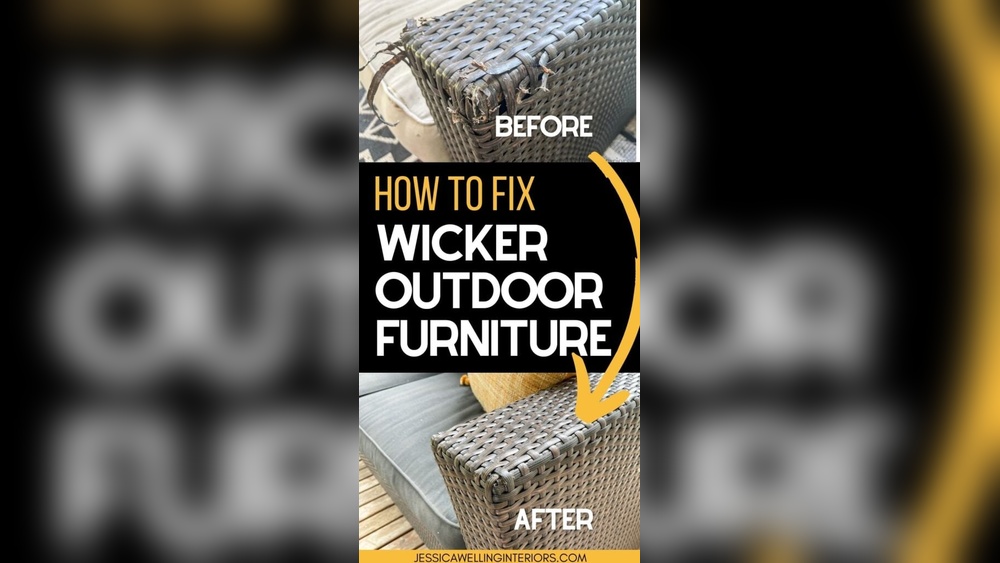
Knowing the material helps choose the right fix. Wood, metal, plastic, and wicker need different care. Wood can be sanded and stained. Metal may require rust remover or paint. Plastic can be cleaned or glued. Wicker needs gentle cleaning and possible weaving repair.
Check labels or manuals for material details. This ensures you use proper repair methods.
Evaluating Repair Needs
Decide if a repair is simple or needs more work. Small cracks might need glue or filler. Loose parts may require tightening or new screws. Deep damage could need part replacement. Some cushions may only need new covers.
Assess time and cost before starting repairs. This helps avoid surprises later.

Credit: www.liftingitalia.com
Cleaning And Preparation
Cleaning and preparation are the first steps to fix your outdoor furniture. Dirt, dust, and old paint can stop repairs from working well. Taking time to clean and prepare makes the repair last longer and look better.
Removing Dirt And Debris
Start by brushing off loose dirt and leaves. Use a soft brush or cloth to wipe the surface. For stubborn dirt, wash with mild soap and water. Rinse well and let the furniture dry fully. Clean surfaces help paint and glue stick properly.
Sanding Rough Surfaces
Look for rough spots, splinters, or peeling paint. Use sandpaper to smooth these areas gently. Sanding also removes old paint and rust. Wipe dust away with a dry cloth after sanding. Smooth surfaces make repairs easier and neater.
Gathering Repair Tools
Collect all tools before starting your repair. Common tools include sandpaper, brushes, paint, glue, and screws. Having everything ready saves time and avoids interruptions. Check if you need special items for your furniture type.
Repairing Wooden Furniture
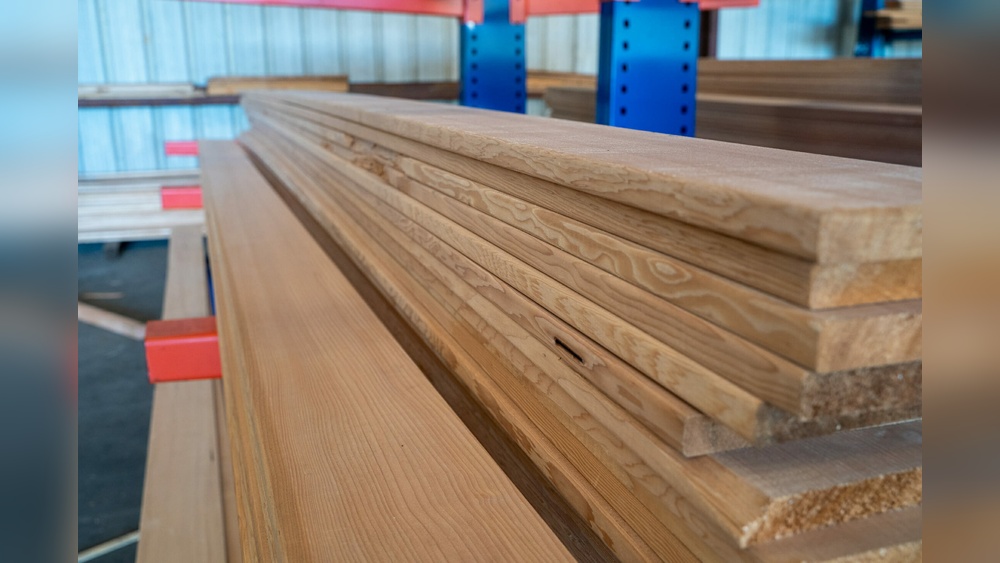
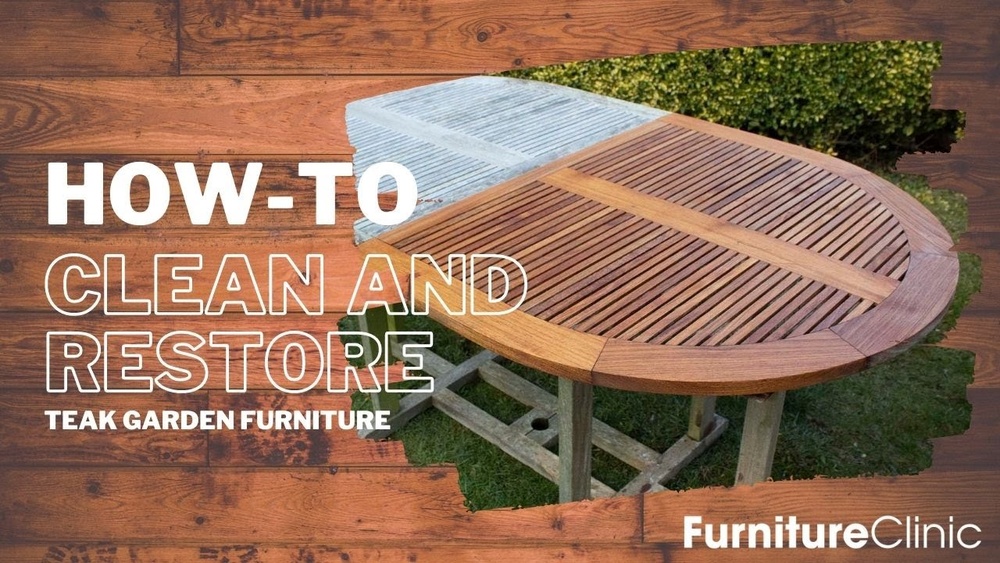
Wooden outdoor furniture gives a warm, natural look to any garden or patio. Over time, wood can crack, split, or wear down from sun and rain. Fixing wooden furniture keeps it strong and beautiful. Simple repairs can save money and extend the life of your pieces.
Fixing Cracks And Splits
Start by cleaning the cracked area with a soft brush. Remove dirt and loose wood bits carefully. Use wood glue to fill small cracks. Push glue deep into the split with a toothpick or small brush. Clamp the wood tightly and let the glue dry for 24 hours. For bigger splits, fill gaps with wood filler. Sand the area smooth after it dries. This prevents water from entering and causing more damage.
Replacing Broken Slats
Broken slats weaken the furniture’s structure. Remove damaged slats by unscrewing or prying them out gently. Measure the old slat for the right size. Cut a new piece of wood to match. Sand edges smooth to avoid splinters. Fix the new slat in place with screws or nails. Make sure it fits tightly and is level. This repair keeps your furniture safe and comfortable.
Applying Protective Finish
Wood outdoors needs protection against weather. Choose a clear wood sealer or outdoor varnish. Apply a thin coat with a brush, covering all surfaces. Let the first coat dry fully before adding a second. This finish shields wood from moisture and sun damage. Reapply the finish every year for best results. Your furniture will stay fresh and strong longer.
Fixing Metal Furniture
Metal furniture often faces wear from rain and sun. Fixing it restores beauty and strength. The process involves cleaning, repairing, and protecting metal surfaces. Simple steps can extend your furniture’s life and keep it looking good.
Removing Rust
Rust weakens metal and spoils appearance. Start by brushing off loose rust with a wire brush. Use sandpaper or a rust remover to clean stubborn spots. Wipe the surface with a damp cloth to remove dust. Allow it to dry completely before the next step.
Welding And Soldering Tips
Cracks and broken parts need joining for safety and use. Welding is best for strong repairs on thick metal. Soldering works well for small joints or thin pieces. Always wear safety gear like gloves and goggles. Practice on scrap metal before fixing your furniture.
Applying Rust-resistant Paint
Protect metal from future rust with rust-resistant paint. Choose paint designed for outdoor metal surfaces. Apply a primer first for better paint adhesion. Use a brush or spray for even coverage. Let each coat dry fully before adding another layer.
Restoring Plastic Furniture
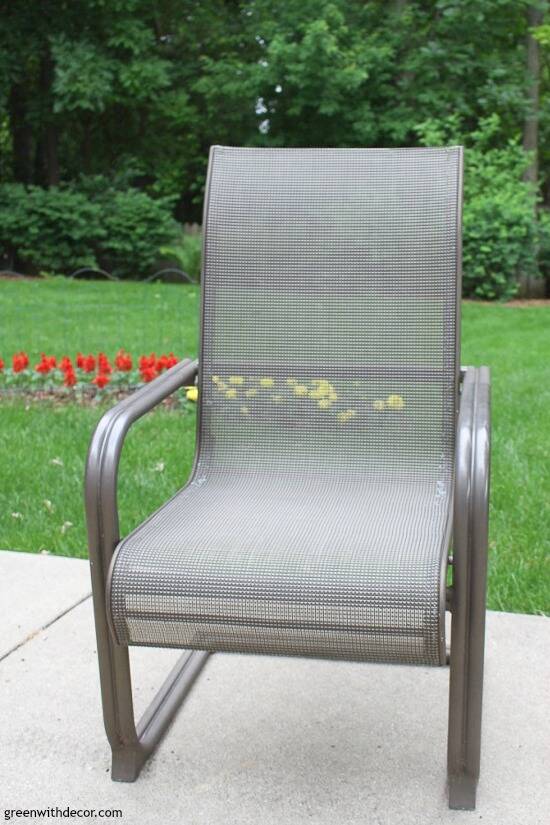
Plastic outdoor furniture is popular for its light weight and low cost. Over time, it can crack or break from sun and weather. Fixing plastic furniture helps save money and keeps your outdoor space nice. Small repairs can make old furniture strong again.
Repairing Cracks And Holes
Start by cleaning the cracked or broken area. Use soap and water, then dry well. For small cracks, apply a plastic filler or epoxy putty. Press it into the crack and smooth the surface. Let it dry fully before sanding lightly. For holes, use a piece of plastic mesh inside the hole. Then cover with epoxy or glue. This adds strength and stops the hole from growing.
Using Adhesives Effectively
Choose the right adhesive for plastic furniture. Look for glue labeled for plastic or outdoor use. Apply glue on both broken surfaces. Hold pieces tightly together for several minutes. Use clamps or tape to keep parts in place while drying. Avoid excess glue to prevent mess. Always follow drying times on the glue packaging for best results.
Preventing Future Damage
Keep furniture out of direct sun when possible. Use covers to protect from rain and dirt. Clean plastic furniture regularly to remove debris. Avoid heavy weight or sharp objects on the furniture. Store furniture indoors during winter or bad weather. These steps help your plastic furniture last longer and stay strong.
Credit: greenwithdecor.com
Maintaining Outdoor Furniture
Maintaining outdoor furniture keeps it strong and beautiful for years. Dirt, weather, and daily use can damage your furniture. Regular care protects your investment and saves money. Follow simple steps to keep your furniture in good shape.
Regular Cleaning Habits
Clean your furniture often to stop dirt buildup. Use a soft brush or cloth to remove dust and debris. Mild soap and water work well for most materials. Rinse with clean water and dry with a towel. Avoid harsh chemicals that can harm the finish.
Seasonal Protection Tips
Protect furniture from sun, rain, and cold during different seasons. Apply a protective sealant or wax for wood pieces. Use waterproof covers during heavy rain or snow. Move cushions indoors or store them in dry places. Check for cracks or rust and fix these quickly.
Storage Solutions For Longevity
Store outdoor furniture properly during off-seasons. Keep pieces in a dry, cool area like a garage or shed. Stack chairs and tables carefully to avoid scratches. Use furniture covers that allow air flow to stop mold. Proper storage extends the life of your furniture.
Frequently Asked Questions
How Can I Repair Scratches On Outdoor Furniture?
Light scratches can be fixed using fine sandpaper and touch-up paint. For wooden furniture, apply wood filler before sanding. Always seal the area with a protective finish to prevent future damage.
What Is The Best Way To Fix Loose Outdoor Furniture Joints?
Tighten screws or bolts using a screwdriver or wrench. For wooden joints, apply wood glue and clamp until dry. Regular maintenance prevents joints from becoming loose.
How Do I Restore Faded Outdoor Furniture Colors?
Clean the furniture thoroughly, then apply a weather-resistant paint or stain. Use UV-protective sealants to maintain color and prevent further fading. Reapply as needed based on exposure.
Can I Fix Rust On Metal Outdoor Furniture?
Yes, remove rust using a wire brush or sandpaper. Apply a rust converter or primer before repainting with rust-resistant paint. This protects the metal and extends furniture life.
Conclusion
Fixing your outdoor furniture can save money and extend its life. Small repairs like tightening screws or sanding rough spots help a lot. Regular care keeps your furniture strong and looking nice. You don’t need special tools or skills to start fixing today.
A little effort goes a long way in making your outdoor space comfortable again. Try these simple tips and enjoy your furniture for many seasons. Keep it neat, and it will serve you well. Ready to give your furniture a fresh start?