Your outdoor wood furniture adds charm and comfort to your space, but termites can quickly turn it into a costly problem. Imagine relaxing on your favorite chair only to find it weakened or damaged by these tiny invaders.
You don’t want to face that frustration, right? Protecting your wood furniture from termites is easier than you think, and with the right steps, you can keep your outdoor pieces strong and beautiful for years. Keep reading to discover practical, simple ways you can safeguard your investment and enjoy worry-free outdoor living.
Signs Of Termite Infestation
Termites can silently damage your outdoor wood furniture. They often hide inside the wood, making early signs hard to spot. Knowing the signs helps you act fast. Protect your furniture before the damage grows.
Common Termite Types
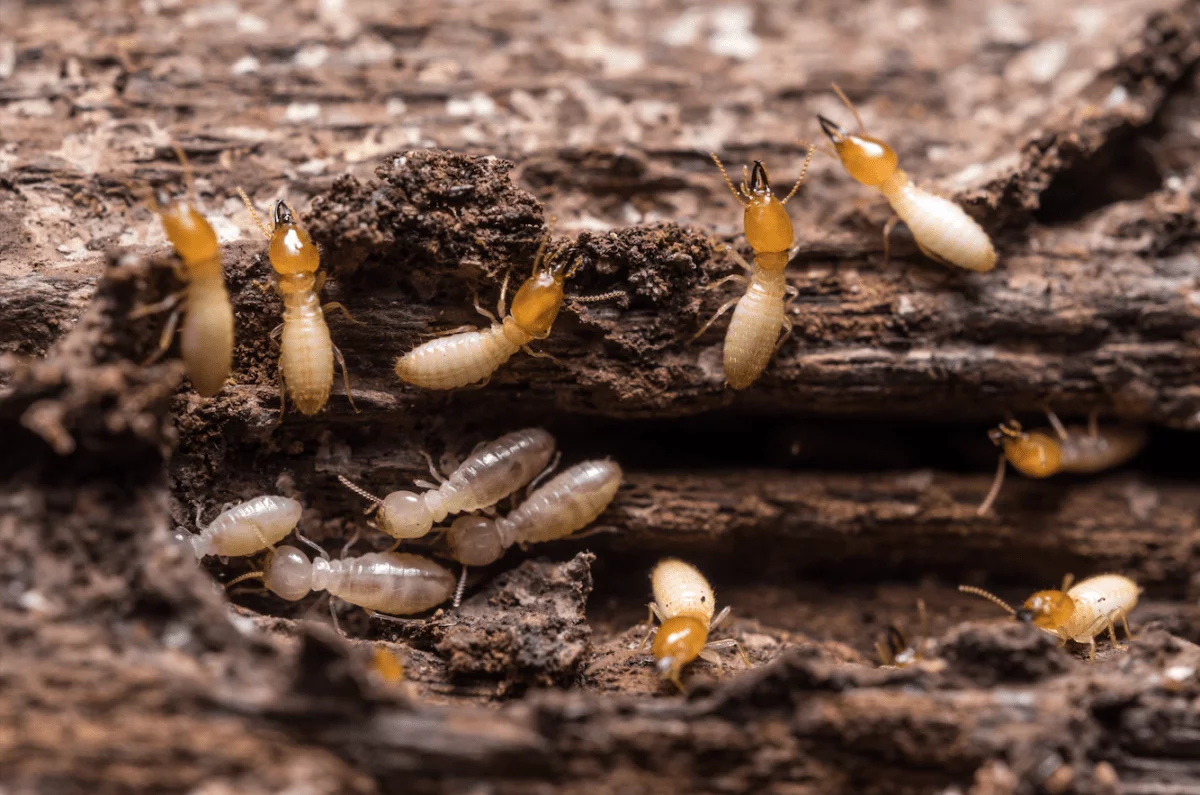
Subterranean termites live underground and build mud tubes to reach wood. Drywood termites stay inside the wood and do not need soil contact. Formosan termites are very aggressive and can cause fast damage. Recognize these types to understand how they attack your furniture.
Visible Damage Indicators
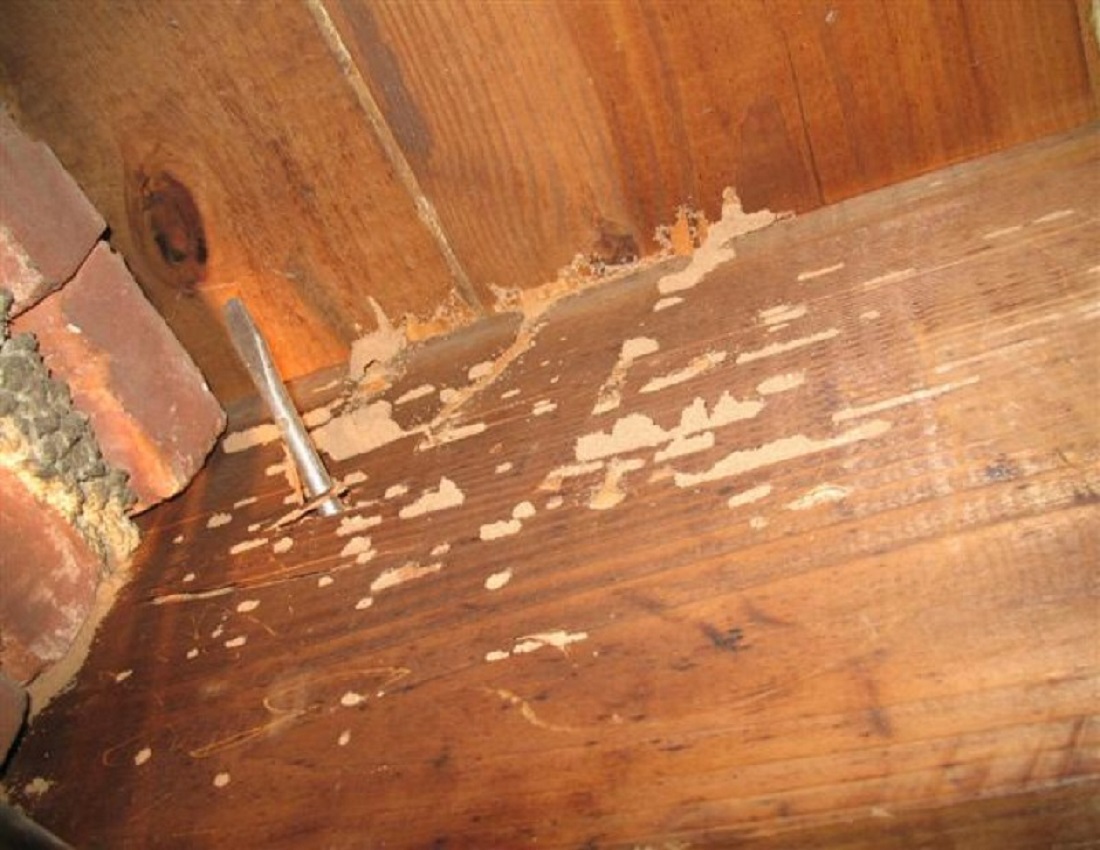
Look for hollow wood or thin layers that break easily. Mud tubes on wood surfaces show termite pathways. Small holes and piles of tiny wood pellets signal drywood termites. Cracked or blistered wood can also mean termite activity.
Unusual Wood Sounds
Tap your wood furniture gently. A hollow or clicking sound may mean termites inside. You might hear soft rustling from the wood. These noises occur as termites eat and move within the wood. Listen carefully to catch early signs.
Credit: prodigypest.com
Choosing Termite-resistant Wood
Choosing termite-resistant wood is a smart step to protect outdoor furniture. It helps keep your pieces strong and lasting longer. Certain woods resist termite damage better than others. Picking the right wood saves time and money on repairs.
Hardwood Vs Softwood
Hardwood is denser and tougher than softwood. Termites find it harder to chew through hardwood. Softwood is lighter and easier for termites to attack. For outdoor furniture, hardwood offers better protection. It also lasts longer in all weather conditions.
Naturally Resistant Wood Types
Some woods resist termites naturally. Teak, cedar, and redwood are great examples. These woods contain oils that repel insects. They also resist moisture, which termites dislike. Using these woods reduces the need for chemical treatments. They keep furniture safe and looking good.
Treated Wood Options
Treated wood has chemicals to stop termites. These treatments protect wood for many years. Pressure-treated pine is common and affordable. It works well for outdoor furniture. Make sure the treatment is safe for your family. Treated wood adds extra defense against termite damage.
Preventive Treatments
Protecting outdoor wood furniture from termites starts with preventive treatments. These treatments create barriers and conditions that stop termites before they cause damage. Applying the right products helps keep your wood safe for years. Understanding the options makes it easier to choose what fits your needs.
Chemical Barriers
Chemical barriers are treatments applied around or under wood. They create a zone that termites avoid or cannot cross. This method uses insecticides that kill or repel termites near the wood. Professional pest control often uses this to protect large outdoor areas. Homeowners can also apply these barriers to furniture legs or base areas. Regular reapplication keeps the barrier strong and effective.
Natural Repellents
Natural repellents use plant-based oils and substances to keep termites away. Common choices include neem oil, orange oil, and cedar oil. These oils have scents termites dislike and act as a deterrent. Applying natural repellents to wood surfaces offers a safer option for families and pets. These treatments require frequent application to maintain their effect. They work well combined with other preventive methods.
Wood Sealants And Stains
Wood sealants and stains protect furniture by creating a hard, protective layer. This layer blocks moisture, which termites need to survive. Some sealants include additives that repel insects. Applying sealants regularly helps maintain protection against termites and weather damage. Choose products labeled for outdoor use and termite resistance. Proper sealing also improves the wood’s look and lifespan.
Credit: www.myrustica.com
Proper Furniture Placement
Proper furniture placement is key to protecting outdoor wood furniture from termites. Termites thrive in moist and hidden areas. Placing furniture correctly reduces their access and helps keep your wood safe. Thoughtful placement also improves furniture life and appearance.
Avoid Soil Contact
Keep wood furniture away from direct soil contact. Soil holds moisture and termite colonies. Place furniture on solid surfaces like concrete or stone. Avoid placing wood directly on dirt or grass. This simple step lowers termite risks significantly.
Elevated Positioning
Raise furniture off the ground using legs or supports. Elevation allows air to circulate beneath the wood. Dry wood is less attractive to termites. Use bricks, blocks, or metal stands to lift furniture. This also prevents water damage from puddles or rain.
Shaded And Dry Areas
Choose shaded spots to reduce sun damage on wood. Direct sunlight can cause cracks and fading. Still, avoid overly damp or dark corners. Termites prefer dark, moist environments. Keep furniture in areas with good airflow and moderate shade.
Regular Maintenance Tips
Regular maintenance keeps outdoor wood furniture safe from termites. Small efforts can stop big problems. Routine care helps spot issues early. It also strengthens the wood against damage. Follow these tips to protect your wood furniture for years.
Cleaning Techniques
Clean your wood furniture often. Remove dirt and debris using a soft brush. Use mild soap and water for washing. Avoid harsh chemicals that may harm the wood. Dry the furniture completely after cleaning. Moisture invites termites and wood rot. Clean surfaces keep pests away and wood healthy.
Inspection Frequency
Inspect your furniture every month. Look closely for small holes or mud tubes. Check hidden spots like joints and undersides. Early signs of termites include wood dust and tiny cracks. Use a flashlight for better visibility. Frequent checks help catch termite activity fast.
Repairing Damage Early
Fix any damage as soon as found. Replace broken or soft wood pieces quickly. Use wood filler for small cracks and holes. Sand repaired areas smooth after drying. Early repairs prevent termites from spreading inside wood. Keep your furniture strong and safe.
Credit: www.myrustica.com
Professional Termite Control
Professional termite control is a smart choice to protect outdoor wood furniture. Experts can spot termite problems early. They use safe and effective treatments. This helps save your furniture and avoid costly damage. Trusting professionals means thorough work and lasting results.
When To Call Experts
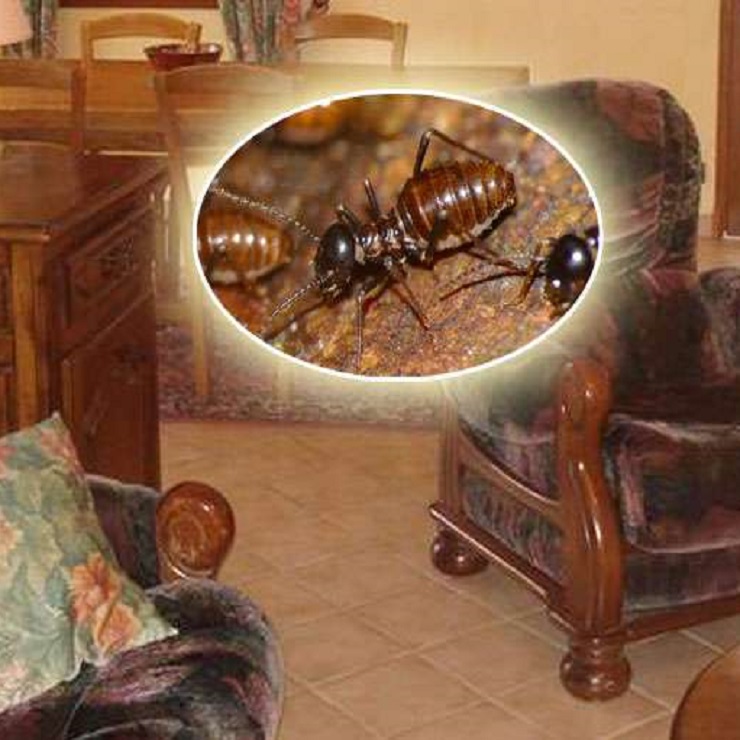
Call termite experts if you see small holes or wood dust. Soft or hollow wood also signals termite activity. If you notice winged insects near furniture, get help fast. Early detection stops termites from spreading and ruining more wood.
Treatment Methods
Experts use different treatments based on termite type and damage level. Liquid termiticides create a barrier to kill termites. Bait stations attract termites and poison their colony. Fumigation removes termites from the entire area. Professionals choose the safest and best method for your furniture.
Cost Considerations
Termite control costs vary by treatment type and furniture size. Liquid treatments are usually less expensive than fumigation. Bait stations require regular monitoring, which adds to costs. Consider the value of your furniture when choosing treatment. Professional services save money by preventing future damage.
Frequently Asked Questions
How Can I Prevent Termites On Outdoor Wood Furniture?
Keep furniture dry and off soil to prevent termites. Apply termite-resistant sealants and inspect wood regularly. Use treated wood or natural repellents for extra protection.
What Are The Signs Of Termite Damage On Wood Furniture?
Look for small holes, hollow sounds, and wood dust near joints. Swollen or cracked wood also indicates termite activity. Early detection helps prevent severe damage.
Which Treatments Are Best For Termite Protection On Wood?
Use borate-based wood treatments or termite sprays. These penetrate wood and kill termites effectively. Reapply treatments yearly for consistent protection against infestations.
Can Natural Oils Protect Wood Furniture From Termites?
Yes, oils like orange oil and neem oil repel termites naturally. Apply regularly to outdoor wood furniture for a chemical-free protective layer.
Conclusion
Protecting outdoor wood furniture from termites takes regular care. Clean the furniture often and check for signs of damage. Use termite-resistant finishes or treatments to keep bugs away. Keep wood dry and avoid letting plants touch the furniture. Small steps can save your furniture for years.
Stay alert and act quickly if you see termites. Enjoy your outdoor space without worry. Simple habits make a big difference in stopping termite damage.