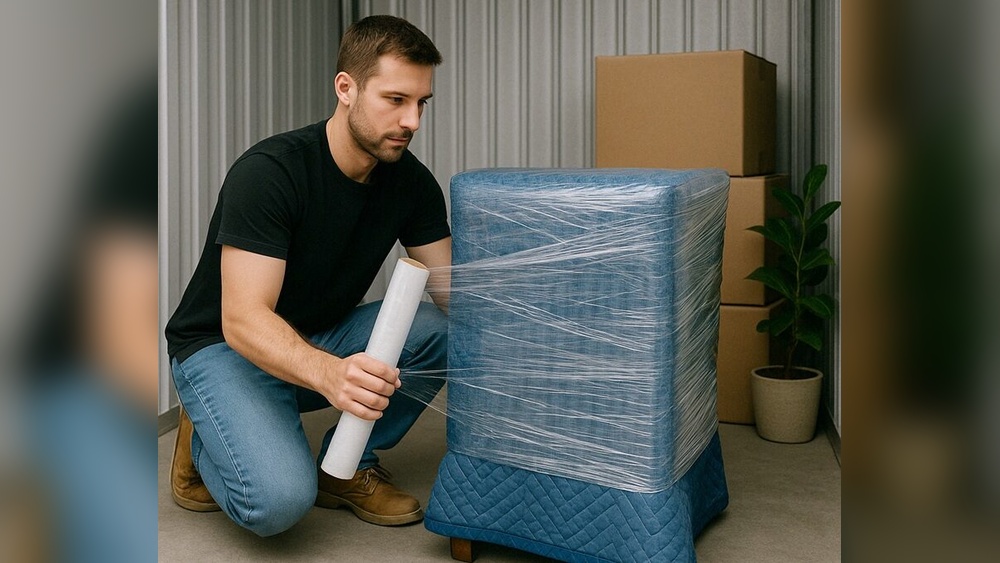
Are you worried about your furniture getting damaged while in storage? You’re not alone.
Whether you’re moving, renovating, or simply decluttering, storing your furniture safely is key to keeping it looking great. Without the right precautions, dust, moisture, and pests can cause costly damage. But don’t stress—protecting your furniture is easier than you think.
In this guide, you’ll discover simple, effective steps to shield your valuable pieces from harm. Keep reading to learn how to make sure your furniture stays safe and sound, ready to shine when you bring it back home.
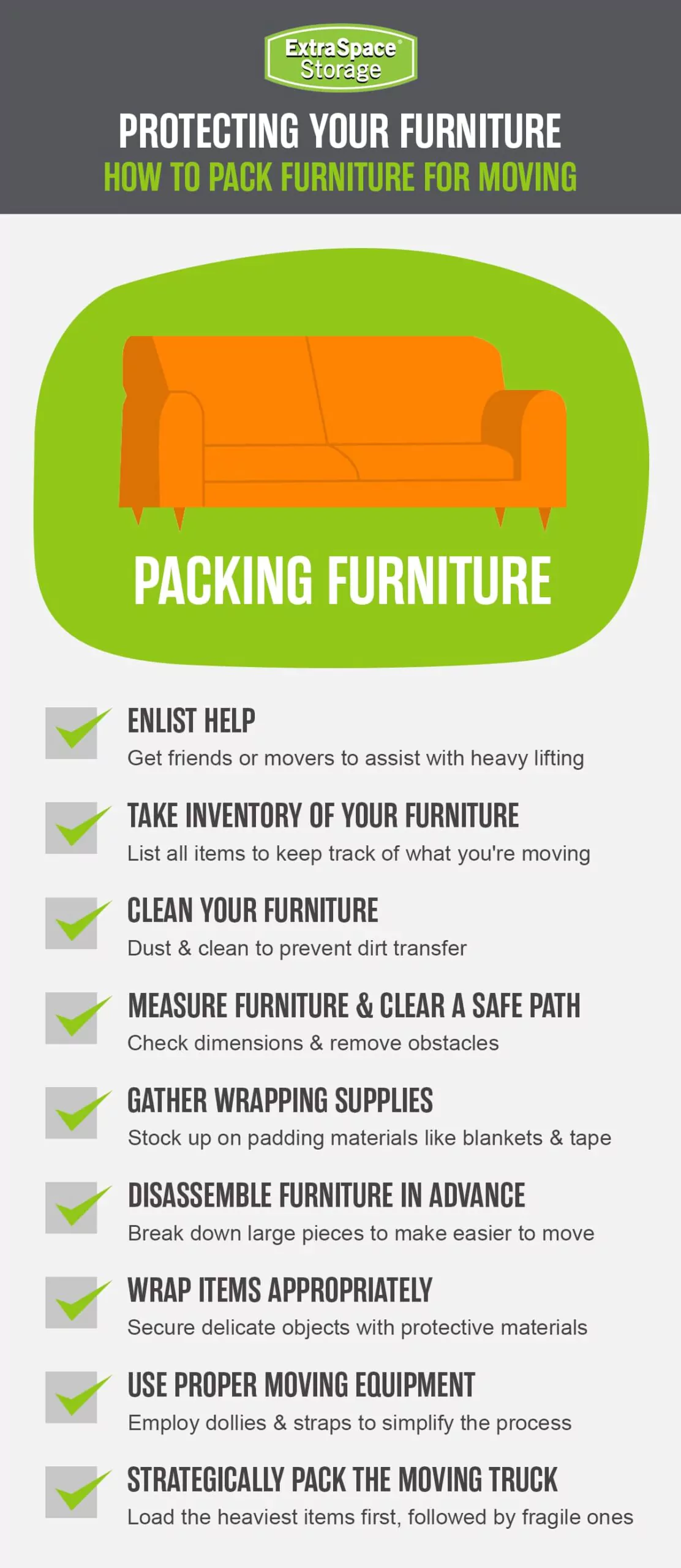
Credit: www.extraspace.com
Preparing Furniture For Storage
Preparing furniture for storage takes careful steps to keep it safe. Proper preparation reduces damage risks like scratches, mold, and warping. It also makes moving and unpacking easier. Start by cleaning, then disassemble parts, and remove any cushions or fabrics. Each step helps protect your furniture during storage.
Cleaning And Drying
Clean furniture thoroughly before storage. Dust and dirt can cause stains and attract pests. Use a soft cloth and mild cleaner for wood and metal surfaces. For fabric, vacuum to remove dust and crumbs.
Dry furniture completely after cleaning. Moisture can cause mold and mildew. Let items air dry in a well-ventilated area. Avoid storing damp furniture to prevent damage.
Disassembling Parts
Take apart large furniture pieces if possible. Remove legs from tables and chairs. Detach shelves and drawers from cabinets.
Disassembling reduces stress on joints during storage. It also saves space and makes moving easier. Keep screws and small parts in labeled bags to avoid loss.
Removing Cushions And Fabrics
Remove cushions and any removable fabrics before storing furniture. Cushions can trap moisture and develop mold. Store them separately in dry, breathable bags or containers.
Clean fabric covers according to care instructions before removal. This prevents stains and odors from setting in during storage. Proper fabric care extends the life of your furniture.
Choosing Protective Materials
Choosing the right protective materials is key to keeping furniture safe in storage. The materials you select shield your pieces from dust, moisture, and physical damage. Using proper covers and padding helps maintain the furniture’s condition during storage. The goal is to prevent scratches, mold, and warping by using breathable and cushioned materials.
Breathable Covers
Breathable covers allow air to flow around your furniture. This stops moisture from building up and causing mold. Use cotton sheets, canvas covers, or furniture blankets. Avoid plastic tarps that trap humidity. Breathable covers protect wood, fabric, and leather from damage.
Using Plastic Wrap Wisely
Plastic wrap can protect against dust and spills. Wrap legs, corners, or delicate parts tightly. Avoid covering entire furniture with plastic, as it traps moisture. Use plastic wrap only for small areas or short-term storage. This prevents mold and damage caused by humidity.
Padding Vulnerable Areas
Padding cushions fragile or sharp edges during storage and moving. Use bubble wrap, foam, or thick blankets. Focus on corners, legs, and handles. Padding prevents scratches, dents, and breakage. Secure padding with tape or stretch wrap to keep it in place.
Preventing Moisture And Mold
Moisture and mold can cause serious damage to furniture in storage. Mold grows quickly in damp environments and ruins wood, fabric, and leather. Preventing moisture buildup helps keep your furniture safe and fresh. Taking simple steps reduces the risk of mold and extends the life of your items.
Climate-controlled Storage Options
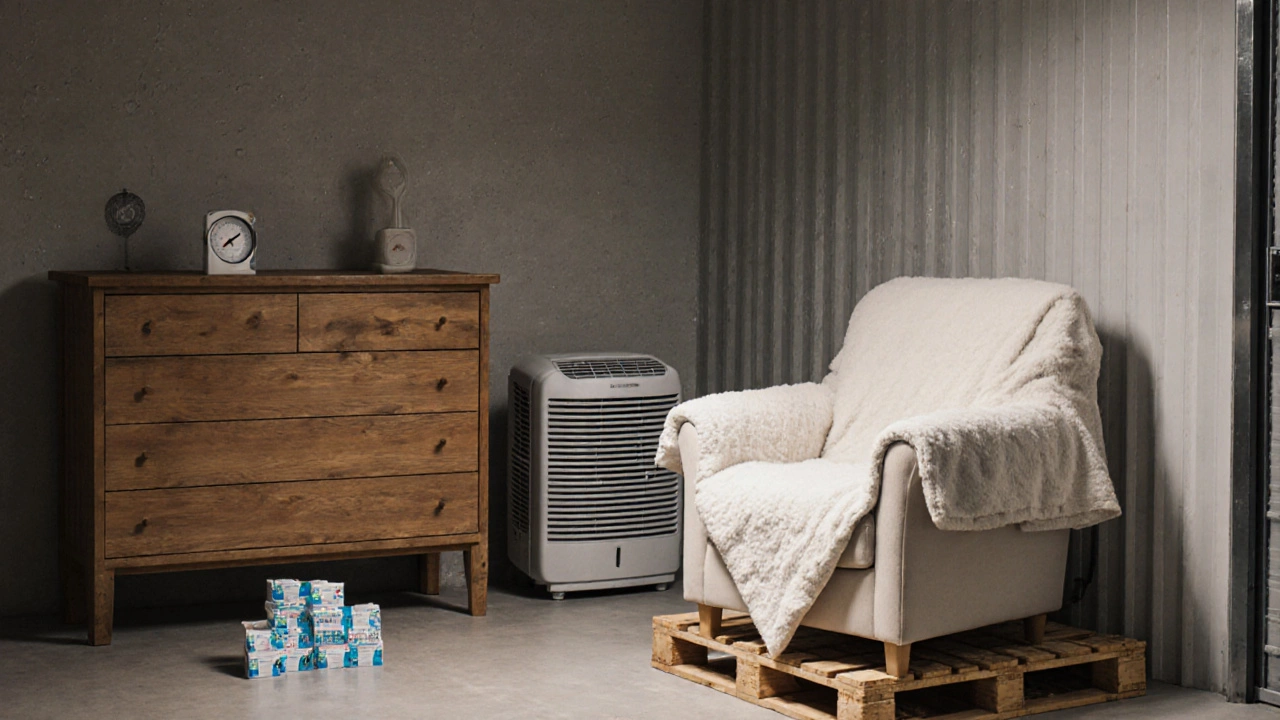
Choose a climate-controlled storage unit to protect furniture from humidity. These units keep temperature and moisture levels steady. This prevents mold growth and stops wood from warping. Climate control is especially important in humid areas or during wet seasons.
Keeping Furniture Off The Ground
Raise furniture off the floor using pallets or blocks. This allows air to circulate underneath. It stops moisture from the ground from reaching your furniture. Keeping items off the ground also reduces the chance of mold spreading from the floor.
Avoiding Tight Seals
Wrap furniture in breathable covers like cotton sheets or moving blankets. Avoid plastic wrap or airtight covers that trap moisture. Tight seals can create a damp environment inside the wrap. Breathable materials let moisture escape and keep furniture dry.
Credit: rusticsocial.co.uk
Protecting Specific Furniture Types
Different types of furniture need special care in storage. Protecting each kind properly helps avoid damage and keeps items in good shape. This section covers tips for upholstered items, wooden furniture, and glass surfaces.
Upholstered Items
Clean upholstery thoroughly before storage. Remove dust and stains with a gentle cleaner. Let the fabric dry completely to stop mold growth. Cover with breathable fabric covers like cotton sheets. Avoid plastic covers because they trap moisture. Store cushions and pillows flat to keep their shape. Place items off the floor to prevent dampness from seeping in.
Wooden Furniture
Dust and polish wooden furniture before storing it. Use wax or oil to protect the wood’s surface. Wrap corners and edges with bubble wrap or moving blankets. Keep wood away from direct contact with concrete floors. Elevate pieces on pallets or wooden blocks. Avoid extreme temperature changes by choosing climate-controlled storage. Check stored wood regularly for signs of cracking or warping.
Glass Surfaces
Clean glass surfaces with a gentle glass cleaner. Dry completely to avoid streaks and water spots. Use cardboard or foam sheets between glass pieces and other items. Wrap glass edges with bubble wrap for extra protection. Store glass surfaces vertically to reduce pressure. Label boxes clearly to handle them with care. Avoid placing heavy objects on top of glass items.
Organizing And Labeling
Organizing and labeling furniture parts before storage saves time and prevents damage. Clear organization helps keep every piece safe and easy to find. Proper labeling lets you quickly identify parts without unpacking everything. This step reduces stress during moving or setting up again.
Storing Hardware Safely
Collect all screws, bolts, and small hardware in one place. Use small sealed bags or containers to keep them together. Attach these containers to the furniture or store them in a box with clear labels. This stops hardware from getting lost or mixed with other items. Keep these bags dry and away from heavy pressure to avoid damage.
Labeling Parts And Covers
Label every furniture part clearly before storing it. Use waterproof markers or printed labels for durability. Write the furniture name and part description on each label. Label covers and protective wraps to show which furniture they belong to. This simple step speeds up reassembly and helps avoid confusion later. Store labels where they are easy to see and read.
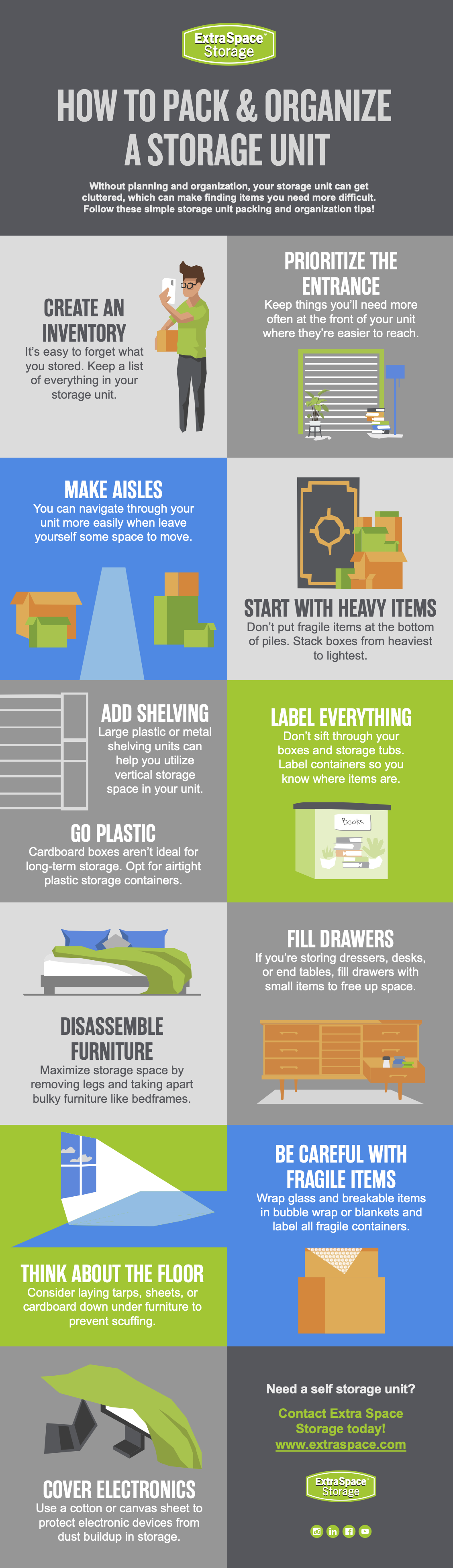
Credit: www.extraspace.com
Additional Storage Tips
Protecting your furniture in storage requires more than just covering and packing. Extra care can stop damage and keep your items safe for longer. Small actions can make a big difference.
Avoiding Pest Damage
Keep pests away by cleaning furniture before storage. Remove crumbs, dirt, and pet hair. Use natural repellents like cedar blocks or lavender sachets. Seal any holes or cracks in the storage area. Avoid storing food near your furniture. Pests are less likely to invade clean, sealed spaces.
Regular Inspection During Storage
Check your stored furniture often. Look for signs of moisture, mold, or pest activity. Open covers to allow air circulation. Early detection helps fix problems before damage occurs. Take photos to track any changes over time. Regular checks protect your investment and give peace of mind.
Frequently Asked Questions
How To Protect Furniture While In Storage?
Clean and dry furniture before storage. Disassemble large items and label hardware. Cover with breathable sheets or blankets to prevent dust. Avoid tight plastic wraps to reduce moisture risk. Store in a climate-controlled unit if possible, and keep items off the ground to prevent mold and damage.
What Is The 2/3 Rule Furniture?
The 2/3 rule in furniture suggests arranging pieces to cover about two-thirds of a wall. This creates balance and visual appeal in a room.
Will My Furniture Get Ruined In A Storage Unit?
Your furniture won’t get ruined if you clean, dry, and cover it with breathable materials before storage. Use climate-controlled units to prevent moisture damage. Disassemble large items, remove cushions, and keep furniture off the ground to avoid mold and mildew.
Proper preparation protects your furniture effectively.
How Do You Protect Furniture From Mold In Storage?
Clean and dry furniture thoroughly before storage. Use breathable covers like sheets or blankets to prevent moisture. Keep items off the ground to reduce condensation. Avoid tight plastic wrapping to allow airflow. Opt for climate-controlled storage when possible to minimize mold risk.
Conclusion
Protecting your furniture in storage takes simple steps. Clean each piece well before storing. Use breathable covers to keep dust away. Avoid plastic wrap that traps moisture. Keep furniture off the floor to prevent dampness. Choose a climate-controlled unit if possible.
Check your items regularly for any signs of damage. Small efforts now save you from costly repairs later. Your furniture will stay safe and ready for use. Careful storage protects your investment and keeps your home beautiful.