
Are you wondering whether a storage unit counts as equipment or furniture? This question might seem simple, but the answer can affect how you organize your space, track your expenses, or even file your taxes.
Understanding where a storage unit fits helps you make smarter decisions about what you own and how you use it. Keep reading, and you’ll discover the key differences between equipment and furniture, and exactly where your storage unit belongs. This insight will clear up confusion and guide you to better manage your belongings and your budget.
Storage Unit Basics
Understanding the basics of storage units helps clarify their role and function. Storage units provide extra space for keeping items safe and organized. These spaces vary in size and design to fit different needs.
People and businesses use storage units to free up room in homes or offices. Knowing the types and uses of storage units guides better decisions about renting or buying them.
Types Of Storage Units
Storage units come in several types to suit various purposes. Standard units are simple, enclosed spaces with a lock. Climate-controlled units keep temperature and humidity steady. This protects sensitive items like electronics or furniture.
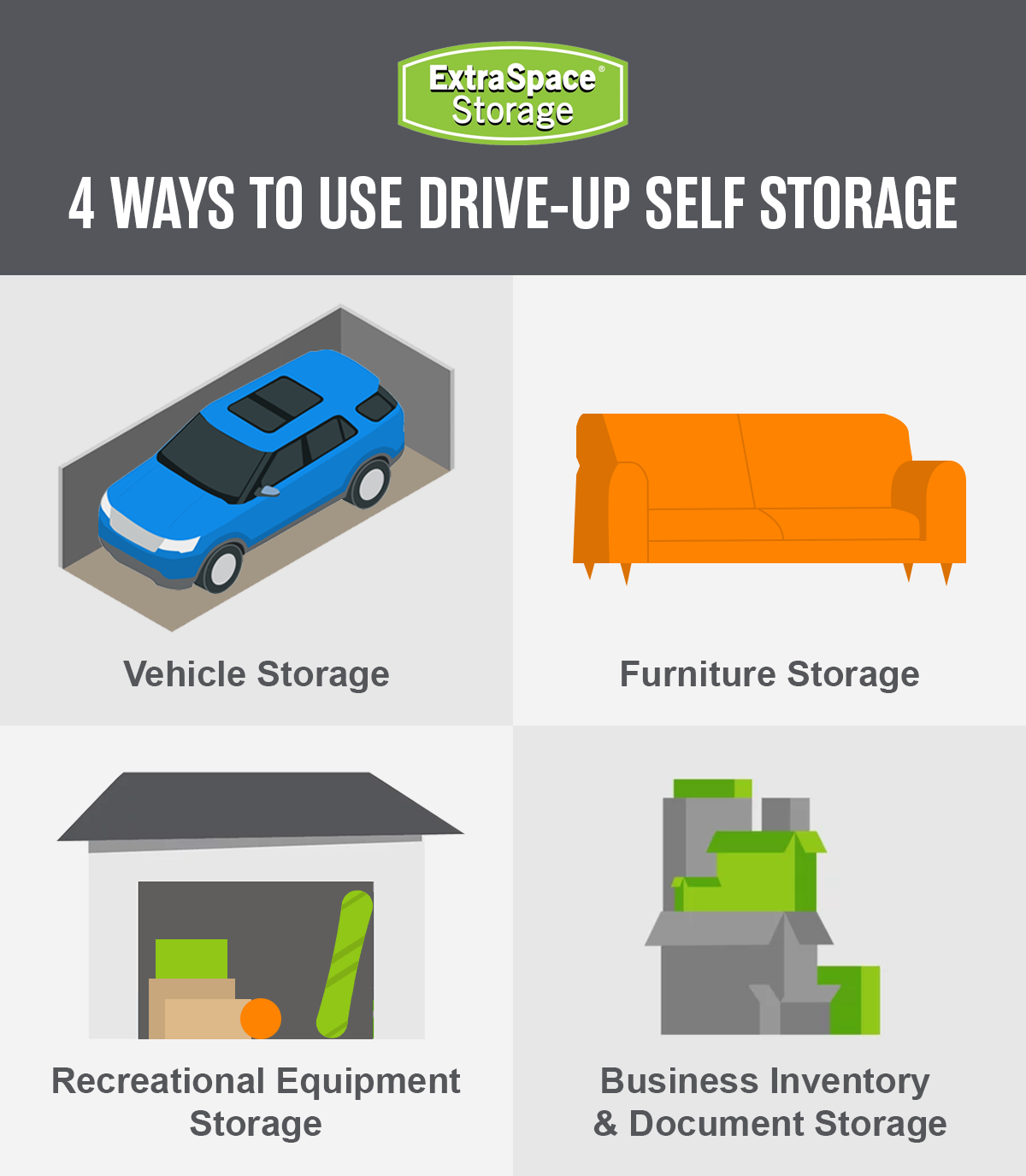
Drive-up units allow vehicles to park close for easy loading. Outdoor storage units are open but secure, often used for large equipment. Specialty units include lockers and portable containers for flexible use.
Common Uses
Storage units hold a wide range of items. Homeowners store furniture, seasonal items, or personal belongings during moves. Businesses keep inventory, documents, or equipment safe off-site.
Storage units also serve students, travelers, and contractors who need temporary space. Using these units reduces clutter and protects goods from damage or theft. They offer a practical solution for managing space efficiently.
Credit: www.extraspace.com
Defining Equipment
Understanding what counts as equipment is essential when discussing storage units. Equipment includes items that help perform tasks or support operations. They are usually tools or machines that aid in work or storage processes.
In a storage setting, equipment means more than just physical objects. It refers to functional items that assist in organizing, moving, or protecting stored goods. This distinction helps clarify if something should be classified as equipment or furniture.
Characteristics Of Equipment
Equipment has specific traits that set it apart from furniture. It is used to perform a task or function. Equipment often requires maintenance and can be moved or replaced easily. It is designed to improve efficiency or safety in storage areas. Unlike furniture, equipment is not mainly for comfort or decoration.
Examples In Storage Context
Common examples of equipment in storage include pallet jacks, forklifts, and conveyor belts. Shelving units and storage racks also count as equipment because they hold and organize items. Protective gear like safety helmets and gloves used in storage spaces are equipment too. These items serve specific roles beyond simple placement or seating.
Defining Furniture
Furniture refers to movable objects designed to support human activities. These items provide comfort, storage, or decoration in living or working spaces.
Typically, furniture includes items like chairs, tables, beds, and cabinets. They serve practical and aesthetic purposes in homes and offices.
Characteristics Of Furniture
Furniture is usually made from wood, metal, or plastic. It is designed for daily use and comfort. Furniture often has a decorative aspect. It supports activities such as sitting, sleeping, or storing items. Most furniture is easy to move but can be heavy or large. It adds style and function to a room.
Examples In Storage Context
Storage-related furniture includes shelves, wardrobes, and storage benches. These pieces help organize and store belongings. Unlike equipment, furniture combines storage with usability and appearance. Storage units like cabinets fit well in homes and offices. They are part of the furniture category because they serve a dual purpose. Items like pallet racks or industrial shelving are usually considered equipment, not furniture.

Credit: www.amazon.com
Storage Units As Equipment
Storage units serve many purposes in homes and businesses. They keep items safe and organized. Considering them as equipment helps understand their role better. This view focuses on their physical and functional features.
Structural Components
Storage units have strong frames made from metal or wood. Shelves, drawers, and compartments create space for items. Doors or covers protect belongings inside. Their design supports weight and frequent use. These parts work together to hold and protect items safely.
Functionality And Use
Storage units help organize tools, supplies, and equipment. They make spaces neat and easy to navigate. Users access stored items quickly when needed. These units improve work efficiency and safety. In offices, workshops, or homes, they serve as essential tools for storage.
Storage Units As Furniture
Storage units can serve more than just holding items. They often double as furniture pieces in homes and offices. This dual purpose makes them practical and stylish. Many designs blend storage with comfort and aesthetics.
Design And Comfort Elements
Storage units as furniture come in many styles and shapes. Some have cushioned tops, turning them into seating options. Others feature sleek finishes that match room decor. These units offer both storage space and comfort. They help keep rooms tidy without sacrificing style.
Placement And Accessibility
Where you place a storage unit affects its use as furniture. Common spots include living rooms, bedrooms, and entryways. Easy access is key for daily use items. Some units have wheels or sliding doors for convenience. Thoughtful placement boosts both functionality and room flow.
Expense Classification
Expense classification helps businesses decide how to record costs related to storage units. Correct classification affects financial statements and tax filings. It depends on whether the storage unit is rented or owned. Also, how the storage unit is used matters.
Rent Vs Capital Expenditure
Renting a storage unit counts as an operating expense. It is recorded as rent expense in accounting. These costs appear on the income statement and reduce taxable income for the period.
Buying a storage unit is a capital expenditure. The purchase is recorded as an asset on the balance sheet. Over time, the cost is depreciated, spreading the expense across several years.
Improvements to the storage unit also qualify as capital expenses. Repairs and maintenance usually remain operating expenses unless they extend the asset’s life.
Accounting Categories
Storage units fall under different accounting categories based on their use. When rented, they are part of rent or lease expenses. These expenses show in operating costs.
Owned units are classified as fixed assets or property, plant, and equipment (PP&E). Depreciation expense is recorded yearly to match asset use.
Furniture is a separate fixed asset category. Storage equipment may be grouped with machinery or tools if used in operations.
Storage In Economic Sectors
Storage plays a vital role across various economic sectors. It supports businesses by holding goods, materials, and equipment safely. Storage is not just a physical space but a service that impacts many industries. Understanding its position helps clarify whether storage units count as equipment or furniture.
Tertiary Sector Role
The tertiary sector focuses on services rather than producing goods. Storage fits here because it offers a service to businesses and individuals. Warehousing and storage companies keep goods safe and ready for use or sale. This sector includes transportation, retail, and communication services as well.
Storage units help in managing inventory and supporting supply chains. They ensure products are available when needed without manufacturing them. Many businesses rely on these services to avoid costly on-site storage. Thus, storage is a key part of the service economy.
Commercial Real Estate Aspect
Storage units also relate to commercial real estate. Many storage facilities rent spaces to businesses and individuals. These units serve as leased property rather than furniture or equipment. Owners earn income by providing secure, accessible storage spaces.
Storage facilities often appear as commercial properties on real estate listings. Their value depends on location, size, and demand for storage services. Leasing a unit is treated as a rental expense for businesses, not an equipment purchase. This highlights storage’s role as a real estate asset rather than movable furniture.
Practical Implications
Understanding the practical implications of whether a storage unit is classified as equipment or furniture affects usage and accounting. This distinction guides how businesses and individuals treat storage units in daily operations and financial records. It also shapes decisions about investment, maintenance, and tax treatment.
Business Use Cases
Businesses use storage units mainly to organize inventory and supplies efficiently. They are seen as essential tools that help maintain order and improve workflow. These units often qualify as equipment due to their role in supporting business processes. Treating storage units as equipment allows companies to depreciate their value over time. It also helps in budgeting for replacements and repairs. For warehouses and retail stores, storage units increase storage capacity without expanding floor space. This practical use improves overall productivity and resource management.
Personal Use Considerations
Individuals use storage units to keep household items safe and tidy. These units are often temporary solutions during moves or renovations. People usually view them as furniture because they add functional space to homes. Classifying storage units as furniture affects how they are insured and maintained. Homeowners may not depreciate these items but see them as part of home organization. Practical use focuses on convenience and protecting belongings from damage or loss. This approach helps maintain a clutter-free living environment with easy access to stored items.

Credit: www.shifflerequip.com
Frequently Asked Questions
What Are Storage Equipments?
Storage equipment includes tools and structures used to store, organize, and manage goods in various settings. Examples are shelves, racks, cabinets, and automated systems.
What Kind Of Expense Is A Storage Unit?
A storage unit expense is typically classified as a rent expense if leased. Buying or improving storage counts as a capital expenditure.
What Kind Of Property Is A Storage Unit?
A storage unit is a commercial real estate property rented for personal or business storage needs. It does not involve manufacturing.
What Industry Does Storage Fall Under?
Storage falls under the tertiary sector, providing services like warehousing and goods management. It supports distribution and logistics industries.
Conclusion
A storage unit serves as equipment rather than furniture. It helps organize and protect your belongings. Unlike furniture, it does not provide comfort or decoration. Storage units support businesses and homes by offering extra space. They fall under storage equipment because of their function.
Understanding this difference helps in choosing the right term. Clear knowledge makes discussions about storage more accurate. Use this insight when managing or renting storage spaces.