Your outdoor furniture cushions add comfort and style to your patio, but they can quickly lose their charm without proper care. Imagine sinking into soft, clean cushions every time you step outside—no stains, no fading, no soggy mess.
Protecting your cushions isn’t just about keeping them looking good; it’s about saving you time and money in the long run. Ready to learn simple, effective ways to keep your cushions fresh and inviting all year round? Let’s dive in and make sure your outdoor space stays comfortable and beautiful.
Credit: abeautifulmess.com
Choosing Durable Cushions
Choosing durable cushions is key to protecting your outdoor furniture. Cushions face sun, rain, and dirt every day. Durable cushions last longer and stay comfy. They save money and effort in the long run. Understanding materials, fabric treatments, and fillings helps you pick the best cushions for your space.
Materials That Withstand Weather
Outdoor cushions need strong materials. Look for fabrics like solution-dyed acrylic or polyester. These materials resist fading from the sun. They also repel water and dry quickly. Avoid cotton or other natural fabrics that soak water and mold fast. Durable materials keep cushions looking fresh and clean.
Fabric Treatments For Longevity
Fabric treatments extend the life of cushions. UV protection stops colors from fading. Water-resistant coatings prevent stains and moisture damage. Mildew-resistant finishes stop mold growth. Some fabrics have built-in treatments, but you can add sprays for extra protection. Treat cushions regularly to keep them strong.
Cushion Fillings And Comfort
Cushion fillings affect comfort and durability. Foam with a high density holds shape longer. Quick-dry foam lets water drain fast, avoiding mold. Polyester fiberfill is soft but may need more care. Pick fillings that balance comfort with weather resistance. Good fillings make your outdoor seating cozy and lasting.
Credit: www.chairup.com
Regular Cleaning Routines
Keeping your outdoor furniture cushions clean helps them last longer. Dirt, dust, and stains can wear out the fabric. Regular cleaning keeps cushions fresh and inviting. A simple routine prevents buildup and damage.
Removing Dust And Debris
Start by brushing off loose dirt and dust. Use a soft brush or vacuum with a brush attachment. Clean cushions weekly to stop grime from settling. This step keeps the fabric looking bright and fresh.
Spot Cleaning Stains
Act quickly on spills to avoid stains setting. Use a mild soap and water mix for cleaning. Dab the stain gently with a cloth, do not rub. Rinse the area with clean water and air dry. Repeat if needed until the stain fades.
Deep Cleaning Methods
Deep clean cushions every few months to remove deep dirt. Remove cushion covers if possible and wash them according to instructions. For cushions that cannot be removed, use a fabric cleaner safe for outdoor use. Scrub gently with a soft brush. Rinse thoroughly and let cushions dry completely before use.
Proper Storage Solutions
Proper storage solutions help keep outdoor furniture cushions clean and safe. They stop damage from weather and pests. Good storage also makes cushions last longer and stay comfy. Use simple steps to protect your cushions during bad weather or off-season months.
Using Waterproof Covers
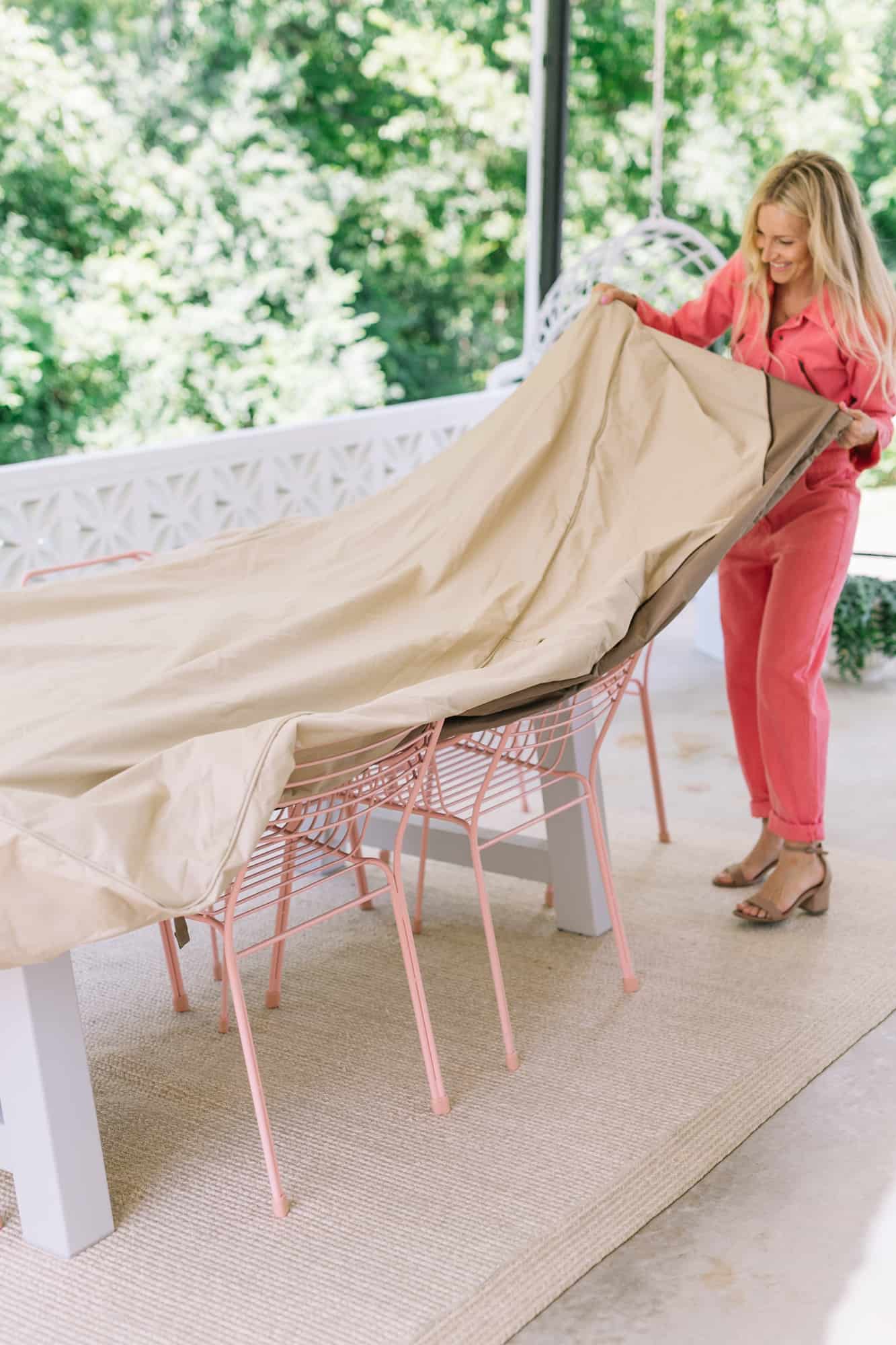
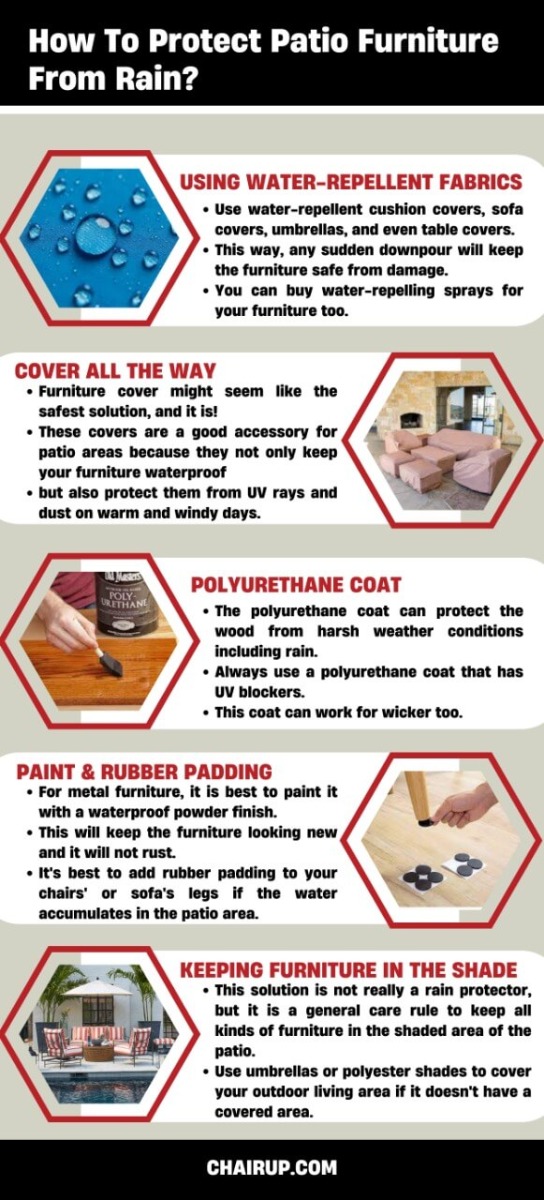
Waterproof covers shield cushions from rain and moisture. Choose covers made from strong, water-resistant materials. Make sure covers fit tightly to stop water from seeping in. Covers also protect cushions from dirt and dust. Store cushions with covers on to keep them dry and clean.
Storing Cushions During Off-season
Store cushions inside when not in use for a long time. A dry garage, shed, or closet works well. Stack cushions flat to avoid warping. Use plastic bins or storage bags for extra protection. Keep cushions away from direct sunlight to prevent fading.
Avoiding Mold And Mildew
Keep cushions dry to stop mold and mildew growth. Air cushions before storing to remove moisture. Use moisture absorbers or silica gel packs in storage areas. Clean cushions regularly with mild soap and water. Dry cushions completely before putting them away.
Preventing Sun And Water Damage
Outdoor furniture cushions face harsh sun and heavy rain. Both can cause fading, mold, and fabric damage. Taking steps to protect cushions extends their life and keeps them looking fresh. Focus on stopping sun damage and water damage early to save money and effort later.
Applying Uv Protectants
UV rays break down fabric fibers and cause colors to fade. Use a spray-on UV protectant to block harmful rays. Apply it evenly on all cushion surfaces. Repeat every few months for ongoing protection. Choose products made for outdoor fabrics. This simple step reduces sun damage significantly.
Waterproofing Techniques
Water can soak cushions and cause mold or mildew. Use a waterproof spray to create a water-resistant barrier. Spray both sides of the cushions and let them dry fully. Reapply the waterproofing treatment before rainy seasons. This helps cushions repel water and dry faster.
Placing Cushions Strategically
Place cushions away from direct sunlight and standing water. Use covered patios or shaded areas when possible. Store cushions inside or in waterproof boxes during heavy rain. Avoid leaving cushions on wet surfaces. Moving cushions often keeps them dry and prevents damage.
Repair And Maintenance Tips
Outdoor furniture cushions face wear and tear from sun, rain, and daily use. Repair and maintenance help keep them looking fresh and comfortable. Taking simple steps can extend the life of your cushions and save money. Here are some easy tips to fix and care for your outdoor cushions.
Fixing Tears And Rips
Small tears can get worse if left alone. Use a strong fabric glue to seal minor rips quickly. For bigger tears, sew the edges using a needle and thick thread. Choose a thread color that matches the cushion fabric. Repairing early stops water and dirt from entering the cushion. This keeps the cushion dry and clean.
Replacing Cushion Inserts
Cushion inserts wear out faster than covers. Over time, they lose shape and comfort. Buy new inserts that fit your cushion covers well. Foam inserts work best for firm support. Polyester fiber inserts feel soft and fluffy. Removing old inserts and putting in new ones makes cushions feel like new. It also improves outdoor seating comfort.
Maintaining Cushion Shape
Fluff cushions regularly to keep their shape. Pat and shake them to redistribute filling evenly. Store cushions in a dry place when not in use. This prevents mold and mildew buildup. Avoid leaving cushions under heavy objects. Use cushion storage bags for long-term protection. Well-shaped cushions look inviting and last longer outdoors.
Credit: www.patioproductions.com
Frequently Asked Questions
How Do I Clean Outdoor Furniture Cushions Effectively?
Regularly brush off dirt and debris. Use mild soap and water for spot cleaning. Avoid harsh chemicals to prevent fabric damage. Let cushions air dry completely before use or storage.
What Materials Protect Cushions From Sun Damage?
Use UV-resistant covers or fabrics like solution-dyed acrylic. These materials prevent fading and deterioration caused by sunlight. Applying fabric protectants also helps extend cushion life.
How Should I Store Cushions During Winter?
Store cushions in a dry, cool place away from moisture. Use breathable storage bags to prevent mold. Avoid plastic bags that trap moisture and cause mildew.
Can Waterproof Sprays Protect Outdoor Cushions?
Yes, waterproof sprays create a barrier against water and stains. Apply evenly and reapply seasonally for best results. This helps cushions stay dry and clean longer.
Conclusion
Protecting your outdoor furniture cushions keeps them fresh and comfortable. Clean cushions regularly to avoid dirt buildup. Store cushions in a dry place during bad weather. Use covers to shield cushions from sun and rain. Rotate cushions to prevent uneven wear and fading.
Small efforts extend cushion life and save money. Enjoy your outdoor space with cozy, well-kept cushions year-round. Simple care makes a big difference.