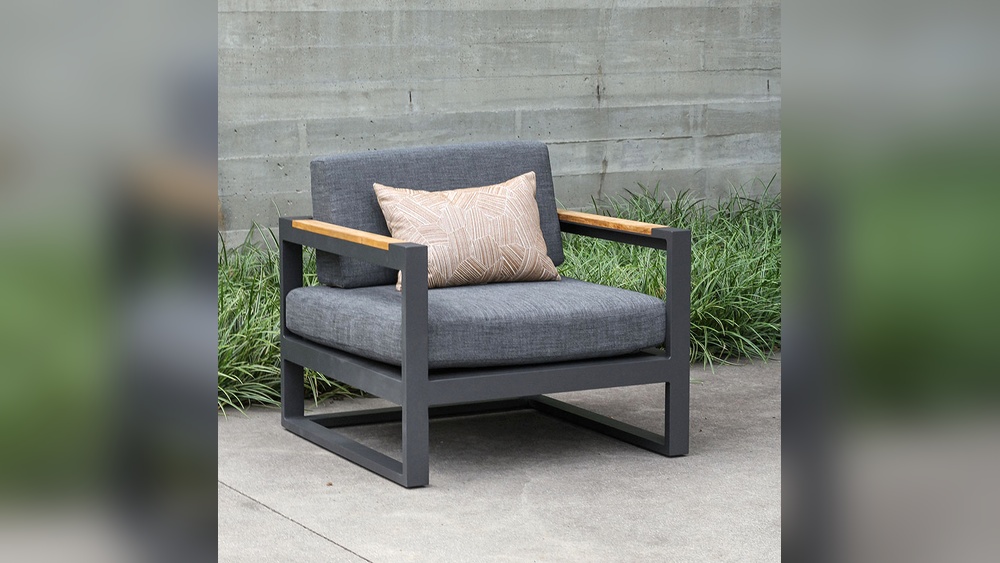
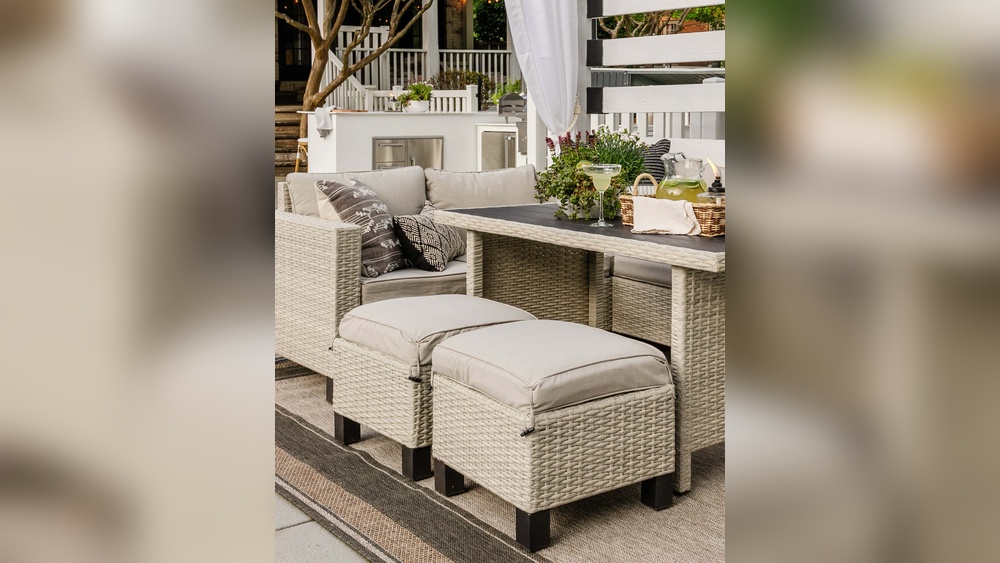
Is your old outdoor furniture looking tired and worn out? You don’t have to spend a fortune buying new pieces.
Imagine transforming your weathered chairs and tables into fresh, inviting spots where you love to relax. You’ll discover simple, step-by-step ways to redo your outdoor furniture and bring new life to your space. Ready to impress your guests and enjoy your backyard like never before?
Keep reading, because your perfect outdoor makeover starts here.
Assessing Your Furniture
Assessing your old outdoor furniture is the first step to a successful restoration. This process helps you understand what needs fixing and what can stay as it is. Careful inspection saves time and money later. It also guides you on the type of work and materials needed.
Take your time during this stage. It sets the foundation for your project. Knowing the condition of your furniture helps you decide if restoration is worth it. A clear plan makes the next steps easier and more efficient.
Checking For Damage
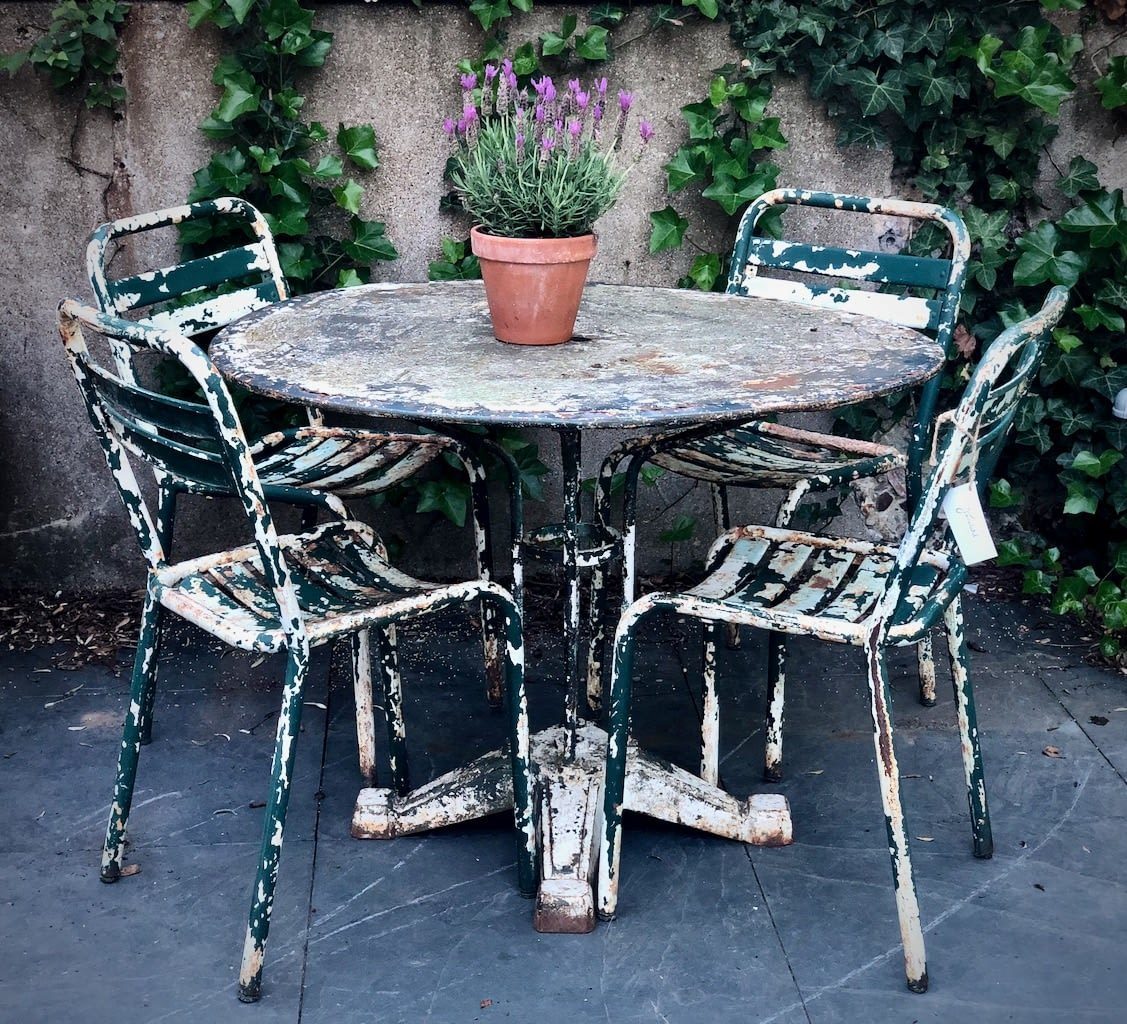
Start by examining each piece for cracks, rust, or broken parts. Look closely at joints and screws. Check if wood is rotting or metal is bending. Notice any peeling paint or stains. Identify weak spots that need repair or replacement. This step helps avoid surprises later.
Choosing Pieces To Restore
Pick furniture that is sturdy and has good bones. Avoid pieces with severe damage or missing parts. Consider the style and how it fits your outdoor space. Choose items that you enjoy and want to keep. Prioritize pieces that will give the best results after fixing. This makes your effort worthwhile.
Credit: www.vinterior.co
Gathering Supplies
Gathering the right supplies is the first step to redo old outdoor furniture. Proper tools and materials make the job easier and improve results. Knowing what you need saves time and avoids extra trips to the store.
Essential Tools
Start with basic hand tools like screwdrivers and sandpaper. A sanding block or electric sander works well for smoothing surfaces. Use a paintbrush or spray gun for applying paint or finish. Gloves protect your hands, and a drop cloth keeps your workspace clean. Don’t forget safety gear like a mask and goggles.
Choosing Paints And Finishes
Select paints designed for outdoor use. They resist weather, sun, and moisture damage. Acrylic latex paint is a common choice. It dries fast and cleans up easily. For extra protection, apply a clear outdoor sealer or varnish. This adds durability and helps maintain color. Test the paint on a small area first to check adhesion and color.
Cleaning And Preparing
Cleaning and preparing old outdoor furniture is the first step to a fresh new look. Dirt and dust settle over time and make furniture look worn. Proper cleaning helps remove these layers. After cleaning, sanding smooths the surface. This step helps paint or stain stick better. Together, these tasks prepare your furniture for a successful makeover.
Removing Dirt And Grime
Start by brushing off loose dirt with a soft brush. Use warm water mixed with mild soap. Scrub the furniture gently using a sponge or cloth. For stubborn grime, a mixture of vinegar and water can help. Rinse well with clean water. Let the furniture dry completely before moving on.
Sanding For Smoothness
Use medium-grit sandpaper to sand rough areas. Focus on spots with peeling paint or splinters. Sanding creates a smooth surface for new paint or stain. Wipe off dust with a damp cloth after sanding. Repeat sanding with fine-grit paper for a polished finish. This step ensures your furniture looks neat and lasts longer.
Repairing And Replacing Parts
Repairing and replacing parts is key to renewing old outdoor furniture. This process brings life back to worn pieces. It makes furniture safe and strong again. Small fixes can prevent bigger problems later. Focus on parts that hold the furniture together. Fixing and swapping parts can change the whole look.
Fixing Structural Issues
Start by checking the frame for cracks or breaks. Use wood glue to seal small cracks. Clamps hold pieces tightly until dry. For bigger damage, add new wood pieces. Sand rough edges smooth to avoid splinters. Tighten loose joints with screws or nails. Make sure the furniture feels steady and solid. A strong frame lasts longer and supports weight well.
Replacing Hardware
Old screws and bolts can rust or break. Remove damaged hardware carefully with tools. Choose new screws that fit the holes well. Use stainless steel or coated hardware to prevent rust. Replace missing washers and nuts too. Tighten all parts firmly but avoid overtightening. Proper hardware keeps the furniture stable and safe. Fresh hardware also improves the furniture’s appearance.
Painting And Staining
Painting and staining are excellent ways to refresh old outdoor furniture. They protect the wood and give it a new look. Both methods can extend the life of your furniture and make your outdoor space more inviting.
Choosing the right colors and applying paint or stain carefully will make a big difference. This section guides you through the process to help you achieve great results.
Selecting Colors
Pick colors that match your outdoor style. Bright colors add energy and fun. Neutral tones bring a calm, natural feel. Consider the surroundings like your garden or patio.
Think about the furniture’s material. Some paints and stains work better on certain woods. Test a small area first to see the color and finish. Choose colors that hide dirt and wear well over time.
Applying Paint Or Stain
Start with clean, dry furniture. Sand the surface to remove old paint or rough spots. Use a brush or sprayer for even coverage. Apply paint or stain in thin, smooth coats.
Let each coat dry fully before adding another. Two or three coats give the best look and protection. Finish with a clear sealer for extra durability. This keeps your furniture looking fresh for years.

Credit: www.reddit.com
Protecting Your Finish
Protecting the finish of your old outdoor furniture keeps it looking fresh and new. A good finish stops damage from sun, rain, and dirt. It also helps the furniture last longer. Taking time to protect your finish saves effort later. Use the right products and methods to create a strong shield.
Using Sealants
Sealants form a clear layer on wood or metal surfaces. They block water and stop stains. Choose a sealant made for outdoor use. Apply it evenly with a brush or cloth. Let it dry fully before using the furniture. Reapply sealant every year for best protection. Avoid thick layers to prevent peeling.
Weatherproofing Tips
Place furniture under shade or cover it during bad weather. Use waterproof covers to keep moisture away. Clean furniture often to remove dirt and mold. Store cushions indoors when not in use. Tighten screws and fix cracks to stop water entry. These steps keep your furniture strong and fresh.
Adding Finishing Touches
Adding finishing touches brings your old outdoor furniture back to life. These details make your space inviting and cozy. They also show your style and care. Simple updates can change the whole look. Focus on comfort and charm to enjoy your outdoor area more.
Cushions And Fabrics
Cushions add comfort and color to your furniture. Choose fabrics that resist water and sun damage. Bright colors or patterns can freshen the look quickly. Replace old cushions with new ones for better support. Use covers that are easy to clean. This keeps your furniture looking neat longer.
Decorative Accents
Small decorative items create a welcoming vibe. Add lanterns, outdoor rugs, or throw pillows for style. Plants in pots bring life and freshness around the seating area. Use weather-resistant materials to keep decorations safe. These accents make your furniture feel new and personal.
Maintaining Restored Furniture
Maintaining restored outdoor furniture keeps it looking fresh and lasting longer. Proper care protects the new finish and materials from weather damage. Regular attention helps preserve the charm and comfort of your pieces. A little effort goes a long way in keeping your furniture inviting and sturdy.
Cleaning Tips
Dust and dirt can wear down the finish quickly. Wipe furniture with a soft cloth often to remove surface dust. Use mild soap and water for deeper cleaning. Avoid harsh chemicals that can damage wood or paint. Rinse with clean water and dry thoroughly to prevent water spots. Clean cushions and fabric parts according to their care labels. Store cushions indoors when not in use to avoid mildew.
Seasonal Care
Outdoor furniture faces different challenges each season. In summer, shield pieces from strong sun to prevent fading. Use covers or move furniture to shaded areas. During fall, clear leaves and debris regularly to avoid stains and mold. Winter requires extra protection against snow and moisture. Apply a fresh coat of sealant or paint before cold months. Store wooden furniture in a dry place if possible. Metal furniture may need rust checks and touch-ups.

Credit: www.luxushomeandgarden.com
Frequently Asked Questions
How Do I Prepare Old Outdoor Furniture For Redoing?
Clean the furniture thoroughly using mild soap and water. Remove dirt, dust, and peeling paint. Sand the surface to smooth rough areas. Ensure the furniture is dry before applying any finish or paint.
What Materials Are Best For Redoing Outdoor Furniture?
Use weather-resistant paints or stains designed for outdoor use. Choose rust-proof hardware and durable sealants. Consider materials like teak oil or outdoor varnish for longer protection against the elements.
How Can I Protect Outdoor Furniture After Redoing?
Apply a high-quality waterproof sealant or outdoor varnish. Store furniture under cover or use protective covers when not in use. Regular maintenance like cleaning and resealing extends the furniture’s lifespan.
Can I Redo Metal Outdoor Furniture Myself?
Yes, you can redo metal furniture by removing rust with a wire brush. Apply rust-inhibiting primer and use outdoor metal paint. Ensure proper drying between coats for a durable finish.
Conclusion
Old outdoor furniture can look fresh and new again. A little effort brings big changes. Sanding, painting, or staining works well. Choose colors that match your style. Use weatherproof materials for longer life. Small repairs fix most problems easily. Enjoy your outdoor space with renewed comfort.
Redoing furniture saves money and reduces waste. Try these tips and see the difference. Your garden will feel cozy and inviting. Why buy new when you can renew?