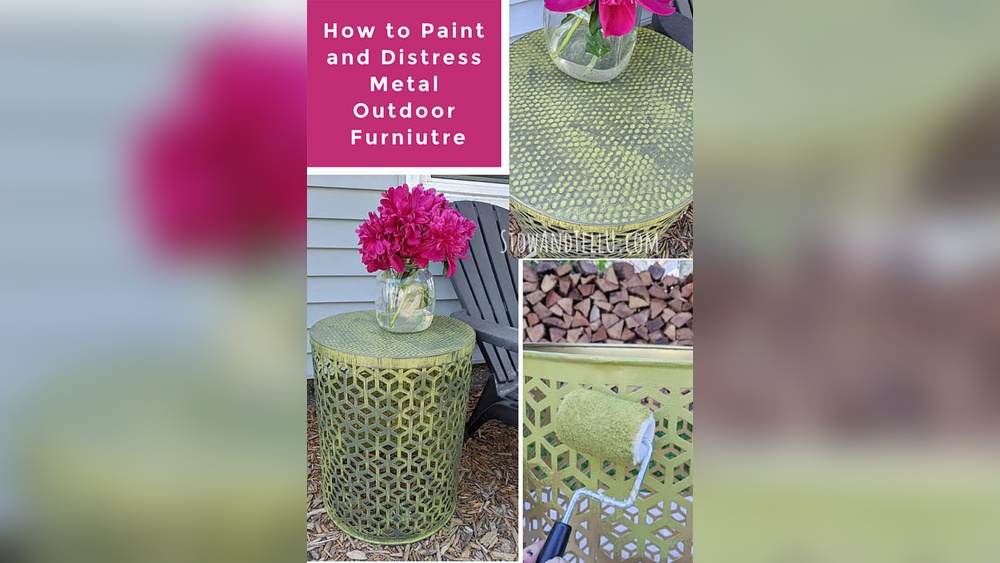
Is your outdoor wooden furniture looking worn, faded, or weather-beaten? You don’t have to spend a fortune replacing it.
Imagine bringing your favorite pieces back to life with just a few simple steps. Refinishing your outdoor wooden furniture not only restores its beauty but also protects it from the elements, making it last for years to come. In this guide, you’ll discover easy and effective ways to refinish your furniture, even if you’ve never done it before.
Ready to transform your outdoor space and enjoy your furniture like new again? Let’s get started!

Credit: www.homestoriesatoz.com
Preparing The Furniture
Preparing outdoor wooden furniture for refinishing is a vital first step. It ensures the new finish sticks well and lasts longer. This stage involves cleaning, stripping, and sanding. Each part helps remove old layers and dirt. Doing this right will give your furniture a fresh, smooth surface.
Cleaning And Removing Dirt
Start by removing all dirt and grime. Use a soft brush or cloth with mild soap and water. Scrub gently to avoid damaging the wood. Rinse with clean water and let the furniture dry completely. Dirt can block the new finish, so cleaning is essential.
Stripping Old Finish
Old paint or varnish must come off for a smooth finish. Use a chemical stripper designed for wood. Apply it evenly and let it sit as the instructions say. Then, scrape off the old finish with a plastic scraper. Wear gloves and work in a well-ventilated area for safety.
Sanding Techniques
Sanding smooths the wood and removes leftover finish. Start with medium-grit sandpaper to remove rough spots. Move to fine-grit sandpaper for a soft, even surface. Sand along the wood grain to avoid scratches. Wipe the dust off with a damp cloth before refinishing.
Choosing The Right Materials
Choosing the right materials is key to a successful outdoor furniture refinish. The materials must protect wood from weather and wear. They also bring out the beauty of the wood grain or color. Picking the right products helps your furniture last longer and look great.
Selecting Wood Stain Or Paint
Wood stain highlights the natural wood grain. It soaks into the wood and offers a rich color. Choose a stain made for outdoor use. It resists fading from sun and rain.
Paint covers the wood surface completely. It hides imperfections and adds color. Use paint designed for outdoor wood. It sticks well and handles weather changes.
Picking Protective Sealants
Sealants protect wood from moisture and sun damage. They create a barrier that stops water from soaking in. Clear sealants keep the wood’s natural look. Some sealants add a slight shine or matte finish.
Choose a sealant that suits your climate. A good sealant prevents cracking and peeling. Reapply every few years to keep protection strong.
Tools Needed For Refinishing
Prepare your furniture with sanding tools. Sandpaper or a power sander smooths the surface. Remove old paint or stain completely.
Brushes and rollers apply stain, paint, and sealant evenly. Use soft brushes for stain and sealant. Rollers work well for large flat areas.
Have clean cloths handy. They wipe off excess stain and dust. Gloves protect your hands from chemicals.
Applying Stain Or Paint
Applying stain or paint is a crucial step in refinishing outdoor wooden furniture. This step protects the wood from weather and gives it a fresh, beautiful look. Choosing the right method and tools helps achieve a smooth, lasting finish. The process requires patience and care to avoid blotches and streaks.
Tips For Even Coating
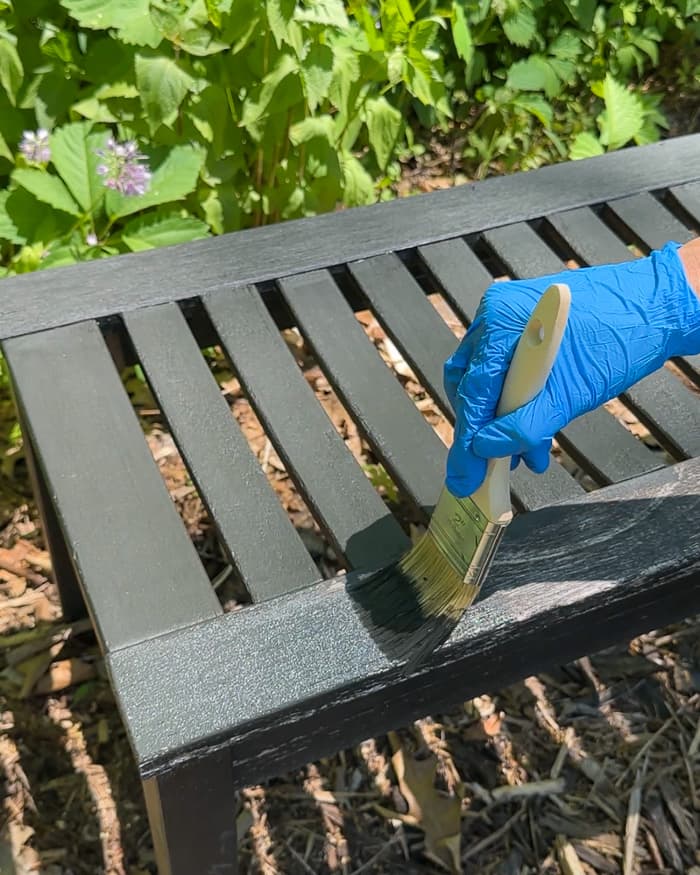
Use a clean brush or cloth for applying stain or paint. Work in thin layers to avoid drips and uneven spots. Follow the wood grain for a natural look. Keep a steady hand and move slowly. Avoid overloading the brush with too much product. Check your work in good light to spot missed areas.
Dealing With Tough Spots
Some areas may absorb stain or paint unevenly. Use a brush with soft bristles to gently blend these spots. For rough patches, sand lightly before applying more finish. If paint peels, scrape it off carefully. Apply extra stain or paint in thin coats to build coverage without clumping.
Number Of Coats And Drying Times
Most furniture needs two to three coats for full protection. Let each coat dry completely before applying the next. Drying time varies by product and weather but usually takes a few hours. Avoid rushing the process to prevent peeling and uneven color. Follow the product label for best drying and recoating times.
Sealing And Protecting
Sealing and protecting outdoor wooden furniture is crucial for its durability. Wood faces sun, rain, and changes in temperature. These elements can cause cracking, fading, or warping. Applying the right sealant forms a barrier against these damages. It also enhances the wood’s natural beauty. Proper sealing extends furniture life and keeps it looking fresh.
Best Sealants For Outdoor Use
Choose sealants designed for outdoor wood. Clear polyurethane offers strong protection. It resists water and UV rays well. Spar varnish is flexible and durable. It handles wood expansion and contraction. Exterior-grade oil finishes soak into wood deeply. They nourish and protect from moisture. Water-based sealants dry fast and clean easily. They provide a natural finish and resist mildew.
Application Methods
Clean and dry wood before sealing. Use a brush or a sprayer for even coverage. Apply thin coats to avoid drips and bubbles. Allow each coat to dry fully before adding another. Sand lightly between coats for smoothness. Follow the product’s instructions carefully. Work in a well-ventilated area to avoid fumes.
Maintenance Tips For Longevity
Inspect furniture regularly for signs of wear. Clean surfaces with mild soap and water. Reapply sealant every one to two years. Store furniture in a covered area during harsh weather. Use furniture covers to protect from dust and moisture. Avoid placing furniture directly on wet ground. Regular care helps maintain beauty and strength.
Troubleshooting Common Issues
Outdoor wooden furniture faces many problems over time. Weather and use cause common issues. Fixing these problems keeps your furniture looking fresh and strong. This section helps you solve typical troubles with easy steps.
Fixing Peeling Or Flaking Finish
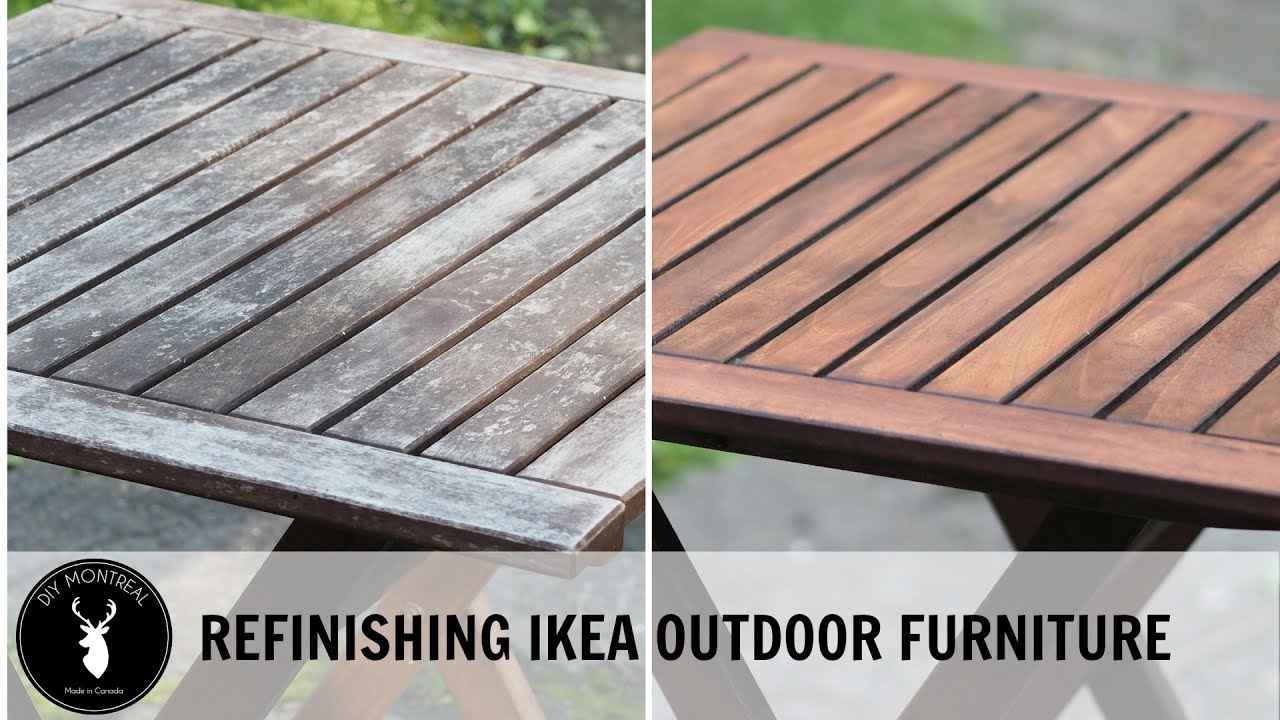
Peeling or flaking finish happens when the old paint or varnish breaks down. Start by sanding the surface gently to remove loose finish. Use medium-grit sandpaper for best results. Clean the dust with a damp cloth. Apply a new coat of outdoor paint or varnish. Make sure to cover all bare spots. Let it dry fully before use.
Handling Mold And Mildew
Mold and mildew grow in damp places on wood. Mix one part white vinegar with three parts water. Spray the mixture on the affected areas. Let it sit for 10 minutes. Scrub gently with a soft brush to remove mold. Rinse with clean water and dry completely. Repeat if needed. Keep furniture in sunny spots to avoid mold return.
Repairing Surface Damage
Scratches and dents happen often on outdoor wood. Use wood filler to fill small holes or cracks. Smooth the filler with a putty knife and let it dry. Sand the area lightly to blend it with the surface. For deep scratches, sand around the damage to smooth edges. Finish by applying paint or stain matching your furniture. This restores the surface and protects the wood.
Credit: www.youtube.com
Credit: averageinspired.com
Frequently Asked Questions
How Do I Prepare Outdoor Wood Furniture For Refinishing?
Start by cleaning the furniture with mild soap and water. Remove dirt, grime, and old finishes using sandpaper or a chemical stripper. Ensure the surface is dry before applying any new finish to achieve the best results and long-lasting protection.
What Type Of Finish Is Best For Outdoor Wooden Furniture?
Use a high-quality outdoor varnish, polyurethane, or teak oil. These finishes protect wood from moisture, UV rays, and temperature changes. Choose a finish suitable for the wood type and climate to maintain durability and appearance.
How Often Should Outdoor Wooden Furniture Be Refinished?
Refinish outdoor wooden furniture every 1-3 years depending on exposure and wear. Regular maintenance prolongs the wood’s life and keeps it looking fresh. Inspect furniture annually to determine if refinishing is needed.
Can I Refinish Wooden Furniture Without Sanding?
Sanding is recommended for best results, but you can use chemical strippers to remove old finishes. However, light sanding smooths the surface and improves finish adhesion. Avoid skipping sanding for heavily weathered or rough wood.
Conclusion
Refinishing outdoor wooden furniture can bring new life to old pieces. Clean, sand, and apply the right finish carefully. Protect your furniture from weather damage by using good sealants. Regular maintenance helps keep wood looking fresh longer. Enjoy your beautiful, restored furniture in your outdoor space.
Simple steps, big results. Try it yourself and see the difference!