Is your metal bunk bed feeling a bit shaky or unstable? You’re not alone, and it’s a common issue that can be fixed with the right steps.
Reinforcing your metal bunk bed will make it safer and more durable for you and your family. Imagine the peace of mind knowing your bed won’t wobble or creak when you climb up or down. In this guide, you’ll discover simple, effective ways to strengthen your metal bunk bed without spending a fortune or needing special tools.
Keep reading to learn how you can turn your bunk bed into a sturdy, reliable piece of furniture that lasts for years.
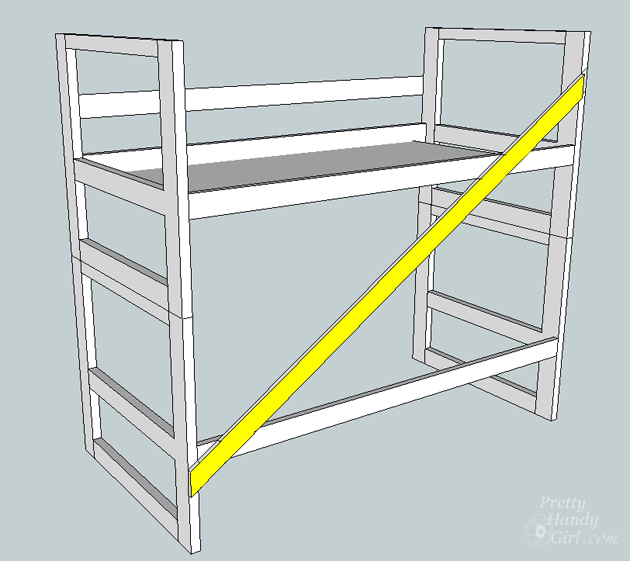
Credit: prettyhandygirl.com
Assessing The Bed Frame
Before reinforcing a metal bunk bed, start by assessing the bed frame. This step helps you find any weak spots. It also shows where support is needed the most. A solid frame ensures safety and durability. Careful inspection saves time and effort later.
Check For Loose Joints
Look closely at all joints and screws. Tighten any that feel loose. Loose joints cause wobbling and noise. They can also lead to frame damage. Use a wrench or screwdriver for this task. Secure joints improve the bed’s overall strength.
Identify Weak Points
Scan the frame for bends, cracks, or rust. These are signs of weak points. Pay special attention to corners and connection areas. Weak spots reduce the bed’s stability. Mark these areas for reinforcement or replacement. Fixing weak points prevents future accidents.
Evaluate Weight Capacity
Check the manufacturer’s weight limit for the bed. Make sure it suits the users’ needs. Overloading the bed causes stress on the frame. This stress can lead to breakage or collapse. Consider adding extra supports if needed. Knowing the weight capacity keeps everyone safe.
Gathering Essential Tools And Materials
Gathering the right tools and materials is the first step to reinforce a metal bunk bed. Preparation makes the job easier and safer. Having everything ready prevents interruptions and ensures a smooth process.
Choose tools that fit the task. Select materials that add strength and durability. This section lists what you need to start reinforcing your metal bunk bed.
List Of Tools Needed
- Adjustable wrench
- Screwdriver set (Phillips and flathead)
- Drill with metal drill bits
- Measuring tape
- Level
- Rubber mallet
- Socket set
- Safety gloves
- Protective goggles
- Metal file
Recommended Reinforcement Materials
- Steel angle brackets
- Metal support bars
- Heavy-duty bolts and nuts
- Washers to distribute pressure
- Locking nuts to prevent loosening
- Metal plates for extra support
- Anti-slip pads
Tightening And Securing Connections
Tightening and securing connections is key to making your metal bunk bed stronger. Loose parts can cause noise and wobble. Over time, screws and bolts may loosen from daily use. Regular checks keep the bed safe and stable. Focus on each joint and fastener to ensure everything fits tightly. Proper fastening stops movement and improves durability.
Using Bolts And Screws
Bolts and screws hold the frame together. Use a wrench or screwdriver to tighten each one firmly. Avoid over-tightening to prevent damage to the metal. Replace any rusty or worn bolts with new ones. Choose the correct size and type for your bunk bed. Tight bolts keep the bed from shaking and increase safety.
Applying Thread Lockers
Thread lockers stop bolts and screws from loosening. Apply a small drop on each bolt’s threads before tightening. The liquid hardens to hold the bolt in place. It works well for beds with frequent movement. Choose a medium-strength thread locker for easy removal later. This simple step reduces maintenance and keeps connections secure.
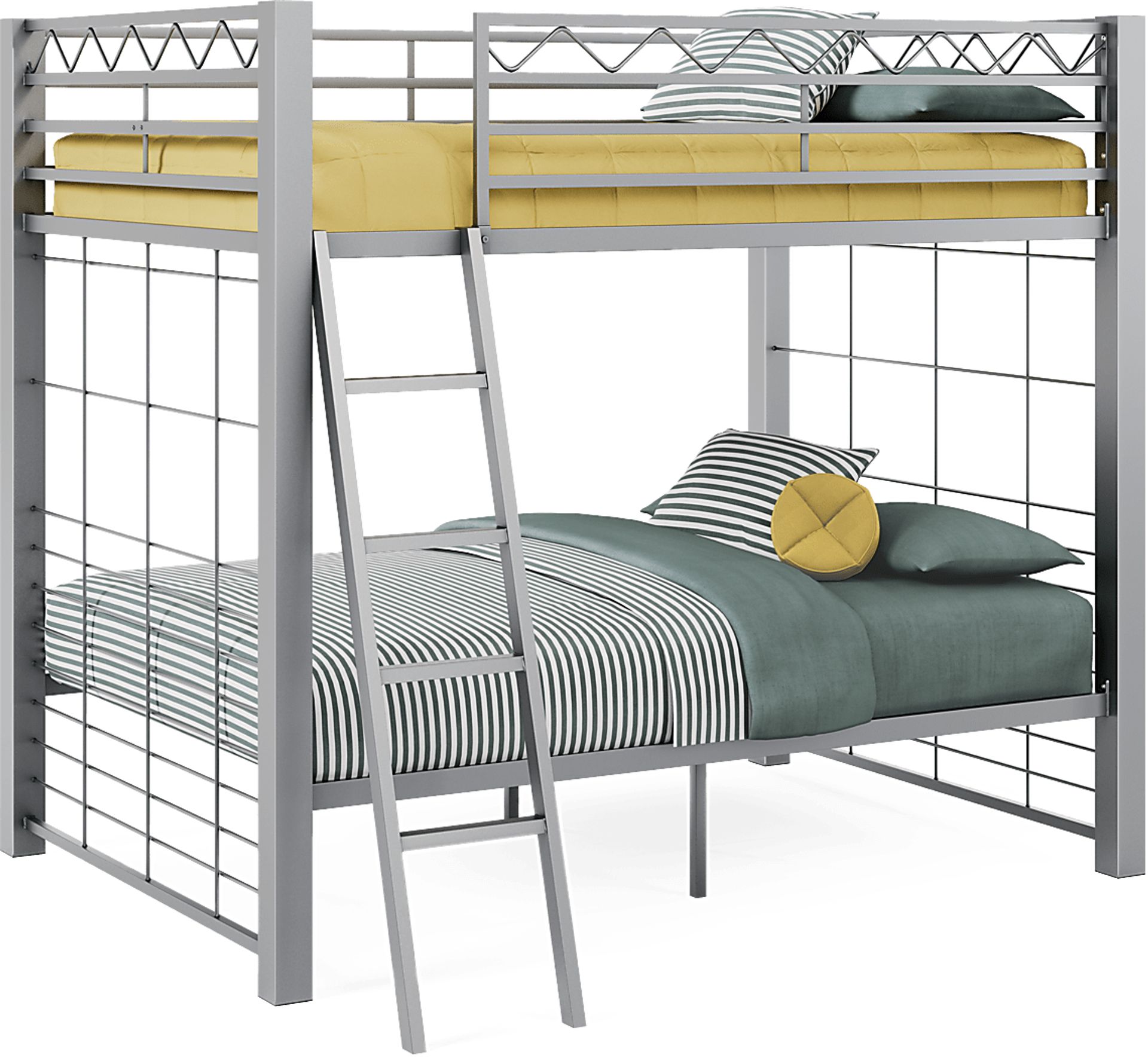
Credit: www.roomstogo.com
Adding Support Braces
Adding support braces is a smart way to make a metal bunk bed stronger. These braces help spread the weight evenly. They stop the bed from wobbling or bending. Support braces keep the bed safe and long-lasting. You can add these braces yourself with simple tools.
Installing Corner Brackets
Corner brackets fit into the bed’s corners. They hold the frame tightly together. Use a drill to fix the brackets with screws. Make sure the brackets fit snugly without gaps. Tight corners mean less movement and more strength. Check all four corners for secure attachment. Corner brackets add stability to the entire bed.
Reinforcing Side Rails
Side rails carry most of the bed’s weight. Adding support braces under these rails helps a lot. Use metal or wooden braces that match the bed size. Attach the braces with screws or bolts for strong hold. Place braces evenly along the rails for best results. Reinforced side rails stop sagging and bending. This makes the bunk bed safer and sturdier.
Strengthening Slats And Mattress Support
Strengthening the slats and mattress support on a metal bunk bed improves safety and comfort. Strong slats hold the mattress better and stop sagging. This also helps the bed last longer and carry more weight. Small changes make a big difference in stability and sleep quality.
Replacing Thin Slats
Thin slats can bend or break easily under weight. Replace them with thicker wooden slats or metal bars. Measure the length and width of each slat before buying new ones. Use durable wood like pine or oak for better strength. Secure the new slats tightly to the bed frame using screws or brackets.
Check the slats regularly for signs of wear or damage. This keeps the bed safe and prevents sudden breaks. Strong slats create a firm base for the mattress to rest on.
Adding Extra Slats Or Plywood
Adding extra slats reduces space between supports. This stops the mattress from sagging or falling through. Place slats evenly across the bed frame for balanced support. Use the same material and size as the original slats.
Alternatively, place a sheet of plywood over the slats. Cut the plywood to fit the bed frame snugly. This creates a solid, flat surface under the mattress. Sand the edges to avoid splinters and paint or seal the plywood for durability.
Extra support spreads weight evenly. It helps the mattress stay firm and extends its life. These simple fixes make metal bunk beds safer and more comfortable.
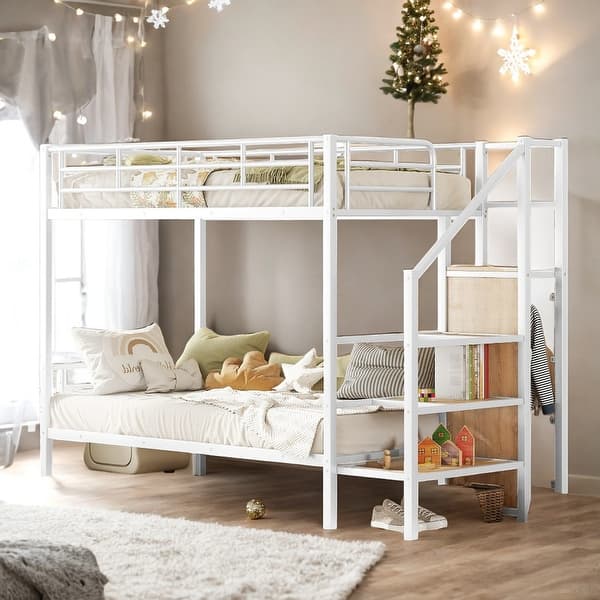
Credit: buybuybaby.bedbathandbeyond.com
Welding For Maximum Durability
Welding is one of the best ways to make a metal bunk bed stronger. It joins metal parts tightly, creating a solid frame. This method helps prevent wobbling and keeps the bed safe for long use. Welding gives the bunk bed maximum durability and support.
Strong welds make the bed hold heavy weight without bending. It also stops the metal from loosening over time. A well-welded bunk bed lasts many years and feels very stable.
When To Consider Welding
Consider welding if the bed feels loose or shaky. Check for cracks or weak joints in the metal frame. Welding helps fix broken parts and strengthens weak spots. Use welding when screws or bolts are not enough. It is also good for customizing or adding extra support bars.
Safety Tips For Welding
Always wear protective gear like a welding helmet and gloves. Work in a well-ventilated area to avoid harmful fumes. Keep flammable materials away from the welding spot. Use proper tools and follow instructions carefully. Never weld without basic training or supervision. Safety first to prevent burns and injuries.
Regular Maintenance Checks
Regular maintenance checks keep a metal bunk bed strong and safe. These checks catch problems early. They help avoid accidents and costly repairs. Simple inspections can extend the bed’s life. Regular care is key to safe sleep.
Inspecting For Wear And Tear
Look closely at all metal parts. Check for rust, cracks, or bends. Rust weakens metal and causes breaks. Cracks may grow and cause failure. Bent parts can affect bed stability. Inspect joints and welds carefully. Notice any unusual noises or movements.
Retightening Fasteners
Metal bunk beds use screws and bolts. These fasteners can loosen over time. Loose fasteners reduce stability and safety. Use the right tools to tighten them. Check all fasteners regularly, especially after moves. Tighten gently to avoid damage. Secure fasteners keep the bed firm and safe.
Frequently Asked Questions
How Do I Strengthen A Metal Bunk Bed Frame?
To strengthen a metal bunk bed, tighten all bolts and screws regularly. Add corner braces or metal brackets for extra support. Reinforce weak joints with steel plates to prevent wobbling and increase stability.
What Tools Are Needed To Reinforce A Metal Bunk Bed?
You’ll need a wrench, screwdriver, metal brackets, corner braces, steel plates, and a drill. These tools help tighten fasteners and add structural reinforcements to secure the frame.
Can Adding Support Beams Improve Bunk Bed Safety?
Yes, adding wooden or metal support beams underneath the mattress frame distributes weight evenly. This prevents sagging and enhances the overall strength and safety of the bunk bed.
How Often Should I Inspect A Metal Bunk Bed?
Inspect your metal bunk bed every 3 to 6 months. Check for loose screws, bent frames, or rust. Regular maintenance ensures the bed remains sturdy and safe for use.
Conclusion
Reinforcing a metal bunk bed keeps it safe and sturdy. Tighten screws and add support brackets for strength. Check the frame often to avoid any damage. Use simple tools to make the job easy. A strong bunk bed lasts longer and feels secure.
Small fixes can prevent big problems later. Take time to maintain your bed regularly. Safety and comfort go hand in hand. Your bunk bed will hold up well with care.