
Is your outdoor furniture looking dull and musty because of stubborn mildew? Mildew not only ruins the look of your favorite seating but can also cause damage if left untreated.
You might feel overwhelmed thinking that cleaning it requires harsh chemicals or expensive treatments. But the good news is, you don’t have to replace your furniture or spend a fortune. You’ll discover simple, effective ways to remove mildew from your outdoor furniture fabric—methods you can easily do yourself.
Keep reading to bring back the fresh, clean look your outdoor space deserves.
Causes Of Mildew On Outdoor Fabric
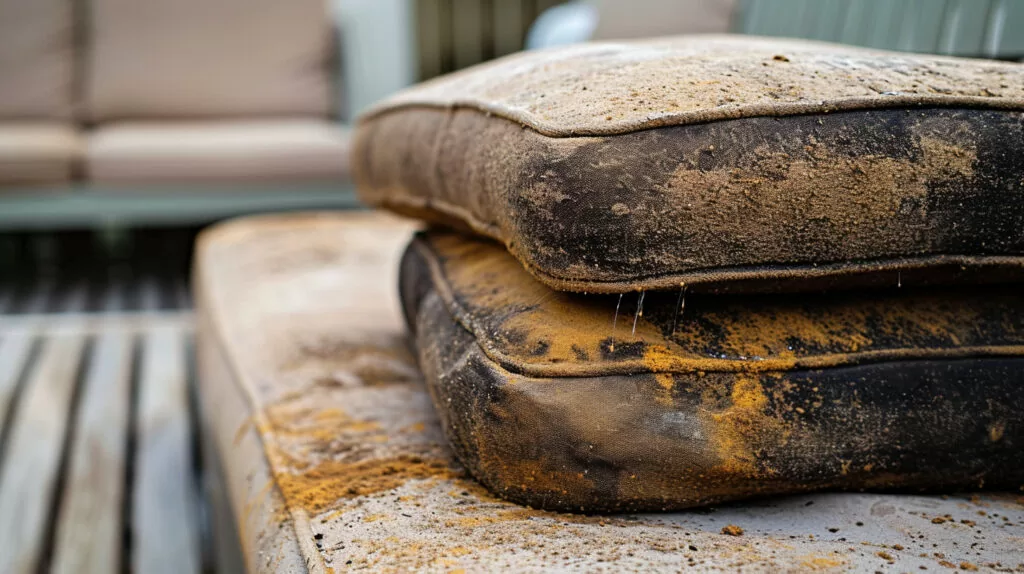
Mildew grows on outdoor furniture fabric when certain conditions exist. It needs a damp and dark place to thrive. Understanding the causes of mildew helps prevent damage. This section explains the main reasons mildew appears on outdoor fabrics.
Moisture And Humidity
Moisture is the top cause of mildew growth on fabric. Rain, dew, or spilled water keeps fabric wet. High humidity in the air adds moisture to the fabric. Wet fabric stays a perfect home for mildew spores. Dry fabric stops mildew from growing.
Lack Of Sunlight
Sunlight dries fabric and kills mildew spores. Outdoor furniture placed in shaded areas stays damp longer. Without sunlight, moisture lingers on the fabric surface. This dark, wet condition invites mildew to grow. Sunlight is a natural mildew barrier.
Poor Air Circulation
Airflow helps dry wet fabric quickly. Tight spaces or crowded furniture block air movement. Stagnant air traps moisture around the fabric. This moist environment supports mildew growth. Good air circulation keeps fabric dry and fresh.
Credit: www.patioproductions.com
Tools And Supplies Needed
Removing mildew from outdoor furniture fabric requires the right tools and supplies. Having everything ready makes the cleaning process easier and faster. You will need cleaning solutions, brushes or cloths, and protective gear. These items help you clean thoroughly and stay safe.
Cleaning Solutions
Use a mild detergent mixed with water for light mildew stains. For stronger stains, a solution with white vinegar or baking soda works well. Avoid harsh chemicals that can damage the fabric. Always test the cleaner on a small area first.
Brushes And Cloths
Soft-bristle brushes remove mildew without harming the fabric. Use old toothbrushes for tight spots. Clean cloths help wipe away dirt and moisture. Microfiber cloths are gentle and absorb water well. Avoid using rough brushes that can tear the fabric.
Protective Gear
Wear gloves to protect your hands from cleaning solutions. A mask helps avoid breathing in mildew spores. Use safety glasses if splashing is possible. Dress in old clothes to prevent stains from cleaners.
Step-by-step Cleaning Process
Removing mildew from outdoor furniture fabric requires a careful, clear process. This step-by-step guide helps you clean effectively without harming the fabric. Follow each step to restore your furniture’s look and keep it mildew-free.
Preparation And Safety
Start by moving furniture to a well-ventilated area. Wear gloves and a mask to protect skin and lungs. Check the fabric tag for cleaning instructions. Gather cleaning tools: soft brush, bucket, and cloth.
Applying Cleaning Solutions
Mix a solution of mild detergent and water. Use white vinegar or baking soda for stronger mildew stains. Test the solution on a small fabric spot first. Apply the cleaner gently with a sponge or spray bottle.
Scrubbing And Rinsing
Use a soft brush to scrub the fabric lightly. Focus on mildew spots without rubbing too hard. Rinse thoroughly with clean water to remove all soap. Avoid soaking the fabric to prevent damage.
Drying Techniques
Let the furniture dry in direct sunlight. Sunlight kills mildew spores and speeds drying. Use a fan to improve air circulation if needed. Ensure the fabric is completely dry before use or storage.
Credit: restorationmasterfinder.com
Homemade Remedies For Mildew Removal
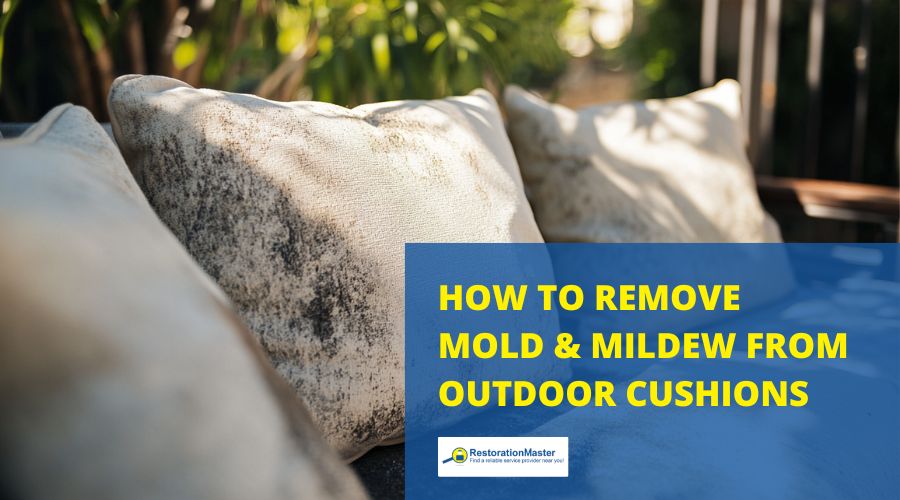
Removing mildew from outdoor furniture fabric can be simple using homemade remedies. These natural solutions clean fabric without harsh chemicals. They help keep your furniture fresh and safe for family use.
Vinegar And Baking Soda Mix
Mix equal parts white vinegar and water in a spray bottle. Spray the solution on the mildew spots. Let it sit for 10 minutes. Sprinkle baking soda on the damp area next. Gently scrub with a soft brush. Rinse with clean water and dry under the sun.
Hydrogen Peroxide Solution
Use a 3% hydrogen peroxide solution for mild mildew stains. Apply it directly to the fabric with a spray or cloth. Let it work for 15 minutes. Scrub lightly with a soft brush. Rinse the fabric well and air dry. This method brightens fabric and kills mildew spores.
Lemon Juice Treatment
Fresh lemon juice can break down mildew stains naturally. Squeeze lemon juice onto the affected area. Spread it evenly and leave it in sunlight for 30 minutes. The sun and lemon juice work together to bleach the mildew. Rinse thoroughly and let the fabric dry outside.
Preventing Mildew Growth
Mildew can damage outdoor furniture fabric fast. It grows in damp and warm places. Stopping mildew from growing saves your furniture. It keeps fabric fresh and strong for years. Simple steps can help prevent mildew growth effectively.
Regular Cleaning Routine
Clean your outdoor furniture fabric often. Brush off dirt and dust regularly. Use mild soap and water to wash the fabric. Rinse well and let it dry completely in the sun. Dry fabric stops mildew from growing. A clean surface makes mildew less likely.
Proper Storage Tips
Store furniture in a dry place during rain or winter. Avoid damp basements or closed areas with poor air flow. Keep fabric off the ground to prevent moisture build-up. Use racks or shelves to lift furniture. Proper storage helps fabric stay dry and mildew-free.
Using Protective Covers
Use covers made for outdoor furniture fabric. Covers protect fabric from rain, dust, and sun damage. Choose breathable covers to avoid trapping moisture. Remove covers on dry days to air out fabric. Protective covers reduce mildew risk and extend fabric life.
When To Replace Outdoor Fabric
Outdoor furniture fabric can last for years with proper care. Mildew stains often come off with cleaning. But some damage goes too far to fix. Knowing when to replace your fabric saves time and effort. It also keeps your furniture looking fresh and safe to use. Here are key points to help you decide when to replace outdoor fabric.
Signs Of Irreversible Damage
Look for large, dark stains that do not fade after cleaning. Mildew that has deeply penetrated the fabric fibers is hard to remove. Check for holes or tears in the fabric. Weak or thin spots mean the material is wearing out. A musty smell that stays after washing shows lasting mildew damage. Faded colors or stiff fabric often signal old, worn-out material. These signs mean replacement is the best option.
Choosing Mildew-resistant Fabrics
Pick fabrics made to resist mildew and mold growth. Polyester and solution-dyed acrylic fabrics have strong mildew resistance. These fabrics dry quickly and block moisture well. Look for fabric labeled as water-resistant or mildew-proof. Some come with special coatings to prevent mildew. Using mildew-resistant fabric lowers the chance of future problems. It keeps your outdoor furniture cleaner and lasting longer.
Credit: www.furnituremaxi.com
Frequently Asked Questions
How Do I Safely Clean Mildew From Outdoor Furniture Fabric?
Use a mixture of water, mild detergent, and white vinegar to clean mildew. Gently scrub the fabric with a soft brush. Rinse thoroughly and let it air dry in the sun to prevent mildew return.
What Household Items Remove Mildew From Outdoor Fabrics?
White vinegar, baking soda, and mild dish soap are effective against mildew. These items are safe, affordable, and eco-friendly options for cleaning outdoor furniture fabric mildew.
Can Bleach Be Used To Remove Mildew From Outdoor Fabric?
Bleach can remove mildew but may damage fabric colors and fibers. Use diluted bleach cautiously on colorfast fabrics and always test a small area first.
How Often Should Outdoor Furniture Fabric Be Cleaned For Mildew?
Clean outdoor fabric at least twice a year to prevent mildew buildup. Regular cleaning after rainy seasons or humid weather reduces mildew growth effectively.
Conclusion
Cleaning mildew from outdoor furniture fabric keeps it fresh and safe. Act quickly to stop mildew from spreading further. Use gentle cleaners and soft brushes to protect the fabric. Always dry the furniture well after cleaning. Regular care helps prevent mildew buildup in the future.
Enjoy your clean furniture during sunny days and cool evenings. Simple steps save money and keep your space inviting. Remember, a little effort goes a long way in maintenance. Your outdoor area will look neat and welcoming again.

