Is your plastic rattan outdoor furniture looking worn or damaged? Don’t worry—you don’t have to replace it just yet.
With a few simple steps, you can bring your favorite pieces back to life and enjoy them for many more seasons. Imagine sitting comfortably on your repaired furniture, knowing you saved time and money. In this guide, you’ll discover easy, practical tips that anyone can follow to fix cracks, loose strands, and fading colors.
Keep reading, and you’ll learn how to restore your outdoor space quickly and confidently.
Credit: rattanyard.com
Tools And Materials Needed
Repairing plastic rattan outdoor furniture needs the right tools and materials. This section lists what you need to fix cracks, breaks, or loose parts. Using the correct items makes the repair strong and long-lasting. Keep these tools and materials ready before starting your project.
Essential Repair Tools
- Utility knife – for cutting damaged pieces cleanly
- Sandpaper (medium and fine grit) – to smooth rough edges
- Small paintbrush – to apply adhesive evenly
- Clamps or heavy weights – to hold pieces together while drying
- Clean cloth – to wipe surfaces before repair
- Tweezers – to handle small rattan strands carefully
Recommended Adhesives And Fillers
- Plastic epoxy glue – bonds plastic parts firmly
- Super glue – works well for small cracks and quick fixes
- Rattan repair filler – fills gaps and holes smoothly
- Waterproof sealant – protects repaired areas from moisture
Safety Gear
- Gloves – protect your hands from glue and sharp edges
- Safety glasses – shield your eyes from dust and splinters
- Mask – prevents inhaling dust or fumes

Credit: www.amazon.com
Identifying Common Damages
Plastic rattan outdoor furniture can last for years with care. Damage happens over time due to sun, rain, and use. Spotting problems early helps fix them quickly. This section explains common damages you might find. Knowing these signs makes repairs easier and keeps your furniture looking good.
Cracks And Breaks
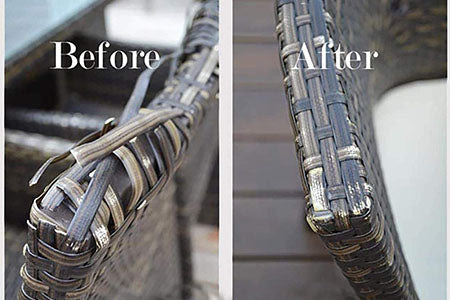
Cracks appear from strong pressure or old age. Breaks can happen if the furniture falls or is hit. Check the frame and woven parts for splits. Small cracks can grow larger if left alone. Fixing cracks soon stops more damage.
Faded Or Discolored Surfaces
Sun exposure can cause plastic rattan to fade. Colors may turn dull or look washed out. Discoloration shows uneven patches on the surface. This damage does not affect strength but looks bad. Cleaning and applying UV protectant helps restore shine.
Loose Or Missing Strands
Strands of rattan can come loose or fall off. This happens from wear or rough handling. Loose strands make the weave look messy. Missing strands create gaps that weaken the furniture. Tightening or replacing strands keeps the weave tight and strong.
Cleaning Before Repair
Cleaning plastic rattan outdoor furniture is the first step before repairing it. Dirt and dust can hide cracks or damage. Cleaning helps you see the problem clearly and fix it well. It also makes the repair last longer. A clean surface helps glue or filler stick better.
Removing Dirt And Debris
Start by brushing off loose dirt with a soft brush. Use a vacuum cleaner to remove dust from crevices. Mix mild soap with warm water for washing. Use a soft cloth or sponge to scrub gently. Avoid harsh chemicals that can damage the plastic. Rinse with clean water to remove soap. Let the furniture dry completely before the next step.
Preparing The Surface
Check the furniture for any remaining dirt or grease. Use rubbing alcohol on a cloth to wipe the surface. This removes oils that stop glue from sticking. Sand rough or damaged areas lightly with fine sandpaper. Wipe away dust with a dry cloth. Ensure the surface is dry and smooth before repair. Proper preparation makes the repair strong and neat.
Fixing Cracks And Breaks
Plastic rattan outdoor furniture can crack or break over time. Fixing these cracks helps keep your furniture strong and looking good. Repairing small damages early stops bigger problems later. This section explains easy ways to fix cracks and breaks.
Using Plastic Weld Or Epoxy
Plastic weld and epoxy are strong adhesives for plastic rattan. Clean the cracked area well before applying. Use a small brush to spread the adhesive evenly. Hold the pieces together until the glue dries. This method creates a solid bond that lasts long. Choose clear epoxy for a neat finish. Follow the product instructions for best results.
Reinforcing Weak Areas
Weak spots need extra support to avoid new breaks. Use thin plastic strips or mesh to cover these areas. Attach them with plastic weld or epoxy. Press firmly to ensure good contact. Reinforcing adds strength and prevents cracks from growing. Check these areas regularly and repair if needed. This simple step extends your furniture’s life.
Replacing Missing Strands
Replacing missing strands in plastic rattan furniture keeps it strong and looking good. Missing pieces can make your furniture weak and less attractive. Fixing these gaps helps your furniture last longer and stay comfortable. The process needs care and the right materials. Follow clear steps to restore your furniture’s original look and strength.
Matching The Material
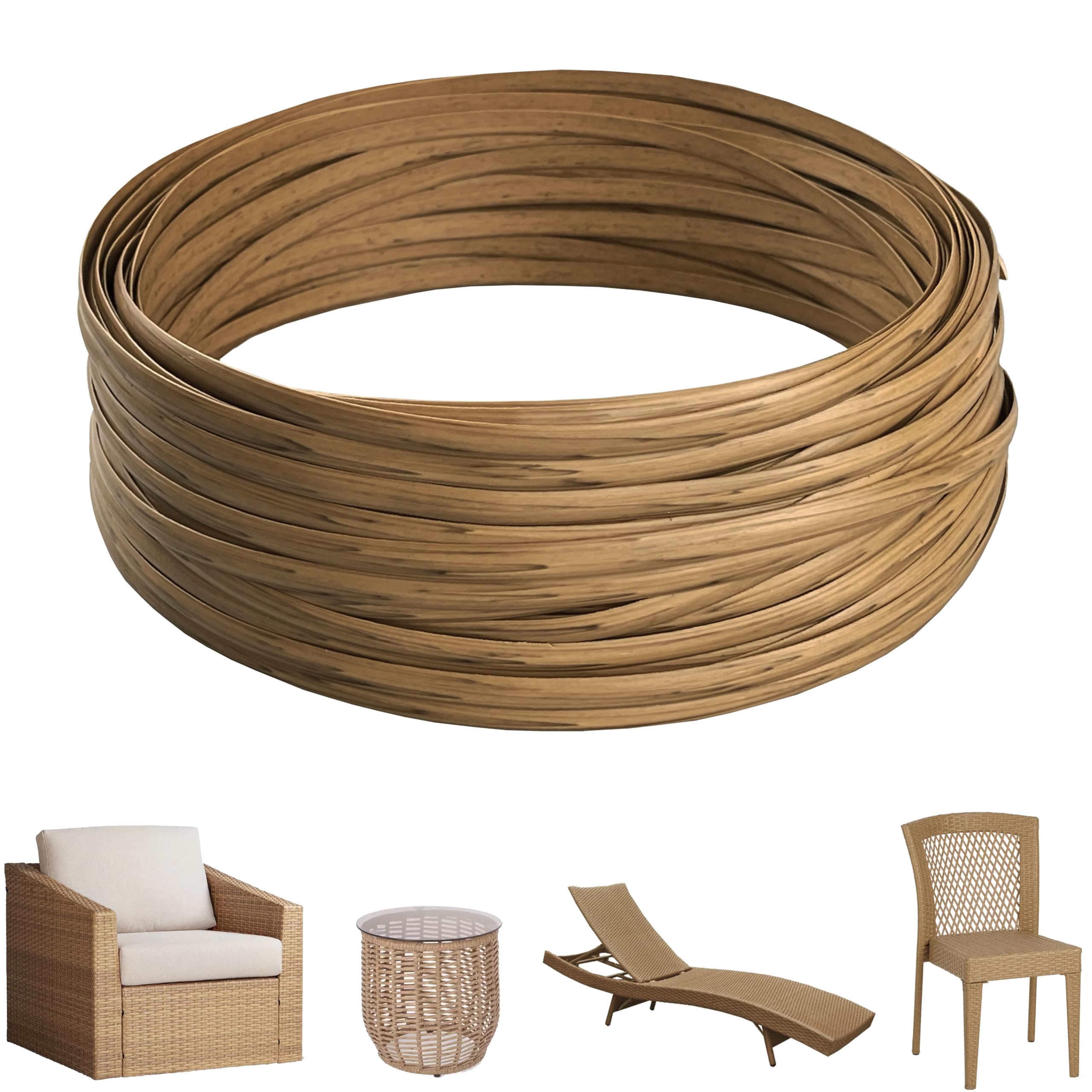
Choose plastic rattan strands that match the original color and texture. This keeps the repair invisible and neat. Check the thickness and flexibility of the new strands. Use strands made for outdoor use to prevent quick wear. Buy from a reliable supplier to get quality material. Matching materials ensures your repair lasts and looks natural.
Weaving Techniques
Study the pattern of the existing weave before starting. Use a simple over-under pattern to fit new strands in place. Push the strand through tight gaps carefully without breaking it. Secure the ends by tucking them inside the frame or using clips. Keep the tension even to avoid loose or tight spots. Practice on spare pieces before fixing the furniture.
Restoring Color And Finish
Restoring the color and finish of plastic rattan outdoor furniture brings it back to life. Sun and rain often fade the vibrant look of these pieces. Refreshing their surface helps protect them and keeps your furniture attractive for years. Simple steps can make a big difference in appearance and durability.
Applying Paint Or Stain
Choose paint or stain made for plastic surfaces. Clean the furniture thoroughly before starting. Use a brush or spray to apply thin, even coats. Let each coat dry completely before adding another. This method covers faded spots and brightens the entire piece. Avoid thick layers to prevent peeling or cracking.
Protective Coatings
Apply a clear protective coating after the paint or stain dries. This shield guards against sun, rain, and dirt. Look for coatings made for outdoor use on plastics. Use a soft brush or spray for smooth coverage. Protective coatings keep the color fresh longer and stop damage from weather. Regular reapplication helps maintain the finish.
Preventing Future Damage
Preventing future damage to plastic rattan outdoor furniture helps keep it strong and good-looking. Small efforts can stop cracks, breaks, and fading. Taking care of your furniture extends its life and saves money. Follow simple steps every season to protect your outdoor set.
Regular Maintenance Tips
Clean the furniture often using mild soap and water. Avoid harsh chemicals that can weaken plastic fibers. Check for loose or broken strands and fix them quickly. Use a soft brush to remove dirt from tight spots. Dry the furniture well after washing to stop mold growth. Apply a UV protectant spray to keep colors bright. Tighten screws and bolts to keep the frame stable. Look for signs of wear and treat small problems fast.
Proper Storage Solutions
Store furniture in a dry, cool place during winter or heavy rain. Cover it with a breathable, waterproof cover to block dust and moisture. Avoid plastic covers that trap heat and cause damage. Move furniture away from direct sunlight when not in use. Elevate furniture off the ground to prevent water damage. Store cushions separately in a dry area to avoid mildew. Arrange furniture loosely to prevent bending or warping. Proper storage stops weather and pests from harming your set.
Credit: www.amazon.com
Frequently Asked Questions
How Do I Fix Cracks In Plastic Rattan Furniture?
To fix cracks, clean the area and use a plastic epoxy adhesive. Apply the epoxy evenly and let it cure for 24 hours. Sand the surface lightly for a smooth finish. This method restores strength and appearance effectively.
What Materials Are Best For Repairing Plastic Rattan?
Plastic epoxy, super glue, and UV-resistant sealants work best. These adhesives bond well with synthetic rattan. Using weatherproof materials ensures durability in outdoor conditions. Always choose products designed for plastic repairs.
Can I Repaint Plastic Rattan After Repairing?
Yes, you can repaint after repairs. Use spray paint designed for plastic surfaces. Clean and sand the repaired area first. This improves paint adhesion and restores the furniture’s look.
How Long Does A Plastic Rattan Repair Last Outdoors?
A well-done repair lasts several years if sealed properly. UV protection and waterproofing extend the repair’s life. Regular maintenance also helps prevent further damage.
Conclusion
Repairing plastic rattan outdoor furniture is simple and cost-effective. Small cracks and tears can last longer with quick fixes. Clean the area well before applying glue or patch. Let the repair dry fully to ensure strength. Regular care keeps furniture looking fresh and sturdy.
Save money by fixing instead of replacing worn pieces. Enjoy your outdoor space with furniture that feels like new. Easy steps make your rattan furniture last through seasons. Small efforts bring big improvements.