Is your old wood outdoor furniture looking worn out and forgotten? You don’t have to toss it away or buy new pieces just yet.
Imagine bringing back that warm, natural charm to your patio with a few simple steps. You can restore your furniture’s beauty, making it sturdy and inviting again. You’ll discover easy, effective ways to breathe new life into your wood furniture.
Keep reading, and soon you’ll enjoy your outdoor space more than ever.
Assess The Furniture Condition
Before starting to restore old wood outdoor furniture, it is important to assess its condition carefully. This step helps to know what work is needed and how much effort it will take. A good assessment saves time and prevents surprises during restoration.
Check For Damage And Rot
Look closely at the wood for cracks, splits, or broken parts. Soft or crumbly areas show signs of rot. Tap the wood gently to hear if it sounds hollow. Rotten wood needs to be removed or replaced to keep the furniture strong and safe.
Identify Wood Type
Knowing the type of wood helps choose the right cleaning and finishing products. Common outdoor woods include teak, cedar, and pine. Each wood reacts differently to treatments. You can check wood grain, color, and weight to identify the type.
Determine Restoration Needs
Decide what the furniture needs to look good again. Some pieces may only need cleaning and light sanding. Others may require fixing joints, replacing parts, or sealing for protection. Plan your tools and materials based on these needs to restore the furniture well.
Clean The Surface
Cleaning the surface of old wood outdoor furniture is the first step in restoration. Dirt and grime build up over time and can damage the wood. A clean surface helps new finishes stick better. It also reveals any spots that need repair.
Remove Dirt And Debris
Start by brushing off loose dirt and leaves. Use a soft brush or cloth to avoid scratching the wood. Clear away dust from corners and crevices. This step prepares the furniture for a deeper clean.
Use Wood Cleaner Or Mild Soap
Choose a wood cleaner made for outdoor furniture. Alternatively, mix mild soap with water. Dip a sponge or soft cloth in the solution. Gently scrub the wood surface to remove stains and grime. Avoid harsh chemicals that can harm the wood.
Rinse And Dry Thoroughly
Rinse the furniture with clean water to remove soap residue. Use a garden hose or a bucket of water. Wipe off excess water with a dry cloth. Let the furniture dry completely in the sun. Dry wood prevents mold and helps the next step work better.
Strip Old Finish
Stripping the old finish from wood outdoor furniture is an important step. It prepares the wood for new paint or varnish. Removing old layers helps the new finish stick better. This process also reveals the wood’s true surface. It brings the furniture back to life. Follow these steps to strip old finishes safely and effectively.
Choose A Suitable Stripper
Select a paint or varnish stripper made for wood. Check product labels to match your furniture type. Use a chemical stripper for thick or multiple layers. For light finishes, a natural or gel stripper works well. Always wear gloves and work in a ventilated area. Read instructions carefully before starting.
Apply And Remove Old Paint Or Varnish
Apply the stripper evenly using a brush. Cover all painted or varnished surfaces. Let the stripper sit as the label directs. Watch the finish bubble or peel away. Use a plastic scraper to remove softened layers gently. Avoid metal tools that can damage wood. Clean off residue with a damp cloth.
Sand Down Remaining Residue
After stripping, some finish may remain on the wood. Sand these spots with fine-grit sandpaper. Sand in the direction of the wood grain. This smooths the surface and removes leftover finish. Wipe the furniture with a dry cloth to clear dust. Your wood is now ready for a fresh coat.

Credit: www.youtube.com
Repair Damages
Repairing damages is an important step in restoring old wood outdoor furniture. It improves the furniture’s strength and appearance. Fixing small problems early stops bigger issues later. This section shows how to fill cracks and holes, replace broken parts, and reinforce weak joints. Follow these simple steps for better results.
Fill Cracks And Holes
Start by cleaning the cracks and holes with a brush. Remove dirt and loose wood pieces. Use a wood filler that matches the furniture color. Apply the filler with a putty knife and press it into the gaps. Let it dry fully before sanding it smooth. This step prevents moisture from entering and causing more damage.
Replace Broken Parts
Identify any broken or missing parts on your furniture. Remove the damaged pieces carefully using tools like a screwdriver or hammer. Cut new parts from similar wood if possible. Attach them with wood glue and screws or nails for strong hold. Sand the new pieces to blend well with the old wood. This makes your furniture look complete and sturdy again.
Reinforce Weak Joints
Check all joints for looseness or wobbling. Apply wood glue to weak joints and clamp them tight until dry. Add corner braces or metal brackets for extra support. Tighten any loose screws or replace missing ones. Strong joints keep the furniture safe and extend its life. This simple fix stops parts from falling apart over time.
Sand The Wood
Sanding old wood outdoor furniture is a key step in restoration. It removes dirt, old paint, and rough spots. This process helps the wood look fresh and ready for finishing. Sanding also prepares the surface to absorb paint or stain evenly. Taking time to sand properly ensures a smooth, lasting finish.
Select Proper Grit Sandpaper
Choose sandpaper grit based on the wood’s condition. Start with coarse grit like 80 to remove old paint or heavy damage. Then move to medium grit such as 120 for smoothing. Finish with fine grit, around 220, for a soft surface. Using the right grit prevents scratches and prepares wood perfectly.
Smooth Rough Areas
Focus on rough or splintered spots carefully. Sand these areas gently to avoid damaging the wood. Use even pressure and small circular motions. Check the wood often to see if it feels smooth. Removing rough patches makes the furniture safe and comfortable to use.
Prepare For Staining Or Painting
After sanding, wipe the wood clean with a damp cloth. Remove all dust and debris to avoid bumps under paint or stain. Let the wood dry completely before applying finish. Proper preparation helps paint or stain stick well and last longer outdoors.

Credit: www.reddit.com
Apply Wood Treatment
Applying wood treatment is a key step in restoring old outdoor wood furniture. It protects the wood from weather damage and pests. Treatment also refreshes the look and extends the life of the furniture. Use the right products and methods to get the best results. Follow simple steps to make the wood strong and beautiful again.
Choose Stain Or Paint
Pick a wood stain to keep the natural wood look. Stains soak into the wood and show the grain. Paint covers the wood and adds color. Paint gives a new, smooth finish. Choose a product made for outdoor use. Check if it blocks UV rays and resists water.
Use Wood Sealer Or Preservative
Apply a wood sealer to protect against moisture and rot. Sealers stop water from soaking into the wood. Use a wood preservative to kill and prevent insects. These products keep the wood safe outside. Apply evenly with a brush or cloth. Let the wood dry well before the next step.
Apply Multiple Coats For Protection
Apply at least two coats of stain, paint, or sealer. Each layer builds more protection. Let the first coat dry completely before adding the next. Lightly sand between coats for a smooth finish. Multiple coats help the wood last longer outdoors. This simple step prevents damage from sun and rain.
Maintain Restored Furniture
Maintaining restored wood outdoor furniture keeps it beautiful and strong for years. Regular care stops damage from sun, rain, and dirt. Small steps protect your work and save money on repairs.
Regular Cleaning Tips
Clean furniture gently with a soft brush or cloth. Use mild soap and water to remove dirt. Avoid harsh chemicals that can damage wood. Rinse well and dry with a towel. Clean every few weeks to keep wood fresh.
Seasonal Care Advice
Check furniture at the start of each season. Sand rough spots lightly to smooth the surface. Apply a fresh coat of outdoor wood sealant or oil. This protects wood from moisture and sun. Fix small cracks or chips quickly to stop bigger damage.
Protective Covers And Storage
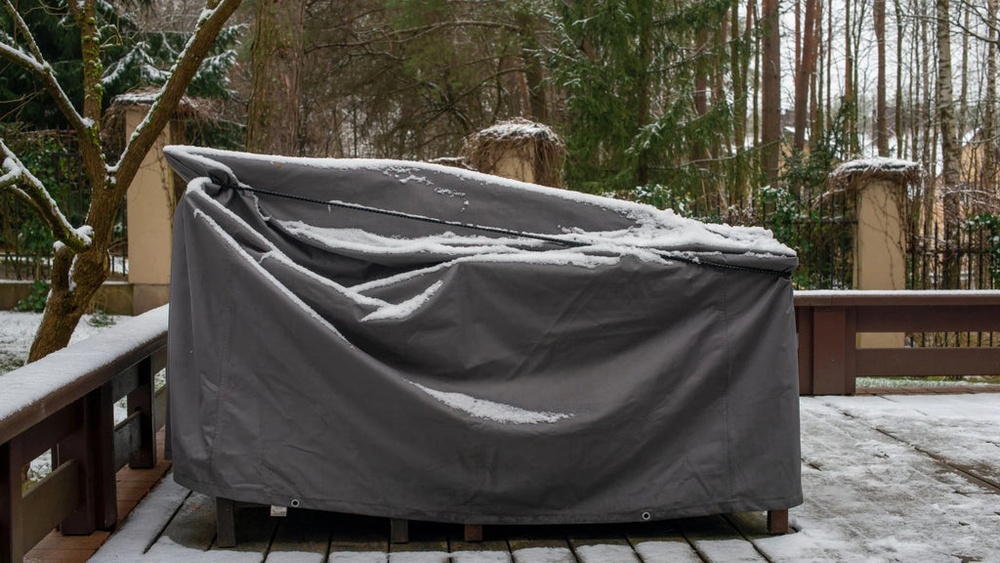
Use covers made for outdoor furniture to block rain and dust. Choose breathable materials to avoid mold and mildew. Store furniture indoors or in a shed during harsh weather. This prevents warping and fading. Proper storage extends furniture life greatly.

Credit: www.luxushomeandgarden.com
Frequently Asked Questions
How Do I Clean Old Wood Outdoor Furniture?
Start by removing dirt and debris with a soft brush. Use mild soap and water to scrub gently. Rinse thoroughly and let it dry completely before any restoration steps.
What Is The Best Way To Sand Old Wood Furniture?
Use medium-grit sandpaper to remove old finishes and smooth rough areas. Sand with the wood grain to avoid scratches. Finish with fine-grit sandpaper for a smooth surface.
How Can I Repair Cracks In Old Wood Furniture?
Fill cracks with wood filler or epoxy putty. Let it dry as per instructions, then sand it smooth. This strengthens the wood and prepares it for finishing.
Which Finish Is Ideal For Restoring Outdoor Wood Furniture?
Use exterior-grade varnish, sealant, or wood oil designed for outdoor use. These finishes protect against moisture, UV rays, and weather damage, extending furniture life.
Conclusion
Restoring old wood outdoor furniture brings new life to your space. Clean the wood well and remove old paint or stains first. Sanding smooths rough spots and prepares the surface. Choose the right wood finish to protect against weather. Regular care keeps furniture looking fresh for years.
Enjoy the charm of your renewed outdoor pieces. Small efforts lead to big improvements. Your patience will pay off with lasting beauty. Try these steps and watch your furniture shine again.