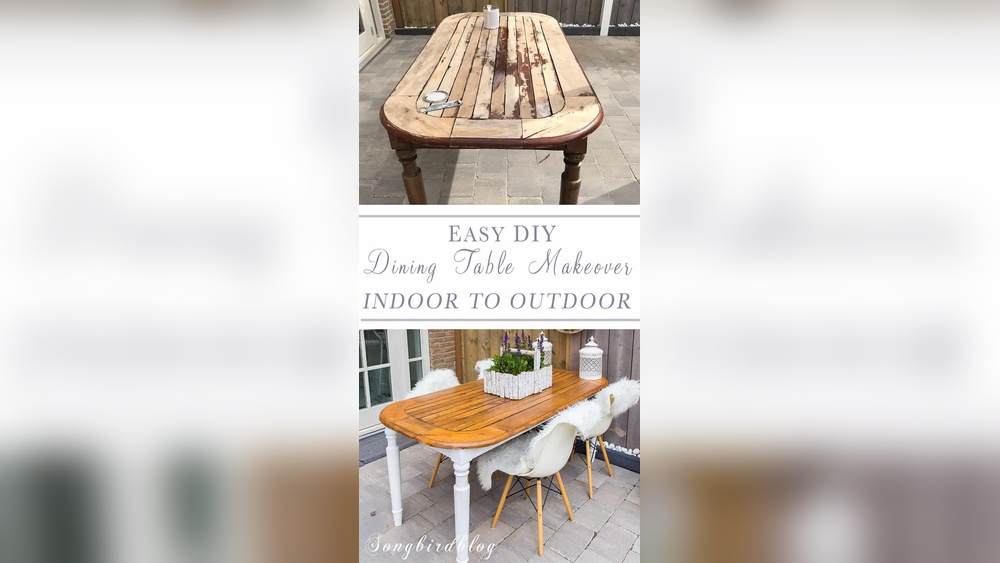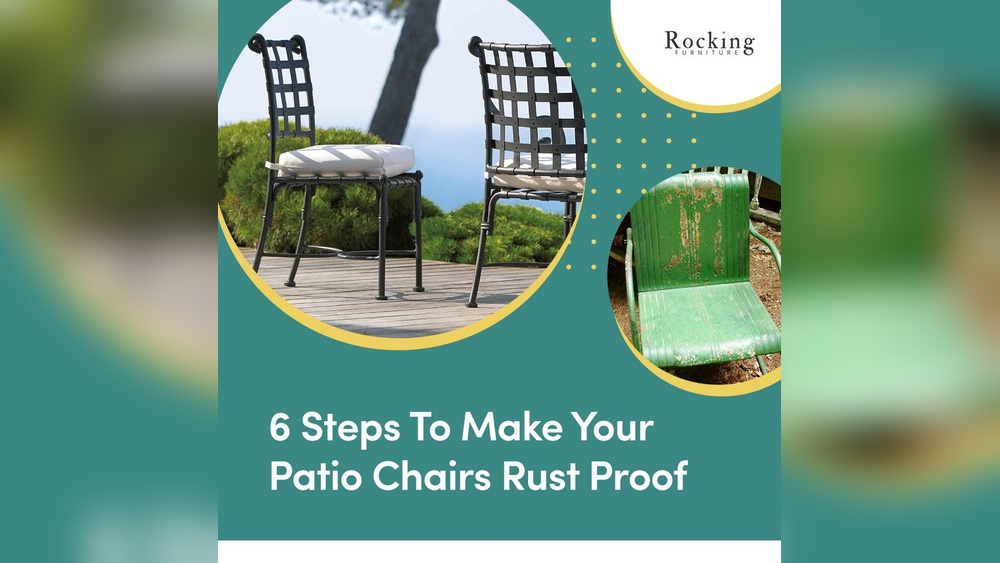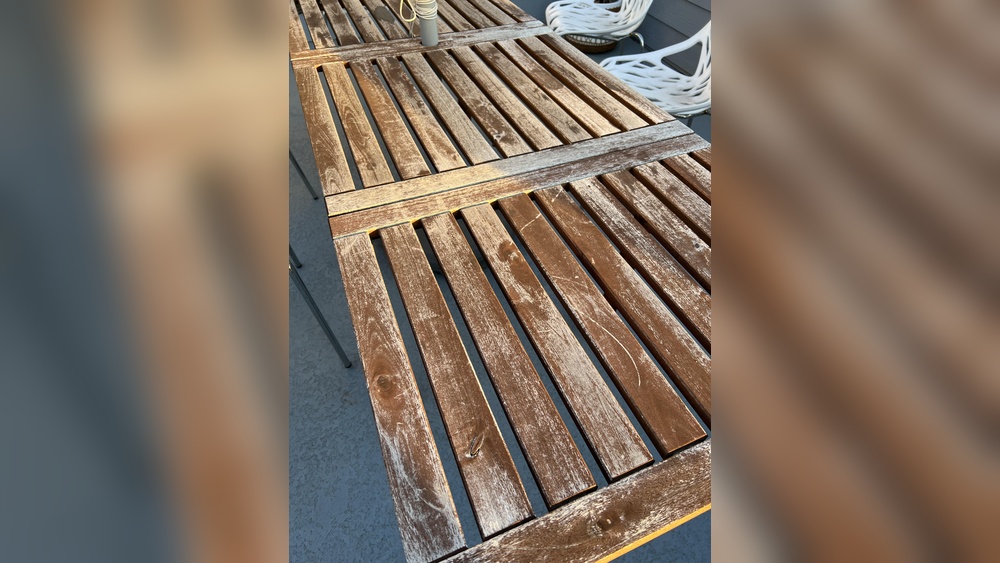
Is your outdoor wooden furniture looking worn out, faded, or damaged? You don’t have to replace it just yet.
Restoring your wooden pieces can bring back their natural beauty and make your outdoor space inviting again. Imagine relaxing on a chair that feels fresh and sturdy, or hosting friends around a table that looks brand new. In this guide, you’ll discover simple, effective steps to breathe new life into your outdoor wooden furniture.
Keep reading, and you’ll learn how to protect your investment and enjoy your outdoor space even more.
Assessing Furniture Condition
Assessing the condition of your outdoor wooden furniture is the first step in restoring it. This process helps you understand the extent of damage and what needs attention. A careful check will save time and prevent mistakes during restoration. It also guides you in choosing the right products and techniques.
Checking For Damage And Wear
Start by looking closely at the furniture. Check for cracks, splits, or rotting wood. Look for loose joints and broken parts. Notice if the wood feels soft or crumbly. Surface scratches and discoloration also show wear. Make a list of all problems you find. This helps plan the repair work clearly.
Identifying Wood Type
Knowing the wood type affects how you restore the furniture. Hardwoods like teak or oak need different care than softwoods like pine. Check the grain pattern and color to identify the wood. If unsure, take a small sample to a local expert. Correct identification helps in choosing the right cleaner and finish.
Evaluating Previous Finishes
Look at the furniture’s surface to see old finishes. It might have paint, varnish, or oil coatings. Some finishes protect better than others. Check if the finish is peeling or flaking. This shows if you need to strip it before restoring. Understanding old finishes guides you on preparation and applying new coats.

Credit: www.youtube.com
Gathering Necessary Tools
Restoring outdoor wooden furniture starts with gathering the right tools. Having everything ready makes the work easier and faster. It also helps you avoid interruptions during the process. Each tool plays a key role in cleaning, sanding, and protecting the wood. Prepare well to get the best results.
Essential Cleaning Supplies
Cleaning is the first step in restoration. You need a mild detergent or wood cleaner to remove dirt and grime. A soft brush or sponge works well to scrub the surface gently. A bucket with clean water is necessary for rinsing. Clean cloths or rags help dry the wood afterward. These supplies remove old dirt and prepare the wood for sanding.
Sanding Equipment
Sanding smooths the wood and removes old finishes. Sandpaper is the main tool here. Use medium-grit sandpaper for rough spots and fine-grit for finishing. An orbital sander can speed up the work but is not required. Sanding blocks help keep the surface even. Proper sanding makes the wood ready for sealing or painting.
Protective Gear
Protect yourself while restoring furniture. Safety glasses shield your eyes from dust. A dust mask or respirator stops you from breathing in wood particles. Gloves keep your hands safe from splinters and chemicals. Wear old clothes to avoid stains. Using protective gear ensures a safe and comfortable restoration process.
Cleaning And Preparing Wood
Cleaning and preparing wood is the first step to restore outdoor wooden furniture. It helps remove dirt, old finishes, and any damage. Proper cleaning makes the wood ready for new paint or stain. It also protects the wood from future damage.
Removing Dirt And Grime
Start by brushing off loose dirt with a soft brush. Use a mixture of warm water and mild soap to wash the surface. Scrub gently with a sponge or cloth. Rinse with clean water and let the wood dry completely. This step clears away dust and grime stuck in the wood.
Treating Mold And Mildew
Mold and mildew can damage wood and cause stains. Mix one part white vinegar with three parts water. Apply the solution with a spray bottle or cloth. Let it sit for 15 minutes, then scrub with a soft brush. Rinse well with water and dry the wood in sunlight. This kills mold and prevents it from coming back.
Stripping Old Paint Or Stain
Old paint or stain can peel and harm the wood’s look. Use a chemical stripper or sandpaper to remove it. Apply the stripper according to the instructions. Wait until the finish softens, then scrape it off with a plastic scraper. Sand the wood smooth to remove leftover residue. Clean the surface again before applying new paint or stain.
Sanding Techniques
Sanding is a key step in restoring outdoor wooden furniture. It removes old paint, smooths rough areas, and prepares the wood for finishing. Using the right sanding techniques helps you get a clean, even surface. This makes your furniture look fresh and last longer outdoors.
Choosing The Right Grit
Start with coarse grit sandpaper to remove old finish and rough spots. A grit between 60 and 80 works well. After that, switch to medium grit, like 120, to smooth the surface. Finish with fine grit, around 220, for a soft, even feel. Using the right grit at each step saves time and effort.
Sanding For Smoothness
Sand along the wood grain to avoid scratches. Use gentle, even strokes for a smooth surface. Keep the sandpaper moving to prevent uneven spots. Check your work often by running your hand over the wood. Stop sanding once the surface feels smooth and clean.
Handling Difficult Spots
Corners and edges need extra care. Use a sanding sponge or folded sandpaper for tight areas. Sand gently to avoid damaging the wood shape. For deep scratches or dents, use wood filler first. Let it dry, then sand the spot smooth. This keeps your furniture looking its best.
Repairing Damages
Repairing damages is a key step in restoring outdoor wooden furniture. It helps make the furniture strong and safe to use again. Small cracks and holes can get worse over time. Loose joints make furniture shaky and unsafe. Broken parts reduce the furniture’s function and look.
Careful repairs improve the furniture’s life. They also bring back its original beauty. This section covers easy ways to fix common problems.
Filling Cracks And Holes
Small cracks and holes let water inside the wood. This causes rot and damage. Use wood filler to fill these gaps. Choose a filler that matches the wood color. Apply with a putty knife and smooth it out. Let it dry fully before sanding it smooth. This stops further damage and prepares the surface for finishing.
Fixing Loose Joints
Loose joints make furniture unstable. Tighten screws or bolts if you find them loose. For joints held by glue, remove old glue carefully. Apply wood glue to the joint and clamp it until dry. This keeps the parts firmly together. Check all joints to ensure the furniture stands steady.
Replacing Broken Parts
Some parts may be broken beyond repair. Replace these parts with new wood pieces. Cut the new wood to fit exactly. Sand the edges to match the original shape. Attach new parts using screws or wood glue. This restores the function and strength of your furniture.
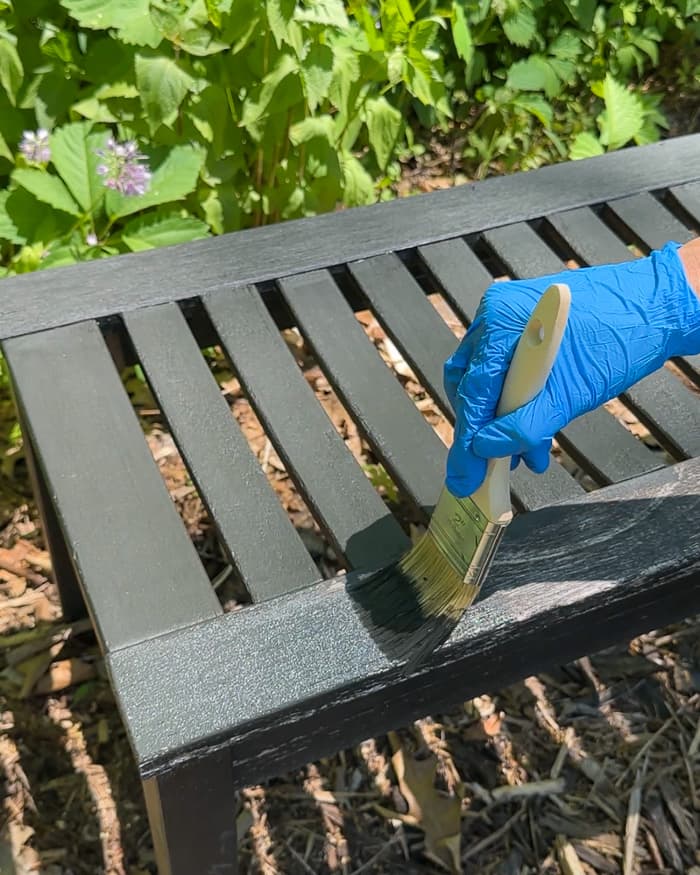
Credit: averageinspired.com
Applying Finish
Applying finish is a key step in restoring outdoor wooden furniture. It brings out the wood’s beauty and protects it from weather damage. A good finish also makes the furniture last longer. Taking time to apply it carefully will improve your results.
Selecting Suitable Stains Or Paints
Choose stains or paints made for outdoor wood. They resist fading and water damage. Oil-based stains offer deep color and protection. Water-based stains dry faster and have less odor. Paints cover the wood completely and add color variety. Pick colors that match your style and blend with your outdoor space.
Using Sealants For Protection
Sealants add a strong layer against moisture and sun. Clear sealants keep the natural wood look. Tinted sealants add subtle color and protection. Apply sealants after the stain or paint dries. Sealants stop cracking, peeling, and warping. They help the finish last through harsh weather.
Applying Coats Evenly
Use a good brush or sponge for smooth application. Spread the finish evenly across all surfaces. Avoid thick layers that can drip or peel later. Let each coat dry fully before adding the next one. Light sanding between coats improves adhesion. Multiple thin coats work better than one thick coat.
Maintenance Tips
Maintaining outdoor wooden furniture keeps it strong and beautiful for years. Simple care steps prevent damage and save money on repairs. Regular attention makes your furniture last longer and stay fresh.
Follow these easy maintenance tips to protect your wood from weather and wear. Small actions add up to big results in preserving your outdoor furniture.
Regular Cleaning Routines
Clean your wooden furniture often to stop dirt buildup. Use a soft brush or cloth to remove dust and grime. Wash with mild soap and water, then rinse well. Avoid harsh chemicals that can harm the wood surface. Dry your furniture completely after cleaning to prevent mold and mildew.
Seasonal Care Advice
Check your furniture at the start of each season. Look for cracks, loose screws, or worn finishes. Sand rough spots gently and apply a fresh coat of wood oil or sealant. Cover or store furniture during harsh weather to protect it. Winter and rainy seasons need extra care to avoid water damage.
Preventing Future Damage
Place furniture in shaded areas to reduce sun damage. Use cushions and covers to protect from scratches and spills. Avoid dragging furniture on hard surfaces to stop leg damage. Keep plants and soil away from wood to prevent moisture buildup. Regularly tighten screws and bolts to maintain stability.

Credit: www.reddit.com
Frequently Asked Questions
How Do I Clean Outdoor Wooden Furniture Before Restoration?
Start by removing dirt with a soft brush and mild soap solution. Rinse thoroughly and let it dry completely before sanding or refinishing.
What Is The Best Way To Sand Outdoor Wooden Furniture?
Use medium-grit sandpaper to remove old finish and smooth rough spots. Always sand along the wood grain for a clean surface.
Which Wood Sealant Protects Outdoor Furniture Best?
Use a high-quality, waterproof sealant or outdoor wood oil. These protect against moisture, UV rays, and prevent cracking or fading.
How Often Should I Restore Outdoor Wooden Furniture?
Restore your furniture every 1-2 years. Regular maintenance prevents damage and keeps the wood looking fresh and protected.
Conclusion
Restoring outdoor wooden furniture takes time and care. Clean the wood well before starting any work. Use the right tools and products for best results. Sanding removes old finishes and smooths the surface. Apply sealant or paint to protect the wood from weather.
Regular maintenance helps keep furniture looking fresh longer. Enjoy your renewed furniture for many seasons ahead. Small efforts bring big improvements. Keep your outdoor space inviting and cozy.