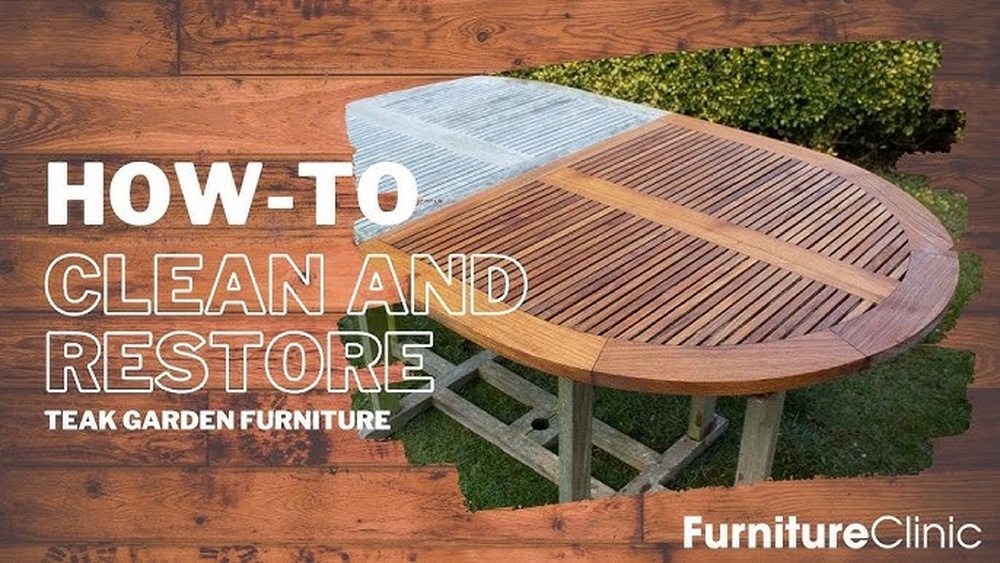
Is your teak outdoor furniture looking dull and worn out? You don’t have to replace it just yet.
With the right steps, you can bring back its natural beauty and make it look like new again. Imagine relaxing on your refreshed teak pieces, enjoying the warmth and elegance they add to your space. In this video guide, you’ll discover easy, practical tips to restore your teak furniture quickly and effectively.
Keep reading to learn how you can transform your outdoor setup and protect your investment for years to come.

Credit: h2obungalow.com
Preparing Your Workspace
Preparing your workspace is the first step to restoring teak outdoor furniture. A clean, organized area helps you work better. It keeps your tools close and your furniture safe. This preparation saves time and reduces stress during the project.
Choosing The Right Location
Select a spot with good light and fresh air. Outdoors or a garage with open doors works well. Avoid dusty or windy places to keep dirt off the wood. Make sure the surface is flat and stable to hold your furniture steady.
Gathering Necessary Tools
Collect all tools before you start. You will need sandpaper, brushes, teak cleaner, and wood oil. Have clean rags and gloves ready too. Keeping tools nearby avoids interruptions and keeps your work smooth.
Ensuring Safety Measures
Wear gloves and a mask to protect your skin and lungs. Work in a well-ventilated area to avoid fumes. Keep children and pets away from the workspace. Safety first makes your project safe and worry-free.
Credit: www.youtube.com
Assessing The Furniture Condition
Before starting the restoration of your teak outdoor furniture, assessing its condition is key. This step helps you understand the work needed to bring back its beauty. Careful inspection saves time and effort later.
Identifying Damage And Wear
Check all surfaces for cracks, scratches, and stains. Look closely at corners and edges. These areas often show the most wear. Small cracks may grow if not treated. Note any discoloration or fading on the wood.
Checking For Mold And Mildew
Teak furniture exposed to moisture can grow mold or mildew. Examine dark spots or fuzzy patches on the wood. Mold often appears in shaded or damp areas. Clean these spots early to prevent damage.
Evaluating Structural Stability
Test the furniture’s strength by pressing or gently shaking it. Loose joints or wobbly legs need repair. Check screws, bolts, and fasteners for rust or looseness. Solid structure ensures safe use and longer life.
Cleaning The Teak Furniture
Cleaning teak outdoor furniture is the first key step in restoring its beauty. Dirt and grime build up over time and hide the wood’s natural charm. Proper cleaning helps protect the wood and prepares it for further care. Follow simple steps to clean teak furniture carefully and effectively.
Removing Dirt And Debris
Start by brushing off loose dirt and leaves. Use a soft brush or cloth to avoid scratching the wood. Check all corners and crevices to remove trapped debris. This step clears the surface and makes cleaning easier.
Using Teak Cleaner Solutions
Apply a teak cleaner designed for outdoor wood. These cleaners remove stains and brighten the wood. Follow the product instructions carefully. Use a soft brush to scrub the surface gently. Avoid harsh chemicals that can damage teak.
Rinsing And Drying Properly
Rinse the furniture thoroughly with clean water. Remove all cleaner residue to prevent damage. Use a hose with low pressure or a bucket of water. Let the furniture dry completely in the sun. Dry wood absorbs oils and finishes better.
Sanding Techniques For Teak
Sanding is a key step in restoring teak outdoor furniture. It removes old finish, dirt, and rough spots. Proper sanding makes the wood smooth and ready for oil or sealant. Using the right techniques keeps the teak strong and looking fresh. Here are simple tips for sanding your teak furniture effectively.
Choosing The Right Sandpaper Grit
Start with medium grit sandpaper, around 120 grit. It removes old layers without damaging the wood. For deeper scratches, use 80 grit first, then switch to 120 grit. Finish with fine grit, like 220, to smooth the surface. Using the right grit prevents rough patches and keeps the teak healthy.
Sanding In The Grain Direction
Always sand along the wood grain, never across it. This avoids scratches that ruin teak’s natural look. Follow the lines of the wood fibers with gentle, even strokes. This method helps the wood absorb oils better later. It also keeps the surface uniform and smooth.
Handling Difficult Areas
Corners and curves need careful attention. Use folded sandpaper or sanding sponges for tight spots. Light pressure works best to avoid rounding sharp edges. Take time on these spots to keep the shape of the furniture. Small details matter for a clean, polished finish.
Repairing Damages
Repairing damages is a key step to bring teak outdoor furniture back to life. Small cracks, broken parts, and loose joints can reduce its strength and beauty. Fixing these issues helps extend the furniture’s life and keeps it safe to use.
Filling Cracks And Holes
Cracks and holes appear over time due to weather and use. Clean the damaged area first to remove dirt and dust. Use a teak wood filler to fill cracks and holes. Apply the filler smoothly with a putty knife. Let it dry completely before sanding it down. Sanding helps the surface look even and ready for finishing.
Replacing Broken Parts
Broken parts can spoil the furniture’s function and look. Identify the parts that need replacement, like legs or slats. Remove the damaged pieces carefully without harming the rest. Find matching teak wood pieces to replace them. Cut and shape the new parts to fit well. Attach them firmly using wood glue or screws made for outdoor use.
Securing Loose Joints
Loose joints make furniture unstable and unsafe. Check all joints for movement or gaps. Tighten screws or bolts that hold the parts together. Use wood glue on joints that need extra strength. Clamp the parts together until the glue dries fully. Strong joints keep the furniture sturdy and ready for many seasons.
Applying Teak Oil And Sealant
Applying teak oil and sealant is a key step in restoring teak outdoor furniture. This process brings back the wood’s natural beauty. It also protects the furniture from sun and rain damage. Proper application ensures the wood stays strong and lasts longer.
Selecting Quality Teak Oil
Choose teak oil made for outdoor furniture. Look for oils with natural oils like linseed or tung oil. These oils soak deep into the wood. Avoid oils with harsh chemicals or synthetic ingredients. Quality teak oil enhances the wood’s color and grain. It also helps prevent cracking and drying out.
Proper Application Methods
Start with clean, dry furniture. Use a soft cloth or brush to apply teak oil. Spread the oil evenly over all surfaces. Work along the wood grain for best results. Allow the oil to soak in for at least 15 minutes. Wipe off any excess oil with a clean cloth. This prevents sticky or uneven patches.
Timing Between Coats
Wait 24 hours before applying another coat of oil. This gives the wood time to absorb the first coat. Apply 2 to 3 coats for deep protection and rich color. Avoid rushing the process. Proper timing ensures the oil fully penetrates the wood. It also improves the finish and durability.
Maintaining Restored Furniture
Restoring teak outdoor furniture brings back its natural beauty. Maintaining it keeps that beauty for years. Regular care stops damage and wear. It helps the wood stay strong and look fresh. Simple steps can protect your investment. Below are key tips for ongoing maintenance.
Regular Cleaning Tips
Clean teak furniture often. Use a soft brush or cloth. Avoid harsh chemicals that can harm the wood. Warm water with mild soap works best. Rinse well to remove all soap. Dry with a clean cloth to prevent water spots. Clean dirt and dust regularly to avoid buildup.
Seasonal Care Advice
Check your furniture each season. Look for cracks or fading. Light sanding can smooth rough spots. Apply teak oil or sealer in spring and fall. This keeps wood nourished and protected. Remove leaves and debris in autumn. Cover furniture during winter if possible to reduce damage.
Protecting Against Weather
Teak handles weather better than many woods. Still, sun and rain cause wear over time. Use furniture covers in heavy rain. Place furniture in shaded areas to reduce sun damage. Avoid standing water on the wood. Proper placement and covers extend the furniture’s life and beauty.

Credit: www.amazon.com
Common Mistakes To Avoid
Restoring teak outdoor furniture can bring back its natural beauty. Avoiding common mistakes helps keep your furniture strong and looking great. Many people make errors that damage the wood or shorten its life. Learning what to avoid saves time and money. Here are some common mistakes to watch out for.
Over-sanding
Sanding removes old finish and smooths the surface. But sanding too much can harm the wood. It can make the teak thin and weak. Only sand enough to remove dirt and rough spots. Use fine sandpaper and gentle pressure. Over-sanding also removes natural oils that protect teak.
Using Harsh Chemicals
Some cleaners are too strong for teak wood. Harsh chemicals can strip oils and dry out the wood. This causes cracking and fading over time. Use mild soap or special teak cleaners. Test any product on a small area first. Avoid bleach or strong solvents that can damage the surface.
Ignoring Maintenance
Teak needs regular care to stay beautiful. Ignoring maintenance leads to dull and gray wood. Clean your furniture often with gentle methods. Apply teak oil or sealant every few months. This keeps the wood nourished and protected. Skipping maintenance shortens the life of your teak furniture.
Frequently Asked Questions
How Do I Clean Teak Outdoor Furniture Before Restoration?
Start by removing dirt with a soft brush and mild soap. Rinse well with water. Let it dry completely before restoration.
What Products Are Best For Restoring Teak Furniture?
Use teak cleaner and brightener to remove stains and restore color. Finish with teak oil or sealer for protection.
How Often Should Teak Outdoor Furniture Be Restored?
Restore teak furniture every 1-2 years, depending on weather exposure. Regular maintenance extends its life and keeps it looking fresh.
Can I Restore Teak Furniture Without Sanding?
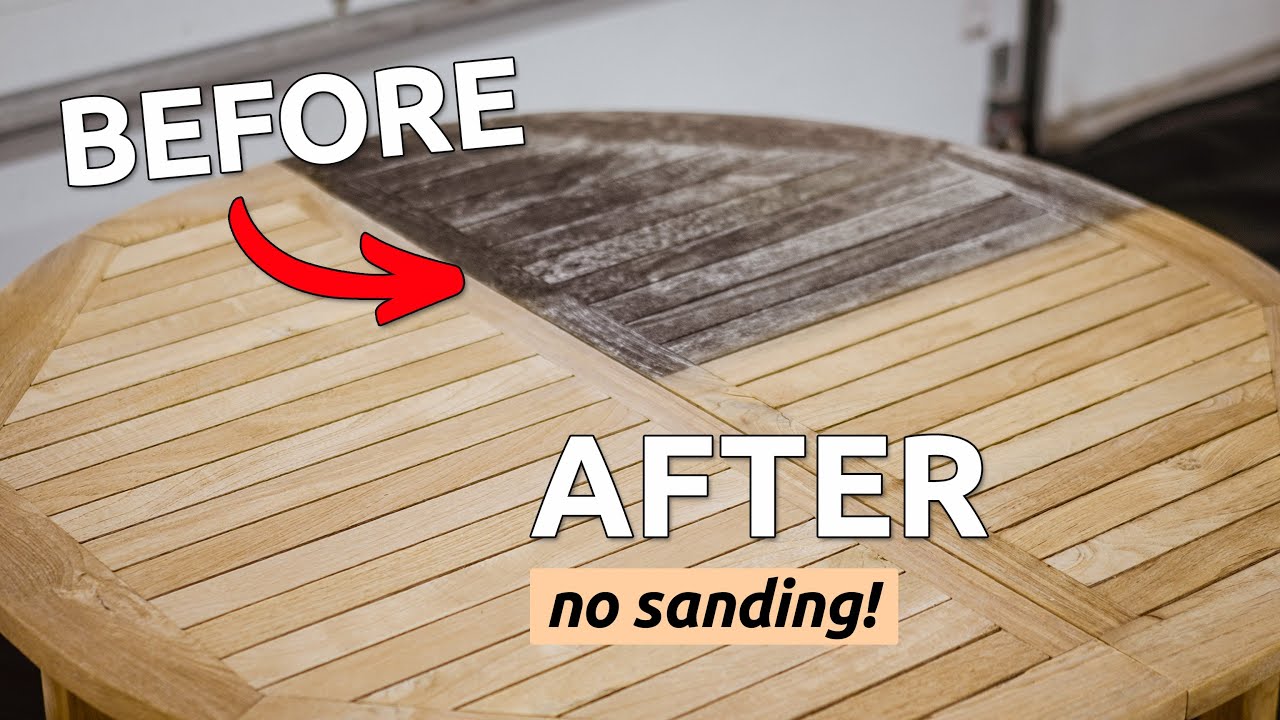
Yes, light cleaning and teak brightener can restore appearance. For deep damage, light sanding may be necessary for best results.
Conclusion
Restoring teak outdoor furniture takes time and patience. Follow the video steps carefully for the best results. Clean, sand, and oil the wood regularly to keep it strong. Teak can last for many years with proper care. Enjoy your refreshed furniture in your outdoor space.
Small efforts bring big changes to old teak pieces. Keep your furniture looking fresh and natural. Maintenance is simple and rewarding. Try these tips to protect your investment. Your outdoor space will feel cozy and inviting again.