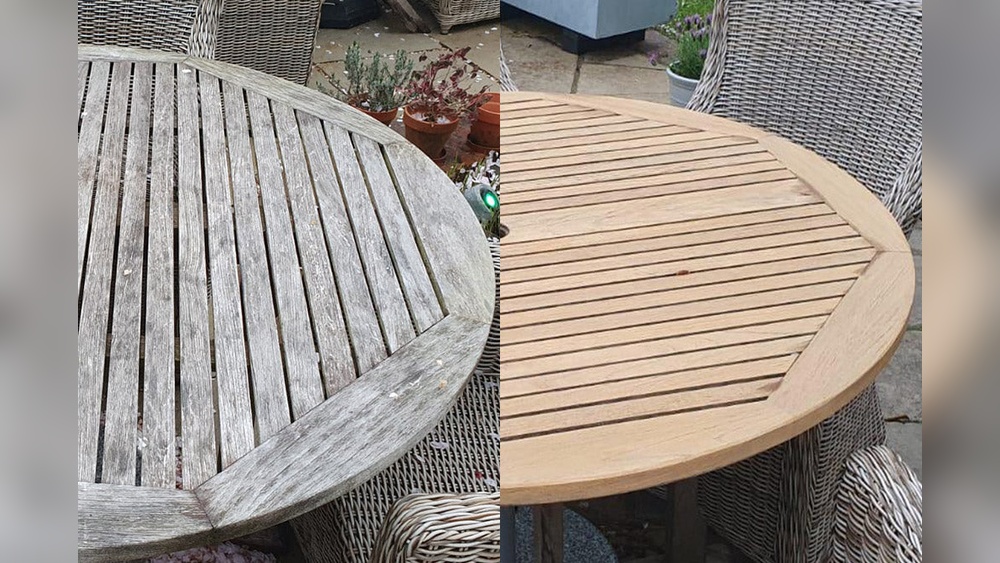
Is your teak outdoor furniture looking dull or rough? You’re not alone.
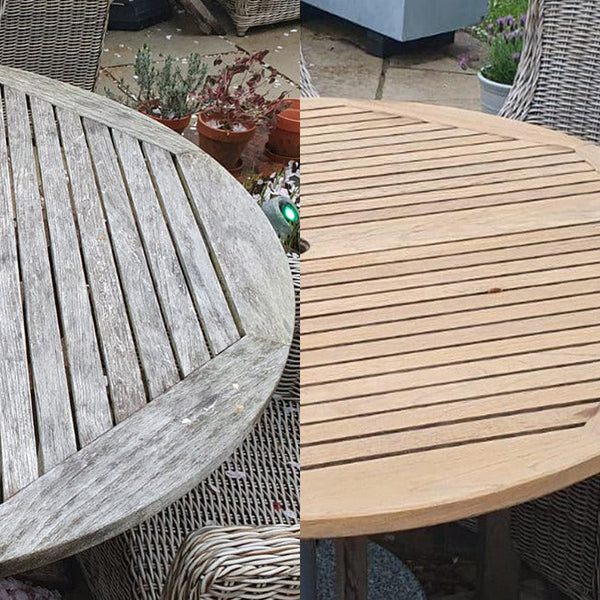
Over time, weather and use can wear down even the toughest teak, leaving it less beautiful than it once was. But here’s the good news—you can bring back that smooth, rich finish with the right sanding techniques. In this guide, you’ll discover simple, effective steps to sand your teak furniture like a pro.
By the end, your outdoor pieces will look refreshed and ready to impress. Ready to restore your teak’s natural beauty? Let’s get started.
Preparing Your Workspace
Preparing your workspace is the first step to sanding teak outdoor furniture well. A clean, organized area makes the job easier and safer. It also helps you work faster and get better results. Take time to set up before you start sanding.
Choosing The Right Location
Select an open, well-ventilated space. Outdoor areas like a patio or driveway work best. Avoid dusty or windy spots to keep dirt off the wood. Make sure the surface is flat and stable. This keeps your furniture steady while sanding. Good lighting helps you see rough spots clearly.
Gathering Necessary Tools
Collect all tools before starting. You will need sandpaper of different grits, a sanding block, and a vacuum or brush to clean dust. A dust mask and safety glasses protect your lungs and eyes. Have a drop cloth or tarp ready to catch debris. Organize everything within reach for smooth work.
Cleaning Teak Furniture
Cleaning teak furniture is the first step before sanding. Dirt and grime can hide in the wood grain. They may cause rough sanding and uneven finish. Proper cleaning makes sanding easier and better.
Teak is a strong wood but needs care. Use gentle methods to protect its natural oils. Cleaning helps keep the wood smooth and ready for sanding.
Removing Dirt And Debris
Start by brushing off loose dirt and leaves. Use a soft brush to avoid scratching the wood. A garden hose can rinse away dust and surface dirt. Let the furniture dry before the next step.
For stuck-on dirt, use a mild soap mixed with water. Apply with a soft cloth or sponge. Rub gently to avoid damage. Rinse thoroughly to remove soap residue. Dry the furniture with a clean cloth.
Using Teak Cleaner
Teak cleaners are made to remove deep stains and old dirt. Choose one that suits outdoor furniture. Follow the product instructions carefully. Apply the cleaner evenly with a brush or cloth.
Work the cleaner into the wood grain. Let it sit for the time suggested on the label. Rinse well with water to remove all cleaner. Dry completely before sanding. This step brightens the teak and prepares it for smoothing.
Selecting Sandpaper Grit
Selecting the right sandpaper grit is key to sanding teak outdoor furniture. The grit number tells how rough or smooth the sandpaper is. Using the correct grit helps remove old finishes and smooth the wood without damage. It also prepares teak for a fresh finish. Different grits serve different purposes during sanding.
Coarse Grit For Rough Surfaces
Coarse grit sandpaper has larger particles. It is best for rough surfaces and heavy sanding jobs. Use grit between 40 and 60 to remove old varnish or deep stains. It shapes the wood and removes splinters. Be careful not to press too hard to avoid scratching teak too much.
Fine Grit For Smooth Finish
Fine grit sandpaper has smaller particles. Use grit between 120 and 220 for a smooth finish on teak. It removes light scratches left by coarse grit. Fine grit also prepares the wood for oil or varnish. Sand gently to keep teak’s natural grain and shine.
Credit: simplifythechaos.com
Sanding Techniques
Sanding teak outdoor furniture is a key step for a smooth, clean finish. It removes old finishes and smooths rough spots. Using the right sanding techniques protects the wood and enhances its natural beauty. Choose methods that suit your tools and comfort. Patience makes a big difference in results.
Hand Sanding Tips
Hand sanding gives you control over delicate areas. Use fine-grit sandpaper, like 120 or 150 grit, for a gentle touch. Wrap the sandpaper around a sanding block for even pressure. Sand along the wood grain, never across it. This prevents scratches and keeps the wood smooth. Replace sandpaper when it clogs to keep sanding effective. Lightly sand curved or detailed parts to avoid damage.
Using Power Sanders Safely
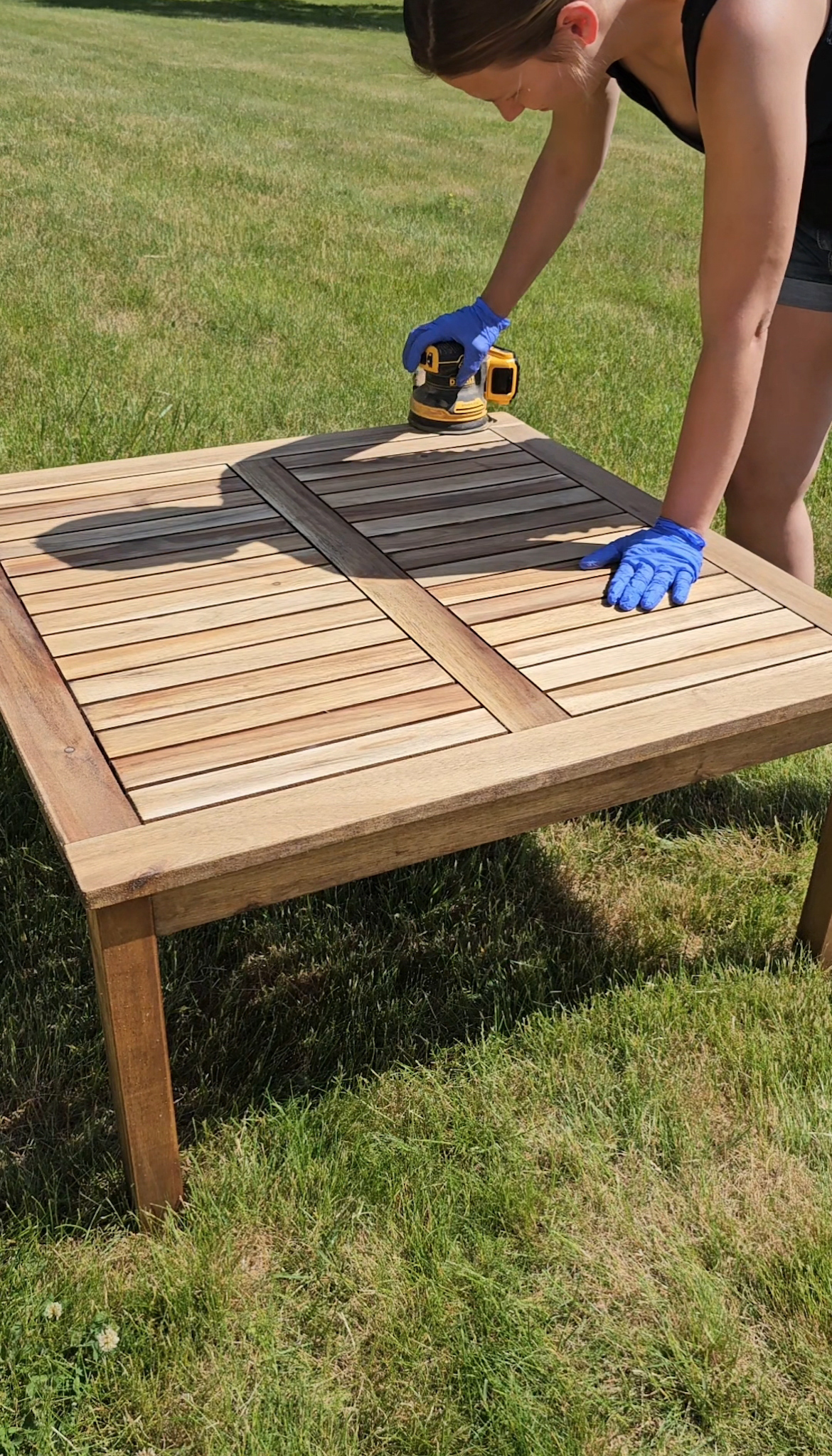
Power sanders speed up the process but need careful handling. Choose an orbital sander for even sanding without deep scratches. Keep the sander moving to avoid creating grooves. Use medium-grit sandpaper at first, then switch to finer grit for finishing. Always wear a dust mask and goggles to protect yourself. Check the sander’s speed setting; slower speeds work best on teak. Unplug the tool when changing sandpaper or making adjustments.
Dealing With Tough Spots
Teak outdoor furniture is durable but can develop tough spots over time. These areas need special care when sanding to keep the wood smooth and clean. Tough spots include stains, old finishes, and hard-to-reach corners. Proper sanding helps restore the wood’s natural beauty and prepares it for new treatment.
Removing Stains And Old Finish
Start by identifying stained areas or old finishes on the teak. Use medium-grit sandpaper to gently rub these spots. Apply even pressure to avoid damaging the wood. For stubborn stains, use a sanding block or an electric sander for better control. Sand until the surface feels smooth and the stain fades. Clean the area with a damp cloth to remove dust before moving on.
Sanding Corners And Crevices
Corners and crevices often trap dirt and old finish. Use fine-grit sandpaper wrapped around a small stick or a soft brush. Move gently to avoid scratching the wood. Work slowly to reach all tight spaces. Sanding these areas by hand ensures even cleaning and smoothing. After sanding, wipe away dust with a soft cloth for a clean finish.
Credit: www.luxushomeandgarden.com
Finishing Touches
After sanding your teak outdoor furniture, the finishing touches make all the difference. These steps protect the wood and bring out its natural beauty. Proper care at this stage helps your furniture last longer and look great.
Wiping Down Dust
Remove all dust left from sanding. Use a clean, dry cloth to wipe the surface. This step ensures no particles remain. Dust can affect how well oils or sealants stick to the wood.
Check every corner and crevice. A soft brush helps reach tight spots. Make sure the furniture feels smooth and clean.
Applying Teak Oil Or Sealant
Choose teak oil or a sealant to protect the wood. Teak oil nourishes and darkens the wood naturally. Sealants create a protective barrier against water and sun.
Use a clean cloth or brush to apply the product. Follow the wood grain for even coverage. Let it soak in for the time recommended on the label.
Apply a second coat if the wood looks dry. Allow the furniture to dry completely before use. Regular oiling or sealing keeps teak furniture in top shape.
Maintenance Tips
Maintaining teak outdoor furniture keeps it looking great and lasting longer. Regular care protects the wood from sun, rain, and dirt. Follow simple steps to keep your teak smooth and shiny. Consistent maintenance also prevents costly repairs.
Regular Cleaning
Clean teak furniture often to remove dust and grime. Use a soft brush or cloth with mild soap and water. Avoid harsh chemicals that can damage the wood. Rinse well and dry with a clean towel. Cleaning stops dirt from settling deep into the wood.
Periodic Sanding And Oiling
Sanding smooths the surface and removes old stains or rough patches. Use fine-grit sandpaper and sand gently along the wood grain. After sanding, apply teak oil to restore natural color and shine. Oil protects the wood from drying out and cracking. Repeat this process once or twice a year for best results.

Credit: www.youtube.com
Frequently Asked Questions
How Do I Prepare Teak Furniture For Sanding?
Clean the teak furniture thoroughly with soap and water. Remove dirt, dust, and old finishes. Let it dry completely before sanding to ensure smooth results.
What Grit Sandpaper Is Best For Teak Wood?
Start with 80-120 grit sandpaper to remove roughness. Finish with 180-220 grit for a smooth surface. Use fine grit to avoid damaging teak’s natural oils.
Can I Sand Teak Furniture Outdoors?
Yes, sanding teak outdoors is ideal to avoid dust buildup inside. Choose a calm, dry day to prevent moisture from affecting the wood.
How Often Should Teak Outdoor Furniture Be Sanded?
Sanding is recommended every 1-2 years depending on weather exposure. Regular sanding maintains teak’s smooth texture and prevents surface deterioration.
Conclusion
Sanding teak outdoor furniture keeps it smooth and beautiful. Use the right sandpaper grit for best results. Always sand along the wood grain to avoid scratches. Take your time and check your progress often. Clean the surface well before applying oil or finish.
Regular sanding and care help your furniture last longer. Enjoy the natural look and feel of well-maintained teak. Simple steps make a big difference in preserving your wood. Keep your outdoor space inviting with smooth, polished teak furniture.