Are you tired of your bookshelf wobbling or feeling unstable? Securing your bookshelf to the wall is the simple fix that brings peace of mind and keeps your space safe.
But how exactly do you screw a bookshelf into the wall without making mistakes or causing damage? In this guide, you’ll discover easy, step-by-step instructions that anyone can follow—no special skills needed. By the end, you’ll have a sturdy, reliable bookshelf that stays put and looks great.
Ready to make your bookshelf rock solid? Let’s get started!

Credit: www.youtube.com
Tools And Materials Needed
Before you start screwing a bookshelf into the wall, gather all the tools and materials. Having the right items makes the job easier and safer. You will avoid mistakes and save time.
Below are the essential tools and the right screws and anchors you need for this task.
Essential Tools
First, a drill with drill bits is necessary for making holes in the wall. A screwdriver or a drill with a screwdriver bit helps you fasten screws tightly. A stud finder locates the wall studs to hold the shelf firmly. A tape measure ensures accurate placement. Use a level to keep the shelf straight. Finally, a pencil helps mark where to drill.
Choosing The Right Screws And Anchors
Select screws based on the wall type and shelf weight. Wood screws work well for wooden studs. For drywall, use drywall anchors to keep screws secure. Plastic anchors suit light loads, while metal anchors hold heavier shelves. Make sure screws are long enough to reach into the stud or anchor. This prevents the shelf from falling.
Preparing The Wall
Preparing the wall is a key step before screwing a bookshelf into it. This ensures the shelf stays strong and safe. A well-prepared wall holds the weight of books without damage. It also helps avoid mistakes that could cause accidents.
Start by knowing exactly where to place the screws. The right spots provide the best support for your bookshelf. Marking these places clearly makes the installation faster and easier. Follow simple steps to prepare your wall correctly.
Locating Wall Studs
Wall studs are the wooden beams inside the wall. They hold heavy things like shelves and cabinets. Use a stud finder tool to locate these studs. Move the tool slowly along the wall. It will beep or light up near a stud.
Mark the edges of each stud with a pencil. Check the distance between marks. This confirms the stud’s position. Studs usually sit 16 or 24 inches apart. Finding these studs is essential for strong support.
Marking Screw Positions
After locating studs, mark where screws will go. Place marks on the stud center for best hold. Use a pencil to draw small dots. Measure the height and width of the bookshelf first.
Mark at least two screw points per stud. This spreads the weight evenly. Double-check marks to keep them level. Correct marking prevents shelf tilting or falling. Precise marks save time during drilling.
Drilling Pilot Holes
Drilling pilot holes is an important step when screwing a bookshelf into the wall. These small holes guide the screws and prevent the wall or wood from splitting. They make the installation stronger and easier. Proper pilot holes keep your bookshelf steady and safe.
Selecting Drill Bits
Choose a drill bit that matches the screw size. The bit should be slightly smaller than the screw’s body. This helps the screw grip tightly without cracking the wood. Use a bit designed for wood or drywall, depending on your wall type. Sharp bits make cleaner holes and reduce effort.
Drilling With Precision
Mark the exact spots where you want to drill. Use a pencil for clear, visible marks. Hold the drill steady and keep it straight to avoid angled holes. Drill slowly to control the depth and avoid damaging the wall. Stop when the hole is deep enough for the screw to fit snugly.

Credit: www.wikihow.com
Attaching The Bookshelf
Attaching the bookshelf to the wall is an important step. This keeps the shelf steady and safe. It also stops the shelf from tipping over. Follow clear steps to attach the shelf correctly. This ensures strong support and durability.
Aligning The Shelf
Start by placing the bookshelf near the wall. Use a level tool to check if it is straight. Adjust the shelf until it stands perfectly vertical. Mark the spots where screws will go. These marks guide you during drilling and fastening. Proper alignment makes the shelf look neat and hold well.
Securing With Screws
Choose screws that fit your wall type. Drill holes at the marked points carefully. Insert wall anchors if the wall is drywall. Push the screws into the holes through the shelf. Tighten screws firmly, but do not over-tighten. This keeps the shelf stable and prevents damage.
Ensuring Stability
Ensuring your bookshelf stays steady and safe on the wall is very important. A stable bookshelf holds your books well and stops accidents. It also protects your wall and furniture from damage. Taking steps to secure it properly gives you peace of mind.
Double-checking Tightness
After screwing the bookshelf into the wall, check each screw again. Tighten any loose screws carefully. Loose screws can make the shelf wobble or fall. Use a screwdriver to make sure all screws are firm. Do not overtighten, as this can damage the wall or screw.
Using Wall Anchors For Extra Support
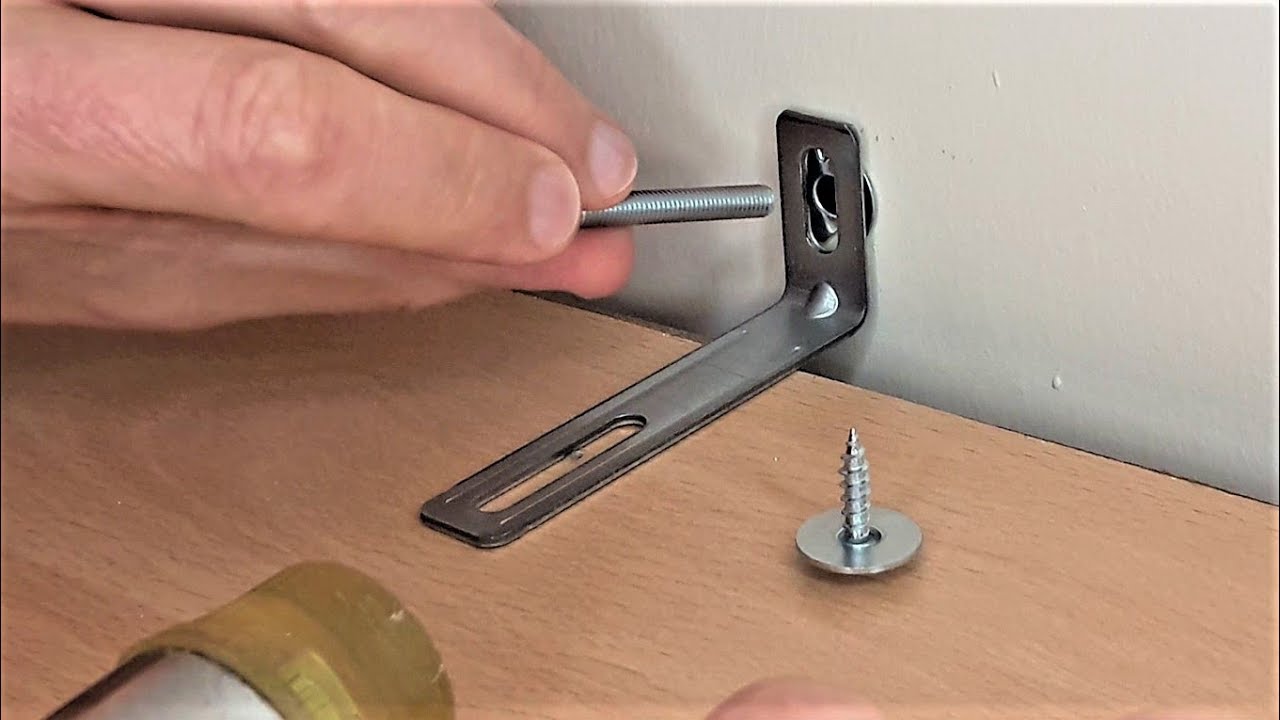
Wall anchors add strong support beyond just screws. They spread the weight across a larger area inside the wall. This stops screws from pulling out easily. Choose anchors based on your wall type and shelf weight. Install anchors before screwing the shelf to ensure a secure hold.
Credit: www.youtube.com
Safety Tips
Safety is key when screwing a bookshelf into the wall. Taking proper safety steps prevents accidents and damage. This section covers essential safety tips you must follow.
Protective Gear
Wear safety glasses to shield your eyes from dust and debris. Use gloves to protect your hands from sharp tools and rough surfaces. Closed-toe shoes keep your feet safe from dropped objects. Use ear protection if using loud power tools. Proper gear reduces injury risks and keeps you safe.
Avoiding Common Mistakes
Locate wall studs before drilling to ensure strong support. Use the right screws and anchors for your wall type. Do not overtighten screws to avoid wall damage. Keep tools away from children and pets during work. Double-check measurements to prevent uneven shelves. Avoid rushing to maintain control and safety.
Frequently Asked Questions
How Do I Find Studs To Screw Bookshelf Into Wall?
Use a stud finder to locate wooden studs behind drywall. Mark the stud positions with a pencil. Anchoring into studs ensures a secure hold for your bookshelf.
What Type Of Screws Should I Use For Wall Mounting?
Use 2. 5 to 3-inch wood screws to mount your bookshelf. Choose screws that can support the shelf’s weight and grip the stud firmly.
Can I Mount A Bookshelf On Drywall Without Studs?
Yes, use heavy-duty wall anchors if no studs are available. Anchors provide extra support but are less secure than screwing into studs.
How High Should I Screw The Bookshelf To The Wall?
Position the screws near the top and bottom of the shelf bracket. This placement distributes weight evenly and keeps the bookshelf stable and secure.
Conclusion
Securing a bookshelf to the wall keeps it safe and steady. Follow the steps carefully for best results. Choose the right screws and anchors for your wall type. Measure and mark spots before drilling holes. Use a level to keep the shelf straight.
Tighten screws firmly but don’t overdo it. Take your time and work patiently. A well-attached bookshelf prevents accidents and protects your books. Now, your shelf will hold strong and look neat. Simple steps lead to a safe and tidy space.