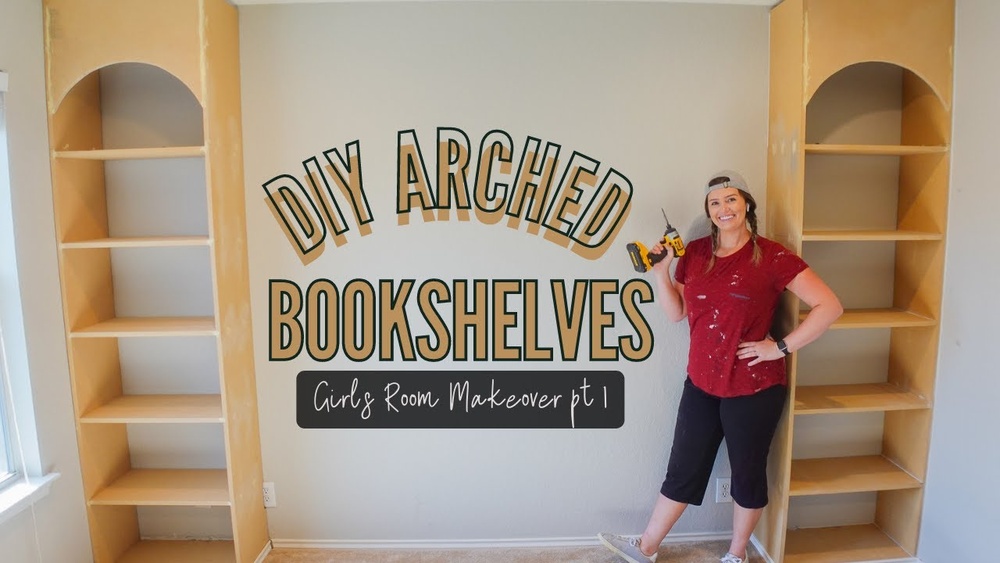
You’ve just got the perfect bookshelf, but have you thought about how to keep it safe and steady? Securing your bookshelf to the wall isn’t just about keeping it upright—it’s about protecting your family, your books, and your peace of mind.
Imagine avoiding accidents before they happen and making your space look cleaner and more organized. In this guide, you’ll learn simple, effective steps to anchor your bookshelf securely, even if you’ve never done it before. Keep reading, and you’ll discover how a few easy fixes can make a big difference in your home.
Choosing The Right Bookshelf
Choosing the right bookshelf is key to securing it safely to your wall. The choice affects stability and safety. Picking a suitable bookshelf makes the process easier and more effective. Consider the material, design, weight, and size before buying.
Material And Design Considerations
Bookshelves come in wood, metal, and plastic. Wood is strong and classic. Metal offers a modern look and durability. Plastic shelves are light but less sturdy. Choose a design that fits your room style and wall type. Open designs may need more support. Closed backs can add stability. Flat backs fit better against walls.
Weight And Size Factors
Heavy books need strong shelves. Large shelves hold more but need solid wall anchors. Small shelves are easier to secure. Measure your wall space before buying. Match shelf size to room size and wall strength. Heavy shelves need studs for safety. Light shelves can use wall plugs. Always check the weight limit of the bookshelf.
Tools And Materials Needed
Securing a bookshelf to the wall requires specific tools and materials. These items make the process easier and safer. Having everything ready helps you avoid interruptions. It also ensures a strong, stable hold for your bookshelf.
Essential Tools
Start with a power drill for making holes in the wall. A screwdriver is necessary for tightening screws. A stud finder helps locate wall studs for secure attachment. Use a level to keep the bookshelf straight. Measuring tape ensures accurate placement. Pencil marks the spots for drilling. Wall anchors support the shelf in drywall areas.
Safety Gear
Wear safety goggles to protect your eyes from dust and debris. Gloves keep your hands safe from sharp edges and splinters. A dust mask prevents inhaling particles. Ear protection is important if you use loud power tools. Safety gear helps avoid injuries during the installation process.
Locating Wall Studs
Securing a bookshelf to the wall starts with finding the wall studs. Studs provide strong support and prevent the bookshelf from tipping. They are wooden beams behind the drywall. Screwing directly into studs keeps the bookshelf safe and stable.
Studs are usually spaced 16 or 24 inches apart. Finding them helps you place screws in the best spots. There are two main ways to locate studs: using a stud finder or manual methods. Both are simple and effective.
Using A Stud Finder
A stud finder is a small tool that detects wood behind the wall. Turn it on and slowly move it across the wall surface. The tool beeps or lights up when it detects a stud. Mark each spot with a pencil. Double-check by scanning again to confirm.
Stud finders are accurate and save time. They work well on most walls and avoid guesswork. Some models can also detect wires and pipes, adding safety during installation.
Manual Methods To Find Studs
Manual methods rely on simple observations and tools. Tap the wall lightly with your knuckle or a hammer. A hollow sound means no stud; a solid sound means a stud is behind. Mark the solid sound spots.
Look for electrical outlets or switches on the wall. Outlets usually attach to the side of a stud. Measure 16 or 24 inches from the outlet to find other studs. Use a small nail or thin drill bit to confirm the stud location.

Credit: www.reddit.com
Preparing The Bookshelf
Preparing the bookshelf is the first step to secure it safely to the wall. This step ensures the bookshelf stays stable and prevents accidents. Proper preparation makes the installation easier and stronger.
Start by finding the right spots on the bookshelf for attaching it to the wall. These points must be strong enough to hold the weight of the shelf and its contents. Marking these spots clearly helps guide the next steps.
Marking Attachment Points
Use a pencil to mark where the bookshelf will connect to the wall. Choose points near the top and bottom for better support. Check that these marks align with the wall studs for maximum strength. Double-check measurements to avoid mistakes. Clear marks make drilling easier and more accurate.
Drilling Pilot Holes
Drill small pilot holes on the marks before installing screws. Pilot holes prevent the wood from splitting. Use a drill bit slightly smaller than the screws. Drill straight and steady to keep holes clean. These holes guide the screws and improve grip. Take care to drill at the correct depth for the screws.
Attaching Brackets Or Straps
Attaching brackets or straps is an important step to secure a bookshelf to the wall. This helps keep the shelf stable and prevents it from tipping over. Using the right hardware and installing it correctly ensures safety and durability. Below are details about the types of mounting hardware and how to install them properly.
Types Of Mounting Hardware
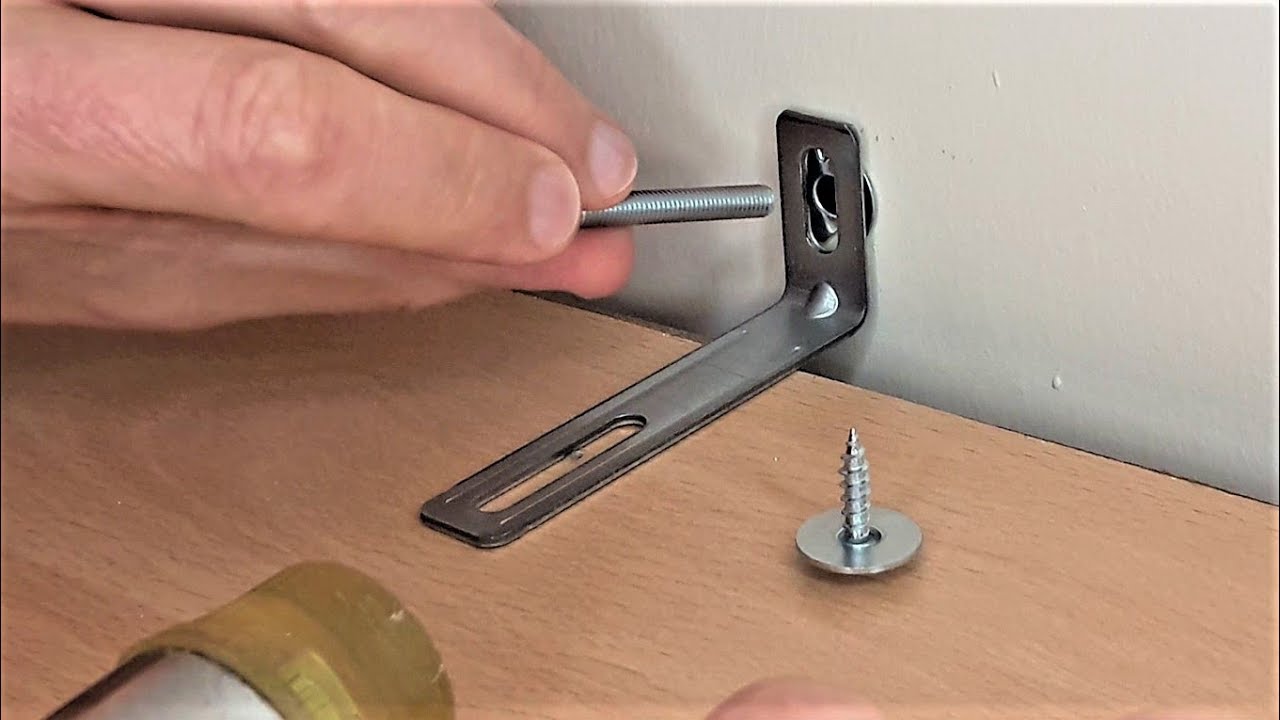
Several types of brackets and straps work well for securing bookshelves. L-brackets are common and easy to install. They attach the shelf to the wall at a right angle. Furniture straps are another option. They are flexible and connect the shelf to the wall with screws. Metal corner braces offer strong support for heavy shelves. Choose hardware that matches the shelf size and wall type. Using the correct anchors is important for drywall or plaster walls.
Proper Installation Techniques
Begin by locating wall studs with a stud finder. Attach brackets or straps directly into the studs for best support. Use a level to keep the shelf straight during installation. Mark screw holes carefully before drilling. Drill pilot holes to avoid splitting the wood or damaging the wall. Secure the brackets or straps tightly but avoid overtightening. Check the shelf stability after installation. Tighten or adjust hardware as needed to ensure safety.
Credit: www.youtube.com
Securing The Bookshelf To The Wall
Securing the bookshelf to the wall is an important step for safety and stability. Without proper fixing, the shelf can tip over or fall. This can cause damage or injury. Taking time to secure the shelf ensures it stays in place.
Use the right tools and hardware for your wall type. Follow clear steps for a strong hold. This process helps keep your books and items safe.
Aligning And Fixing The Shelf
Start by placing the bookshelf near the wall. Use a level to check if it stands straight. Mark the wall points where brackets or straps will go. Make sure these points match the shelf’s support areas.
Drill holes in the marked spots on the wall. Insert wall anchors if needed for extra support. Attach brackets or straps to the wall securely. Then, fasten them to the bookshelf using screws. Tighten all screws but avoid over-tightening.
Double-checking Stability
After fixing, gently push the bookshelf to check its balance. It should not wobble or move easily. Test the brackets or straps for a firm hold. If anything feels loose, tighten the screws again.
Place some weight on the shelves to test strength. Watch for any shifting or tilting. A stable bookshelf stays firm under pressure. This final check protects your space and items.
Safety Tips And Maintenance
Securing a bookshelf to the wall is important for safety. Proper care keeps the bookshelf steady and prevents accidents. Regular checks and simple fixes help maintain stability. These safety tips make sure your bookshelf stays safe over time.
Regular Inspection
Check the bookshelf and wall brackets often. Look for loose screws or nails. Tighten any parts that feel shaky. Watch for cracks in wood or wall damage. Early fixes stop bigger problems later. Inspect after moving the bookshelf or heavy use.
Preventing Common Hazards
Keep heavy items on lower shelves. Avoid overloading the bookshelf with too many books. Use wall anchors suitable for your wall type. Place the bookshelf away from high-traffic areas. Teach children not to climb on shelves. These steps reduce risks and keep everyone safe.

Credit: space-plug.com
Frequently Asked Questions
How Do I Safely Anchor A Bookshelf To Drywall?
Use wall anchors or toggle bolts for drywall. Locate studs first for stronger support. Secure brackets firmly to prevent tipping.
What Tools Are Needed To Secure A Bookshelf?
You’ll need a drill, level, stud finder, screwdriver, screws, and wall anchors. These ensure precise and safe installation.
Can I Secure A Bookshelf Without Studs?
Yes, use heavy-duty wall anchors or toggle bolts. They provide strong support for lighter bookshelves on drywall.
Why Is Securing A Bookshelf To The Wall Important?
Securing prevents tipping accidents, protects children, and safeguards your books. It adds stability and safety to your space.
Conclusion
Securing a bookshelf to the wall keeps it safe and steady. It prevents accidents and protects your books. Use the right tools and follow steps carefully. Check the wall type before choosing anchors or screws. Take your time and measure twice to avoid mistakes.
A well-fixed bookshelf lasts longer and looks better. Enjoy a neat and secure space for your books. Safety and stability matter most when setting up furniture. Now, your bookshelf stands firm and ready to use.