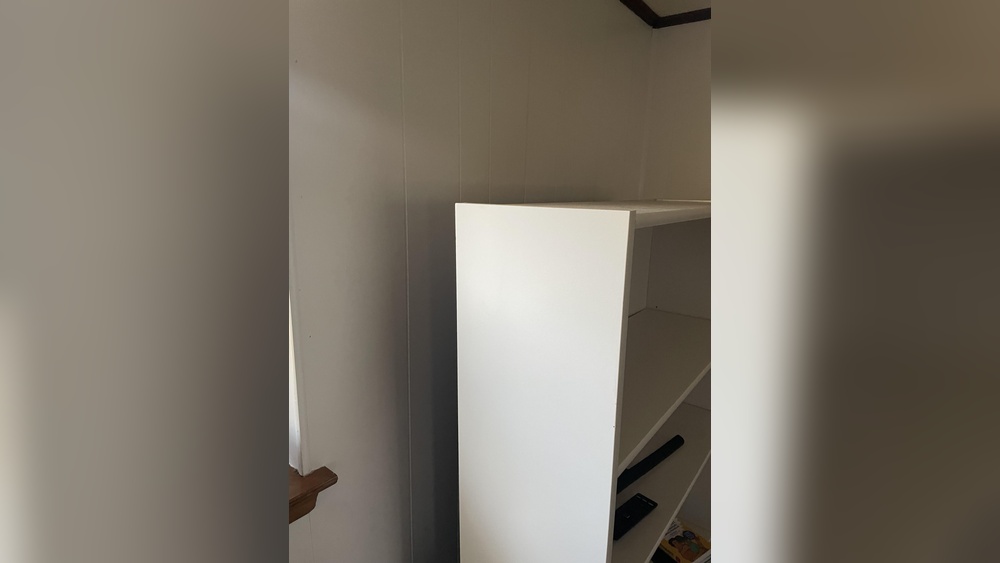
Have you ever worried that your bookshelf might tip over and cause damage or injury? Securing your bookshelf to the wall is one of the simplest ways to keep your space safe and your books organized.
Whether you have kids, pets, or just want peace of mind, learning how to anchor your bookshelf properly can save you from accidents and costly repairs. In this guide, you’ll discover easy, step-by-step methods to make sure your bookshelf stays firmly in place—giving you confidence and a safer home.
Ready to protect your space? Let’s get started.
Choose The Right Location
Choosing the right location for your bookshelf is key to keeping it safe and stable. A well-chosen spot not only secures the shelf but also fits your room’s style. Think about where the bookshelf will best serve your needs and stay steady over time.
Find A Suitable Wall
Pick a wall that can hold the bookshelf’s weight. Walls made of solid wood or brick work best. Avoid thin drywall or plaster alone, as they might not support heavy loads. Use a stud finder to locate wooden studs behind the wall. Anchoring the shelf to these studs gives the strongest hold.
Consider Room Layout And Accessibility
Place the bookshelf where it does not block doors or windows. Make sure you can reach all shelves easily. Avoid cramped corners or narrow spaces. Think about sunlight, too. Direct sun can fade books and damage materials. Choose a spot that fits your daily habits and room flow.
Credit: www.youtube.com
Gather Necessary Tools And Materials
Securing a bookshelf to the wall keeps it stable and safe. Preparing the right tools and materials makes the job easier and faster. Gather everything before starting to avoid interruptions.
Essential Tools For Mounting
You need a drill to make holes in the wall. A screwdriver helps to tighten screws securely. A level ensures the bookshelf is straight and balanced. A tape measure checks the right height and spacing. A pencil marks spots on the wall for drilling.
Selecting The Proper Anchors And Brackets
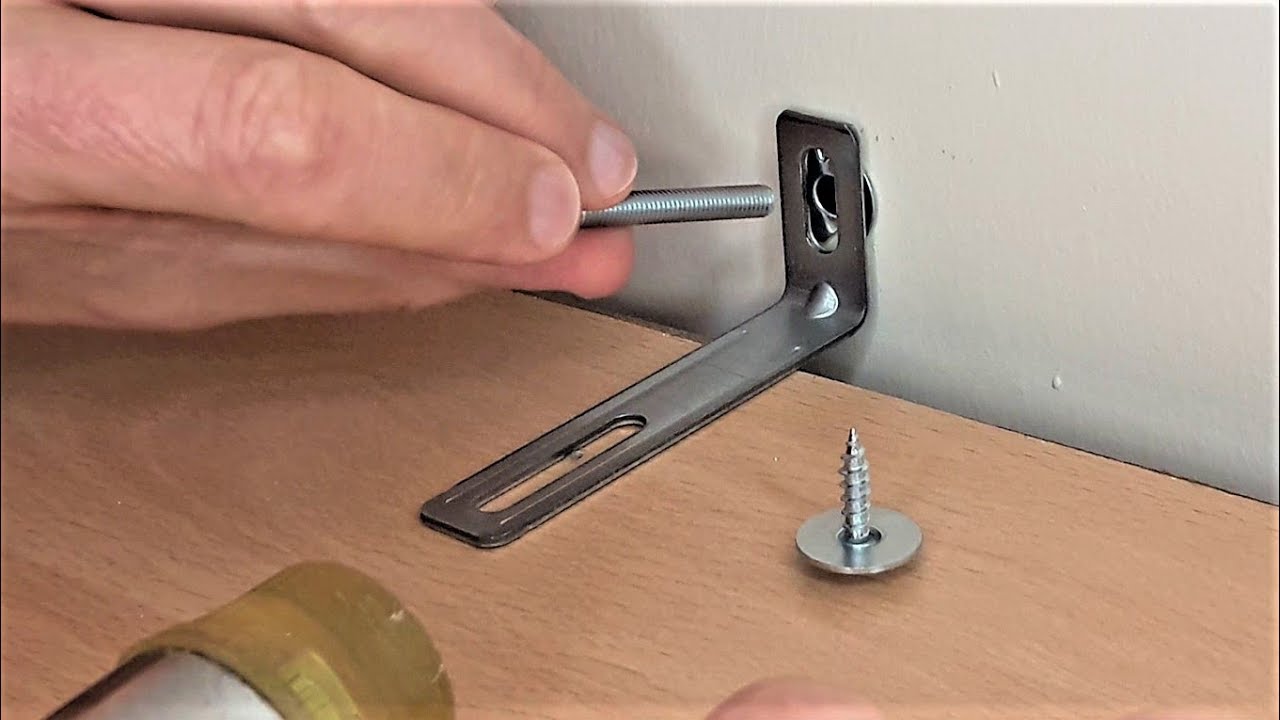
Choose anchors based on your wall type: drywall, plaster, or brick. Plastic anchors work for light loads on drywall. Metal anchors hold heavier shelves firmly. Pick brackets that fit the bookshelf size and weight. Strong brackets prevent the shelf from wobbling or falling.
Prepare The Bookshelf And Wall
Preparing the bookshelf and wall is a key step to secure the shelf safely. This step helps avoid damage and ensures the bookshelf stays firmly in place. Take time to prepare both the shelf and the wall before starting the installation.
Cleaning the bookshelf and finding the right wall spots makes the process easier. Safety comes first when attaching furniture to walls. Follow these simple steps to get ready.
Empty And Clean The Bookshelf
Remove all items from the bookshelf. This prevents accidents and makes handling easier. Wipe down shelves with a damp cloth to remove dust and dirt. A clean surface helps screws hold better. Check the shelf for any damage or loose parts. Fix or tighten them before mounting.
Locate Wall Studs For Secure Attachment
Use a stud finder to locate studs behind the wall. Studs provide strong support for heavy shelves. Mark the stud positions with a pencil. Avoid drywall alone, as it cannot hold much weight. Measure and align these marks with the bookshelf holes. This ensures the screws will go into solid wood. Double-check your marks before drilling.
Mark And Drill Attachment Points
Marking and drilling attachment points is a key step to secure a bookshelf to the wall. It ensures the shelf stays in place and holds weight safely. This process requires careful measuring and precise drilling. Correctly marked points guide you where to place screws for strong support. Follow these steps to mark and drill safely and accurately.
Measure And Mark Bracket Positions
Start by measuring the height and width of the bookshelf. Decide where the brackets will hold the shelf firmly. Use a pencil to mark exact spots on the wall for the brackets. Check that the marks are level using a spirit level. Mark both the top and bottom bracket points clearly. These marks show where to drill holes for screws.
Drill Pilot Holes For Screws
Choose a drill bit smaller than the screw size. This helps the screw grip the wall better. Carefully drill pilot holes at each marked point. Drill straight into the wall to avoid angled holes. Pilot holes reduce the chance of wall damage. They also make it easier to insert screws smoothly.
Attach Brackets To The Bookshelf And Wall
Attaching brackets to the bookshelf and wall is a key step to secure your furniture safely. Brackets hold the bookshelf steady and prevent it from tipping over. This process needs careful attention to ensure strong support. First, attach brackets to the bookshelf. Next, fix the brackets to the wall anchors or studs. Follow these steps for a solid setup.
Secure Brackets On The Bookshelf
Place the brackets inside the top or back corners of the bookshelf. Use a pencil to mark screw holes on the shelf. Pre-drill small pilot holes to avoid splitting the wood. Align the bracket and screw it tightly with a screwdriver. Make sure the brackets are flush and stable. This step prepares the bookshelf for wall attachment.
Fix Brackets To The Wall Anchors Or Studs
Locate wall studs using a stud finder for the strongest hold. Mark the exact spots for screws on the wall. If no studs are available, use wall anchors suitable for your wall type. Drill holes for the anchors if needed. Attach the bracket to the wall with screws, ensuring they fit snugly. Tighten all screws to secure the bookshelf firmly to the wall.
Test Stability And Safety
Testing the stability and safety of your bookshelf after securing it to the wall is a key step. It ensures the shelf stays firmly in place and prevents accidents. This process helps protect your books, valuables, and everyone around the shelf.
Take your time to carefully check every part. A stable bookshelf gives you peace of mind and lasting use.
Check For Firmness And Level
Gently push the bookshelf from different sides. It should not wobble or move. Use a level tool to see if the shelf is straight. An uneven shelf can cause items to slide or fall.
Look closely at the wall anchors and screws. They must hold tight with no signs of loosening. Firmness means your shelf is ready to hold weight safely.
Add Additional Supports If Needed
If you notice any movement or tilt, add more support. Extra brackets or straps can help. Attach these supports to wall studs for strong hold.
Use sturdy materials that match your shelf size and weight. More supports reduce the risk of accidents and improve shelf strength.
Maintain And Inspect Regularly
Keeping your bookshelf secure means more than just fixing it to the wall once. Regular checks help prevent accidents and keep your books safe. Small problems can grow if not noticed early. A simple inspection can save you time and effort later.
Routine Tightening Of Screws
Screws can loosen over time with normal use. Check all screws every few months. Use a screwdriver to tighten any loose ones. This keeps the shelf stable and safe. Tight screws reduce wobbling and risk of falling.
Monitor For Wear And Damage
Look closely at the shelf and wall mounts. Check for cracks, splits, or rust on screws and brackets. Notice any bends or warping in the wood or metal parts. If you spot damage, fix or replace the part quickly. Keeping an eye on wear stops bigger problems.

Credit: www.amazon.com

Credit: space-plug.com
Frequently Asked Questions
How Do I Secure A Bookshelf To Drywall Safely?
Use wall anchors or toggle bolts designed for drywall. Locate studs with a stud finder for extra stability. Attach brackets or straps to the studs and bookshelf for a secure hold.
What Tools Are Needed To Anchor A Bookshelf To The Wall?
You need a stud finder, drill, screwdriver, wall anchors, brackets or straps, and a level. These tools ensure accurate placement and secure attachment to the wall.
Can I Secure A Bookshelf Without Drilling Into The Wall?
Yes, use heavy-duty adhesive strips or furniture straps designed for wall mounting. However, drilling offers a stronger, more reliable hold, especially for heavy shelves.
Why Is It Important To Anchor A Bookshelf To The Wall?
Anchoring prevents tipping, which reduces injury risk, especially in homes with kids or pets. It also protects your books and decor from falling during accidents or earthquakes.
Conclusion
Securing a bookshelf to the wall keeps it safe and steady. It helps prevent accidents and protects your books. Use the right tools and follow simple steps carefully. Check the wall type before choosing anchors or screws. Tighten all fittings to ensure strong support.
A well-secured bookshelf lasts longer and holds more weight. Take your time and double-check your work. Safety and stability matter most in any room. Now, enjoy your organized space without worry.