Are you unsure how to sit comfortably and safely in a lower bunk bed? Whether you use it for sleeping, reading, or relaxing, knowing the right way to sit can make a big difference.
You want to avoid awkward positions that cause discomfort or even risk injury. You’ll discover simple tips that help you sit with ease and support. Keep reading to transform your lower bunk experience into a cozy, pain-free zone you’ll love.

Credit: www.maxtrixkids.com
Choosing The Right Lower Bunk
Choosing the right lower bunk is important for comfort and safety. The lower bunk is often used daily. It should support your body well and fit your room space. Picking the correct bunk helps you sit and sleep better. This section guides you through key points to consider.
Material And Build Quality
The material affects the bunk’s strength and look. Wood bunks feel warm and sturdy. Metal bunks are light and easy to move. Check if the frame is solid and well-made. Strong joints and smooth finishes prevent injuries. A good build lasts longer and holds weight safely.
Mattress Selection
The mattress must fit the lower bunk perfectly. Too thick or thin can cause discomfort. Choose a mattress that matches the bunk’s size. Foam mattresses offer good support and comfort. Avoid mattresses that slide or feel too soft. A right mattress helps you sit and sleep well.
Space Considerations
Measure your room before buying a bunk bed. The lower bunk needs enough space to sit up. Leave room around the bunk for easy access. Consider ceiling height for sitting and moving freely. A cramped space makes sitting uncomfortable and unsafe. Plan the space so you feel relaxed in the lower bunk.
Proper Sitting Posture
Sitting properly in a lower bunk bed helps keep your body comfortable and healthy. Good posture reduces strain on your muscles and joints. It also helps you avoid pain in your back and neck. Learning the right way to sit makes your time in the bunk bed more relaxing and safe.
Aligning Your Back And Neck
Keep your back straight while sitting on the lower bunk bed. Your shoulders should be relaxed but not slouched forward. Align your neck with your spine to avoid strain. Your head should not lean too far forward or backward. This position supports your spine’s natural curve.
Foot Placement Tips
Place your feet flat on the floor or the bed surface. Avoid letting your feet dangle or cross for long times. Balanced foot placement helps your body stay stable. It also reduces pressure on your legs and lower back. Keep your knees at a right angle for better comfort.
Avoiding Slouching
Do not let your upper body slump forward. Slouching puts extra pressure on your spine. It can cause pain and stiffness over time. Sit back so your lower back touches the bed or wall. Use a pillow to support your lower back if needed. This habit keeps your posture strong and healthy.
Adding Comfort
Adding comfort to your lower bunk bed makes sitting more enjoyable. It helps you relax and avoid stiffness. Small changes can improve your sitting experience a lot. Focus on cushions, bedding, and temperature to create a cozy space. This way, you can sit longer without feeling tired or uncomfortable.
Using Cushions And Pillows
Place soft cushions behind your back for support. They help keep your spine straight and reduce pressure. Use extra pillows to rest your arms or head. Choose cushions that fit the size of the lower bunk. Change their position to find what feels best. Soft, fluffy pillows make sitting more pleasant.
Adjusting Bedding For Support
Use a firm mattress or add a mattress topper. It provides better support while sitting. Keep your bedding smooth to avoid lumps and bumps. Tuck in blankets neatly to prevent slipping. Layer blankets for extra padding if needed. Adjust bedding to match your comfort needs easily.
Temperature Control
Keep the lower bunk at a comfortable temperature. Use a light blanket if it feels cold. Open a window or use a fan to cool the area. Avoid direct drafts that cause chills. Dress in layers to adjust your warmth quickly. Comfortable temperature helps you sit relaxed longer.
Safety Precautions
Safety is very important when sitting in a lower bunk bed. Taking simple steps can prevent accidents and injuries. This section covers key safety tips to keep you safe and comfortable.
Securing The Bed Frame
Make sure the bed frame is tight and stable. Check all screws and bolts regularly. Loose parts can cause the bed to wobble or collapse. Use tools to tighten any loose connections. A strong frame supports your weight safely.
Avoiding Sharp Edges
Look for any sharp edges or corners on the bed. These can cause cuts or bruises. Cover sharp spots with soft padding or tape. Keep the area around the bed clear of hard or sharp objects. A smooth surface helps prevent injuries.
Safe Entry And Exit
Use the ladder or steps carefully to get in and out. Always face the bed while climbing. Keep hands free to hold the rails. Avoid rushing or jumping from the bed. Slow and steady movements reduce the risk of falls.
Maintaining The Lower Bunk
Maintaining the lower bunk bed is important for safety and comfort. Regular care helps the bed last longer. It also keeps the sleeping area clean and cozy. Small tasks done often prevent bigger problems later.
Regular Cleaning
Dust and dirt gather quickly on the lower bunk. Use a soft cloth to wipe the bed frame weekly. Vacuum the mattress surface to remove dust mites and debris. Clean the floor around the bunk to keep the area fresh. Fresh spaces help improve sleep quality.
Checking For Wear And Tear
Inspect the bed frame for cracks or loose screws monthly. Tighten any loose bolts to keep the bed stable. Look for splinters or sharp edges that might cause injury. Check the mattress for sagging or lumps. Early repairs keep the bed safe and strong.
Updating Bedding Periodically
Change sheets and pillowcases every week. This keeps the bed clean and hygienic. Replace old blankets and pillows to maintain comfort. Use soft, breathable fabrics that feel good on the skin. New bedding can make the lower bunk feel inviting.
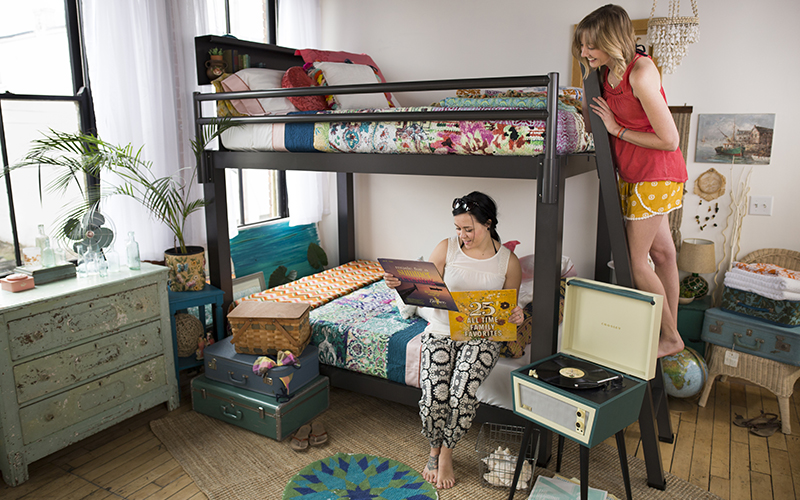
Credit: adultbunkbeds.com

Credit: www.maxtrixkids.com
Frequently Asked Questions
How Do I Safely Sit In A Lower Bunk Bed?
Sit near the center of the lower bunk to maintain balance. Avoid sudden movements. Use the bed frame for support when sitting up or down to prevent falls and injuries.
What Is The Best Posture For Sitting On A Lower Bunk?
Keep your back straight and feet flat on the floor or mattress edge. Avoid slouching to reduce strain on your back and maintain comfort during sitting.
Can Sitting On A Lower Bunk Bed Affect My Posture?
Yes, poor sitting posture on a bunk bed can cause back pain. Maintain a straight spine and avoid leaning too far forward or slumping to prevent discomfort.
How Do I Get On And Off A Lower Bunk Bed Safely?
Use the ladder or side rails if available. Move slowly and keep your body close to the bed to avoid falls or injury when getting on or off.
Conclusion
Sitting safely on a lower bunk bed is simple and comfortable. Always check the bed’s stability before sitting. Keep your movements slow to avoid falls. Use the edges or side rails for support if needed. Make sure there is enough space around the bed.
Practice these steps to feel secure and relaxed. Enjoy your time on the lower bunk without worry. Small habits make a big difference in safety and comfort. This way, sitting on a lower bunk stays easy every day.