Are your bookshelves looking cluttered or dull? How you stack your books can change the entire vibe of your room and make your collection easier to enjoy.
Imagine opening your bookshelf and instantly finding your favorite book, while your space looks neat and stylish. You’ll discover simple, practical ways to stack books that save space, protect your books, and even add a touch of personality to your room.
Keep reading, and you’ll learn tricks that make your bookshelf not just a storage spot, but a highlight of your home.
Choose The Right Bookshelf
Choosing the right bookshelf is key to stacking books neatly and safely. The bookshelf must fit your space and hold your book collection well. Picking the proper shelf makes arranging books easier and looks better in your room.
Consider Size And Material
Pick a bookshelf that fits your room size. Too big shelves can crowd the space. Too small shelves may not hold many books. Materials like wood give a classic look and strong support. Metal shelves often suit modern styles and hold heavy books. Choose a material that matches your room’s style and weight needs.
Evaluate Shelf Depth And Height
Check shelf depth carefully. Deep shelves hold large books well. Shallow shelves work for small paperbacks. Shelf height matters for tall books. Adjustable shelves let you change height for different book sizes. This flexibility helps keep books upright and neat.
Credit: www.apartmenttherapy.com
Sort Books By Category
Sorting books by category makes your bookshelf neat and easy to use. It helps find books fast. It also shows off your collection in a clear way. Organize your books to fit your style and needs.
Start by deciding how you want to group your books. This step sets the base for a tidy shelf. Choose categories that match your reading habits.
Group By Genre Or Subject
Grouping books by genre or subject keeps similar books together. Fiction, history, science, and fantasy—each has its own space. This method lets you pick a book based on mood or interest. It also helps spot gaps in your collection.
Use clear labels if you want. This makes it easy for anyone to find books quickly. It also keeps your shelf looking smart and organized.
Arrange By Author Or Series
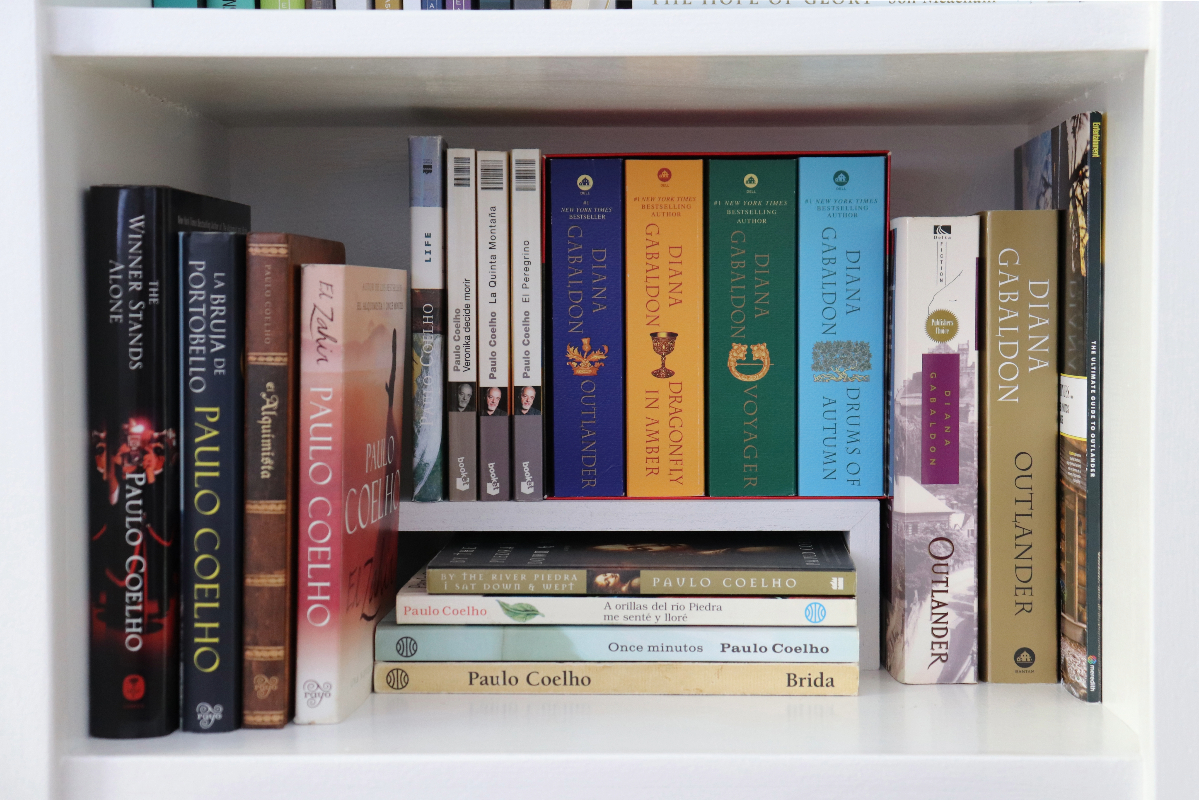
Arranging books by author groups all works by the same writer. This setup works well if you follow favorite authors closely. It also helps you find the next book in a series easily.
For series, keep books in order. This way, you read them in the right sequence. It also adds a clean, uniform look to your shelf.
Select A Stacking Method
Choosing the right stacking method helps keep your bookshelf neat and easy to use. It affects how books fit and how you find them. Some methods save space. Others protect books better. Pick a style that suits your needs and shelf space.
Vertical Stacking For Accessibility
Stacking books vertically means standing them upright like in a library. This way, you see each book’s spine clearly. It makes finding books fast and easy. Vertical stacking suits shelves with good height and depth. It also helps keep books in good shape, avoiding bending or warping.
Horizontal Stacking For Stability
Horizontal stacking means laying books flat in piles. This method is stable and stops books from falling. It works well for large or heavy books. You can stack smaller books on top safely. Horizontal stacks can also fit in tight spaces or shorter shelves.
Mixing Vertical And Horizontal
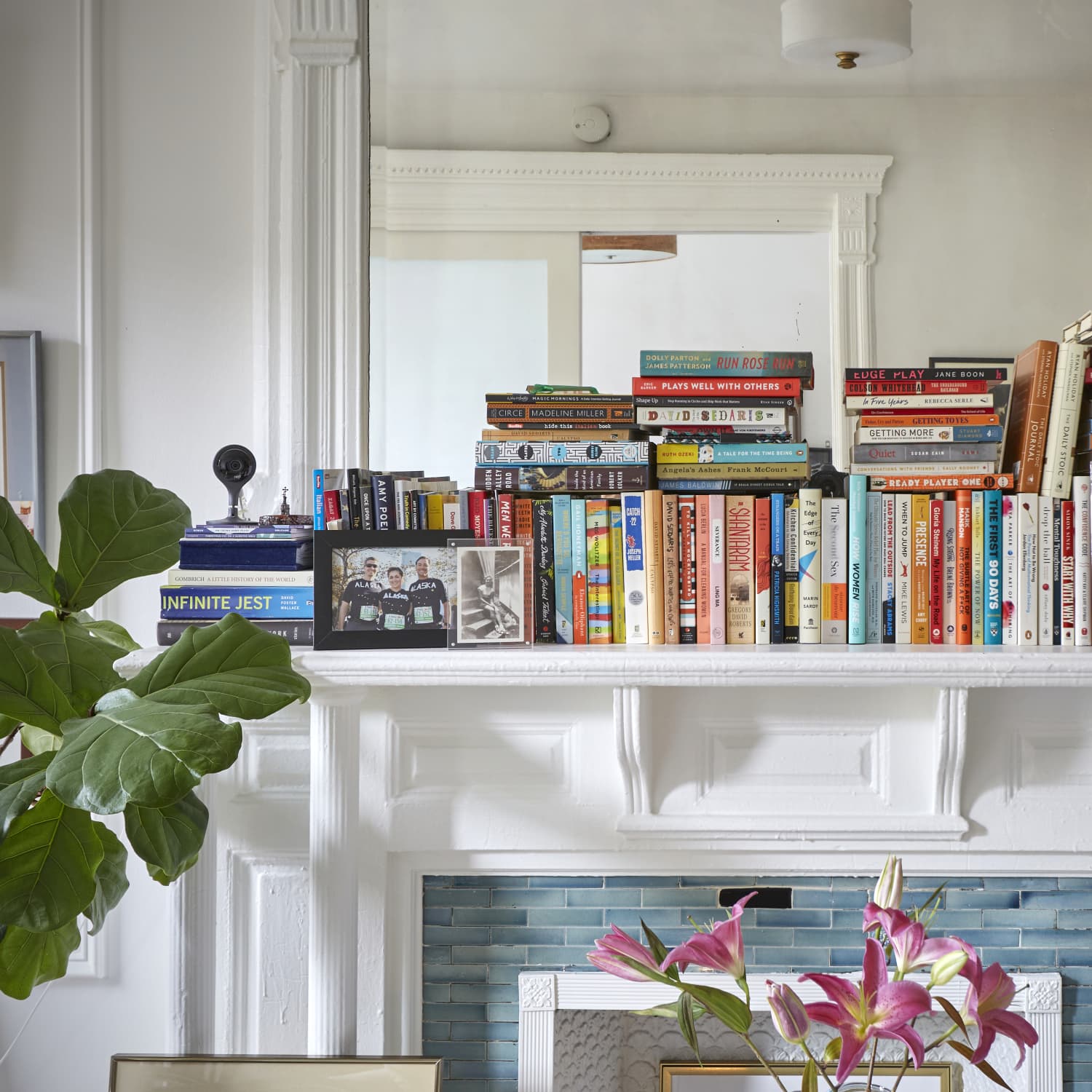
Combining both stacking styles creates a balanced look. Use vertical stacks for frequently read books. Place horizontal stacks to fill gaps or hold heavy books. This mix uses shelf space smartly and adds visual interest. It also helps keep your books organized and safe.
Maximize Space With Creative Arrangements
Maximizing space on a bookshelf does not mean just piling books up. Creative arrangements can open up room and make your shelf look beautiful. Smart placement uses every inch well. It helps keep books organized and easy to find. Try these simple ideas to use space better and add style.
Use Decorative Bookends
Bookends hold books upright and save space. Choose bookends that match your room style. They keep books neat and prevent them from falling. Use small or large bookends to fill empty shelf gaps. Decorative bookends add charm and make shelves look tidy.
Incorporate Vertical Dividers
Vertical dividers split shelves into sections. They create smaller spaces for stacking books. Dividers stop books from leaning or falling. Use wooden or metal dividers for a clean look. This method organizes books by size or topic. It makes shelves look orderly and uses space well.
Stack In Odd Numbers For Visual Appeal
Stack books in groups of three, five, or seven. Odd numbers look more natural and interesting. Mix tall and short stacks for a balanced look. Place stacks next to standing books to fill gaps. Odd-numbered stacks add rhythm and attract the eye on shelves.
Maintain Balance And Safety
Keeping your bookshelf balanced and safe is important. Proper stacking protects your books and prevents accidents. A stable shelf lasts longer and looks better. Follow simple steps to maintain balance and safety.
Avoid Overloading Shelves
Do not put too many books on one shelf. Too much weight can cause shelves to bend or break. Check the shelf’s weight limit before stacking. Leave some space between books for air and easy access. Overloading can also make the shelf unstable.
Distribute Weight Evenly
Place heavy books at the bottom. Lighter books should go on top. Spread books evenly across the shelf. Avoid piling all heavy books in one spot. Even weight helps keep the shelf steady and prevents tipping.

Credit: www.neathousesweethome.com
Add Personal Touches
Adding personal touches to your bookshelf makes it unique and inviting. It reflects your style and interests. Personal touches create a cozy space for your books and other treasures. They make browsing your collection more fun and meaningful.
Include Decorative Items
Place small plants or candles between books. These items add color and texture. Use photo frames with your favorite pictures. Small sculptures or souvenirs also bring charm. Balance decoration with space for books to breathe.
Use Color Coding Or Labels
Organize books by color for a bright, neat look. Use labels with simple categories like “Fiction” or “Science.” Color coding helps find books quickly. It creates a clean, visually pleasing shelf. Keep labels clear and easy to read.
Regular Maintenance Tips
Keeping your bookshelf neat takes regular care. Small efforts keep books safe and looking good. Regular maintenance stops dust and damage. It also helps you enjoy your collection more. Follow these simple tips to keep your bookshelves tidy and fresh.
Dust And Clean Shelves
Dust builds up quickly on shelves and books. Use a soft cloth to wipe shelves often. Clean corners and edges where dust hides. For stubborn dirt, use a damp cloth but dry fast. Avoid harsh chemicals to protect book covers.
Rearrange Seasonally
Change your book arrangement every few months. This keeps the collection fresh and easy to browse. Move books you read less to the back. Bring favorite or new books to the front. Seasonal rearranging also helps spot damaged books early.
Credit: www.neathousesweethome.com
Frequently Asked Questions
How Should I Arrange Books On A Bookshelf?
Arrange books by size, genre, or color for easy access. Use vertical stacking for large books and horizontal piles for variety and stability.
What Is The Best Way To Stack Heavy Books?
Stack heavy books horizontally at the bottom shelves. This prevents damage and keeps the shelf stable. Avoid leaning heavy books to protect their spines.
How Can I Maximize Space On My Bookshelf?
Use vertical stacking and double rows if depth allows. Add shelf dividers to keep books upright and organized. Consider adjustable shelves for flexible spacing.
Should I Organize Books By Color Or Size?
Organizing by size keeps shelves neat and balanced. Color-coding adds aesthetic appeal but may reduce practical access. Combine both methods for style and function.
Conclusion
Stacking books on your bookshelf can save space and add style. Arrange books by size or color to create a neat look. Use horizontal stacks to break up rows and add interest. Keep heavier books at the bottom for stability.
Add small decorative items between stacks for a personal touch. Regularly tidy your shelves to keep them organized. This simple method makes your bookshelf both useful and attractive. Try these tips to enjoy a well-arranged, inviting space.