Are you tired of cushions slipping off your outdoor furniture every time you sit down? You’re not alone.
Keeping your cushions in place can make your outdoor space more comfortable and inviting. Imagine relaxing without constantly adjusting your cushions or worrying about them blowing away on a windy day. You’ll discover simple, effective ways to stick cushions to your outdoor furniture, so you can enjoy your backyard with ease.
Let’s make your outdoor seating area cozy and hassle-free!
Choosing The Right Cushions
Choosing the right cushions for outdoor furniture makes a big difference. Cushions must suit your space, style, and weather conditions. Pick cushions that stay comfortable and last longer outside. Focus on materials, size, shape, and weather resistance. These factors help you find the best fit for your outdoor area.
Materials Suited For Outdoors
Outdoor cushions need special materials to handle sun, rain, and wind. Look for fabrics like acrylic, polyester, or olefin. These dry fast and resist fading. Foam inside should be quick-drying or have drainage holes. Avoid regular indoor foam that traps water and grows mold. Durable materials keep cushions fresh and strong over time.
Size And Shape Considerations
Measure your furniture before buying cushions. Cushions that are too big or small look odd and feel uncomfortable. Match the shape of the cushion to the furniture seat or backrest. Square, rectangular, or round cushions fit different chair styles. Proper size and shape make sitting easy and add style to your space.
Weather-resistant Features
Choose cushions with water-resistant covers to avoid soggy seats. Some cushions have UV protection to stop color fading from the sun. Mold and mildew resistance is important in humid areas. Check for cushions with removable, washable covers. These features keep cushions clean and fresh through all seasons.
Credit: isalawyers.com
Preparing Outdoor Furniture
Preparing your outdoor furniture is the first step to stick cushions properly. Clean and check the surfaces well. Find the best spots to attach cushions. These tasks help cushions stay safe and look good.
Cleaning Surfaces
Clean the furniture surface carefully. Remove dirt, dust, and any old residue. Use a soft brush or cloth with mild soap and water. Rinse well and let the surface dry fully. A clean surface helps adhesives or straps hold better.
Checking For Damage
Look for cracks, rust, or loose parts on the furniture. Repair any damage before adding cushions. Broken areas can cause cushions to fall or get damaged. Fixing these problems keeps your setup safe and strong.
Selecting Attachment Points
Choose strong and flat spots to attach cushions. Avoid curved or weak areas. Look for places where straps or glue can stick well. Good attachment points stop cushions from moving or blowing away.
Adhesive Options For Outdoor Use
Choosing the right adhesive is key to sticking cushions on outdoor furniture. The adhesive must hold well despite rain, sun, and wind. It should resist moisture and heat. Using the wrong glue can cause cushions to fall off or damage the fabric. This section explains the main adhesive types suited for outdoor use. It helps you pick the best one for your cushions and furniture.
Types Of Outdoor Adhesives
Outdoor adhesives include spray adhesives, hot glue, and marine-grade glue. Spray adhesives work well on fabric and foam. Hot glue bonds quickly but may not last in heat or rain. Marine-grade glue is strong and waterproof. It sticks to many surfaces like wood, plastic, and metal. Double-sided outdoor tape also works for light cushions. Each type fits different needs and furniture materials.
Pros And Cons Of Each
Spray adhesive spreads evenly and dries fast. It keeps cushions flexible but may weaken over time. Hot glue is cheap and easy to use. It might melt or peel off in hot weather. Marine-grade glue is very durable and waterproof. It can be tricky to apply and takes longer to dry. Double-sided tape is simple and clean. It may lose stickiness after months outside.
Safety Tips For Application
Use adhesives in a well-ventilated area. Avoid breathing in fumes from spray and glue. Wear gloves to protect your skin. Keep glue away from eyes and mouth. Follow instructions on the product label carefully. Test a small area before full application. Allow glue to dry completely before using furniture. Store adhesives out of reach of children and pets.
Credit: londoninstitutesd.co.uk
Alternative Attachment Methods
Outdoor cushions can slip or blow away without a good attachment method. Many people think nails or glue are the only options. Alternative methods offer easier and safer ways to keep cushions in place. These options protect your furniture and cushions, and they are simple to use.
Using Velcro Strips
Velcro strips stick well to both cushions and furniture. You just need to clean the surfaces first. Attach one side of the Velcro to the cushion and the other to the furniture frame. Press them together firmly. Velcro allows you to remove cushions quickly for cleaning or storage.
Ties And Straps
Ties and straps work well for cushions with loops or corners. Sew or attach fabric ties to the cushion edges. Wrap the ties around furniture parts like chair backs or arms. Tie them tightly to hold cushions in place. Straps with buckles can provide extra security and adjust easily.
Non-slip Pads And Mats
Non-slip pads go under cushions to stop slipping. These pads are made from rubber or foam with a grippy surface. Cut them to fit your cushion size. Place the pad between the cushion and furniture seat. This method avoids damage and keeps cushions steady without fixing them permanently.
Step-by-step Cushion Attachment
Attaching cushions to outdoor furniture keeps them in place and looks neat. Follow these simple steps to secure your cushions firmly. This method saves time and prevents cushions from blowing away or slipping off. The process is easy with the right tools and materials.
Gathering Materials
Start by collecting all needed materials. You will need outdoor-safe adhesive, strong Velcro strips, or zip ties. Prepare scissors, a measuring tape, and cleaning supplies. Clean the furniture surface to remove dirt and dust. Dry the area well before attaching cushions.
Applying Adhesive Or Fasteners
Choose the best attachment method for your furniture type. For adhesive, apply an even layer on the furniture frame and cushion base. Press the cushion firmly for a few minutes. For Velcro, cut strips to size and stick one side to the cushion and the other to the furniture. Zip ties can secure cushions by threading through cushion loops and furniture openings.
Securing And Testing Stability
After attaching, press the cushion firmly in place. Check all edges to ensure full contact. Let adhesive dry for the recommended time. Tug gently on the cushion to test its hold. Adjust or add more fasteners if needed. Repeat for all cushions for a secure fit.
Maintaining Cushions On Furniture
Maintaining cushions on outdoor furniture keeps them comfortable and looking fresh. Proper care helps cushions last longer. It also prevents damage from weather and dirt.
Simple steps can protect your cushions and make your outdoor space inviting. Regular upkeep is key to enjoying your furniture for years.
Cleaning Tips
Brush off loose dirt and debris regularly. Use a mild soap mixed with water to spot clean stains. Gently scrub with a soft brush or cloth. Rinse with clean water to remove soap. Let cushions air dry completely before use or storage. Avoid harsh chemicals that can damage fabric and color.
Seasonal Storage Advice
Store cushions in a dry, cool place during harsh weather. Use breathable storage bags to prevent mold and mildew. Avoid plastic bags that trap moisture. Make sure cushions are fully dry before storing. Keep them off the ground to avoid pests and dampness. Rotate cushions to maintain shape and comfort.
Repairing Loose Cushions
Check cushion ties and fasteners often. Replace or tighten loose straps to keep cushions in place. Sew small tears or holes before they grow bigger. Use outdoor fabric glue for minor repairs. Add extra ties if cushions shift too much. Secure cushions with non-slip pads under them.
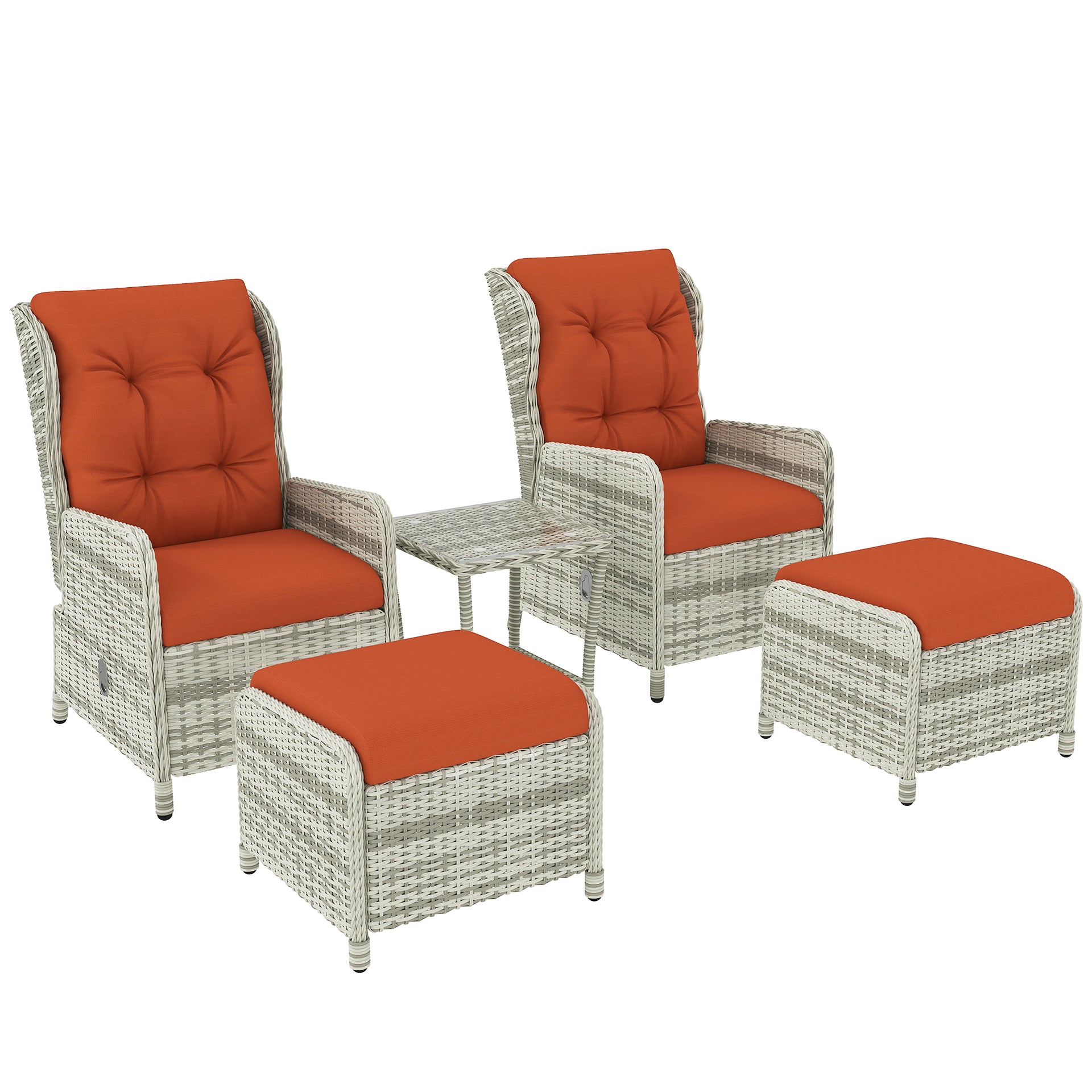
:strip_icc()/better-homes--gardens-bellamy-2-pack-outdoor-wicker-club-lounge-chairs-gray-cushions-with-patio-cover-43b3678d81804ef281cfa61c752a672a.jpg)
Credit: www.liftingitalia.com
Frequently Asked Questions
How Can I Attach Cushions To Outdoor Furniture?
Use adhesive Velcro strips or outdoor double-sided tape. These options hold cushions firmly without damaging fabric or furniture. Ensure surfaces are clean and dry before application for better adhesion and durability.
What Materials Work Best For Sticking Cushions Outdoors?
Velcro, outdoor tape, or zip ties work well. They resist moisture and sunlight, keeping cushions secure. Avoid regular glue as it may fail under outdoor conditions.
How Do I Prevent Cushions From Slipping On Outdoor Chairs?
Attach non-slip pads or use Velcro strips under cushions. These methods increase friction and hold cushions in place during use and windy conditions.
Can I Use Glue To Stick Cushions To Outdoor Furniture?
Regular glue is not recommended as it may weaken outdoors. Instead, use outdoor-rated adhesives or Velcro for a reliable, weather-resistant bond.
Conclusion
Sticking cushions to outdoor furniture keeps them neat and comfortable. Use strong, weatherproof materials for best results. Secure cushions well to avoid slipping in wind or rain. Check the attachments regularly for wear and tear. A simple fix can extend your outdoor furniture’s life.
Enjoy your cozy, tidy space all season long. Small efforts make a big difference outside. Keep cushions in place and relax with ease.