You’ve spent time and money picking out the perfect outdoor furniture to create your ideal backyard space. But when the wind picks up, your chairs and tables start moving, tipping over, or even blowing away.
It’s frustrating and can cause damage or injury. What if you could keep your furniture exactly where it belongs, no matter how strong the breeze gets? You’ll discover simple and effective ways to stop your outdoor furniture from blowing away, so you can relax and enjoy your space worry-free.
Keep reading to find easy solutions that work for every type of outdoor setup.

Credit: capitalcaptions.com
Choose Heavy Furniture
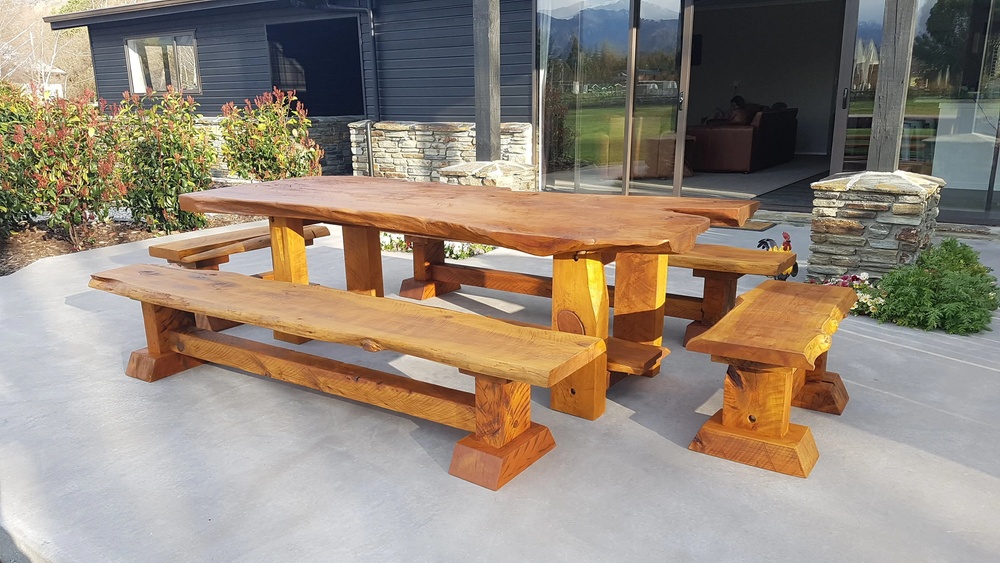
Choosing heavy furniture is one of the best ways to stop outdoor pieces from blowing away. Heavy furniture stays put during windy days. It offers stability and safety. This choice reduces the risk of damage and loss. Picking the right weight and material is key to keeping your outdoor space comfortable and secure.
Materials That Resist Wind
Some materials naturally resist wind better than others. Wrought iron is strong and heavy. Concrete furniture adds a lot of weight and durability. Teak wood is dense and can be quite heavy too. Stone pieces provide great stability and last long. These materials hold steady even on blustery days.
Weight Comparison Tips
Compare weights before buying outdoor furniture. Check the product label or ask the seller. Choose pieces that weigh more for better wind resistance. A heavy table and chairs set is less likely to move. Avoid lightweight plastic or aluminum pieces unless you secure them. Balance weight with comfort and style for the best fit.
Credit: sunnydazedecor.com
Secure With Weights
Securing outdoor furniture with weights keeps it stable during strong winds. Weights add extra hold, stopping furniture from blowing away. This method works well for all types of outdoor furniture.
Using Sandbags And Weights
Sandbags are heavy and easy to use. Place them on chair legs or under table corners. They provide strong support without damaging furniture.
Other weights include metal or concrete blocks. These can fit under furniture legs or be tied to frames. They hold furniture down firmly on windy days.
Diy Weight Solutions
Create your own weights using household items. Fill old bags with sand, stones, or soil. Tie the bags securely and place them on furniture legs.
Another idea is to use water bottles filled with water or sand. Attach these bottles to furniture legs or frames for added weight.
Anchor Furniture To Ground
Anchoring outdoor furniture to the ground stops it from blowing away. Strong winds can move light furniture, causing damage. Fixing furniture in place keeps your outdoor space safe. It also saves money by avoiding frequent replacements.
Use simple tools and methods to anchor furniture. Focus on steady, secure attachments to the ground. This way, your furniture stays put during strong gusts.
Using Ground Stakes
Ground stakes are easy to use and effective. Push or hammer stakes into the soil near furniture legs. Attach straps or cords from the furniture to the stakes. This holds the furniture firmly to the earth. Choose sturdy stakes made of metal or heavy plastic. Check that the soil is soft enough for stakes. Hard or rocky soil needs special anchors.
Attaching Anchors Safely
Secure anchors without damaging your furniture. Use wide straps or ropes to avoid scratches. Tie anchors tightly but not too tight. Allow slight movement to prevent stress on furniture parts. Inspect anchors regularly for wear or loosening. Replace any worn parts quickly to keep safety high. Avoid sharp edges that can cut straps or ropes. Safe attachment keeps your furniture stable and intact.
Use Furniture Straps
Using furniture straps is a smart way to keep outdoor furniture safe from strong winds. These straps hold the furniture tight and stop it from moving or blowing away. They are easy to use and can protect your furniture during storms or windy days.
Choosing Durable Straps
Pick straps made from strong materials like nylon or polyester. These materials resist weather damage and last longer. Check for straps with metal buckles or clips for extra strength. Avoid thin or weak straps that can break easily.
Proper Strap Installation
Wrap the strap around the furniture and a fixed object like a fence or post. Tighten the strap so the furniture stays firm but avoid over-tightening. Secure the buckle or clip to lock the strap in place. Check the straps regularly to keep them tight and safe.
Position Near Windbreaks
Placing outdoor furniture near windbreaks helps keep it safe from strong winds. Windbreaks reduce the force of the wind around your seating area. This simple step lowers the risk of furniture tipping or blowing away. You can use natural or artificial windbreaks to protect your outdoor space.
Natural Wind Barriers
Trees, shrubs, and tall plants make good natural wind barriers. They slow down the wind by blocking its path. Evergreen trees work well because they stay full all year. Planting bushes around your patio creates a cozy, sheltered spot. Natural barriers also add beauty and privacy to your yard.
Building Artificial Windbreaks
Fences, screens, or walls act as strong artificial windbreaks. Place these barriers near your furniture to block the wind. Use materials like wood, metal, or vinyl for durability. You can also buy fabric wind screens for easy setup. Artificial windbreaks offer quick protection and can fit any space.
Cover And Store During Storms
Storms can bring strong winds that easily blow away outdoor furniture. Covering and storing your furniture during storms helps protect it. This simple step keeps your items safe and in good shape. It also saves money on repairs or replacements. Preparing your furniture before bad weather starts is a smart move.
Protective Covers
Use covers made from waterproof and durable material. They shield furniture from wind, rain, and dust. Covers fit tightly to stop the wind from getting underneath. Look for covers with straps or ties for a secure hold. Clean and dry furniture before covering to avoid mold. Store covers in a dry place when not in use to keep them in good condition.
Safe Storage Options
Move furniture to a garage, shed, or basement during storms. These spaces protect items from strong winds and heavy rain. If indoor storage is not available, place furniture against a wall or heavy structure. Grouping items together helps reduce movement from wind. Use heavy objects or weights to hold down furniture on decks or patios. Always check local weather alerts and act early to protect your outdoor furniture.
Regular Maintenance
Regular maintenance keeps outdoor furniture strong and safe. It helps prevent damage caused by wind and weather. Taking time to check and fix your furniture regularly stops it from blowing away.
Simple upkeep extends the life of your furniture. It also keeps your outdoor space looking neat and inviting. Small efforts can save you from costly repairs or replacements later.
Checking For Wear And Tear
Look closely at your furniture for cracks, rust, or loose joints. These signs show the furniture is weakening. Inspect wood for splinters or rot. Metal parts may need rust removal and repainting. Catching problems early helps avoid bigger damage.
Reinforcing Loose Parts
Tighten screws, bolts, and nails to make furniture sturdy. Use extra brackets or braces on weak spots. Glue or wood filler can fix small cracks. Secure cushions or covers with ties or straps. Reinforcing parts prevents the furniture from falling apart in strong winds.
Credit: www.chairup.com
Frequently Asked Questions
How Can I Weigh Down Outdoor Furniture Effectively?
Use heavy items like sandbags or patio weights. Secure furniture legs with these weights to prevent movement in strong winds.
What Materials Help Keep Outdoor Furniture Stable?
Materials like wrought iron, concrete, and heavy wood resist wind. Choose furniture made of these for better stability outdoors.
Are Furniture Anchors Useful For Outdoor Pieces?
Yes, anchors secure furniture to decks or patios. They prevent toppling or blowing away during storms or strong winds.
Can Furniture Covers Protect Against Wind Damage?
Covers prevent debris buildup and reduce wind impact. Use fitted, heavy-duty covers to shield furniture and keep it in place.
Conclusion
Keeping outdoor furniture from blowing away takes simple steps. Use heavy weights or secure straps for stability. Place furniture in sheltered spots when strong winds blow. Regularly check and tighten any loose parts. These small actions protect your furniture and save money.
Enjoy your outdoor space without worry. Stay safe and keep your furniture in place. Simple care goes a long way.