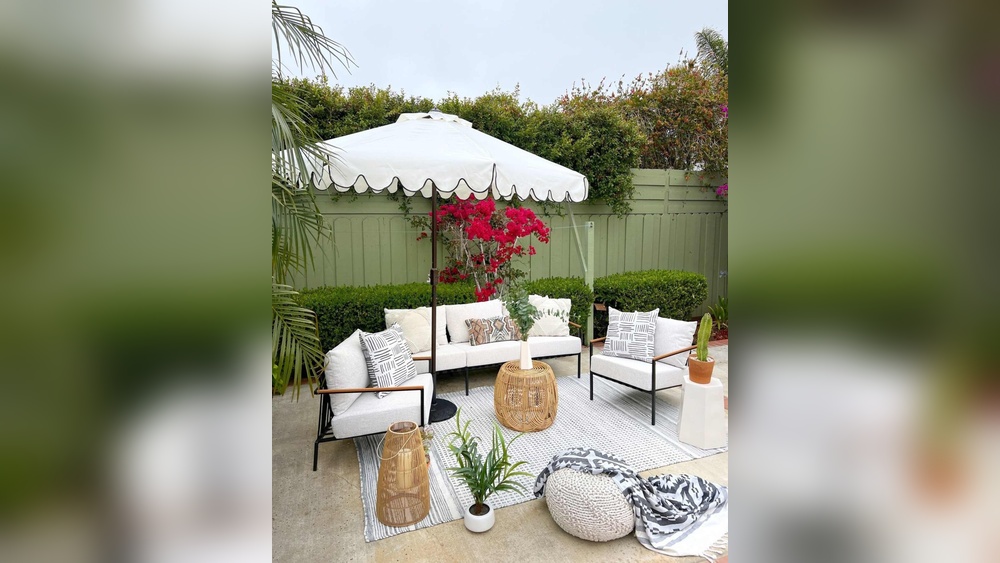
Have you ever noticed those stubborn dark spots creeping onto your outdoor furniture? Mold can turn your favorite relaxing spot into an eyesore and even cause damage if left unchecked.
Understanding what causes mold on your outdoor furniture is the first step to keeping it clean and fresh. You’ll discover the surprising reasons behind mold growth and simple ways to protect your furniture. Keep reading—you’ll soon know exactly how to stop mold from taking over your outdoor space.
Credit: www.patioproductions.com
Common Mold Sources
Mold grows on outdoor furniture for several common reasons. Understanding these helps prevent mold growth and keeps furniture clean. Mold spores need certain conditions to thrive. These conditions often come from nature and how furniture is cared for.
Moisture And Humidity
Mold loves damp places. Rain, dew, and watering plants create moisture on furniture. High humidity in the air also makes surfaces wet. Wet surfaces give mold spores the perfect place to grow. Even small amounts of water can cause mold over time.
Organic Debris
Leaves, dirt, and pollen fall on furniture. These materials hold moisture and feed mold spores. Leftover food or plant matter also adds to the problem. Organic debris creates a soft bed for mold to start growing.
Poor Ventilation
Air must move around furniture to keep it dry. Tight spaces or crowded areas stop air flow. Without fresh air, moisture stays trapped. This trapped moisture helps mold grow quickly on surfaces.
Credit: www.furnituremaxi.com
Materials Prone To Mold
Mold grows on outdoor furniture when moisture stays on the surface. Certain materials absorb water or trap dampness. These materials create the perfect home for mold. Understanding which materials are prone to mold helps protect your furniture. Different materials hold moisture differently, affecting mold growth.
Wood Furniture
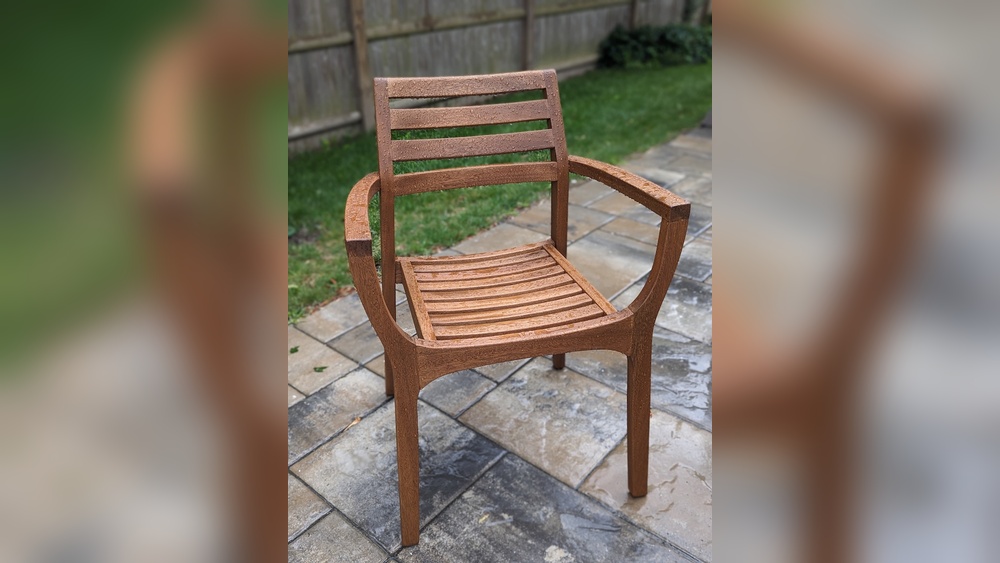
Wood absorbs water easily. Outdoor wood furniture can stay damp after rain or watering plants. This moisture invites mold to grow on the surface and inside the wood. Rough or untreated wood is even more likely to develop mold. Regular sealing or painting helps reduce mold growth.
Fabric Cushions
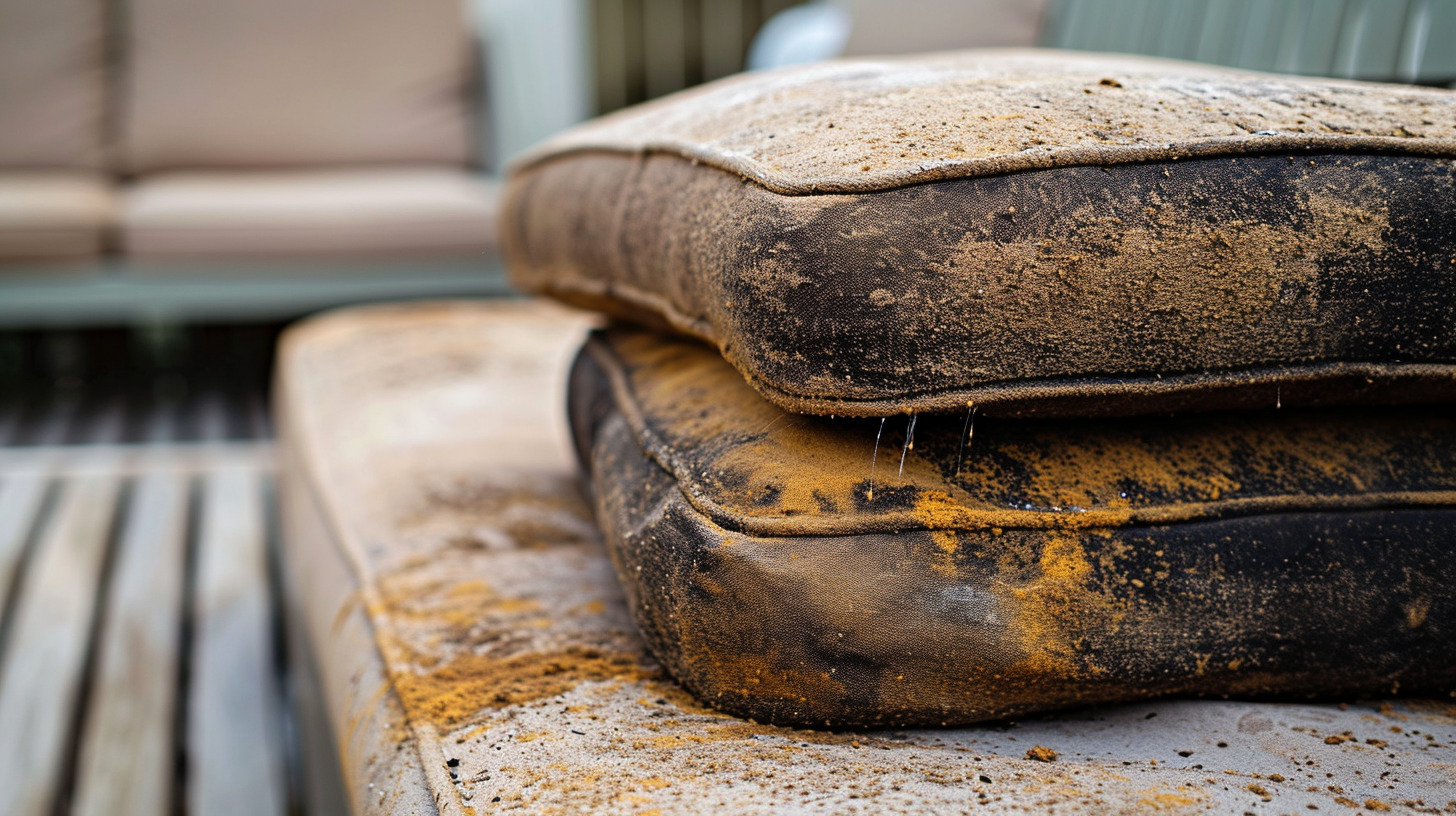
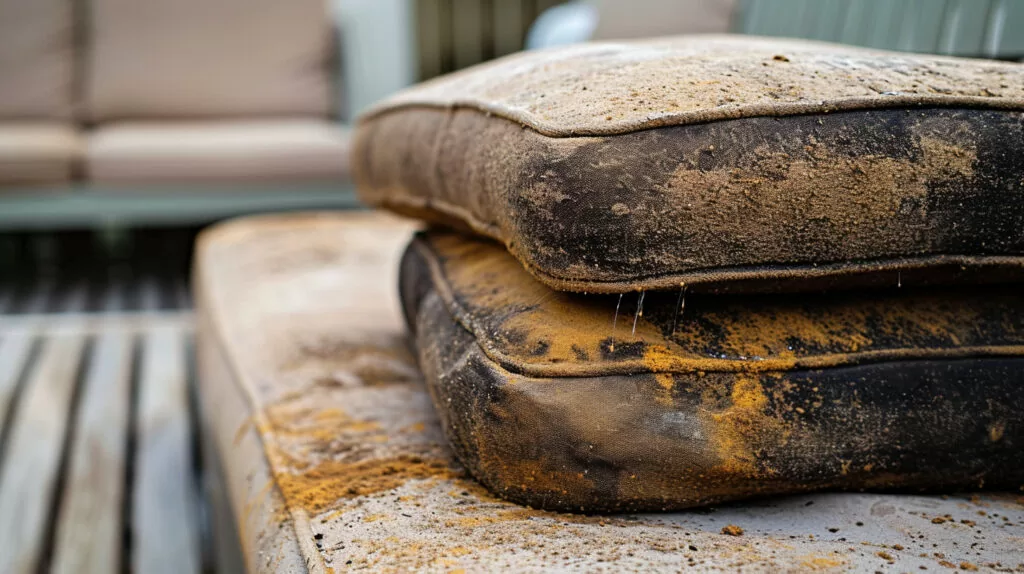
Fabric cushions soak up water from rain or dew. When wet, mold spores find a soft place to grow. Cushions left outside without drying quickly become moldy. Dark spots and musty smells show mold growth. Using water-resistant covers can lower mold risks.
Plastic And Metal Surfaces
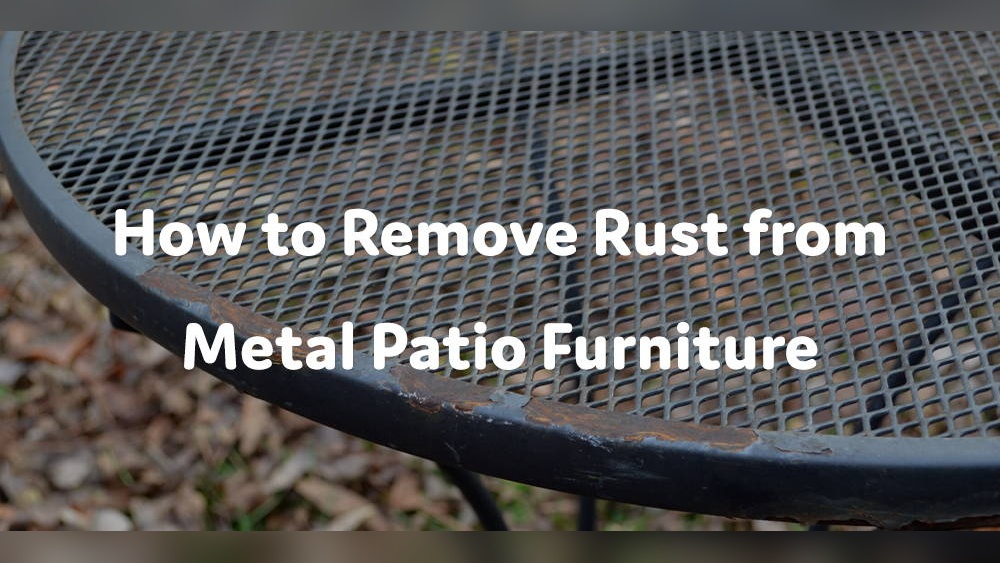
Plastic and metal do not absorb water. But mold can still grow on their surfaces. Dirt and organic material on plastic or metal hold moisture. This creates a slimy layer where mold thrives. Cleaning these surfaces often prevents mold buildup.
Environmental Factors
Outdoor furniture often faces mold growth due to various environmental factors. These conditions create the perfect setting for mold spores to settle and grow. Understanding these factors helps protect your furniture and keep it clean.
Shaded Areas
Shaded spots on your patio or garden stay damp longer. Without sunlight, moisture does not evaporate quickly. Mold loves these cool, moist places and grows easily on furniture there.
Rain Exposure
Rain adds moisture to outdoor furniture regularly. Water seeps into cracks and crevices. If the furniture does not dry fast, mold can develop and spread.
Nearby Vegetation
Plants and trees near furniture increase humidity around it. Leaves and soil hold moisture close to surfaces. This wet environment encourages mold growth on the furniture.
Credit: www.patioproductions.com
Health And Furniture Risks
Mold on outdoor furniture is more than just an eyesore. It can cause health problems and damage your furniture over time. Understanding these risks helps you take action early. Protect your health and keep your furniture looking good.
Allergies And Respiratory Issues
Mold releases tiny spores into the air. These spores can cause allergies in many people. Sneezing, coughing, and itchy eyes are common symptoms. People with asthma or weak lungs may have more serious problems. Breathing in mold spores can worsen their condition quickly.
Structural Damage
Mold feeds on organic materials like wood and fabric. It breaks down these materials, making them weak and brittle. Over time, mold can cause cracks and holes in furniture. This damage reduces the furniture’s strength and lifespan. Repairing mold damage can be costly and time-consuming.
Aesthetic Impact
Mold creates dark spots and stains on furniture surfaces. These spots look dirty and unpleasant. Mold can also cause a musty smell that is hard to remove. Dirty, smelly furniture reduces the enjoyment of outdoor spaces. Cleaning mold early keeps your furniture fresh and inviting.
Preventive Measures
Preventing mold on outdoor furniture is easier than removing it later. Taking simple steps helps keep your furniture clean and mold-free. These steps reduce moisture and dirt, which mold needs to grow. Follow these easy methods to protect your outdoor pieces all year.
Regular Cleaning
Clean your outdoor furniture often. Use mild soap and water to remove dirt and dust. Scrub gently with a soft brush or cloth. Rinse well and let it dry completely. Regular cleaning stops mold spores from settling and growing.
Proper Storage
Store furniture in a dry place during bad weather. Avoid leaving it outside in rain or damp conditions. Use a shed or garage if possible. Proper storage keeps moisture away, which is key to preventing mold. Make sure furniture is dry before storing.
Use Of Protective Covers
Cover your furniture with breathable covers when not in use. Covers block rain and dew but allow air to flow. This stops moisture from building up underneath. Choose covers made for outdoor furniture for best results. Remove covers occasionally to air out the furniture.
Mold Removal Techniques
Mold on outdoor furniture is a common problem. It can make your furniture look bad and smell musty. Removing mold quickly keeps your furniture safe and clean. Several techniques can help remove mold effectively. You can try simple home methods or seek professional help.
Knowing the right way to clean mold helps protect your furniture from damage. Some mold stains need strong treatments. Others can be handled with gentle cleaning solutions. Understanding these options helps you choose the best method for your furniture.
Diy Cleaning Solutions
For light mold, try cleaning with soap and water. Use a soft brush to scrub the surface gently. Mix one cup of white vinegar with one cup of water. Spray this solution on moldy areas and let it sit for an hour. Rinse with clean water and dry completely in sunlight.
Baking soda is another good option. Mix two tablespoons with water to make a paste. Apply to mold spots and scrub softly. Rinse well and dry. These natural cleaners work well for plastic, wood, and metal furniture.
Professional Treatments
Stubborn mold may need professional cleaning. Experts use special chemicals and tools. These treatments kill mold deeply and remove stains. Professionals also apply sealants to stop mold from returning. This is best for valuable or delicate furniture.
Professional services often include inspection to find hidden mold. They can advise how to keep your furniture mold-free. This helps save money in the long run by preventing damage.
When To Replace Furniture
Sometimes, mold damage is too severe to fix. If mold has deeply soaked wood or fabric, replacement may be necessary. Cracked or broken furniture with mold is unsafe to use. Mold can cause health problems if ignored.
Consider replacing furniture if mold returns quickly after cleaning. This means the material cannot resist mold growth. Choosing new furniture made with mold-resistant materials is a smart choice.
Frequently Asked Questions
What Causes Mold Growth On Outdoor Furniture?
Mold grows on outdoor furniture due to moisture, humidity, and lack of sunlight. Organic materials like wood and fabric trap moisture, creating an ideal environment for mold spores to thrive and spread.
How Does Humidity Affect Mold On Outdoor Furniture?
High humidity levels increase moisture retention on furniture surfaces. This moisture promotes mold growth by providing the damp conditions mold spores need to develop and multiply on outdoor furniture.
Can Poor Ventilation Cause Mold On Outdoor Furniture?
Yes, poor ventilation traps moisture around furniture, preventing it from drying. This stagnant, damp environment encourages mold growth, especially in shaded or enclosed outdoor spaces.
Does Furniture Material Impact Mold Growth?
Yes, porous materials like wood and fabric absorb moisture easily, fostering mold growth. Non-porous materials like metal or plastic resist mold better but can still develop mold if dirt and moisture accumulate.
Conclusion
Mold grows on outdoor furniture because of moisture and dirt. Warm, damp places help mold spores spread quickly. Lack of sunlight and poor air flow also cause mold to form. Regular cleaning and drying can keep furniture mold-free. Using covers or storing furniture inside helps too.
Understanding what causes mold helps protect your outdoor space. Keep your furniture clean and dry for longer use. Simple care prevents mold problems and keeps your space fresh.