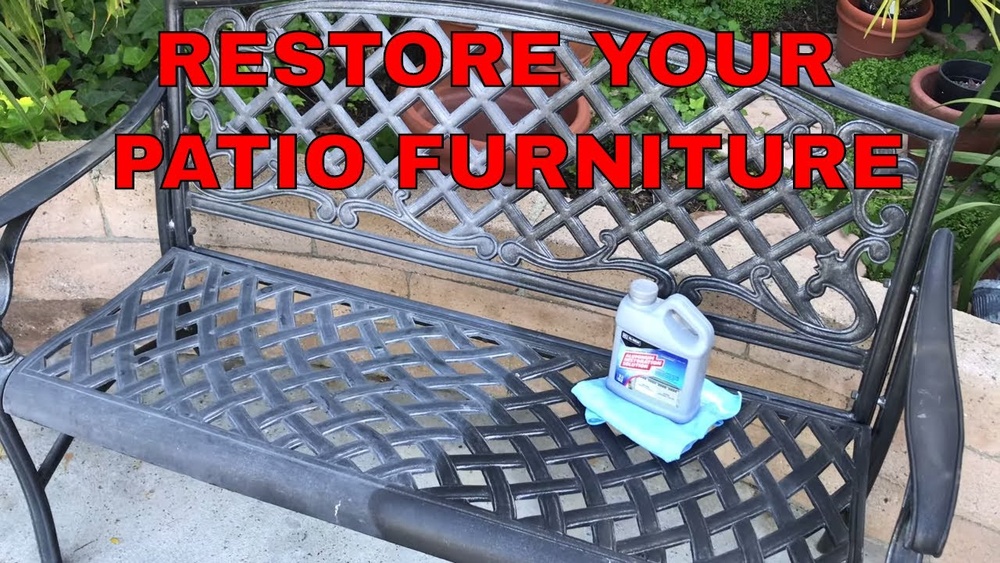
If you have aluminum outdoor furniture, you know how important it is to keep it looking great and lasting for years. But aluminum can face challenges like rust, fading, or wear from weather.
How do you treat aluminum to protect it and keep your furniture shining? This guide will show you simple, effective steps you can take to care for your aluminum pieces. By the end, you’ll have the know-how to make your outdoor furniture stronger, more durable, and ready to impress—season after season.
Keep reading to discover easy tips that will save you time, money, and frustration.
Credit: www.dcpaintsolutions.com
Choosing The Right Aluminum
Choosing the right aluminum is key for outdoor furniture. This metal must stand up to weather and wear. Not all aluminum types work well outside. Knowing the benefits and types helps pick the best one. This choice extends the life of your furniture and keeps it looking good.
Benefits Of Aluminum For Outdoor Use
Aluminum resists rust and corrosion naturally. It stays strong even in rain or sun. This metal is light, making furniture easy to move. It needs little upkeep, saving time and money. Aluminum also looks sleek and modern. These traits make it popular for outdoor settings.
Types Of Aluminum Alloys
Aluminum alloys mix aluminum with other metals. This mix changes strength and resistance. Some alloys suit outdoor furniture better than others. The 6000 series alloys, like 6061, offer good strength and corrosion resistance. The 5000 series, such as 5052, is also durable outside. Choose alloys designed for weather exposure. This choice ensures long-lasting furniture.
Cleaning Aluminum Furniture
Cleaning aluminum furniture is essential to keep it looking fresh and new. Dirt, dust, and other particles can build up over time. This buildup can cause the surface to look dull and worn. Regular cleaning helps maintain the metal’s shine and protects it from damage. It also extends the furniture’s life, especially outdoors.
Removing Dirt And Debris
Start by removing loose dirt and debris. Use a soft brush or cloth to sweep away dust. For stubborn dirt, rinse the furniture with water. This step prevents scratching the surface during cleaning. Make sure to clean all corners and crevices. Dry the furniture with a soft towel before the next step.
Using Mild Detergents
Choose a mild detergent to clean aluminum furniture safely. Mix a small amount of soap with warm water. Use a soft sponge or cloth to apply the solution. Gently scrub the surface to remove grime and stains. Rinse the furniture thoroughly with clean water. Dry it completely to avoid water spots.
Avoiding Harsh Chemicals
Harsh chemicals can damage aluminum furniture. Avoid bleach, ammonia, or strong acids. These chemicals may cause discoloration and corrosion. Stick to gentle cleaning agents for the best results. Protect the furniture by using only safe and approved cleaners. This helps keep the aluminum smooth and shiny.
Surface Preparation
Preparing the surface of aluminum is key for long-lasting outdoor furniture. Clean and smooth surfaces help paint or coatings stick better. This step stops rust and damage from weather. Taking time to prepare the aluminum well saves effort later.
Sanding Techniques
Start by sanding the aluminum surface gently. Use fine-grit sandpaper to avoid scratches. Sand in a circular motion for even results. This removes small imperfections and roughens the metal slightly. It creates a good base for paint or sealants to hold onto. Clean off dust after sanding with a soft cloth.
Removing Oxidation
Aluminum can develop a dull, white layer called oxidation. This layer blocks paint from sticking properly. Use a mixture of vinegar and water or a commercial aluminum cleaner. Apply with a soft brush or cloth. Rub gently until the oxidation disappears. Rinse with water and dry fully before moving on.
Prepping For Coating
Before coating, make sure the surface is dry and clean. Wipe the aluminum with a cloth dampened in rubbing alcohol. This removes oils and dust left behind. Check for any dents or holes and fill them with metal filler. Sand smooth after drying. Now the surface is ready for primer or paint.
Protective Coatings
Protective coatings help keep aluminum outdoor furniture safe from weather damage. They prevent rust, fading, and scratches. These coatings also make cleaning easier and extend furniture life. Choosing the right coating depends on your budget and style preferences.
Anodizing Aluminum
Anodizing adds a tough, natural layer to aluminum surfaces. It increases corrosion resistance and wear protection. This process uses an electric current to thicken the metal’s oxide layer. Anodized aluminum keeps its color and shine longer outdoors. It is a low-maintenance option that looks sleek and modern.
Applying Powder Coating
Powder coating sprays dry paint powder onto aluminum. Heat melts the powder, creating a smooth, hard finish. This finish resists chipping, scratching, and fading. Powder coating comes in many colors and textures. It provides strong protection and a vibrant look for outdoor furniture.
Using Clear Sealants
Clear sealants offer a simple way to protect aluminum. They form a transparent barrier against moisture and dirt. Sealants keep aluminum shiny without changing its color. Applying sealants regularly helps prevent oxidation and discoloration. This method is affordable and easy to do at home.
Painting Aluminum Furniture
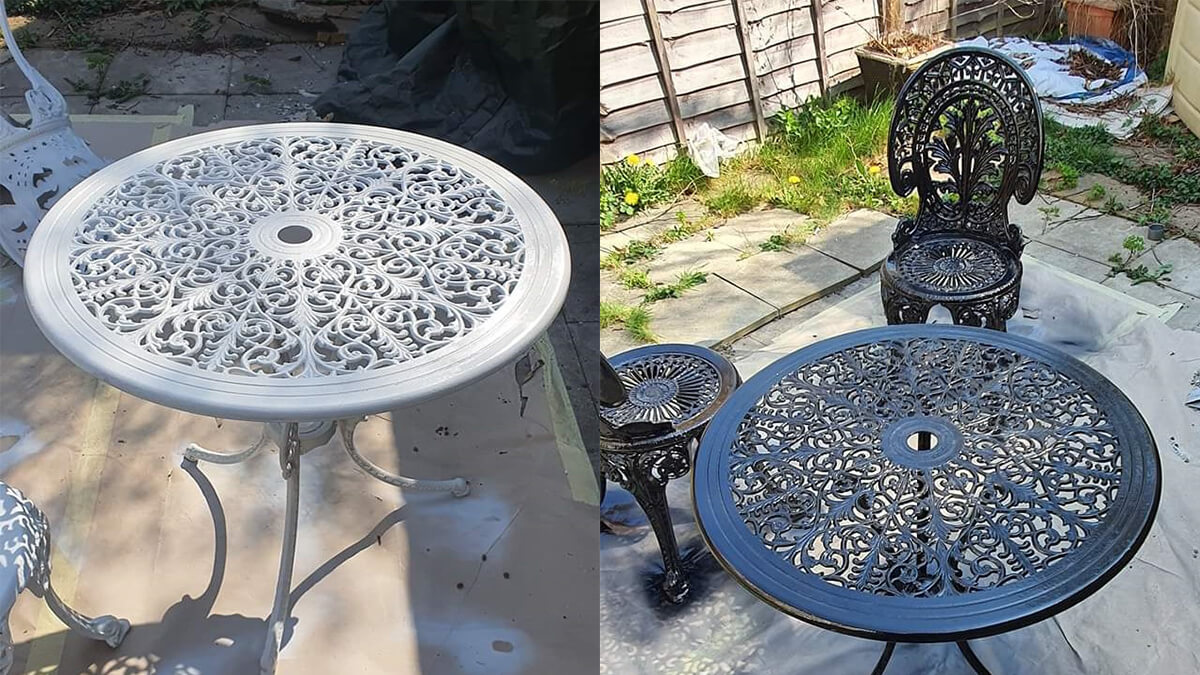
Painting aluminum furniture refreshes its look and protects it from weather. It stops rust and extends the life of the furniture. Proper painting makes outdoor pieces more attractive and durable.
Choosing The Right Paint
Select paint made for metal or aluminum surfaces. Look for outdoor paint that resists fading and peeling. Acrylic latex paint works well. Avoid regular wall paint; it won’t last outside.
Priming Steps
Clean the furniture with soap and water. Remove dirt, grease, and old paint flakes. Sand the surface lightly to create roughness. Use a metal primer designed for aluminum. Apply evenly and let it dry completely.
Application Tips
Use a brush or spray for even paint coverage. Apply thin coats instead of one thick coat. Let each coat dry before adding the next. Paint in a well-ventilated area, away from dust. Finish with a clear sealant for extra protection.

Credit: shop4patio.com
Maintenance Tips
Maintaining aluminum outdoor furniture keeps it looking fresh and strong. Small efforts can prevent damage and extend its life. Follow simple steps regularly to protect your investment.
Regular Cleaning Routine
Clean aluminum furniture with mild soap and water. Use a soft cloth or sponge to avoid scratches. Rinse thoroughly to remove soap residue. Dry with a clean towel to prevent water spots. Do this every few weeks to keep dirt away.
Spot Repairs
Check for scratches or dents after use. Lightly sand small scratches with fine sandpaper. Apply touch-up paint designed for aluminum to cover marks. Fix dents by gently pushing them out if possible. Quick repairs stop rust and keep furniture neat.
Seasonal Care
Before winter or rainy seasons, store furniture in a dry place if possible. Use covers made for outdoor furniture to protect from rain and snow. Remove covers on sunny days to prevent moisture buildup. Inspect for damage after harsh weather and clean again.
Preventing Corrosion
Aluminum outdoor furniture faces a common challenge: corrosion. This happens when metal reacts with water or air, causing damage. Preventing corrosion helps keep your furniture strong and looking good for years. Simple steps can make a big difference in protecting aluminum from rust and wear.
Avoiding Moisture Traps
Water can get stuck in small gaps and joints of aluminum furniture. These moisture traps cause corrosion over time. Check furniture regularly for places where water collects. Wipe down wet surfaces after rain or cleaning. Avoid placing furniture directly on damp ground. Use rubber or plastic feet to lift legs off the soil. These steps help keep your furniture dry and safe.
Using Protective Covers
Covers block rain, dew, and dust from reaching aluminum. Choose covers made from breathable materials to stop moisture buildup underneath. Avoid plastic sheets that trap water and cause corrosion. Use covers whenever furniture is not in use. This simple habit protects metal surfaces and paint. It also reduces cleaning time and prevents fading from sun exposure.
Storing Furniture Properly
Proper storage extends the life of aluminum furniture. Store pieces in a dry, covered place during winter or long breaks. If indoor space is limited, use a sturdy shed or garage. Clean and dry furniture before storing to remove dirt and moisture. Stack cushions separately to prevent mold. Good storage reduces corrosion risks and keeps your furniture ready for outdoor use.

Credit: www.youtube.com
Eco-friendly Treatment Options
Choosing eco-friendly treatment options for aluminum outdoor furniture protects both your pieces and the environment. These methods keep your furniture looking good without harmful chemicals. They also help reduce pollution and waste. Sustainable care extends the life of your furniture naturally.
Natural Cleaning Agents
Use simple natural cleaners like vinegar and baking soda. Mix vinegar with water for a gentle, effective cleaner. Baking soda can scrub away dirt without scratching the surface. These agents avoid harsh chemicals that damage aluminum and the environment. Clean your furniture regularly to prevent buildup and corrosion.
Low-voc Coatings
Low-VOC (Volatile Organic Compounds) coatings protect aluminum without releasing toxic fumes. These paints and sealants are safer for you and nature. They create a strong barrier against rust and fading. Choose coatings labeled as low-VOC to maintain healthy outdoor air quality.
Sustainable Maintenance Practices
Keep your aluminum furniture in good shape with simple habits. Cover furniture when not in use to shield it from rain and sun. Use soft cloths for cleaning to avoid scratches. Repair minor damages quickly to stop rust from spreading. These small steps save resources and keep your furniture strong longer.
Frequently Asked Questions
How Do I Clean Aluminum Outdoor Furniture Before Treatment?
Clean aluminum furniture with mild soap and water. Use a soft brush to remove dirt and grime. Rinse thoroughly and dry completely before applying any treatment. This ensures better adhesion and durability of the protective coating.
What Is The Best Way To Prevent Aluminum Corrosion Outdoors?
Apply a clear protective sealant or powder coating to prevent corrosion. Regularly clean and inspect the furniture for signs of wear. Cover or store furniture during harsh weather to extend its lifespan and maintain its appearance.
Can I Use Paint To Treat Aluminum Outdoor Furniture?
Yes, use paint specially formulated for metal surfaces. Apply a primer designed for aluminum first. This improves paint adhesion and prevents peeling. Finish with a weather-resistant topcoat for lasting protection and aesthetic appeal.
How Often Should I Treat Aluminum Furniture For Outdoor Use?
Treat aluminum furniture once every 1-2 years. Frequency depends on exposure to weather and wear. Regular maintenance keeps the furniture looking new and prevents damage from oxidation and corrosion.
Conclusion
Treating aluminum for outdoor furniture helps it last longer and look better. Clean the surface well before applying protective coatings. Use paint or sealant made for metal to stop rust. Regular maintenance keeps your furniture strong and fresh. Small steps prevent big damage over time.
Enjoy your outdoor space without worry. Simple care makes aluminum furniture a smart choice.


