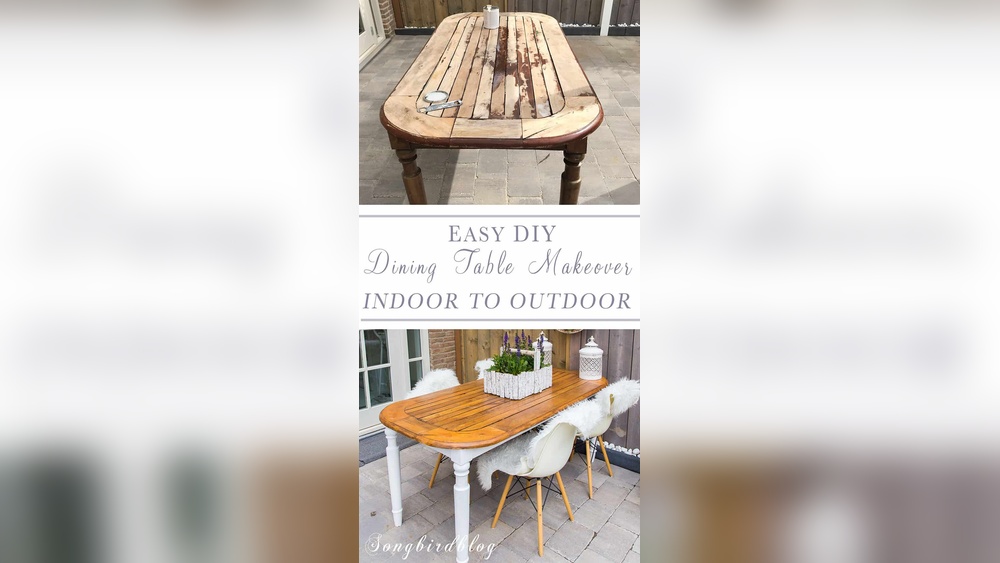
Are you ready to take your favorite indoor wood furniture outside but worry about it getting damaged? Wood is beautiful but sensitive to rain, sun, and moisture.
Without the right protection, your furniture could warp, crack, or lose its charm. The good news? You can easily waterproof your indoor wood pieces to keep them looking great outdoors. In this guide, you’ll discover simple, effective steps to shield your wood furniture from the elements.
Keep reading, and you’ll learn how to enjoy your stylish pieces outside without the stress of weather damage.
Credit: www.cravingsomecreativity.com
Choosing The Right Wood
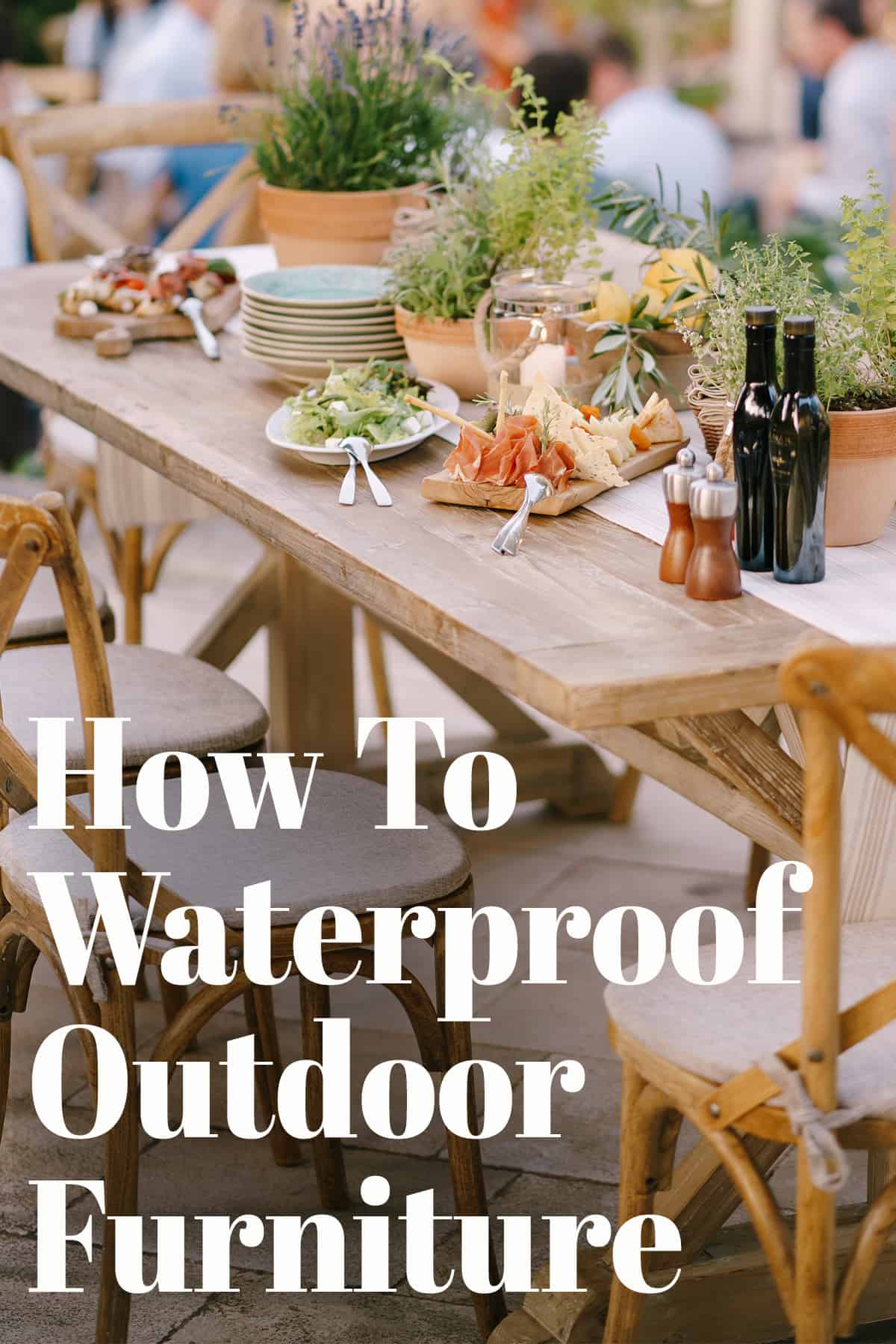
Choosing the right wood is key to making indoor furniture last outdoors. Not all wood handles weather well. Some types resist water and decay better. Selecting the best wood helps protect your furniture from damage. It also reduces the need for frequent repairs or replacements.
Best Wood Types For Outdoor Use
Cedar and redwood are popular choices. They naturally resist moisture and insects. Teak is strong and holds up well in rain. Pine is affordable but needs good sealing. Cypress offers good durability and looks nice. Choose wood with tight grains for less water absorption.
Wood Preparation Tips
Start by cleaning the wood surface. Remove dirt, dust, and old finishes. Sand the wood smoothly to open pores for sealant. Fill cracks or holes with wood filler. Let the wood dry completely before applying any coating. Proper preparation helps the waterproofing last longer.

Credit: www.resortchairs.com
Essential Tools And Materials
Waterproofing indoor wood furniture for outdoor use needs the right tools and materials. Using the best supplies helps protect your furniture from rain, sun, and moisture. It also keeps the wood looking good for a long time.
Choosing the right products and tools makes the job easier and more effective. Below are the essential items to gather before starting your waterproofing project.
Waterproofing Products
Start with a wood sealant or waterproofing finish. These products create a protective layer on the wood surface. Look for sealants made for outdoor use. Options include varnish, polyurethane, and marine-grade sealers. Some sealants also protect against UV rays. This stops the wood from fading or cracking in sunlight.
Wood preservatives help prevent mold and mildew growth. These are important if your furniture will face damp conditions. Choose a product that is safe for indoor furniture converted for outdoor use.
Application Tools
Good tools make applying waterproofing products easier and neater. Use a high-quality brush with soft bristles for smooth coverage. Foam brushes also work well for smaller areas. A clean, lint-free cloth can help wipe off excess product.
Sandpaper is necessary for prepping the wood surface. Sanding removes old finishes and smooths rough spots. Use fine-grit sandpaper to avoid damaging the wood. Gloves protect your hands from chemicals. A well-ventilated workspace keeps fumes away.
Surface Preparation
Proper surface preparation is the first step to waterproof indoor wood furniture for outdoor use. It helps the waterproof coating stick better and last longer. Clean and smooth surfaces prevent peeling and damage from moisture. Taking time to prepare the furniture properly saves effort later.
Cleaning The Furniture
Start by removing dirt, dust, and grease from the wood surface. Use a soft cloth with mild soap and water. Avoid soaking the wood with too much water. Wipe gently to clean all corners and crevices. Let the furniture dry completely before moving to the next step. Clean surfaces improve the bond of waterproof coatings.
Sanding Techniques
Sanding smooths the wood and removes old finishes or rough spots. Use fine-grit sandpaper, around 120 to 150 grit. Sand along the wood grain to avoid scratches. Wipe away dust with a damp cloth after sanding. Smooth surfaces help waterproof layers stick better and create a neat finish. Do not skip this step for best results.
Applying Sealants And Finishes
Applying sealants and finishes is a key step to protect indoor wood furniture for outdoor use. Sealants create a barrier that stops water, dirt, and sun damage. Finishes add extra layers of protection and can enhance the wood’s look. Choosing the right product and applying it well ensures your furniture lasts longer outside.
Types Of Sealants
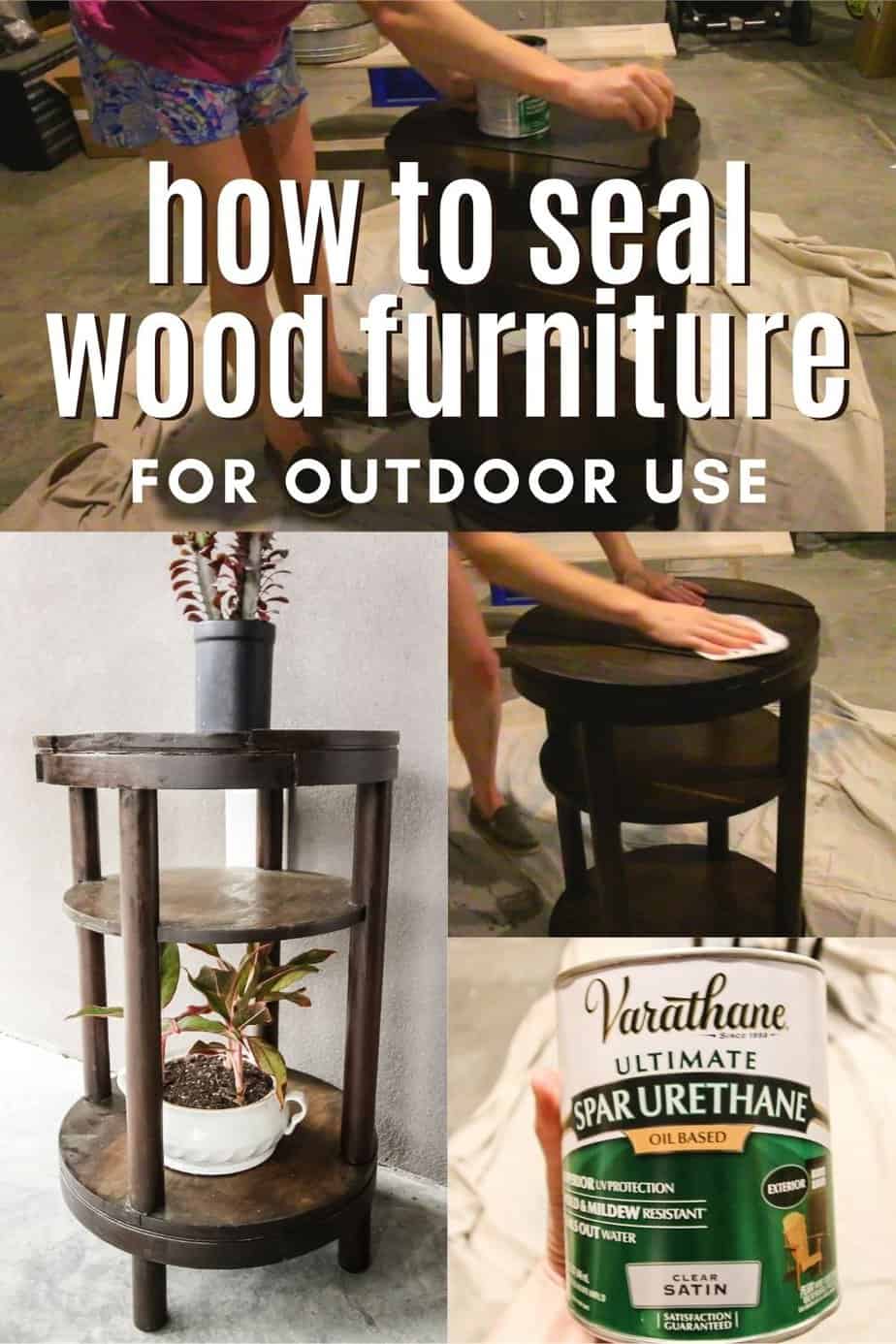
There are several sealant types for wood furniture. Polyurethane is a popular choice. It forms a hard, clear coat that resists water and scratches. Spar urethane works well outdoors. It stays flexible and handles temperature changes. Penetrating oils like teak oil soak into the wood. They protect from inside but need more frequent reapplication. Waterproof varnishes offer strong protection and come in different finishes, such as matte or glossy.
Step-by-step Application
Start by cleaning the furniture. Remove dust, dirt, and old finishes. Sand the wood with fine-grit sandpaper. Wipe it clean with a damp cloth. Apply the sealant with a brush or cloth. Use long, even strokes along the wood grain. Let the first coat dry completely. Lightly sand again to smooth the surface. Apply a second coat for better protection. Repeat for a third coat if needed. Be careful not to apply too thick layers. Thin coats dry better and last longer.
Drying And Curing Times
Drying time depends on the sealant type and weather conditions. Polyurethane usually dries in 4 to 6 hours. Spar urethane may take longer, up to 24 hours. Oils need several hours or overnight to dry. Avoid using the furniture until it fully cures. Curing can take days or weeks. This process hardens the finish and strengthens protection. Check product labels for exact drying and curing times. Patience ensures the best waterproof barrier.
Additional Protective Measures
Protecting indoor wood furniture for outdoor use needs more than just waterproofing. Extra steps help guard against weather and wear. These additional measures keep your furniture safe longer. They stop damage from rain, sun, and dirt.
Using Outdoor Covers
Outdoor covers shield your wood furniture from rain and dust. Choose covers made from water-resistant material. Make sure covers fit snugly to stop water from entering. Covers also protect against sun damage and fading. Use covers whenever furniture is not in use. This simple step extends the life of your wood furniture.
Elevating Furniture Off Ground
Keep wood furniture raised off the ground. Use blocks, bricks, or furniture risers. Elevation prevents water from pooling under the legs. It also stops moisture from seeping into the wood. Elevation improves air circulation around the furniture. This reduces chances of mold and rot forming. Small efforts like this protect your investment well.
Maintenance Tips For Longevity
Waterproofing indoor wood furniture for outdoor use is only the first step. Proper care keeps your furniture looking fresh and strong. Regular maintenance protects wood from weather damage and wear. Follow simple habits to extend the life of your pieces outdoors.
Regular Cleaning
Clean your wood furniture often. Use a soft brush or cloth to remove dust and dirt. Avoid harsh chemicals that can strip the sealant. Mild soap mixed with water works well. Rinse gently and dry with a soft towel. Clean surfaces prevent mold, mildew, and stains.
Reapplying Sealant
Sealant wears down over time. Check your furniture every few months for cracks or dull spots. Sand lightly before applying a new sealant layer. Use a waterproof sealant suitable for outdoor wood. Apply evenly and let it dry fully. Reapplying sealant keeps water out and wood safe.
Common Mistakes To Avoid
Waterproofing indoor wood furniture for outdoor use needs care. Many make simple mistakes that reduce protection and damage wood. Avoid these common errors to keep your furniture safe and looking good.
Skipping Surface Prep
Cleaning and sanding wood is very important. Dirt, dust, and old finishes stop waterproofing products from sticking well. Skipping this step leads to peeling and weak protection. Use fine sandpaper to smooth the surface. Remove all dust with a damp cloth. Let the wood dry before applying any product. This step helps the finish last longer and work better.
Choosing Inappropriate Products
Not all waterproofing products suit indoor wood furniture. Some products are too harsh and damage delicate wood. Others do not protect well against sun, rain, and humidity. Pick products made for wood and outdoor use. Look for water-based sealers or outdoor varnishes with UV protection. Avoid oils or waxes that wash away easily. Right products make your furniture strong and keep its natural look.
Credit: www.charlestoncrafted.com
Frequently Asked Questions
How Do I Prepare Wood Furniture For Waterproofing?
Start by cleaning the furniture thoroughly. Sand the surface to remove old finishes and rough spots. Wipe off dust and debris before applying any waterproof sealant for best results.
What Type Of Sealant Is Best For Outdoor Wood?
Use a high-quality waterproof sealant like spar urethane or exterior polyurethane. These products protect wood from moisture, UV rays, and temperature changes effectively.
How Many Coats Of Waterproof Sealant Should I Apply?
Apply at least two to three coats of sealant. Allow each coat to dry completely before applying the next for maximum protection.
Can Indoor Wood Furniture Withstand Outdoor Weather After Waterproofing?
Waterproofing improves resistance but doesn’t make furniture fully weatherproof. Cover or store furniture indoors during extreme weather for longer lifespan.
Conclusion
Waterproofing indoor wood furniture helps it last outside longer. Seal the wood well to stop water damage. Regularly check for cracks or peeling finish. Clean the furniture to keep it looking fresh. Use simple steps to protect your wood pieces.
Enjoy your furniture outdoors without worry. This keeps your space stylish and safe. Small efforts make a big difference over time. Try these tips to keep your wood dry and strong.