Have you ever looked at your indoor furniture and wondered if it could brighten up your outdoor space? Imagine enjoying the comfort of your favorite chair or sofa while soaking up the sun or hosting a backyard party.
But is it really possible to turn indoor furniture into outdoor furniture without ruining it? You’ll discover simple tips and clever tricks to make your indoor pieces work outside. Keep reading to find out how you can transform your space and save money, all while keeping your furniture safe and stylish.
Differences Between Indoor And Outdoor Furniture
Indoor and outdoor furniture serve different purposes. Their features reflect the environments they are made for. Understanding these differences helps decide if indoor furniture suits outdoor use.
Outdoor furniture must endure sun, rain, and wind. Indoor pieces focus more on comfort and style. These distinctions affect material choice, design, and durability.
Material Durability
Outdoor furniture uses materials like metal, teak, and synthetic wicker. These resist rust, rot, and insects. Indoor furniture often has wood, fabric, or soft cushions. These materials wear quickly outside.
Choosing durable materials is key for outdoor use. Indoor materials can break down fast under sun and moisture.
Weather Resistance
Outdoor furniture faces harsh weather daily. It has finishes and coatings to protect from UV rays and water. Indoor furniture lacks these protections. Rain or sun exposure can cause damage or fading.
Waterproof and UV-resistant features keep outdoor furniture strong. Indoor pieces need special treatment to survive outside.
Design And Comfort
Indoor furniture prioritizes comfort with plush cushions and soft fabrics. Outdoor furniture balances comfort with durability. Cushions are often water-resistant and quick-drying.
Designs differ too. Outdoor furniture focuses on practical shapes and easy cleaning. Indoor furniture has intricate details and delicate fabrics.
Assessing Indoor Furniture For Outdoor Use
Before moving indoor furniture outside, checking its suitability is key. Not all indoor pieces can handle outdoor conditions. Assessing material, structure, and care needs helps prevent damage and saves money.
Evaluate each piece carefully. Some furniture may survive outdoors with minor adjustments. Others might need extra protection or better materials. Careful assessment keeps your furniture safe and lasting longer.
Material Suitability
Indoor furniture often uses materials that do not resist weather well. Wood can warp or rot from rain and sun. Fabrics may fade or grow mold. Metals can rust without proper coating. Look for solid hardwoods, treated metals, or synthetic fibers if you want to try outdoor use.
Structural Stability
Outdoor furniture must handle wind and uneven ground. Indoor pieces may lack strong joints or heavy bases. Check if the frame feels sturdy. Test for wobbling or weak spots. Reinforce or replace parts to improve stability before using outside.
Maintenance Requirements
Outdoor furniture needs regular care to last. Indoor furniture might require more cleaning or sealing outdoors. Expect to clean dirt and dust often. Apply protective finishes or covers to prevent damage. Understand the effort needed to keep your furniture looking good outside.
Preparing Indoor Furniture For Outdoors
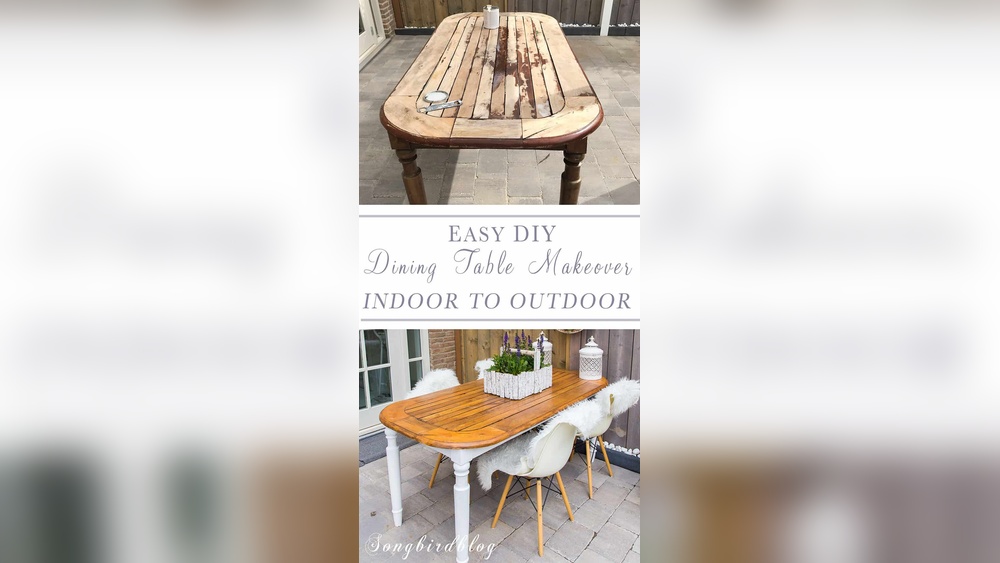
Turning indoor furniture into outdoor pieces can save money and add charm. Preparing furniture properly helps it last longer outside. Careful steps protect your items from weather damage. Follow these tips to get your furniture ready for outdoor use.
Cleaning And Repairing
Start by cleaning furniture thoroughly. Remove dust, dirt, and stains using mild soap and water. Let it dry completely before moving on. Check for loose screws, cracks, or broken parts. Fix any damage to keep furniture sturdy and safe. Small repairs prevent bigger problems later.
Applying Protective Coatings
Protective coatings shield furniture from moisture and sunlight. Use water-resistant sealants for wood surfaces. Apply a clear varnish or outdoor paint for extra protection. Metal furniture benefits from rust-proof spray coatings. Follow the product instructions carefully for best results. Reapply coatings every year to maintain durability.
Choosing Outdoor Fabrics
Indoor fabrics may fade or mildew outdoors. Choose fabrics designed for outdoor use like acrylic or polyester. These materials resist water, sun, and mildew better. Use cushion covers that can be removed and washed. Bright colors or patterns add style and hide dirt. Proper fabric choice keeps furniture looking fresh longer.
Credit: cottage-culture.ca
Best Indoor Furniture Types To Convert
Choosing the right indoor furniture to convert for outdoor use saves money and adds charm. Not all furniture types suit outdoor conditions. Some materials handle sun, rain, and wind better than others. Knowing which pieces work best helps create a cozy outdoor space without extra costs.
Wooden Pieces
Wood is a popular indoor furniture choice that can adapt outside. Hardwoods like teak, oak, and cedar resist moisture and insects well. These woods last longer outdoors with simple treatments. Use sealants or outdoor paint to protect wood from weather. Avoid softwoods unless properly sealed, as they absorb water quickly.
Metal Frames
Metal frames make strong outdoor furniture from indoor pieces. Steel and aluminum stand up well to sun and rain. Aluminum does not rust easily, ideal for outdoor use. Steel frames need a rust-resistant finish or paint. Check for signs of rust or damage before moving metal furniture outdoors.
Synthetic Materials
Synthetic materials like plastic and resin are great for outdoor use. They resist fading, moisture, and insect damage. Indoor furniture with synthetic parts can fit well outside. These materials require little maintenance and clean easily. Make sure synthetic furniture is sturdy and designed for weight and use.
Limitations And Risks
Turning indoor furniture into outdoor pieces sounds smart and saves money. Yet, there are clear limits and risks. Indoor furniture is not made for rough outdoor use. Expect problems with weather, pests, and warranties.
Weather Damage
Indoor furniture often uses materials that cannot handle sun, rain, or cold. Wood can crack or warp. Fabrics may fade or tear quickly. Moisture can cause swelling and paint peeling. These damages happen fast outside.
Pests And Mold
Outdoor spaces attract bugs and mold. Indoor furniture lacks protection against insects like termites. Mold grows on damp cushions and wood. This makes furniture unsafe and ugly. Cleaning mold is hard and costly.
Warranty And Longevity
Most indoor furniture warranties do not cover outdoor use. Using furniture outside can void the warranty. The furniture will wear out faster than designed. Expect shorter life and more repairs. This adds extra costs over time.

Credit: courtneymbrowning.com
Alternative Solutions
Turning indoor furniture into outdoor furniture can be tricky. Many indoor pieces are not made to handle rain, sun, or wind. Alternative solutions help protect your furniture and extend its use outside. These options offer practical ways to enjoy indoor pieces outdoors without damage.
Using Covers And Umbrellas
Covers protect indoor furniture from water and dirt. Use waterproof and UV-resistant covers for the best results. They keep your furniture dry and safe from sun damage. Umbrellas add extra shade and protect furniture from direct sunlight. Both covers and umbrellas help indoor furniture last longer outside.
Temporary Outdoor Placement
Place indoor furniture outside only for short times. Bring pieces indoors during bad weather or at night. This reduces exposure to harsh elements. Temporary placement works well for patios or porches. It lets you enjoy indoor comfort outdoors without risking damage.
Investing In Outdoor-specific Furniture
Outdoor furniture is made with strong, weatherproof materials. These pieces resist moisture, fading, and rust. Investing in outdoor-specific furniture ensures durability and comfort. You get furniture designed to handle all outdoor conditions. This option offers peace of mind and long-term savings.
Credit: flowyline.com
Frequently Asked Questions
Can Indoor Furniture Be Used Outdoors Safely?
Indoor furniture can be used outdoors temporarily, but it may not withstand weather damage. Protect it with covers and avoid direct exposure to rain and sunlight for longer durability.
What Treatments Make Indoor Furniture Outdoor-ready?
Applying waterproof sealants, UV-resistant finishes, and rust-proof coatings can help indoor furniture endure outdoor conditions. These treatments protect against moisture, sun damage, and corrosion.
Which Indoor Materials Suit Outdoor Use Best?
Materials like teak wood, metal, and synthetic wicker adapt well outdoors when treated properly. Avoid untreated fabrics and softwoods that absorb moisture and degrade quickly.
How To Maintain Indoor Furniture Outdoors Longer?
Regular cleaning, applying protective coatings, and using waterproof covers extend furniture life outdoors. Store pieces indoors during harsh weather to prevent damage and wear.
Conclusion
Indoor furniture can sometimes work outside with the right care. Choose sturdy materials and protect them from rain and sun. Use weatherproof covers to keep your furniture safe. Treat wood and fabric to resist moisture and dirt. Small changes make a big difference in durability.
This way, you can enjoy your favorite pieces outdoors. Remember, not all indoor furniture suits outdoor use. Test carefully before placing items outside for long periods. A little effort helps your furniture last longer outdoors.