Your outdoor furniture adds charm and comfort to your space, but the sun’s harsh rays can quickly fade its colors and wear down the materials. Imagine your favorite chair or table losing its vibrant look just months after you bring it home.
You don’t want that to happen, right? Protecting your outdoor furniture from fading isn’t as hard as you think. With a few simple steps, you can keep your pieces looking fresh and new for years. Keep reading to discover easy, effective ways to shield your furniture and enjoy your outdoor area in style.
Causes Of Outdoor Furniture Fading
Outdoor furniture can lose its color and look dull over time. Fading happens because of several natural causes. Knowing these causes helps protect your furniture better. Here are the main reasons outdoor furniture fades.
Impact Of Sunlight Exposure
Sunlight is the biggest cause of fading. The sun’s UV rays break down color pigments. This causes furniture to lose its original shade. Bright sunlight makes colors look washed out quickly. Long hours of sun exposure speed up this process.
Effects Of Weather Conditions
Rain, wind, and temperature changes also affect furniture color. Water can wash away protective coatings and dirt can build up. Cold and heat cause materials to expand and shrink. These changes weaken the surface and cause fading. Storms and harsh weather make fading happen faster.
Role Of Material Types
Different materials fade in different ways. Wood may lighten or turn gray. Plastic colors often become dull or brittle. Metal furniture can rust and lose paint. Fabric cushions fade faster if they have low UV protection. Knowing your furniture’s material helps pick the right care.
Credit: figleafcushioncovers.com
Choosing Fade-resistant Materials
Choosing fade-resistant materials is key to keeping outdoor furniture looking fresh. Sunlight can quickly dull colors and damage surfaces. Picking the right materials helps furniture last longer and stay attractive.
Best Fabrics For Outdoor Use
Outdoor fabrics should resist fading from the sun. Look for fabrics with UV protection. Acrylic and solution-dyed polyester are excellent choices. These fabrics hold color well and dry quickly. They also resist mold and mildew. Bright cushions and covers made from these fabrics maintain their look for years.
Durable Wood And Metal Options
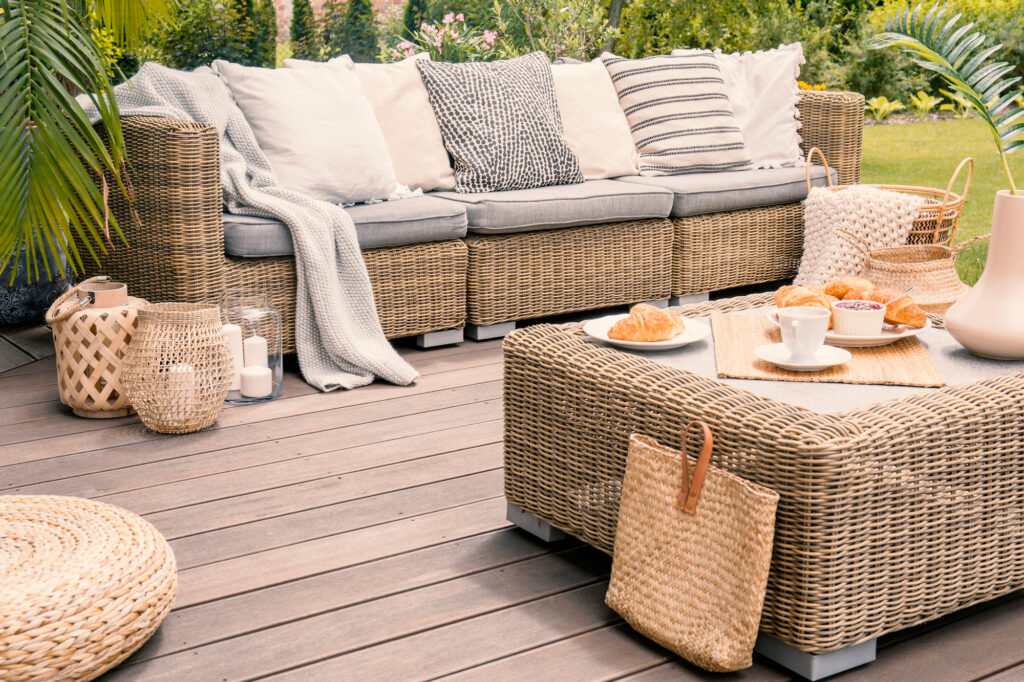
Some woods naturally resist fading and weather damage. Teak and eucalyptus are strong and stay beautiful over time. Metal furniture made from aluminum or powder-coated steel resists rust and fading. These materials need little upkeep and handle sun exposure well. They keep their color and shape even after long use.
Benefits Of Synthetic Materials
Synthetic materials like resin wicker and plastic are popular outdoors. They do not absorb water and resist sun damage. These materials keep their color longer than natural fibers. Easy to clean and maintain, they are perfect for busy outdoor spaces. Synthetic furniture offers a good balance of durability and style.
Protective Coatings And Treatments
Protective coatings and treatments help keep outdoor furniture safe from sun damage and fading. These layers act as shields against harsh weather and UV rays. Applying the right treatment extends the life and look of your furniture. It also keeps colors bright and surfaces smooth.
Choosing the right product depends on the material of your furniture and your climate. Some treatments block UV rays. Others protect from water and stains. Combining these options offers the best defense for your outdoor pieces.
Uv-resistant Sprays And Sealants
UV-resistant sprays and sealants stop sunlight from breaking down furniture colors. These products contain special ingredients that absorb or reflect UV rays. Use them on wood, plastic, or metal furniture for extra protection. They reduce fading and cracking caused by sun exposure. Sprays are easy to apply and dry quickly. Reapply every few months for consistent protection.
Waterproofing Solutions
Waterproofing keeps moisture from damaging outdoor furniture. Rain, dew, and spills can cause stains and rot. Waterproof coatings create a barrier that repels water. Use them on wood, fabric, or wicker pieces. These solutions help prevent mold and mildew growth. Look for waterproof sprays or sealants suitable for your furniture type. Applying waterproof layers helps furniture stay strong and clean.
How To Apply Protective Layers
Start by cleaning your furniture well. Remove dirt, dust, and old finishes. Let the surface dry completely. Shake the spray or stir the sealant before use. Apply a thin, even coat using a brush or spray. Cover all areas, including corners and undersides. Allow the first coat to dry fully. Apply a second coat for better protection. Follow product instructions for drying times. Store leftover product safely for future touch-ups.
Regular Maintenance Tips
Protecting outdoor furniture from fading starts with regular maintenance. Simple care routines keep furniture looking fresh and extend its life. Regular attention prevents dirt buildup and sun damage. This section covers easy steps to maintain your outdoor pieces.
Cleaning Techniques For Longevity
Dust and dirt cause surface damage over time. Clean furniture gently using mild soap and water. Use a soft brush or cloth to avoid scratches. Rinse thoroughly to remove soap residue. Dry furniture completely to prevent mold and mildew growth.
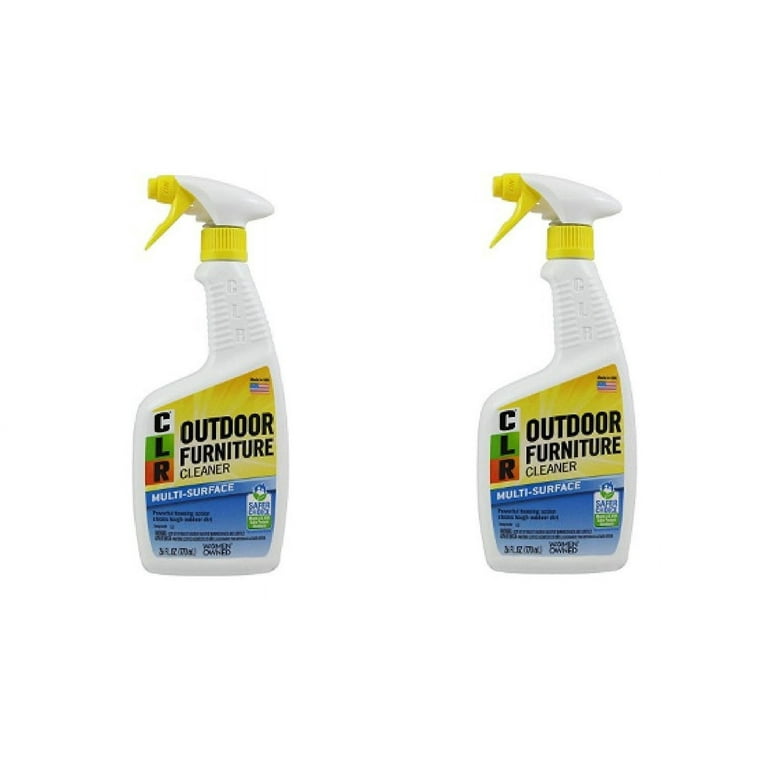
For stubborn stains, use a solution of vinegar and water. Test on a small area first. Avoid harsh chemicals that can strip color and damage material. Clean regularly to maintain the furniture’s original look.
Covering And Storage Practices
Cover furniture when not in use to block sun and rain. Choose breathable covers to reduce moisture buildup. Secure covers tightly to prevent wind damage. Store cushions indoors or in a dry place to avoid fading and mold.
During long breaks, store furniture in a shaded, dry area. Proper storage reduces exposure to harsh elements. This simple step helps maintain color and prevents material wear.
Seasonal Care Routines
Inspect furniture at the start of each season. Check for cracks, loose parts, or fading spots. Clean and dry furniture before storing or covering. Apply protective finishes if needed to restore color.
Rotate furniture placement to avoid constant sun exposure on one side. Remove cushions and clean them thoroughly. Seasonal care keeps furniture looking vibrant year-round.
Using Furniture Covers Effectively
Using furniture covers is a smart way to protect outdoor furniture from fading. Covers block sun rays and keep furniture safe from dust and rain. They help keep colors bright and materials strong.
Choosing the right cover and using it well makes a big difference. Covers that fit well and are made of good materials last longer. Knowing when to cover your furniture also helps prevent damage.
Choosing The Right Cover Material
Pick covers made from waterproof and UV-resistant fabrics. These materials stop sun damage and keep water out. Breathable fabrics prevent mold by letting air flow. Avoid plastic covers that trap moisture and cause mildew. A good cover fits your furniture size and shape snugly.
Proper Covering Techniques
Clean furniture before covering it to avoid trapping dirt. Secure covers tightly to stop wind from blowing them off. Use straps or ties if the cover has them. Leave small gaps for air to circulate and prevent mold. Remove covers carefully to avoid tearing or stretching.
When To Use Covers
Cover furniture during long sun exposure to reduce fading. Use covers in rainy or windy weather to protect from water and dirt. Take covers off during dry, sunny days to let furniture breathe. Store furniture covers in a dry place when not in use. Regular use of covers extends furniture life and keeps it looking new.
Placement Strategies To Minimize Fading
Protecting outdoor furniture from fading starts with smart placement. The right spot can reduce sun damage and keep colors bright. Simple steps can help extend your furniture’s life and look. Think about sunlight, shade, and natural surroundings when choosing a place.
Shaded Vs. Sun-exposed Areas
Placing furniture in shaded areas lowers sun exposure. Shade blocks harsh UV rays that cause fading. Sun-exposed spots speed up color loss and material wear. Choose shaded spots like under trees or awnings. If shade is limited, rotate furniture often to balance exposure.
Using Natural Barriers
Trees, bushes, and tall plants act as natural barriers. They shield furniture from direct sunlight and wind. These barriers create a cooler, protected space for your furniture. Place items near plants to reduce fading risk. Natural barriers also add beauty and privacy to your space.
Arranging Furniture For Protection
Group furniture close to walls or fences for extra shade. Arrange pieces so some block the sun for others. Use umbrellas or canopies for added protection. Avoid placing furniture in open areas with full sun all day. Smart arrangement helps furniture last longer and look fresh.
Diy Solutions For Fading Prevention
Protecting outdoor furniture from fading can save money and keep your space looking fresh. Simple DIY methods help block sun damage and restore color. These easy solutions use common items and creativity.
Homemade Uv Protectants
Mix water and white vinegar in equal parts to create a gentle spray. Apply it to fabric or wood surfaces for a mild UV shield. Another option is diluted lemon juice, which brightens colors and helps prevent fading. Test sprays on a small area first. Reapply every few weeks for best results.
Creative Shade Options
Use umbrellas, canopies, or outdoor curtains to block direct sunlight. Position furniture under trees or pergolas for natural shade. Hang light-colored fabric overhead to reflect sunlight and reduce heat. These options reduce sun exposure and keep furniture colors vibrant longer.
Repairing Minor Fading
Light sanding removes surface discoloration on wooden furniture. Use fine sandpaper and rub gently along the grain. For fabric, try fabric dye or markers matching the original color. Spot clean before applying color touch-ups. Cover repairs with a clear sealant to protect the finish.

Credit: www.amazon.com
Credit: www.walmart.com
Frequently Asked Questions
How Can I Prevent Outdoor Furniture From Fading?
Use UV-resistant covers and place furniture in shaded areas. Regularly clean and apply protective sealants to maintain color.
What Materials Resist Fading In Outdoor Furniture?
Teak, wrought iron, and synthetic wicker resist fading well. These materials are naturally durable under sun exposure.
How Often Should I Treat Outdoor Furniture For Protection?
Treat furniture every 6 to 12 months. Regular treatment keeps surfaces sealed and prevents sun damage.
Is Covering Furniture Effective Against Sun Fading?
Yes, covers block UV rays and reduce exposure. Use breathable, UV-protective covers for best results.
Conclusion
Protecting outdoor furniture from fading keeps it looking fresh longer. Use covers or move furniture to shaded areas. Clean surfaces regularly to stop dirt and dust buildup. Apply UV-resistant sprays to add extra protection. Store cushions indoors when not in use.
These simple steps save money and effort over time. Your outdoor space stays inviting and bright. Small actions make a big difference in furniture care. Keep your furniture vibrant and ready for every season.